

HVAC Fan Coil Blower Problems? Troubleshooting & Solutions
-
 By
Michael Haines
By
Michael Haines
- Apr 7, 2024

Hi, I'm Mike Haines, founder of AC Direct. If you're a homeowner dealing with issues related to your HVAC fan coil blower, you've come to the right place. Many people don't realize how crucial this component is to their home's comfort and efficiency. In this post, I'll break down common problems, troubleshooting tips, and solutions to keep your system running smoothly.
- Understand the essential role of the HVAC fan coil blower in distributing heated or cooled air throughout your home.
- Learn to identify common issues like unusual noises, weak airflow, and system inefficiencies.
- Explore troubleshooting steps and maintenance tips to extend the lifespan of your fan coil blower.
- Determine when DIY repairs are appropriate and when professional help is necessary.
- Consider the benefits of upgrading to a more energy-efficient fan coil blower model.
What is an HVAC Fan Coil Blower?
An HVAC fan coil blower is a critical component of your heating and cooling system. Its primary function is to circulate air throughout your home. It works by drawing air across either a heated or cooled coil and then pushing that conditioned air through your ductwork and out of your vents. Without a properly functioning fan coil blower, your HVAC system simply cannot do its job effectively, no matter how well you sized your Sizing air conditioning systems.
Why is the Fan Coil Blower Important for Homeowners?
The fan coil blower is important for several reasons. First and foremost, it directly impacts your comfort. A malfunctioning blower can lead to uneven temperatures throughout your house, leaving some rooms too hot or too cold. Second, it affects your energy bills. An inefficient blower motor will consume more electricity, increasing your monthly expenses. Finally, it plays a role in indoor air quality. The blower helps circulate air through your air filter, removing dust, allergens, and other pollutants. Maintaining your heating ac units properly Heating ac units depends on a functional blower.
Types of Fan Coil Blowers A Homeowner's Guide
There are two main types of fan coil blowers commonly found in residential HVAC systems:
- Direct Drive Blowers: In this type, the motor is directly connected to the blower wheel. This design is generally more efficient and quieter than belt-driven blowers.
- Belt-Driven Blowers: These blowers use a belt to connect the motor to the blower wheel. While they may require occasional belt replacements, they offer more flexibility in terms of speed adjustments.
Within these two types, you'll also find different motor technologies, such as single-speed, multi-speed, and variable-speed motors. Variable-speed motors are the most energy-efficient option, as they can adjust their speed to match the heating or cooling demand. If you're looking to replace your central ac units, be sure to consider the different types of blowers. Central ac units
How to Choose the Right Fan Coil Blower
Choosing the right fan coil blower involves several considerations. First, you need to ensure that the blower is properly sized for your HVAC system. An undersized blower won't be able to circulate enough air, while an oversized blower can waste energy and create drafts. Second, consider the efficiency of the blower motor. A more efficient motor will save you money on your energy bills over the long run. Third, think about noise levels. Some blowers are significantly quieter than others. Finally, factor in the cost of installation and maintenance. It's a good idea to get quotes from several HVAC contractors before making a decision.
Fan Coil Blower Motor Replacement DIY or Professional?
Whether you should attempt a DIY fan coil blower motor replacement or hire a professional depends on your skills and experience. If you're comfortable working with electrical systems and have experience with HVAC repairs, you may be able to handle the replacement yourself. However, it's important to proceed with caution. Make sure to turn off the power to your HVAC system before starting any work. Also, be sure to follow the manufacturer's instructions carefully. If you're not confident in your abilities, it's best to call a qualified HVAC technician. Improper installation can damage your system and even create a safety hazard.
Cost of Fan Coil Blower Replacement or Repair
The cost of fan coil blower replacement or repair can vary depending on several factors, including the type of blower, the complexity of the job, and your location. Simple repairs, such as replacing a worn belt, may only cost a few hundred dollars. However, a complete blower motor replacement can range from several hundred to over a thousand dollars, including labor costs. It's always a good idea to get multiple estimates from different HVAC companies to ensure you're getting a fair price. Also, ask about warranties and guarantees.
Extending the Life of Your Fan Coil Blower Maintenance Tips
Proper maintenance is key to extending the life of your fan coil blower. Here are some tips:
- Replace Air Filters Regularly: Dirty air filters restrict airflow, causing the blower motor to work harder and potentially overheat. I recommend checking your air filter monthly and replacing it every 1-3 months, depending on the type of filter and the air quality in your area.
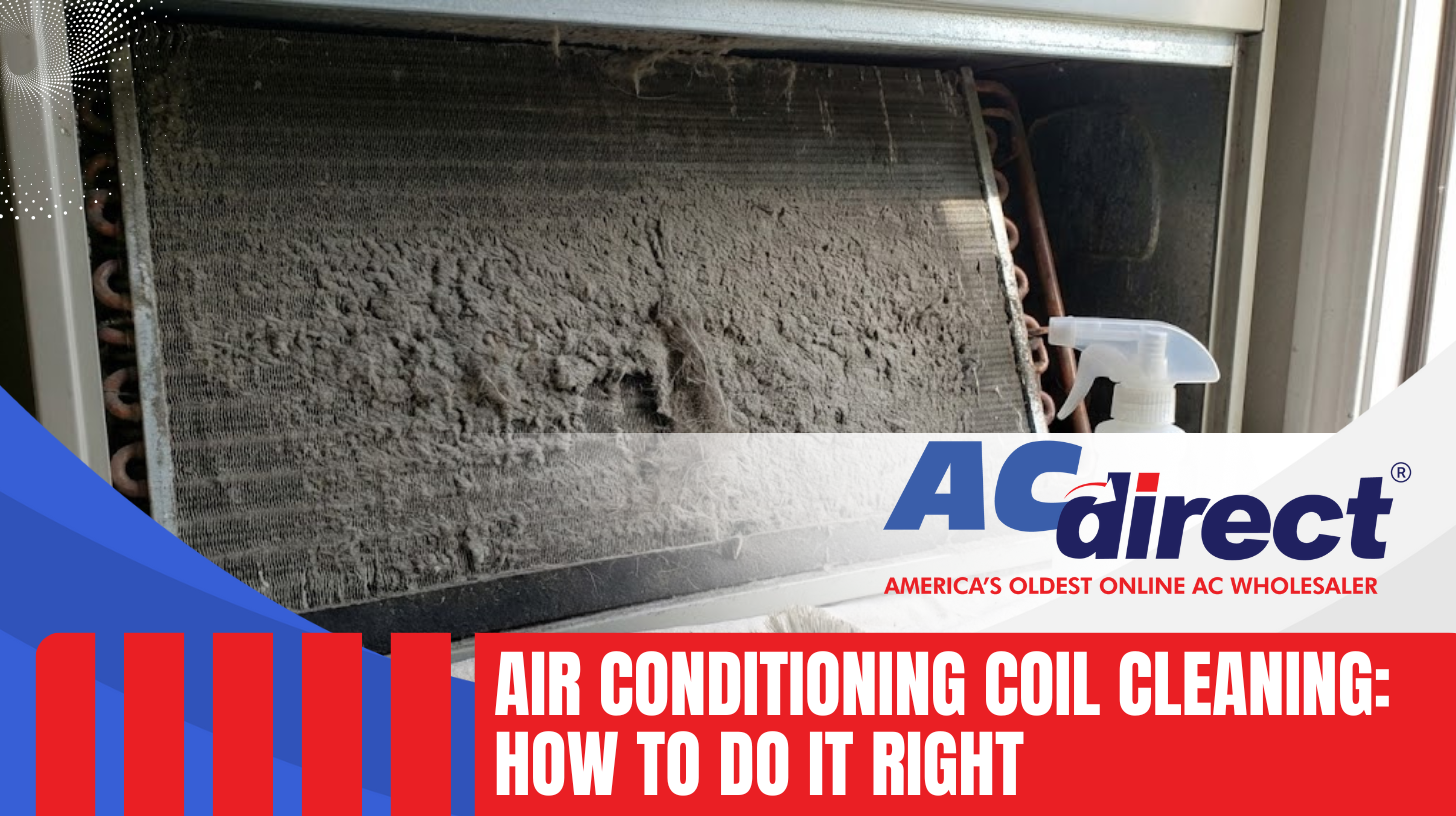
- Keep the Blower Compartment Clean: Dust and debris can accumulate in the blower compartment, reducing efficiency and potentially damaging the motor. Periodically vacuum the compartment to keep it clean.
- Lubricate Moving Parts: Some blower motors have lubrication ports. If yours does, follow the manufacturer's instructions for lubricating the motor.
- Schedule Regular HVAC Tune-Ups: A qualified HVAC technician can inspect your fan coil blower and identify any potential problems before they become major issues.
Troubleshooting Common Fan Coil Blower Problems
Here are some common problems you might encounter with your fan coil blower, along with troubleshooting tips:
Blower Not Turning On
Check the circuit breaker to make sure it hasn't tripped. Also, check the blower motor capacitor. A faulty capacitor can prevent the motor from starting.
Weak Airflow
A dirty air filter is the most common cause of weak airflow. Replace the filter and see if that improves the airflow. Also, check for any obstructions in your ductwork.
Unusual Noises
Squealing noises could indicate a worn belt (in belt-driven blowers) or a failing motor bearing. Grinding noises could indicate a more serious motor problem. In either case, it's best to have a technician inspect the blower.
Blower Running Constantly
This could be caused by a faulty thermostat or a problem with the blower motor relay. Check your thermostat settings first. If that doesn't solve the problem, call an HVAC technician.
When to Consider Upgrading Your Fan Coil Blower
There are several situations where upgrading your fan coil blower makes sense. If your current blower is old and inefficient, upgrading to a newer, more efficient model can save you money on your energy bills. Variable-speed blowers, in particular, can significantly improve energy efficiency and comfort. Also, if you're experiencing frequent problems with your blower, such as motor failures or excessive noise, it may be more cost-effective to replace the entire unit rather than continuing to repair it. Holy Cross Energy Holy Cross Energy has information about rebates for energy-efficient HVAC upgrades that you may find helpful.
Fan Coil Blowers and Indoor Air Quality What's the Connection?
The fan coil blower plays a crucial role in maintaining good indoor air quality. By circulating air through your air filter, it helps remove dust, pollen, pet dander, and other allergens. A properly functioning blower ensures that air is constantly being filtered, improving the air quality in your home. However, it's important to note that the blower itself doesn't clean the air. The air filter is what does the actual filtration. Therefore, it's essential to use a high-quality air filter and replace it regularly to maximize the benefits for indoor air quality.
Frequently Asked Questions
What are the symptoms of a failing fan coil blower motor?
Common symptoms include unusual noises such as squealing or grinding, weak airflow from your vents, the blower failing to turn on at all, or your HVAC system frequently cycling on and off.
How often should I replace my HVAC fan coil blower?
The lifespan of a fan coil blower can vary, but they typically last between 10 and 20 years with proper maintenance. You'll usually need a replacement when the motor starts failing or becomes very inefficient.
Can a dirty air filter affect my fan coil blower's performance?
Yes, a dirty air filter restricts airflow, which forces the blower motor to work harder and potentially overheat. Replacing your air filter regularly is crucial for ensuring optimal blower performance and energy efficiency.
What is the difference between a direct drive and belt-driven fan coil blower?
Direct drive blowers have the motor directly connected to the blower wheel, which offers higher efficiency and quieter operation. Belt-driven blowers use a belt to connect the motor to the blower wheel. These may require occasional belt replacement but can be more easily adjusted for speed.
Is it possible to upgrade my fan coil blower to a more energy-efficient model?
Yes, upgrading to a newer, more efficient fan coil blower motor, such as a variable-speed model, can significantly reduce your energy consumption and improve the overall performance of your HVAC system.
Final Thoughts
The HVAC fan coil blower is a vital part of your home's comfort system. Understanding its function, common problems, and maintenance needs can help you keep your system running smoothly and efficiently. Whether you decide to tackle simple repairs yourself or call in a professional, making informed decisions will save you money and ensure your home stays comfortable year-round.