 and now, NASCAR Racing Sponsor


Understanding Your Inside HVAC Unit: Components and Care
-
 By
Michael Haines
By
Michael Haines
- Apr 23, 2024
Hi, I'm Mike Haines, founder of AC Direct. Many homeowners don't think much about their inside HVAC unit, but it's a vital part of your home comfort system. This article will give you a solid understanding of what it is, what it does, and how to keep it running smoothly. We'll cover the components, maintenance tips, troubleshooting, and when it’s time to call in a pro. This information is for you, the homeowner, so you can make informed decisions about your HVAC system.
Key Highlights
- The inside HVAC unit is a critical component of your heating and cooling system, responsible for distributing conditioned air throughout your home.
- Regular maintenance, such as changing filters and cleaning coils, can significantly extend the life and efficiency of your indoor unit.
- Understanding the different types of indoor units, like furnaces and air handlers, will help you choose the right system for your home.
- Proper sizing and matching of indoor and outdoor units are essential for optimal performance and energy savings.
- Knowing common problems and when to call a professional HVAC technician can prevent costly repairs and ensure your system operates safely.
What is the Inside HVAC Unit?
The inside HVAC unit is the component of your home's heating, ventilation, and air conditioning (HVAC) system that's located inside your house. It works in conjunction with the outdoor unit to provide conditioned air throughout your living spaces. The inside unit can be a furnace, an air handler, or part of a packaged system. Its main job is to circulate air, either heated or cooled, to maintain a comfortable temperature.
Components of an Indoor HVAC Unit
The specific components will vary depending on the type of unit, but here are some of the most common:
- Blower Motor: This motor powers the fan that circulates air through the ductwork.
- Evaporator Coil: In air conditioning systems, this coil cools the air as refrigerant passes through it.
- Heat Exchanger: Found in furnaces, the heat exchanger transfers heat from the combustion process to the air.
- Air Filter: This filter removes dust, pollen, and other particles from the air.
- Control Panel: The control panel houses the electrical components and controls the operation of the unit.
- Ductwork Connections: These connections link the unit to your home's ductwork, allowing air to be distributed.
Why the Inside HVAC Unit Matters to Homeowners
The inside HVAC unit is more than just a box in your basement or attic. It directly impacts your comfort, air quality, and energy bills. A properly functioning unit ensures consistent temperatures throughout your home, removes allergens and pollutants from the air, and operates efficiently to minimize energy consumption. Neglecting the inside unit can lead to poor air quality, uncomfortable living conditions, and increased utility costs.
Types of Indoor HVAC Units
There are several types of indoor HVAC units available, each designed for different heating and cooling needs. The most common types include:
- Furnaces: These units burn fuel (natural gas, propane, or oil) to generate heat. They are typically used in colder climates.
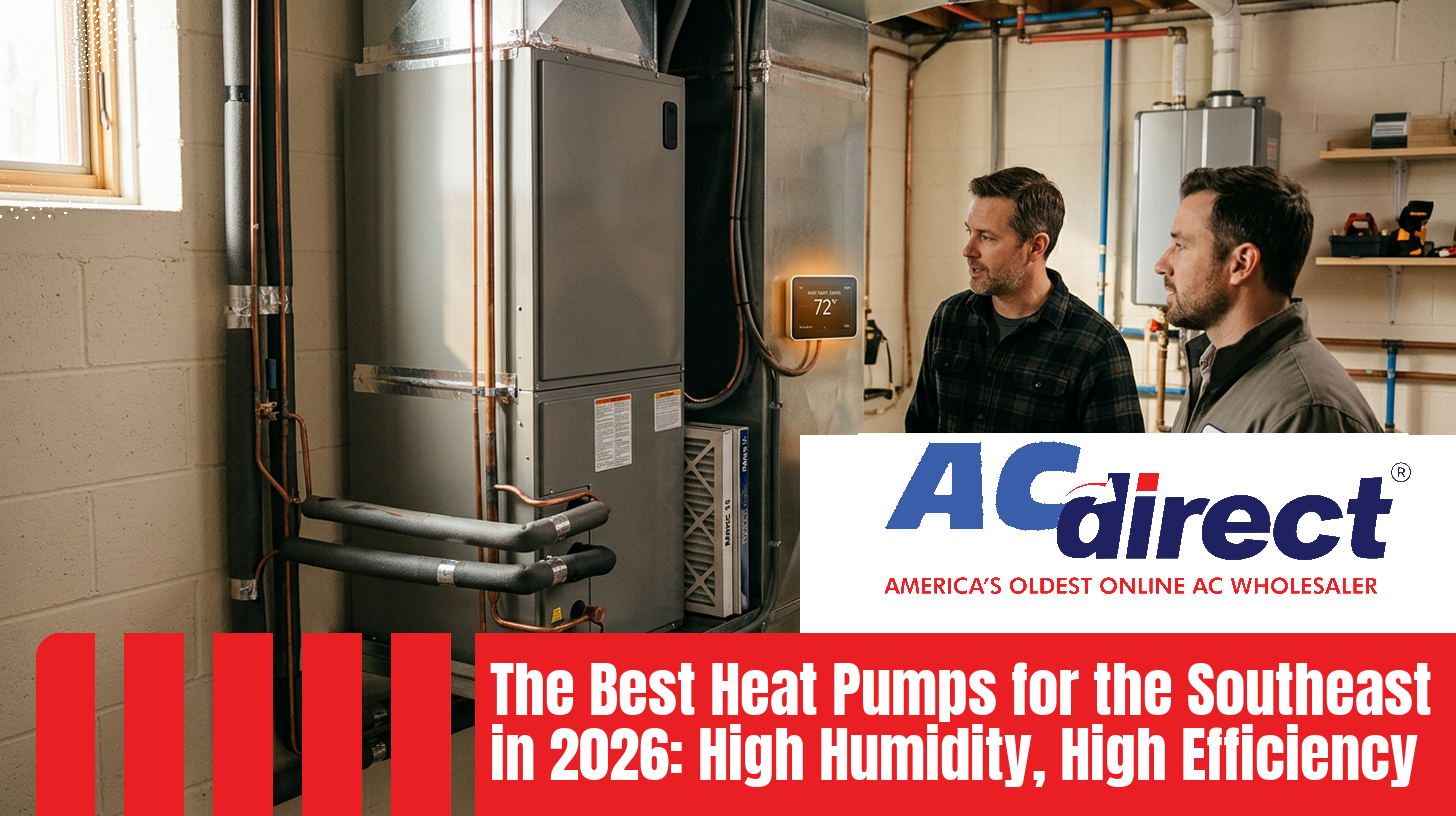
- Air Handlers: Air handlers circulate air and are used in conjunction with heat pumps or air conditioners. They don't generate heat themselves but rather distribute heated or cooled air.
- Coil Units: These units include evaporator coils, and sometimes a heater, when paired with heat pumps.
- Packaged Units: Packaged aircon contain all the heating and cooling components in a single outdoor unit, but still connect to indoor ductwork.
Furnace vs. Air Handler: What's the Difference?
The key difference between a furnace and an air handler is how they generate heat. A furnace creates heat through combustion, while an air handler simply circulates air that has been heated by another source, such as a heat pump. Furnaces are ideal for homes in colder climates where a significant amount of heat is required. Air handlers are better suited for homes with heat pumps, which provide both heating and cooling.
Choosing the Right Inside Unit for Your Home
Selecting the right inside unit depends on several factors, including your climate, the size of your home, and your heating and cooling preferences. If you live in a cold climate, a furnace may be the best option. If you have a heat pump, you'll need an air handler. Consider your budget and energy efficiency goals when making your decision. I often advise homeowners to get professional advice to ensure they select the right unit for their specific needs.
Matching Indoor and Outdoor Units for Optimal Performance
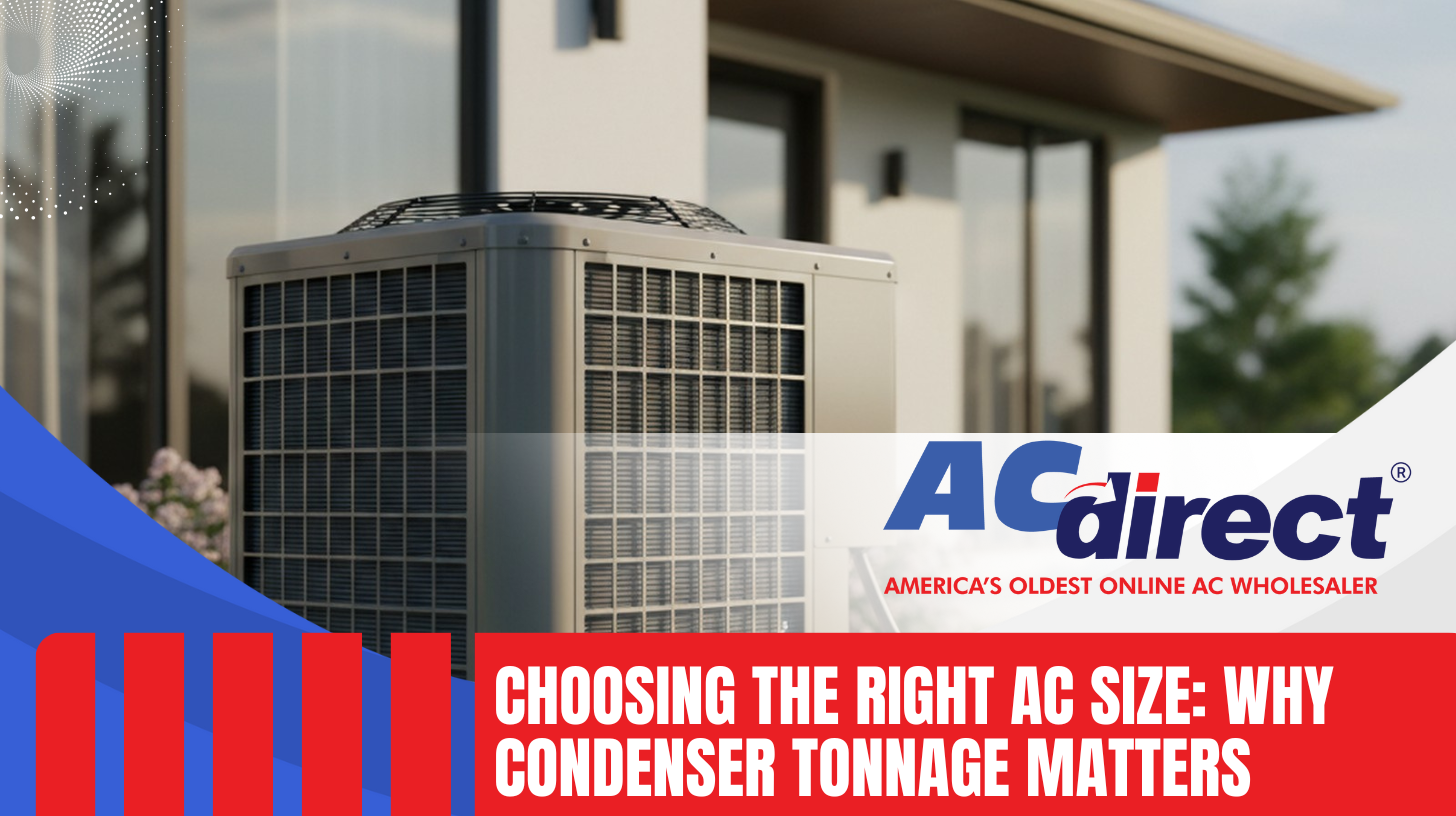
It's crucial to match your indoor and outdoor units for optimal performance and efficiency. The units need to be compatible in terms of capacity and refrigerant type. An improperly matched system can lead to reduced efficiency, increased energy bills, and premature failure of components. I always stress the importance of having a qualified HVAC technician match the units to ensure they work together seamlessly. This might also be a good time to consider a 3 ton air conditioning unit.
Sizing Your Inside HVAC Unit Correctly
Proper sizing is essential for efficient and effective heating and cooling. An undersized unit won't be able to adequately heat or cool your home, while an oversized unit will cycle on and off frequently, leading to energy waste and uneven temperatures. HVAC professionals use a process called load calculation to determine the correct BTU (British Thermal Units) output needed for your home. This calculation takes into account factors such as square footage, insulation, window efficiency, and climate. For example, Air conditioner btu's can help you understand the relationship between area and cooling capacity.
Indoor HVAC Unit Efficiency and SEER Ratings
The Seasonal Energy Efficiency Ratio (SEER) rating measures the cooling efficiency of air conditioners and heat pumps. A higher SEER rating indicates greater energy efficiency. While SEER ratings primarily apply to outdoor units, the efficiency of the indoor unit also plays a role in the overall system efficiency. Look for indoor units with high-efficiency blower motors and well-insulated cabinets to minimize energy loss.
Common Problems with Indoor HVAC Units
Like any mechanical system, indoor HVAC units can experience problems over time. Some common issues include:
- Dirty Air Filters: Clogged filters restrict airflow and reduce efficiency.
- Frozen Evaporator Coils: This can occur due to restricted airflow or low refrigerant levels.
- Blower Motor Problems: A malfunctioning blower motor can prevent air from circulating properly.
- Leaking Ducts: Leaky ducts waste energy and reduce the effectiveness of your HVAC system.
- Faulty Control Panel: Electrical problems in the control panel can disrupt the unit's operation.
Maintaining Your Inside HVAC Unit: Essential Tips
Regular maintenance is key to keeping your inside HVAC unit running smoothly and efficiently. Here are some essential tips:
- Change Air Filters Regularly: Replace your air filters every 1-3 months, depending on the type of filter and the level of dust and allergens in your home.
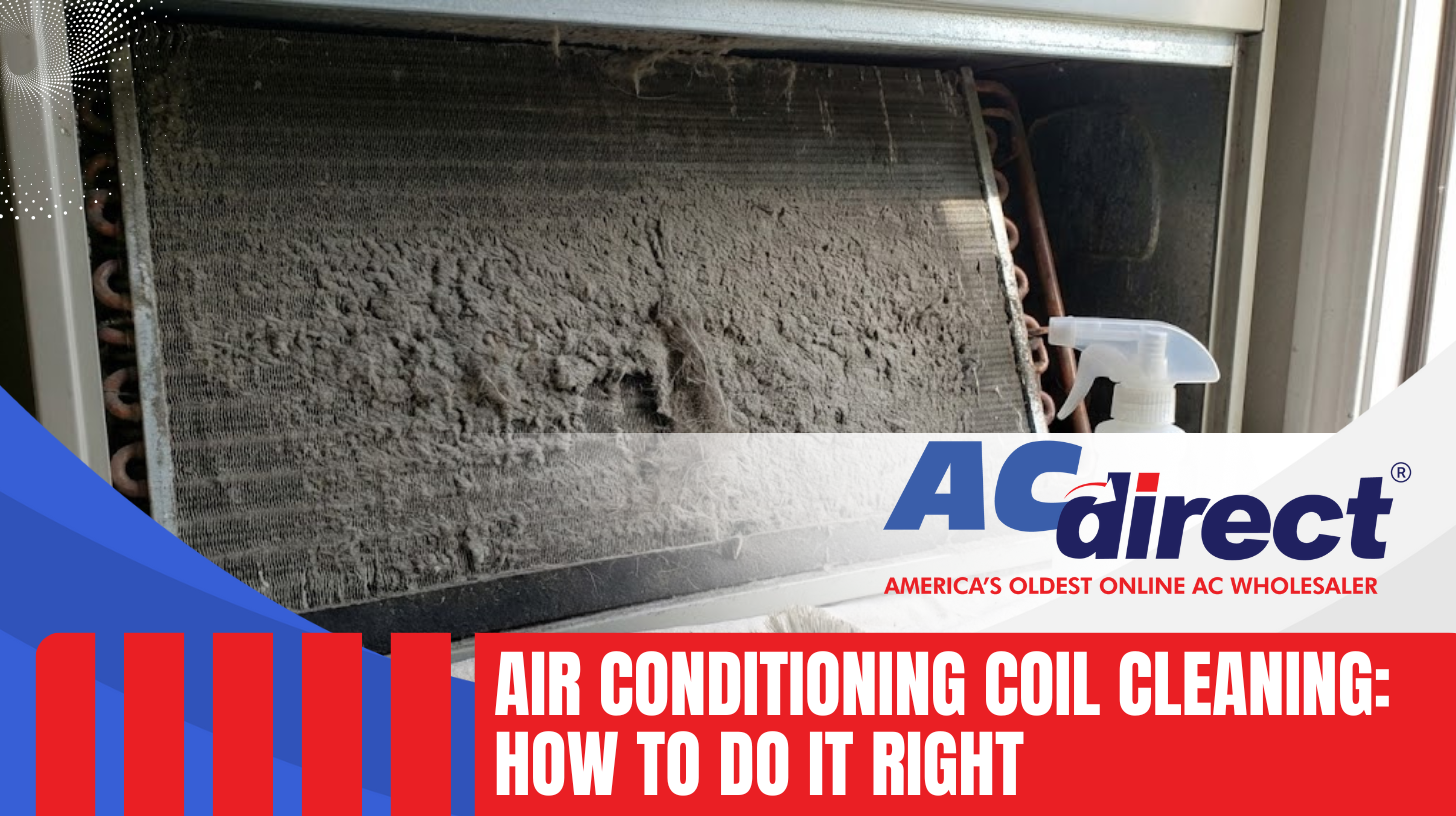
- Clean Evaporator Coils: Clean the evaporator coils annually to remove dirt and debris.
- Inspect Ductwork: Check for leaks and seal any cracks or holes.
- Lubricate Moving Parts: Lubricate the blower motor and other moving parts as needed.
- Schedule Professional Maintenance: Have your unit professionally serviced at least once a year.
Troubleshooting Common Issues Yourself
Some minor issues can be resolved yourself. For example, if your unit isn't working, check the circuit breaker to make sure it hasn't tripped. Make sure the thermostat is set correctly. If you notice reduced airflow, replace the air filter. However, for more complex problems, it's best to call a professional.
When to Call a Professional HVAC Technician
There are times when it's best to leave the repairs to the professionals. Call an HVAC technician if you experience any of the following:
- Strange Noises: Unusual noises, such as banging, grinding, or whistling, can indicate a serious problem.
- Inconsistent Temperatures: If some rooms are too hot or too cold, there may be an issue with the unit or ductwork.
- Refrigerant Leaks: Refrigerant leaks can be harmful to the environment and reduce the unit's cooling capacity.
- Electrical Problems: Electrical issues should always be handled by a qualified technician.
- Frequent Breakdowns: If your unit is constantly breaking down, it may be time for a replacement.
The Cost of Replacing an Inside HVAC Unit
The cost of replacing an inside HVAC unit can vary widely depending on the type of unit, its size, and the complexity of the installation. Furnaces generally cost less than air handlers, but prices can range from a few thousand dollars to several thousand dollars. It’s a good idea to get quotes from several contractors before making a decision. Don't forget to factor in the cost of installation, which can add several hundred dollars to the total price. Check with your local utility like Tacoma Power for any rebates for high-efficiency units.
Installation Considerations for Indoor Units
Proper installation is critical for the performance and longevity of your inside HVAC unit. Ensure that the unit is installed on a level surface and that there is adequate clearance for maintenance and repairs. The ductwork should be properly connected and sealed to prevent air leaks. The electrical connections should be made by a qualified electrician. A professional installation will ensure that your unit operates safely and efficiently.
Extending the Life of Your Inside HVAC Unit
By following these tips, you can extend the life of your inside HVAC unit and avoid costly repairs:
- Regular Maintenance: Stick to a regular maintenance schedule, including filter changes and professional servicing.
- Proper Usage: Avoid overworking the unit by setting the thermostat at a reasonable temperature.
- Prompt Repairs: Address any issues promptly to prevent them from escalating into larger problems.
- Protect from the Elements: If your unit is located in an area that is exposed to the elements, consider adding a protective cover.
Frequently Asked Questions
What is the difference between a furnace and an air handler?
A furnace heats air using gas or electricity. An air handler circulates air and is used in systems with a heat pump or AC. Furnaces generate heat; air handlers simply move already heated or cooled air.
How do I know if my inside HVAC unit is the right size for my home?
An HVAC professional can perform a load calculation to determine the correct BTU output needed to efficiently heat or cool your home. Factors include square footage, insulation, and climate.
What are some signs that my inside HVAC unit needs to be replaced?
Signs include inconsistent temperatures, strange noises, increased energy bills, frequent repairs, and an age of 15 years or more. It's always best to get a professional opinion from a licensed HVAC contractor.
Can I install an inside HVAC unit myself?
While some minor maintenance tasks can be done yourself, replacing or installing an inside HVAC unit is complex and requires specialized knowledge and tools. It's best to hire a licensed HVAC contractor to ensure proper and safe installation.
How often should I have my inside HVAC unit serviced?
It's recommended to have your inside HVAC unit professionally serviced at least once a year, preferably before the heating or cooling season, to ensure optimal performance and prevent potential problems.
Final Thoughts
Understanding your inside HVAC unit is essential for maintaining a comfortable and energy-efficient home. By knowing the components, types, and maintenance requirements, you can make informed decisions about your heating and cooling system. Regular maintenance, prompt repairs, and professional servicing will help extend the life of your unit and prevent costly breakdowns.
Don't underestimate the importance of proper sizing and matching of indoor and outdoor units. A well-matched system will operate more efficiently and provide consistent comfort throughout your home. When it comes time to replace your inside HVAC unit, be sure to get quotes from several contractors and choose a unit that meets your specific needs and budget.
Ultimately, the goal is to create a comfortable and healthy living environment while minimizing energy consumption. By taking the time to learn about your inside HVAC unit, you can achieve these goals and enjoy the benefits of a well-maintained and efficient heating and cooling system.