

Decoding Your Inside Unit HVAC: Components and Common Issues
-
 By
Michael Haines
By
Michael Haines
- Apr 24, 2024

Hi, I'm Mike Haines, founder of AC Direct. Many homeowners focus on the outdoor components of their HVAC system, but the inside unit hvac is just as critical for maintaining comfort and efficiency. In this post, I'll break down the key components of your indoor unit, explain common issues, and offer practical advice to help you make informed decisions about maintenance, repair, and replacement. This is for homeowners and small business owners who want to understand their HVAC system better.
- The indoor HVAC unit circulates conditioned air, playing a vital role in your home's comfort and air quality.
- Understanding the components of your indoor unit, such as the evaporator coil and blower fan, can help you troubleshoot common issues.
- Regular maintenance, including filter replacement and professional inspections, is essential for prolonging the life of your indoor unit and maximizing efficiency.
- Proper sizing and installation are crucial for optimal performance and energy savings.
- Knowing when to call an HVAC professional can prevent costly repairs and ensure your system operates safely and effectively.
What is an Indoor HVAC Unit?
The indoor HVAC unit, often referred to as an air handler, is the part of your heating and cooling system located inside your home or building. Unlike the outdoor unit (condenser or heat pump), which rejects or collects heat, the indoor unit is responsible for circulating conditioned air—whether heated or cooled—throughout your living spaces via ductwork. It works in conjunction with the outdoor unit to provide complete climate control.
Why is the Indoor Unit Important for Home Comfort?
The indoor unit is arguably the most important component in achieving consistent temperatures throughout your home. It houses critical parts like the blower fan that pushes air through the ducts and the evaporator coil (in cooling mode) or heating element (in heating mode) that conditions the air. If the indoor unit malfunctions, your entire HVAC system’s performance suffers, leading to uneven heating or cooling, reduced efficiency, and potential discomfort. A properly functioning indoor unit also contributes significantly to indoor air quality by filtering out dust, pollen, and other allergens.
Types of Indoor HVAC Units
There are several types of indoor units, each designed for specific applications and system configurations:
- Air Handlers: These are typically paired with heat pumps or air conditioners. They contain a blower fan and evaporator coil to circulate and condition air.
- Furnaces: Furnaces heat air using gas, oil, or electricity and then distribute it through ductwork via a blower fan. While technically an indoor heating unit, furnaces often integrate with cooling systems to share ductwork.
- Coil-Only Units: These units consist only of the evaporator coil and are designed to be installed in existing ductwork systems, often used in conjunction with a furnace for cooling.
- Ductless Mini-Split Indoor Units: These units are part of a ductless system and are mounted on walls or ceilings. They connect directly to an outdoor unit and provide zoned heating and cooling.
The right type of indoor unit for your home will depend on your climate, existing HVAC infrastructure, and personal preferences.
Key Components of an Indoor Unit
Understanding the main components of your indoor HVAC unit can help you diagnose problems and communicate effectively with HVAC technicians:
Blower Fan
The blower fan is responsible for moving air through the ductwork. It draws air from the return vents, passes it over the heating or cooling element, and then pushes the conditioned air out through the supply vents. A malfunctioning blower fan can cause weak airflow or inconsistent temperatures.
Evaporator Coil
In cooling mode, the evaporator coil absorbs heat from the air passing over it, cooling the air before it is circulated. This coil contains refrigerant, which evaporates as it absorbs heat. A dirty or frozen evaporator coil can significantly reduce cooling efficiency.
Heating Element or Heat Exchanger
In heating mode (for furnaces or heat pumps with auxiliary heat), the heating element or heat exchanger heats the air before it is circulated. Furnaces use a heat exchanger to transfer heat from combustion gases to the air, while electric heat pumps use electric resistance coils.
Air Filter
The air filter removes dust, pollen, and other particles from the air before it enters the system. A clean air filter is crucial for maintaining indoor air quality and preventing dust buildup on the other components. I see a lot of homeowners neglect this simple task, which leads to bigger problems down the road.
Ductwork Connections
These connections link the indoor unit to the ductwork, allowing conditioned air to be distributed throughout the building. Leaks or improper connections in the ductwork can lead to energy loss and reduced efficiency. Be sure to periodically inspect your ductwork or have a professional do it for you.
Control Panel and Circuit Board
The control panel and circuit board manage the operation of the indoor unit, including fan speed, temperature settings, and safety features. These components can be sensitive to power surges and other electrical issues.
Choosing the Right Indoor Unit: Factors to Consider
Selecting the right indoor unit involves several important considerations:
Size and Capacity
The size of your indoor unit should match the size of your home and your heating and cooling needs. An undersized unit will struggle to maintain comfortable temperatures, while an oversized unit can lead to short cycling and reduced efficiency. Consult with a qualified HVAC technician to determine the appropriate size for your home. They’ll perform a load calculation that factors in square footage, insulation, climate, and other variables. You might consider a Air conditioner for vertical slide windows for your home if you have limited space.
Energy Efficiency
Look for units with high SEER (Seasonal Energy Efficiency Ratio) and HSPF (Heating Seasonal Performance Factor) ratings. These ratings indicate how efficiently the unit operates, which can translate to lower energy bills. More on that in the next section.
System Compatibility
Ensure that the indoor unit is compatible with your outdoor unit and ductwork system. Mixing and matching components can lead to performance issues and void warranties. It's generally best to replace both the indoor and outdoor units at the same time to ensure optimal performance and efficiency. Sometimes, you might need to find a Pancake unit to fit your home.
Features and Technology
Consider features like variable-speed blowers, which can improve comfort and energy efficiency by adjusting the airflow based on demand. Some units also offer advanced air filtration and smart controls for remote monitoring and adjustment.
Budget
Indoor units range in price from a few hundred dollars to several thousand, depending on the type, size, and features. Set a budget and compare different models within your price range. Keep in mind that the upfront cost is only one factor; consider the long-term energy savings and potential repair costs as well. Don't forget to check out the Hvac discount to find a unit within your budget.
SEER and HSPF Ratings: Understanding Efficiency
SEER (Seasonal Energy Efficiency Ratio) and HSPF (Heating Seasonal Performance Factor) are important metrics for evaluating the energy efficiency of an indoor unit when paired with the appropriate outdoor unit. SEER measures the cooling efficiency, while HSPF measures the heating efficiency (for heat pumps). Higher ratings indicate greater efficiency and lower energy consumption.
As of 2023, the minimum SEER rating for new air conditioners is 14 in most parts of the United States. For heat pumps, the minimum HSPF rating is typically around 8.8. Look for units that exceed these minimums to maximize your energy savings. I recommend checking with your local utility company, such as Modesto Irrigation District, for potential rebates or incentives for purchasing high-efficiency equipment.
Proper Indoor Unit Installation: Why it Matters
Proper installation is critical for the performance and longevity of your indoor HVAC unit. Incorrect installation can lead to a variety of problems, including:
Reduced Efficiency
Improperly installed units may not operate at their rated efficiency, leading to higher energy bills.
Increased Wear and Tear
Installation errors can put stress on the components, shortening their lifespan.
Air Leaks and Poor Airflow
Improperly sealed ductwork connections can result in air leaks and reduced airflow.
Safety Hazards
Faulty electrical connections or improper venting (for furnaces) can create safety hazards.
For these reasons, it is essential to hire a qualified HVAC technician to install your indoor unit. A professional will ensure that the unit is properly sized, connected, and calibrated for optimal performance.
Maintaining Your Indoor HVAC Unit: Essential Tips
Regular maintenance can help prolong the life of your indoor unit and prevent costly repairs:
Change Air Filters Regularly
Replace your air filters every 1-3 months, or more often if you have pets or allergies. A dirty air filter restricts airflow and reduces efficiency.
Clean the Evaporator Coil
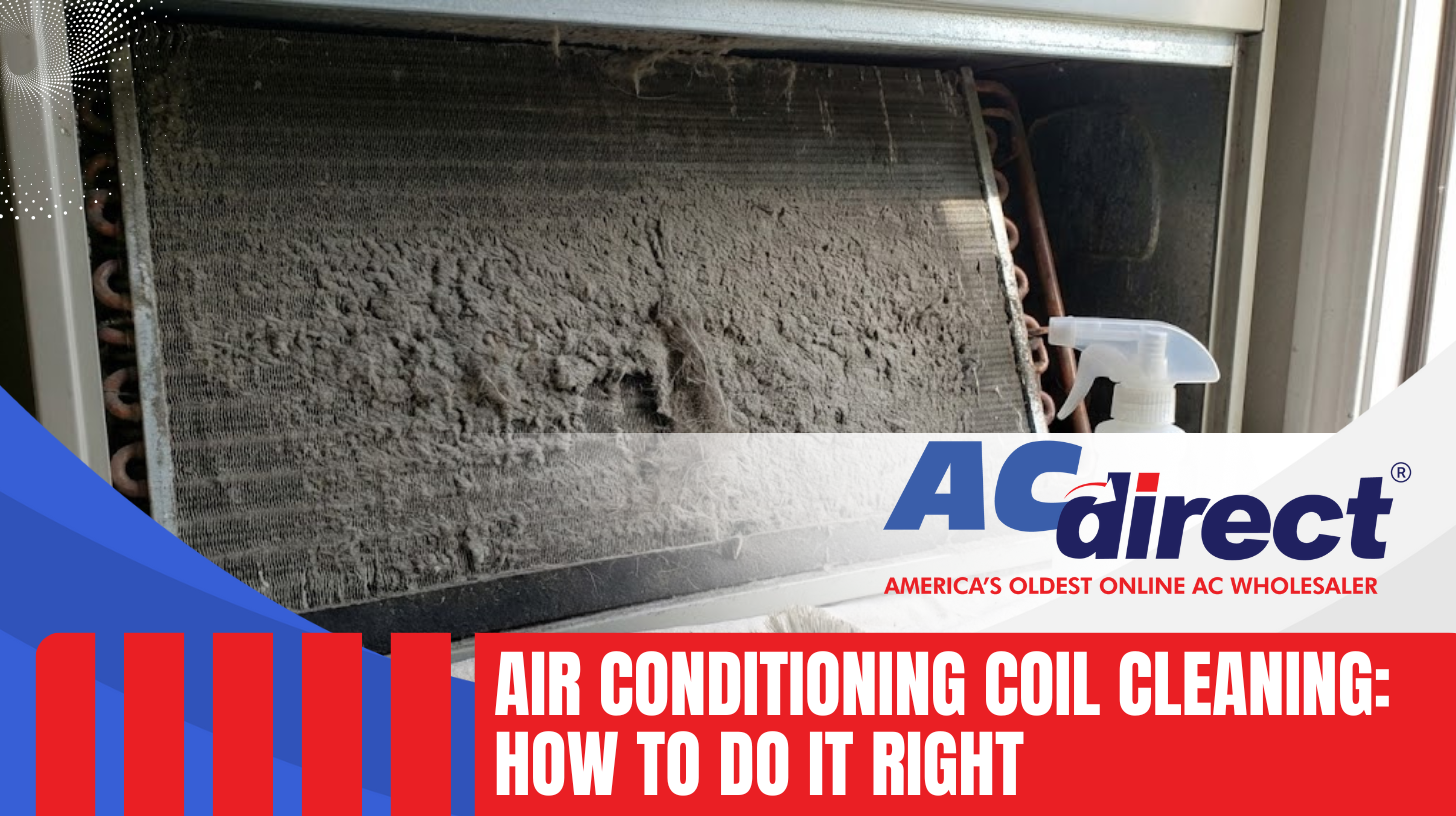
Periodically clean the evaporator coil to remove dust and debris. You can use a fin comb to straighten bent fins and a coil cleaner to remove stubborn dirt. But be careful not to damage the delicate fins.
Inspect Ductwork
Check your ductwork for leaks or damage. Seal any leaks with duct tape or mastic sealant. Consider having your ducts professionally cleaned every few years to remove dust and allergens.
Schedule Professional Maintenance
Have your HVAC system professionally inspected and maintained at least once a year. A technician can identify and address potential problems before they become major issues.
Troubleshooting Common Indoor Unit Problems
Here are some common problems you may encounter with your indoor unit and how to troubleshoot them:
Weak Airflow
Check the air filter first. If it’s clean, inspect the blower fan for obstructions or damage. Also, check the ductwork for leaks or blockages. It could also be a motor issue.
Unusual Noises
Squealing noises may indicate a problem with the blower motor or belt. Rattling noises could be caused by loose components or debris in the blower fan. Grinding noises may indicate a bearing issue. In any case, it's probably time to call a technician.
Inconsistent Temperatures
Check the thermostat settings and make sure the unit is set to the correct mode (heating or cooling). If the problem persists, there may be an issue with the evaporator coil or heating element.
Water Leaks
Water leaks around the indoor unit can be caused by a clogged condensate drain line. Clear the drain line with a wet/dry vacuum or a stiff wire. If the problem persists, there may be a leak in the evaporator coil.
The Cost of Indoor HVAC Units and Replacement
The cost of an indoor HVAC unit can vary widely depending on the type, size, and features. Air handlers typically range from $500 to $2,000, while furnaces can cost anywhere from $800 to $4,000 or more. Installation costs can add another $500 to $2,000, depending on the complexity of the job. When considering replacement, factor in the cost of the unit, installation, and any necessary ductwork modifications.
When to Call an HVAC Professional
While some minor issues can be addressed yourself, it's important to call a qualified HVAC professional for the following situations:
- Major repairs or component replacements
- Electrical issues or safety concerns
- Refrigerant leaks
- Complex troubleshooting or diagnosis
- Installation of new equipment
Attempting to repair or install HVAC equipment without the proper training and experience can be dangerous and may void your warranty.
Upgrading Your Indoor Unit for Improved Performance
If your indoor unit is old or inefficient, upgrading to a newer model can provide significant benefits. Newer units often feature more efficient components, advanced controls, and improved air filtration. Upgrading can also improve your home's comfort, reduce your energy bills, and increase the value of your property. When upgrading, consider factors such as SEER and HSPF ratings, variable-speed blowers, and smart home compatibility.
Frequently Asked Questions
What does the indoor HVAC unit do?
The indoor HVAC unit is responsible for circulating conditioned air (heated or cooled) throughout your home. It contains components like the evaporator coil, blower fan, and air filter that work together to regulate temperature and air quality.
How do I know if my indoor HVAC unit is the right size for my home?
The size of your indoor unit should be determined by a professional HVAC technician. They will consider factors like your home's square footage, insulation, climate, and window placement to ensure proper heating and cooling capacity.
How often should I change the air filter in my indoor HVAC unit?
It is generally recommended to change your air filter every 1-3 months, depending on the type of filter and the air quality in your home. A dirty air filter can reduce efficiency and indoor air quality.
What are some signs that my indoor HVAC unit needs repair?
Signs of a malfunctioning indoor unit include strange noises, weak airflow, inconsistent temperatures, unusual odors, and increased energy bills. If you notice any of these issues, contact a qualified HVAC technician.
Can I install an indoor HVAC unit myself?
It is strongly recommended to have a professional HVAC technician install your indoor unit. Proper installation is crucial for optimal performance, efficiency, and safety. Incorrect installation can lead to costly repairs or even void your warranty.
Final Thoughts
Understanding your indoor HVAC unit is essential for maintaining a comfortable and efficient home. By knowing the key components, common issues, and maintenance requirements, you can make informed decisions about your HVAC system. Regular maintenance, prompt repairs, and strategic upgrades can help prolong the life of your unit and save you money on energy bills.
Remember, proper sizing and installation are crucial for optimal performance. Always consult with a qualified HVAC technician to determine the right unit for your home and ensure that it is installed correctly.
At AC Direct, we're committed to helping you find the best HVAC solutions for your needs. Explore our selection of indoor units and contact us with any questions. Making informed choices is key to keeping your home comfortable year-round.