 and now, NASCAR Racing Sponsor


Why Does My Ventilation Stink? Is it my AC?
-
 By
Michael Haines
By
Michael Haines
- Dec 31, 2023
Why Does My Ventilation Stink? Is it my AC?
Written by Michael Haines 12/31/2023 Have you ever been puzzled by a musty smell coming from your vents? It's a common issue many homeowners face. This odor, often described as damp, moldy, or stale, can arise from various factors within your air conditioning system. Read on and find out if it’s an easy fix or something that needs a professional's touch.
Is There a Musty Smell from Your AC?
A primary cause of musty smells in HVAC is often overlooked air filters. Designed to trap contaminants, filters can become a problem if not regularly replaced—typically every three months. When neglected, they not only compromise your AC's efficiency but also become a breeding ground for musty odors.
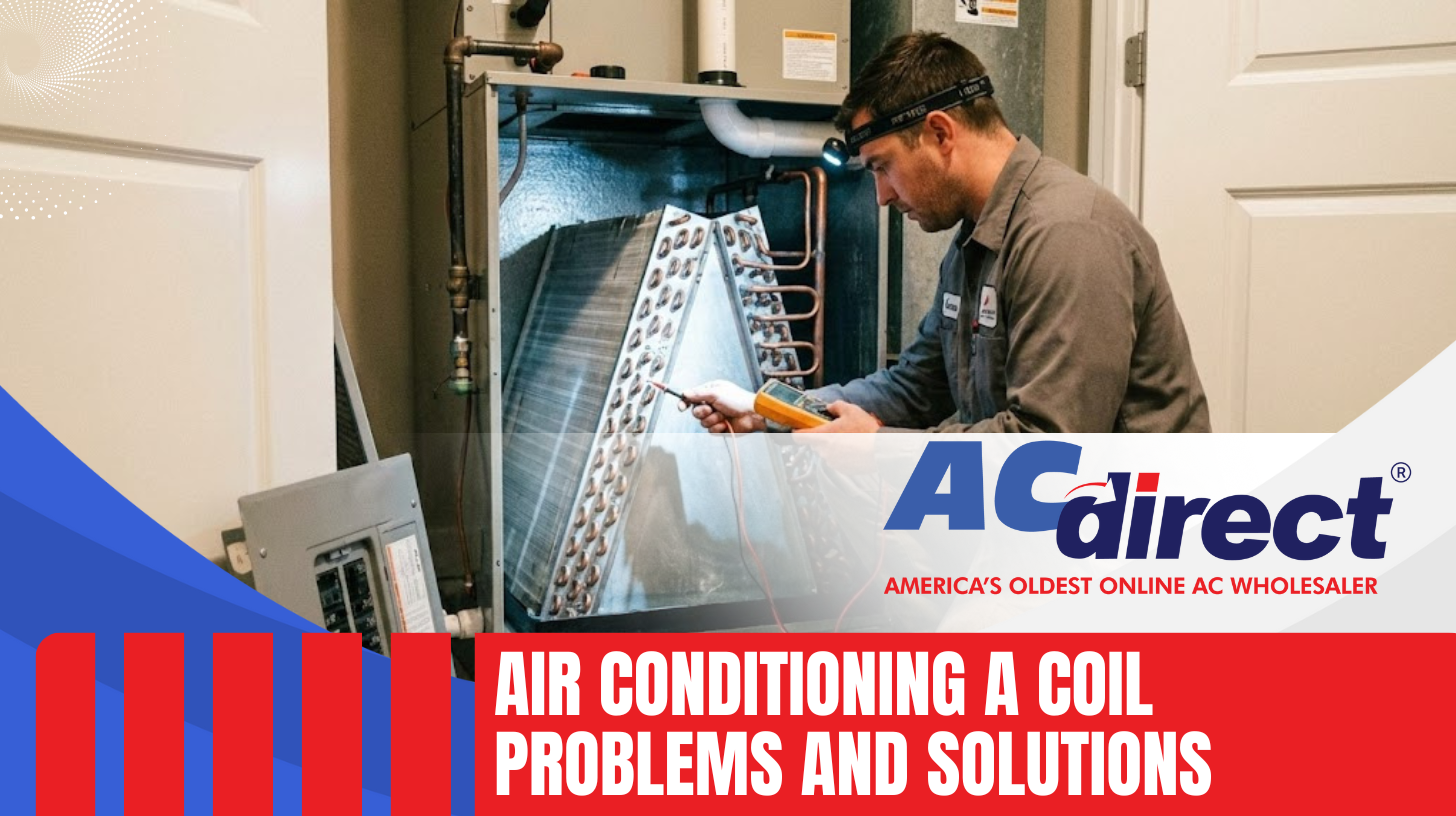
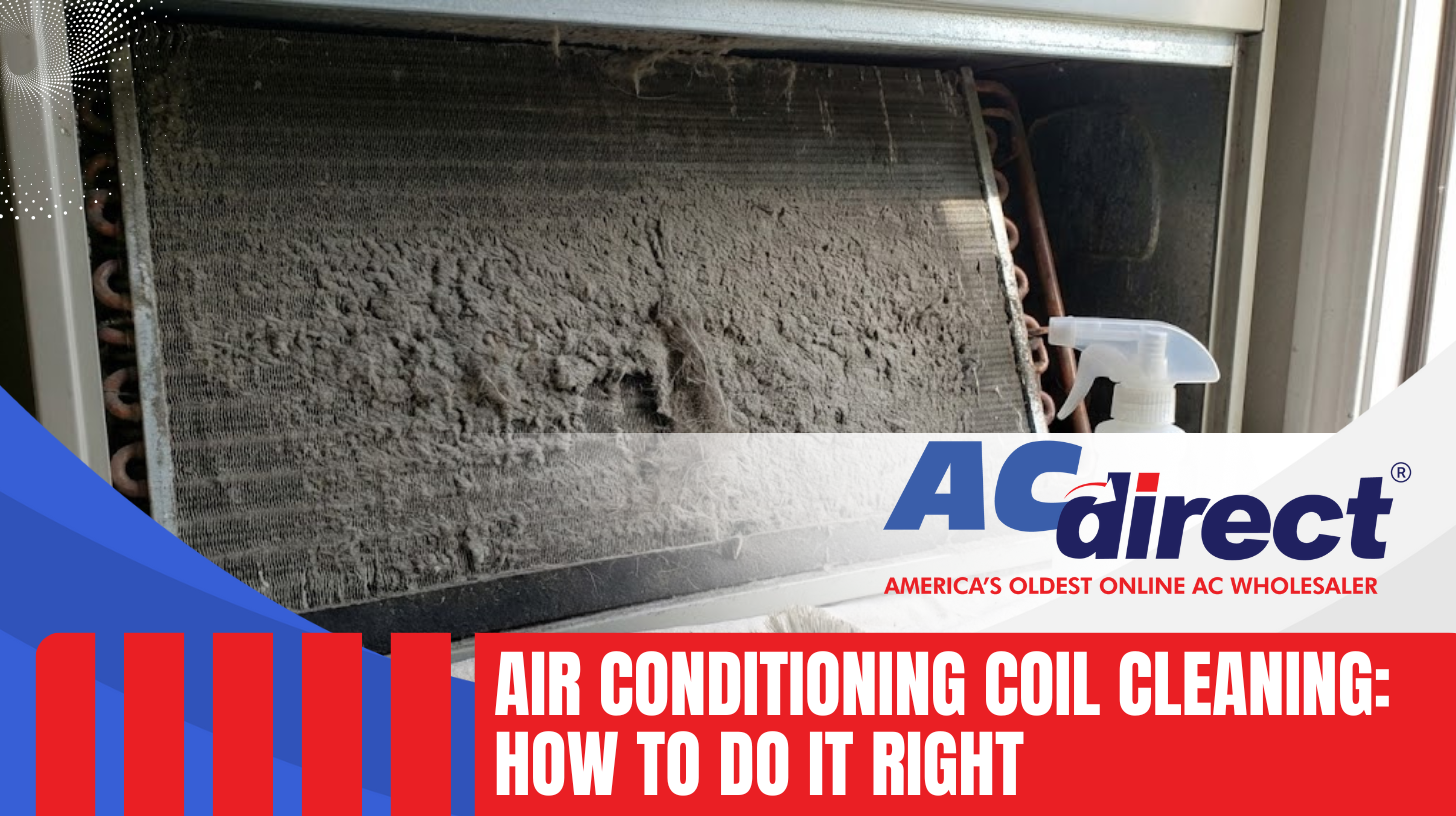
Additionally, your AC coils may harbor invisible dirt and moisture, creating an ideal environment for mold and mildew, which release that distinctive musty scent when your unit is running.
Beyond filters and coils, your ducts might be harboring mold or mildew, posing health risks like headaches and respiratory issues. The musty smell can be a warning sign of hidden growth in your ductwork. Similarly, a full drain pan, if not addressed, can lead to mold and bacteria proliferation, contributing further to the musty odors in your home.
Other Common Culprits are Frozen Coils and Clogged Drains
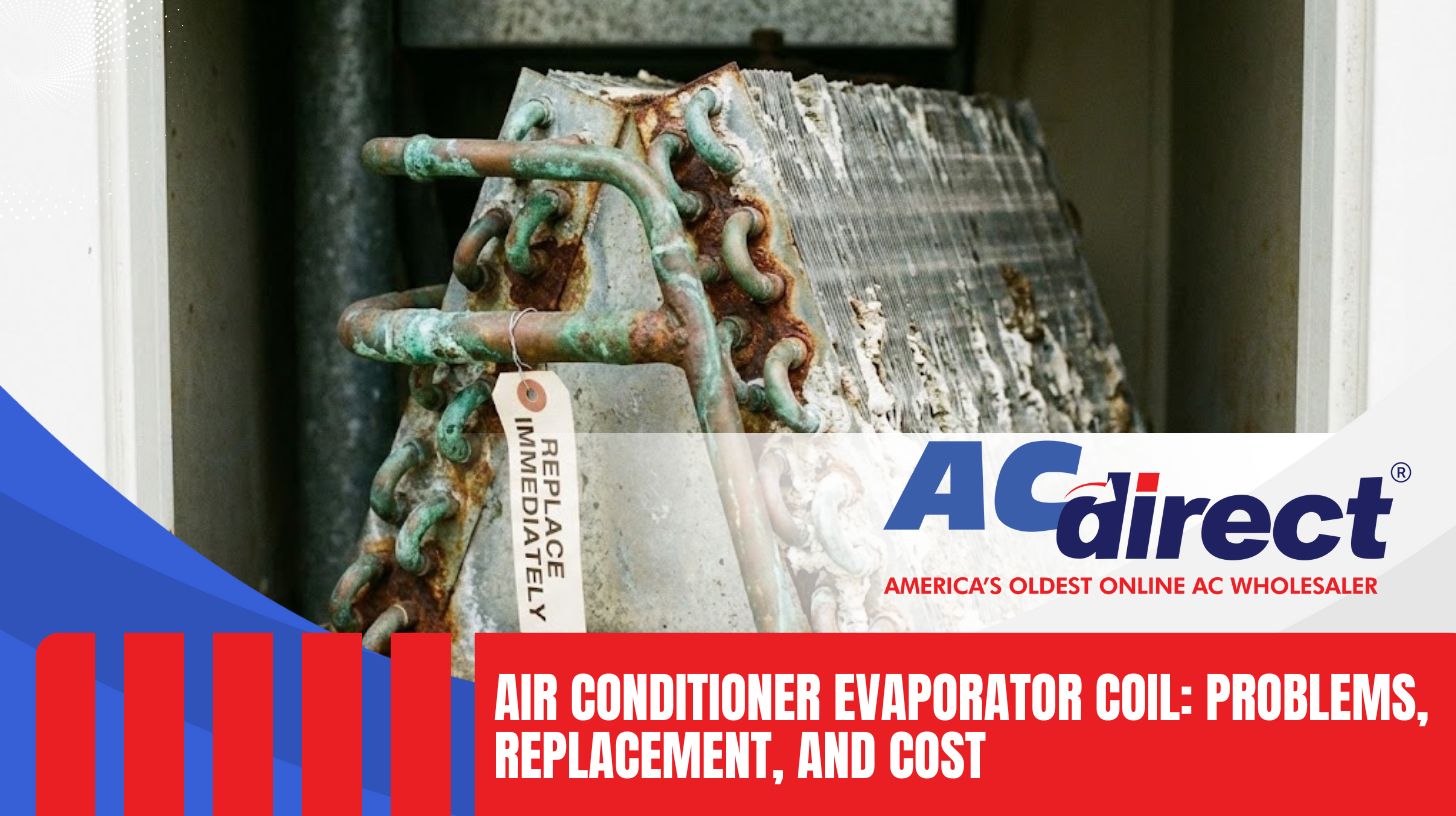
Frozen evaporator coils and clogged AC drain lines are also common culprits. When coils freeze, they create excess moisture and a subsequent musty smell. A clogged drain line leads to standing water and potential water damage.
Handling these issues might seem straightforward, but it's often best to consult with professionals, particularly those certified by North American Technician Excellence (NATE), to ensure your A.C. system is in expert hands.
When dealing with the unpleasant issue of musty smells emanating from your air conditioning (AC) unit, it's crucial to consider various factors that might be contributing to this problem. As someone who's been in the business for a long time, I've seen my fair share of AC issues, and I can tell you that musty odors are a common complaint. Let's dive into some of the other factors that might be influencing these musty AC smells.
Size of Your A.C. Unit
One of the most common mistakes homeowners make is installing an AC unit that's not properly sized for their space. An undersized unit will struggle continuously to cool the area, running longer and working harder. This not only leads to increased wear and tear but also poor humidity control.
Excess humidity in the air can lead to that musty, damp smell as it encourages the growth of mold and mildew, particularly in hidden areas within your AC system. On the flip side, an oversized unit cools the space quickly but doesn't run long enough to dehumidify the air effectively, leaving you with a different but related set of moisture issues.
If you just bought your house, shouldn't your inspector have noticed this improper sizing?
Whether an improperly sized AC unit would be discovered during a home inspection depends on several factors, including the thoroughness of the inspection and the specific expertise of the inspector.
Home inspectors typically check the physical size and model of the unit, compare the unit's rated capacity in tons or British thermal units (BTUs) with industry standards, examine the ductwork for size and leaks, and look for evidence of inconsistent cooling or humidity control. These signs might suggest issues with the size of the A.C. unit.
However, home inspections have their limitations. Inspectors don't perform a Manual J calculation, which is a detailed assessment needed to determine the optimal AC unit size. They may also lack specialized equipment to measure airflow or temperature throughout the house, and their focus might be on more visible or critical problems rather than the nuances of AC sizing.
While a good inspector might raise concerns based on their observations, they won't be able to definitively conclude whether the AC unit is properly sized. This requires a separate consultation with an HVAC professional who can perform a more thorough assessment.
What You Can Do
- Ask the home inspector if they noticed any signs that suggest potential sizing issues during their inspection.
- If concerns are raised, discuss the next steps.
- If you're concerned about your AC unit's size after purchasing a home, consider scheduling a separate consultation with an HVAC professional who can perform a detailed evaluation.
Cleanliness of Your Home
The general cleanliness of your home can significantly impact your AC system's smell and performance. Dust, pet dander, and other airborne particles enter into your AC system, clogging filters and coating the evaporator coils.
This debris not only reduces your AC's efficiency but also provides a fertile ground for mold and mildew when combined with moisture. Regular cleaning and vacuuming can help reduce these particles in your home and, consequently, in your AC system.
On a side note, when I’m talking about coils, there are two sets of coils in an air conditioning system.
Evaporator Coils: These are located inside the house, typically within the air handler unit or furnace cabinet. They absorb heat from the indoor air, causing it to cool down.
Condenser Coils: These are located outside the house, within the outdoor unit. They release the absorbed heat from the refrigerant into the outside air.
While some AC components are outside (condensing unit), the coils responsible for directly affecting the air you breathe in your home (evaporator coils) are inside.
While regular vacuuming certainly helps, it's unlikely to directly prevent dust bunnies from clogging the evaporator coils. However, vacuuming floors, furniture, and areas around vents can help prevent dust buildup in the intake vent, leading to better airflow and potentially reducing the risk of dust entering the evaporator coils and affecting performance.
Essentially, overall home cleanliness can indirectly affect your AC in a few ways:
- Reduced Dust Load: Vacuuming keeps dust levels in the air lower overall, which means less dust gets pulled into the AC system through its intake vents. This can help extend the lifespan of your air filters and potentially reduce the frequency of professional cleaning needed for the internal components.
- Improved Air Quality: Lower dust levels in your home generally improve your indoor air quality, benefiting your health and comfort.
- Preventing Blockages: While vacuuming won't directly reach the filters and coils, it can help prevent dust bunnies from forming in air vents around your home, leading to better airflow and potentially improved AC efficiency.
So, while not a direct solution to clogging, keeping your home clean can benefit your AC indirectly and contribute to a healthy indoor environment.
As for outside units, they are exposed to the elements and can collect dust, leaves, debris, and even pests. This can hinder their airflow and performance, but wouldn't directly contribute to dust bunnies forming inside the unit. Regular maintenance and cleaning of the outdoor unit is crucial for optimal performance and longevity.
If you're concerned about dust bunnies and your AC, focus on replacing your air filters regularly and consider professional cleaning of the internal components. Additionally, keeping your home clean and ensuring proper ventilation will create a healthier environment and indirectly benefit your AC's performance.
Dirty Home = Clogged AC + Poor Ventilation = Musty Air
Prevent the Musty Maze
- Dust Busters: Regular vacuuming of floors, furniture, and vents stops dust bunnies from clogging your AC filters and coils.
- Filter Frenzy: Replace air filters every 1-3 months to keep airflow strong and mold at bay (change more often with pets or heavy use).
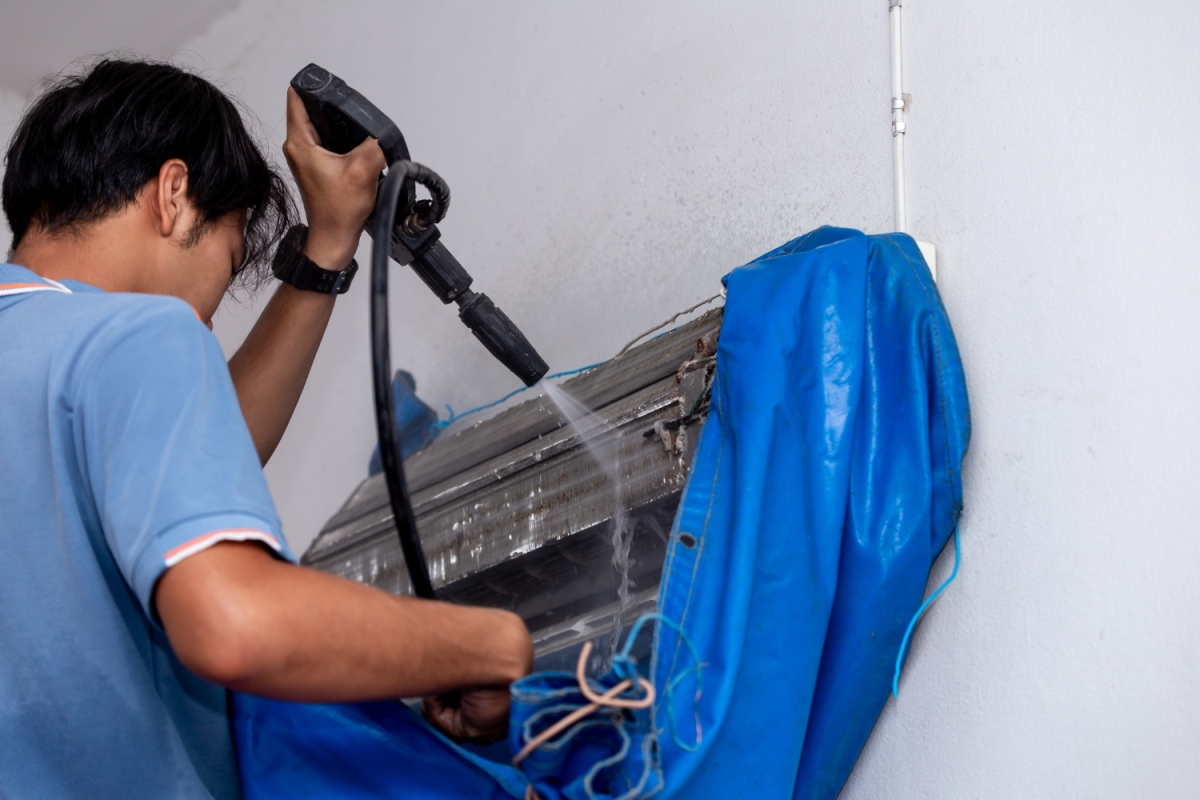
- Coil Cleansing: Schedule professional AC cleaning every 2-3 years to remove grime and prevent mold on evaporator coils.
- Attention to Ducts: Consider professional duct cleaning every 5-7 years for better airflow and a healthier home, especially with pets, allergies, or frequent dust issues.
- Moisture Matters: Ensure proper ventilation in bathrooms and kitchens to prevent moisture build-up in your home and AC system. Open windows, run exhaust fans, and use dehumidifiers if needed.
Remember: Proactive cleaning keeps your AC running smoothly, prevents musty smells, and boosts indoor air quality for everyone's happy and healthy breathing!
Unit Location
The location of your AC unit plays a significant role in its performance and the potential for musty smells. Outdoor units placed in areas with lots of foliage or debris are more likely to draw in dirt and leaves, which can clog the system and trap moisture. Similarly, indoor units in basements or other damp areas can be more prone to developing musty odors due to the higher ambient humidity levels.
Condensate Line and Drain Pan Issues
Your AC unit works not only to cool your home but also to dehumidify it. It does this by pulling moisture from the air and draining it away through the condensate line and drain pan. Over time, these components can become clogged with algae, mold, or debris. If the water can't drain properly, it becomes stagnant, leading to a musty smell. Regular maintenance, including cleaning these components, is vital in preventing these issues.
Aging Components
Like all mechanical systems, the components of your A.C. unit wear out over time. Seals can weaken, and cracks can form, allowing moisture to accumulate in areas it shouldn't. Old filters that aren't regularly replaced can harbor mold and mildew, which then gets circulated through your system.
It's important to have your unit regularly inspected by a professional who can identify and replace aging components before they lead to bigger problems.
Outside Influences
Sometimes, the problem isn't with the AC unit itself but with external factors. For instance, if there's construction nearby, increased dust and debris in the air can clog your system more quickly. Similarly, if there's been recent flooding or water damage in your home, increased humidity can lead to musty smells until the issue is fully resolved.
Dealing with a musty A.C. can certainly be frustrating, but understanding these influencing factors can help you identify and address the problem more effectively. Regular maintenance, proper AC sizing, and attention to your home's cleanliness and the unit's location can go a long way in preventing these odors. And remember, if you're ever in doubt, it's always a good idea to call in a professional to take a look.
NATE-Certified Technicians
When facing these issues, it's best to rely on the expertise of a seasoned HVAC technician. Without a solid understanding of an A.C.'s components, DIY attempts can lead to costlier problems or damage. NATE-certified technicians are equipped with the right tools and training to diagnose and solve any musty issues, ensuring your home's air remains clean and healthy.
For those considering new systems, exploring options like ductless mini-splits or gas furnaces can provide efficient alternatives. And for those needing financial flexibility, no-credit-check financing is available to make the process smoother.
A musty scent wafting from your vents certainly dims the cozy charm of your home, and it's natural to question, "Why does my ventilation stink? Is it my AC?" The answer isn't always straightforward. The AC isn't the only potential culprit. Dust clogging filters, mold in the coils, stagnant water in drain pans, or even an improperly sized unit could all be contributing to that unwelcome odor.
Your best defense is a proactive approach of regular cleaning, timely filter replacements, professional maintenance, and ensuring proper ventilation are crucial. By preventing moisture buildup and keeping your system clean, you're actively conquering the musty maze. Breathe easy, knowing that a fresh-smelling home and healthy air are well within your grasp!
I hope this helped answer your question about the source of that unpleasant stink.