 and now, NASCAR Racing Sponsor


Why Is My AC Blowing Warm Air?
-
 By
Michael Haines
By
Michael Haines
- Apr 30, 2024

Why Is My AC Blowing Warm Air?
Have you ever wondered why your AC blows warm air when you need cool relief? This is a common headache for many, especially if you own or manage an HVAC system. When the summer sun is blazing, the last thing you want is for your AC to start misbehaving.
Imagine this - It's the peak of summer, and your place is buzzing with activity. Suddenly, your AC starts blowing warm air, making everyone uncomfortable. You're not just frustrated; you're also worried about the impact on your health and comfort if it doesn't get fixed quickly.
We'll explore everything from the basics of how your AC works to some common problems and how to fix them. You'll learn about the main parts of your AC system, like the compressor, condenser, and evaporator, and see how they should work together to keep you cool.
Whether you're facing AC troubles or want to be prepared, stick with us to get the lowdown on keeping cool, no matter the weather.
Understanding Your AC System
It's helpful to know how the system works to understand why your AC is blowing warm air. An air conditioner does more than just blow cold air; it removes warm air from inside your space and releases it outside. This cool trick happens through a pretty cool process involving a few key parts.
- Compressor - Think of the compressor as the heart of your AC system. It has a big job - pressurize the refrigerant (the fluid that helps cool your air) and get it moving through the system.
- Condenser - Next up is the condenser. This part takes the hot, pressurized refrigerant from the compressor and cools it down. It's like blowing on a spoonful of hot soup to cool it off. The refrigerant loses heat to the outside air, thanks to the condenser.
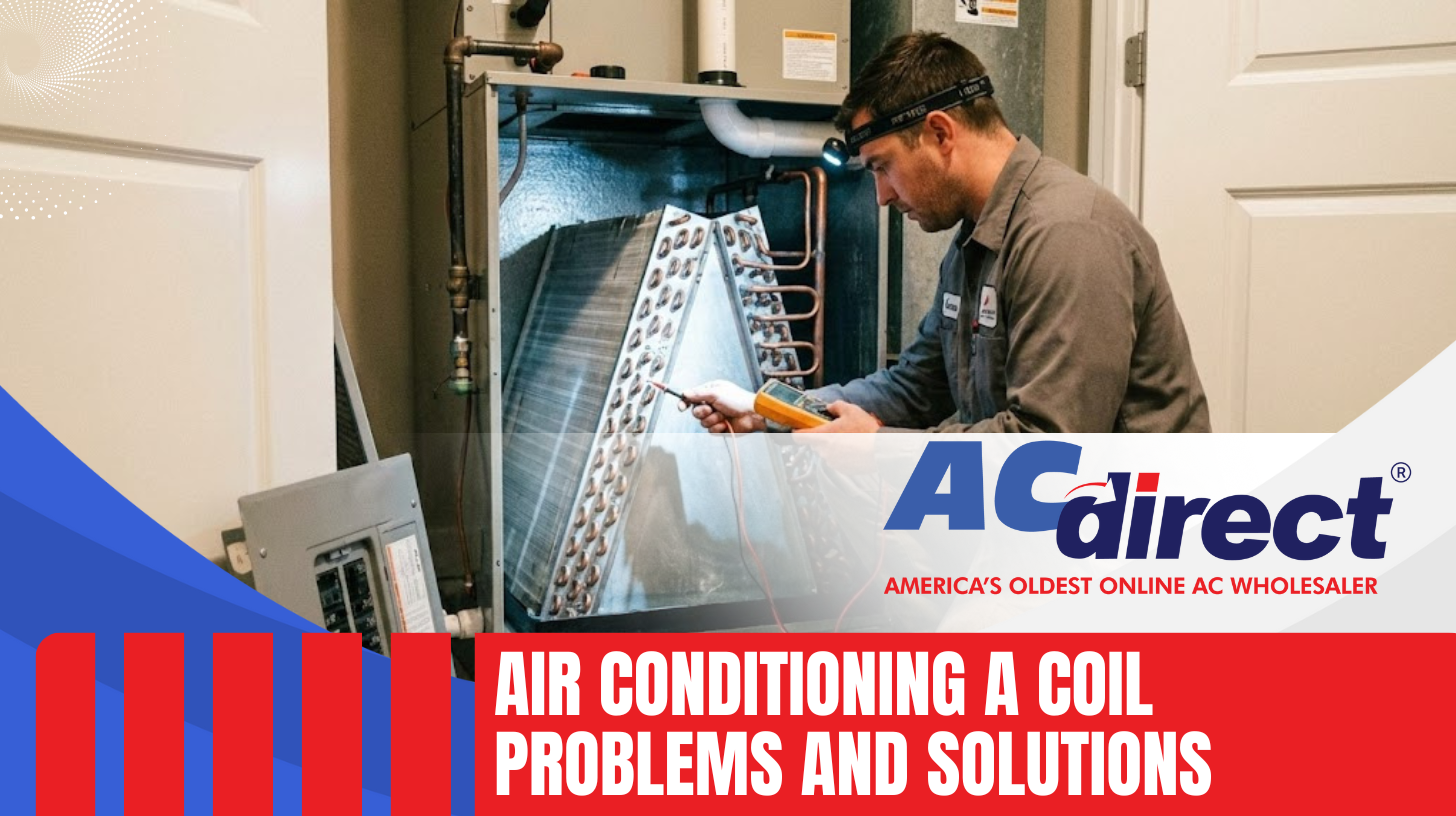
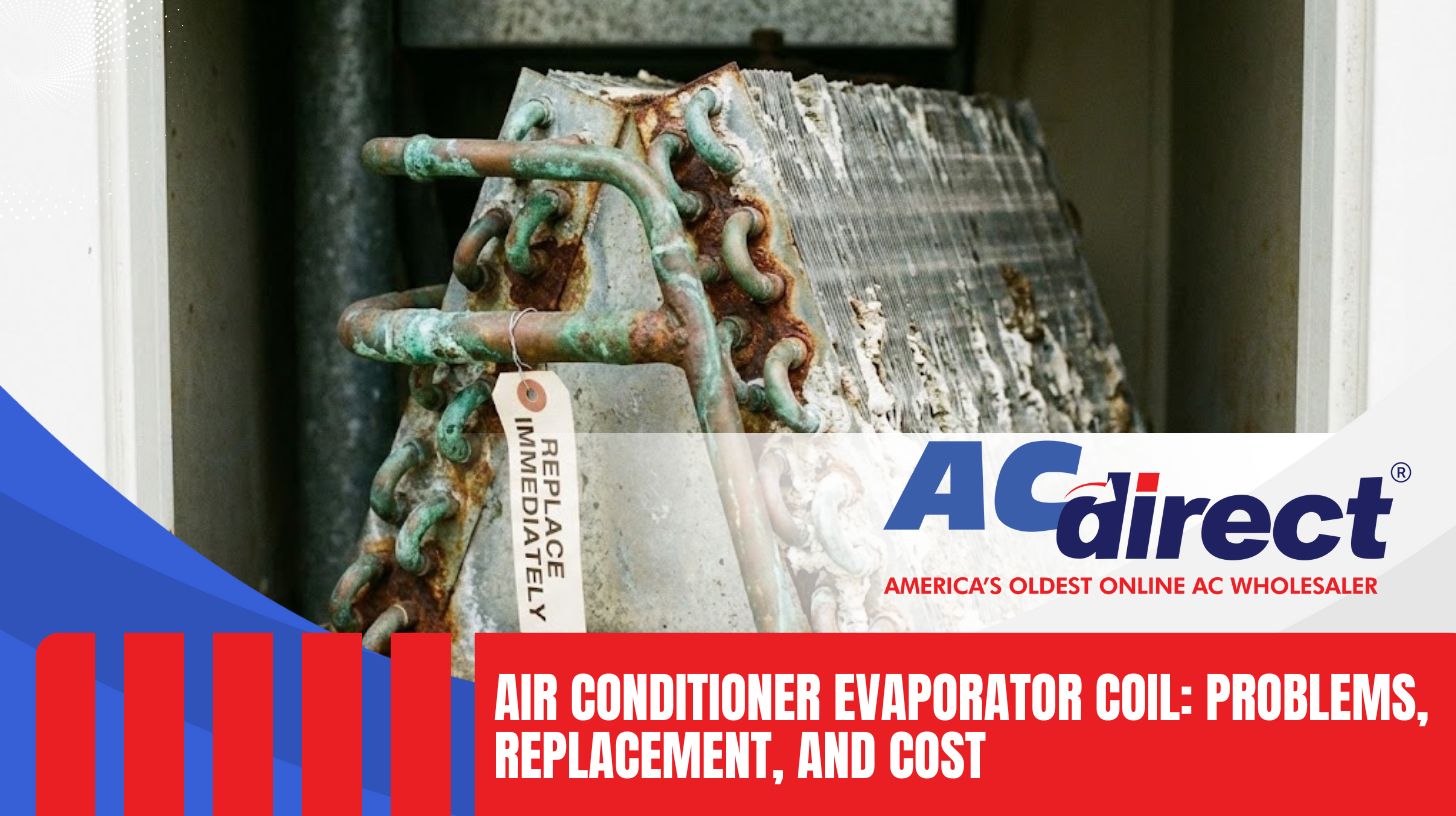
- Evaporator - The refrigerant makes its way to the evaporator inside your building. Here, it's allowed to expand and cool down even more. As air from your room blows over the cold coils of the evaporator, the air cools down and is sent back into the room.
How does all this make your room cooler? It's all about the journey of the refrigerant. It starts as a warm vapor in the compressor gets pressurized and moves to the condenser, where it loses heat and turns into a liquid. This liquid flows to the evaporator, expands, and cools down significantly. The cycle repeats, keeping your air cool and comfortable.
By understanding these components and how they work together, you can troubleshoot why your AC might be blowing warm air. Each part has to do its job right, and if one goes on the fritz, it can throw the whole system off.
Common Causes of AC Blowing Warm Air
Let’s look at some of the most common reasons why your AC might not work right and what signs you can look out for.
Insufficient Refrigerant
Your AC uses a special fluid called refrigerant to help cool your home. Think of it as the lifeblood of your AC system. When there isn’t enough refrigerant, your AC can’t cool the air properly, so it might start blowing warm air.
Signs of Refrigerant Leaks:
- Hissing sounds: If you hear a hissing noise from your AC, it could be the sound of refrigerant escaping.
- Ice on the coils: Ice building up outside your AC, especially around the pipes, can indicate insufficient refrigerant.
- Higher energy bills: If your AC is working harder to cool your home because it doesn’t have enough refrigerant, you might notice your energy bills going up.

Faulty Compressor
The compressor is like the heart of your AC system—it pumps the refrigerant through the system to help cool your home. If the compressor isn’t working right, the whole system can fail.
Symptoms of Compressor Failure:
- Warm air output: The most obvious sign is when your AC blows warm instead of cool air.
- Strange noises: If you hear rattling or banging sounds from your AC, it might mean the compressor is having trouble.
- AC shuts off: If your AC turns off on its own or refuses to start, the compressor might be to blame.
Dirty Condenser Coils
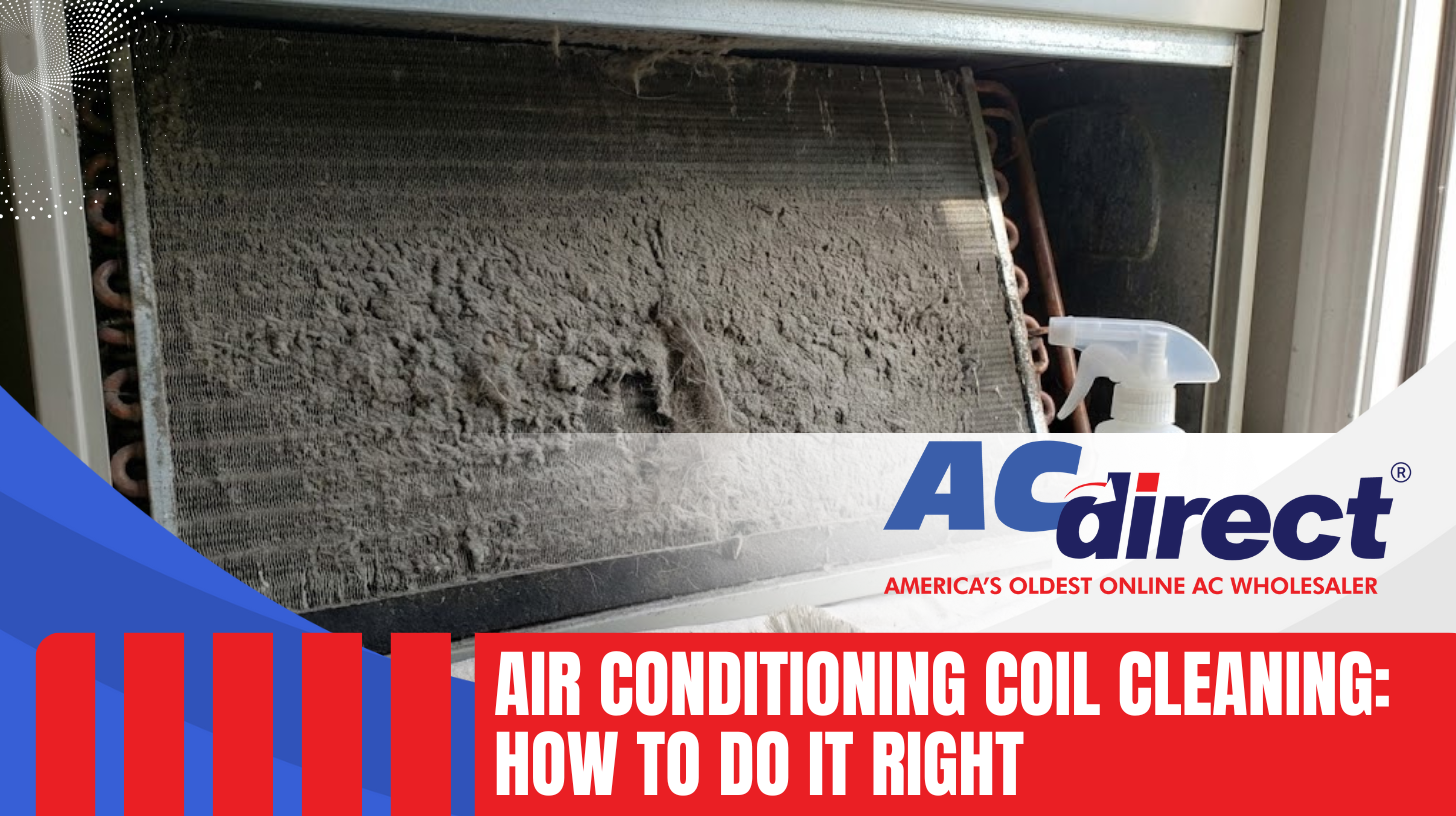
The condenser coils are part of your AC, where the heat gets removed from the refrigerant. When these coils are dirty, they can’t get rid of heat as well, which makes your AC less efficient and could lead to warm air blowing out.
Impact of Dirt and Debris:
- Reduced cooling efficiency: Dirt acts like an insulator, keeping the heat in instead of letting it out, which means your rooms won’t cool down as much.
- Overheating: Your AC might overheat if the coils are too dirty, which can shut down the system.
Maintenance Tips:
- Regular cleaning: Make sure to clean around your AC unit, removing leaves, dirt, and debris that can block airflow.
- Professional checks: Have a professional check your AC at least once a year to ensure everything is clean and working properly.
Thermostat Issues
The thermostat is the control center for your AC. If it’s not set right, your AC might not be cooling your space effectively.
How Incorrect Settings Can Lead to Problems:
- Wrong temperature setting: If your thermostat is too high, your AC won’t kick on to cool your home.
- Mode settings: Make sure your thermostat is set to "cool" and not "heat" or "fan," which can also cause warm air to blow.
Checking and Setting the Thermostat Properly:
- Check the settings: Regularly ensure your thermostat settings haven’t been changed accidentally.
- Battery replacement: Sometimes, replacing the batteries can help if your thermostat isn’t working right.
- Professional help: If you’ve checked everything and it still doesn’t seem right, it might be time to call a professional to look at your thermostat.
Understanding these common issues can help you identify why your AC is blowing warm air. Regular maintenance and awareness of the signs of trouble can prevent problems before they become serious, keeping your AC running smoothly and your home comfortably cool.

DIY Troubleshooting Tips
Here are some simple things you can check before calling the experts.
Check the Thermostat
First things first, make sure your thermostat is set correctly. It might sound simple, but it's often overlooked. Here’s what you do:
- Check the setting: Your thermostat should be set to "cool," not "heat" or "off."
- Check the temperature: Ensure the setting is lower than the current room temperature. This tells your AC to start cooling.
Inspect the Air Filter
Next, let’s look at the air filter. A dirty filter can block airflow and keep your home from cooling down. Here’s how to check it:
- Find your filter: It’s usually in a slot along the return duct or inside the air handler.
- Examine the filter: Pull it out and hold it to the light. If you can’t see the light coming through it, it’s time to clean or replace it.
- Replace if needed: Filters should be changed every few months, especially during high-use seasons like summer and winter.
Clean Around Outdoor Unit
The outdoor unit of your AC needs space to breathe. It won't work efficiently if it’s clogged with leaves, dirt, or other debris. Here’s how to clean it:
- Turn off the power: Always turn off the power to the unit before cleaning.
- Remove debris: Clear leaves, twigs, or grass blocking the unit's sides.
- Keep it clear: Ensure at least 2 feet of space around the unit for good airflow.

When to Call a Professional
There are times when a DIY fix just won’t cut it. Here’s how to know when it’s time to call in a professional:
Problems That Need a Pro
Some air conditioner problems could be more straightforward for most of us to fix. You should call a professional if:
- The AC is making strange noises: Like banging, hissing, or whistling.
- There’s a bad smell: Like something burning or a musty smell, when the AC is on.
- The AC cycles on and off too quickly: Known as short cycling, it can be a sign of a bigger issue.
Benefits of Regular Professional Maintenance
Having a pro check your AC can save you money and stress in the long run. Here are some benefits:
- Prevents bigger problems: Regular checks can catch issues before they become expensive repairs.
- Keeps your AC efficient: This means lower energy bills for you.
- Extends the life of your AC: Regular upkeep can help your AC last longer.
Choosing the Right HVAC Service Provider
Finding a good HVAC pro is important. Here’s how to pick the right one:
- Look for good reviews: Check online reviews or ask friends and family for recommendations.
- Check qualifications: Make sure they are licensed and insured.
- Ask about experience: It’s best to choose a company with a lot of experience with your type of AC system.
Remember, keeping your AC in top shape means you’ll stay calm when you need it most. And when you can’t fix an issue yourself, knowing when and who to call for help can make all the difference!

Future-Proofing Your HVAC System
Investing in a modern and efficient HVAC system isn't just about staying cool or warm; it's about being smart with your money and preparing for the future. Modern systems are built to use less energy and cost less to run daily. This can save you a lot of money over time.
Here are some of the coolest new features in HVAC technology that might help you
- Smart Thermostats: These gadgets adjust your AC automatically to save energy without you having to lift a finger.
- Energy-Efficient Models: Newer units use less electricity and do a better job than old ones.
- Greener Options: Some systems use environmentally friendly technology to help keep the air clean while keeping your space at the perfect temperature.
These options help keep your home comfortable and cost-effective in the long run.
We've covered why your AC might give you warm air when expecting a cool breeze. We've looked at common problems like low refrigerant, a bad compressor, or a dirty filter. We also talked about simple fixes you can try yourself and when it might be time to call in a pro.
Remember, fixing your AC problems quickly saves you from sweating and your wallet from unnecessary bills. Keep your system in check and consider updating it with new technology to ensure it's ready for anything.
Are you tired of your old AC just not cutting it anymore? Think about upgrading to a newer, smarter system today. Browse AC Direct to see how modern HVAC technology can save money and make your life smoother. Don’t wait for the next heatwave to find out your AC is outdated—upgrade today and stay cool and efficient all year.