 and now, NASCAR Racing Sponsor


Spring Heat Surprises the Northeast - Is Your AC Ready?
-
 By
Michael Haines
By
Michael Haines
- Apr 22, 2025

Spring in the Northeast brings blossoming trees, unpredictable rain, and one more thing many homeowners forget about—early heat spikes. While your furnace may still be winding down from winter, April and May often bring daytime highs in the upper 60s or even 70s. These warm days can be a wake-up call if your air conditioning system is old or neglected.
At AC Direct, I’ve seen far too many homeowners caught off guard by spring heatwaves, scrambling to repair or replace broken systems at the last minute. The reality is this: spring is one of the toughest times for older AC units. It's also one of the smartest times to act, especially with the HVAC industry shifting to A2L refrigerants like R-454B in 2025. If your system is 10 to 15 years old and running R-410A or even R-22, you could face limited availability, rising repair costs, and serious compatibility issues moving forward.
Let’s talk about why systems fail in spring, how you can prevent it, and how to future-proof your comfort with help from AC Direct.
Why Older AC Units Fail When Spring Temperatures Rise
Warm Days, Overworked Systems
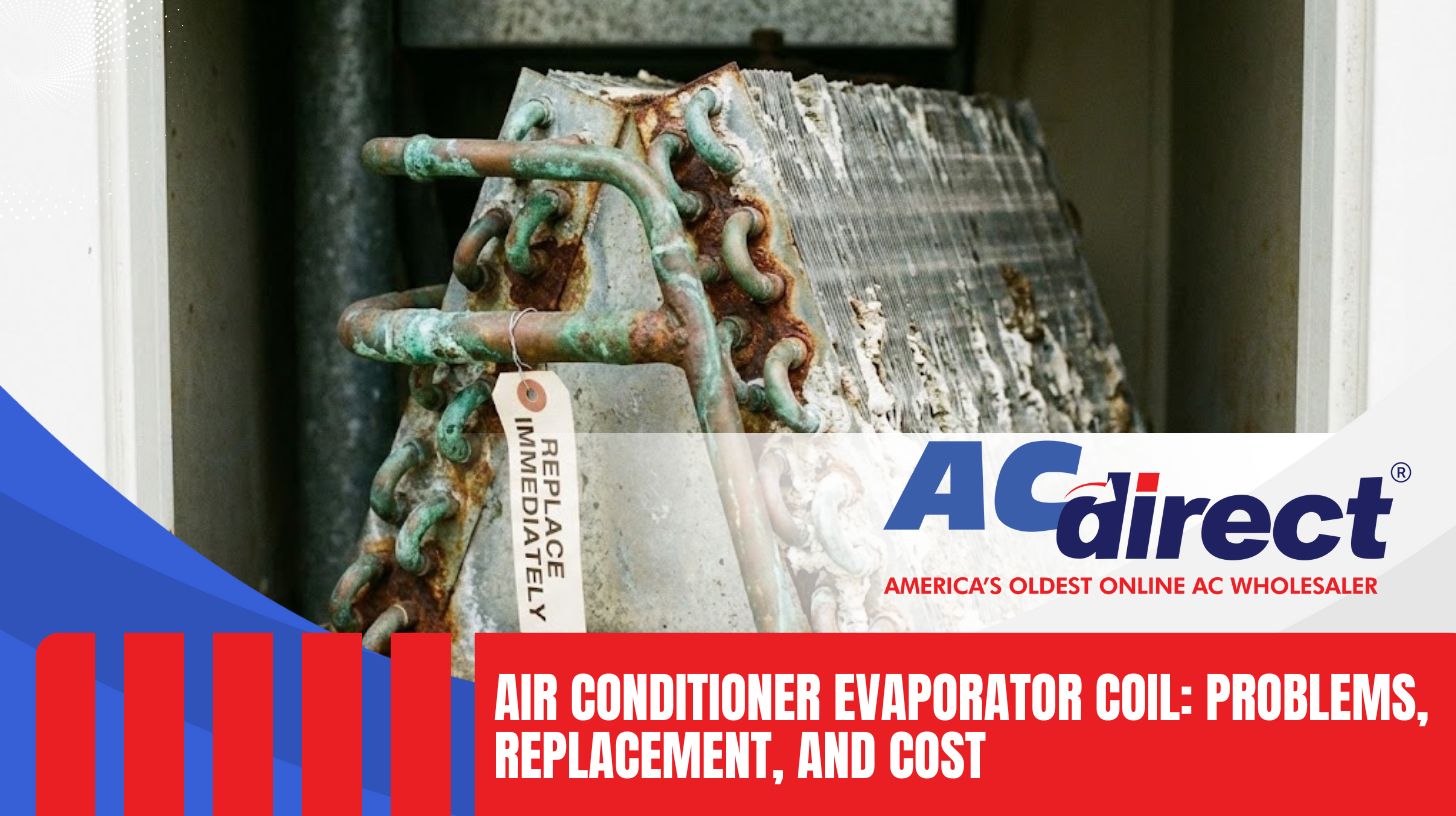
When temperatures make a sudden jump from the 50s to the low 70s, your AC unit is pushed from dormant to active with little warning. If it hasn’t been maintained or if it’s showing signs of age, this can result in system failure during the first few warm days of the year. In older units, refrigerant levels may be off, coils may be dirty, or electrical components may have degraded during winter. The result is often a frozen coil, a seized compressor, or a fan motor that just won’t start.
Spring may feel mild, but for older AC systems, it can be the start of a long summer filled with inefficiency and costly service calls.
R-22 and R-410A: Refrigerants of the Past
Many older air conditioners still use R-410A, and some even use R-22, which is no longer produced. As of 2025, the industry is shifting toward R-454B, a next-generation refrigerant with a significantly lower global warming potential. That means R-410A systems are officially on the path to obsolescence, and costs for repairs, including refrigerant refills, are rising fast.
If your system requires one of these outdated refrigerants and breaks down this spring, sourcing parts or compatible components could be difficult and expensive. Even if a repair is technically possible, you could end up spending hundreds or thousands to patch a system that will be obsolete within a year.
What Is R-454B and Why Does It Matter?
A New Refrigerant for a Changing Industry
R-454B is one of the newest A2L-class refrigerants approved by the EPA for use in residential HVAC systems. It has a global warming potential of only 466, which is less than half that of R-410A. Starting in 2025, all newly manufactured systems must comply with these updated environmental standards. This shift is part of the American Innovation and Manufacturing (AIM) Act, which is reshaping how manufacturers design air conditioning and heat pump systems.
Safety, Training, and Compatibility
R-454B is classified as mildly flammable. While perfectly safe for residential use, it requires specific components and handling procedures. That’s why newer HVAC systems include design updates like leak detection technology and sealed electrical compartments. Certified technicians are now being trained to install and service these systems using new tools and safety standards.
At AC Direct, we carry R-454 B-compatible systems from top brands like Goodman, Rheem, Carrier, and Mitsubishi, all available at wholesale pricing. These units are engineered to meet 2025 code requirements and offer higher efficiency ratings than ever before.
The Cost of Waiting Too Long
Inventory Challenges
As manufacturers pivot to A2L systems, R-410A models are being discontinued. Inventory is limited, and pricing is climbing. If your system fails this spring and you want to keep using R-410A equipment, your choices may be slim, and your price tag may be higher. By planning ahead and choosing an R-454B system now, you lock in better pricing and guarantee access to the newest technology.
Price Spikes and Emergency Repairs
Emergency repair calls during spring heatwaves can cost between $500 and $2,000, depending on the issue. Compressor failures and refrigerant leaks are particularly expensive. And if your system runs on a refrigerant that’s no longer widely available, you’ll face added costs. A full system replacement often makes more financial sense than continued repairs.
Buying early in the season means you have time to compare products, find available rebates, and schedule installation before contractors are fully booked.
Upgrade to R-454B Now and Get More Than Just Peace of Mind
Energy Efficiency Gains
Newer systems using R-454B boast SEER2 ratings of 15 to 20+, significantly higher than the 10-13 SEER rating typical of older R-410A or R-22 units. That increase translates directly into lower utility bills and more consistent performance, especially during spring’s unpredictable temperature swings.
AC Direct carries a wide range of efficient central air conditioning units and mini split heat pumps that meet these standards and deliver flexible comfort across the seasons.
Qualify for Government Rebates
Homeowners upgrading to qualifying systems may receive a federal tax credit of up to $2,000 under the Inflation Reduction Act. For income-qualified customers, the High-Efficiency Electric Home Rebate Program can offer rebates up to $8,000. Depending on where you live, your local utility may also provide additional incentives for installing high-efficiency systems.
AC Direct’s support team helps customers explore and apply these rebates to get the maximum value out of your upgrade.
Maintenance - The Unsung Hero of System Longevity
Why Spring Tune-Ups Are Crucial
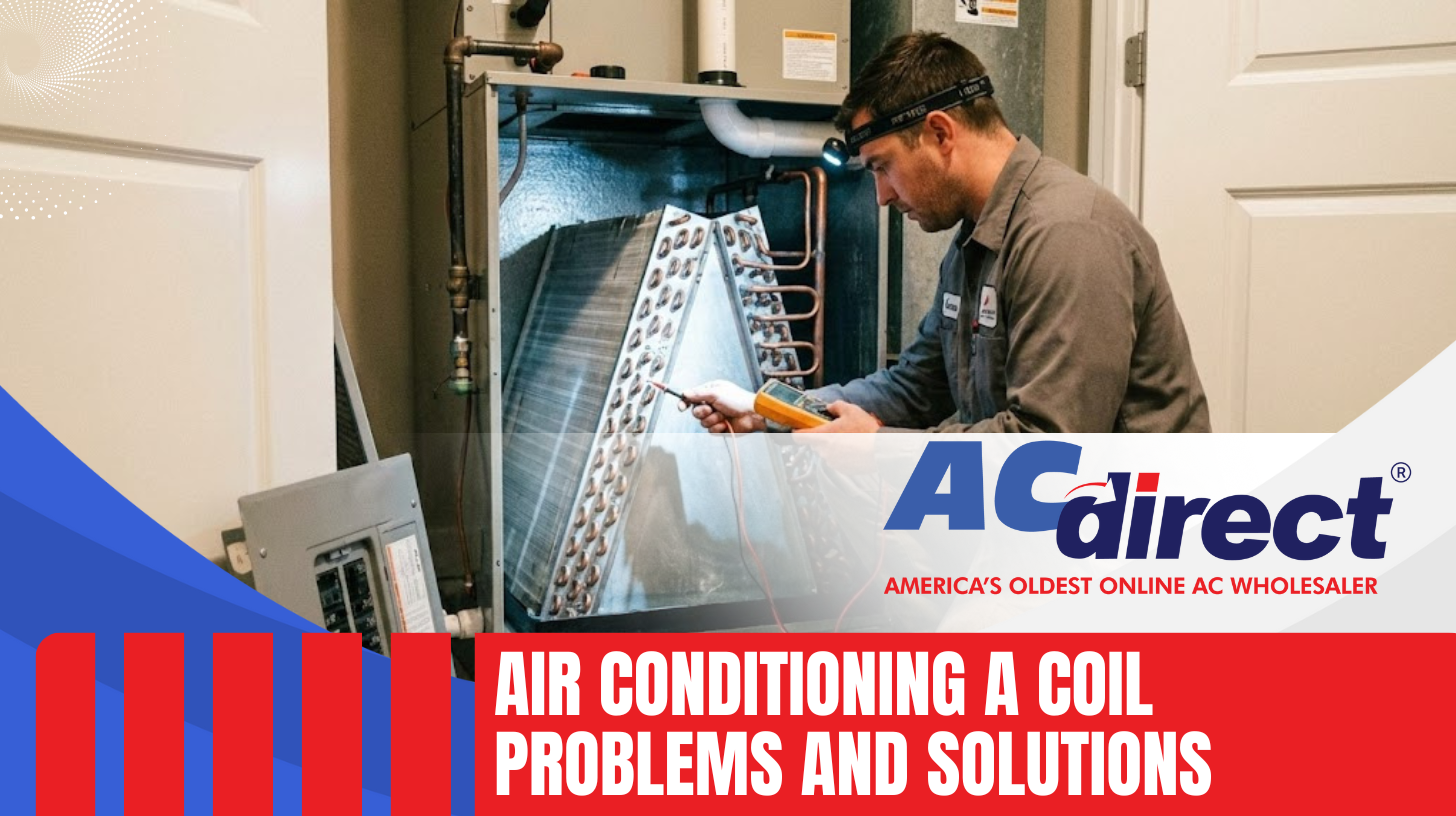
Every HVAC system benefits from pre-season maintenance. Spring is the ideal time to check your AC before warm weather really sets in. During the first few uses of the season, your system is likely to be under the most strain—dust buildup, electrical issues, and refrigerant imbalance are all common spring culprits.
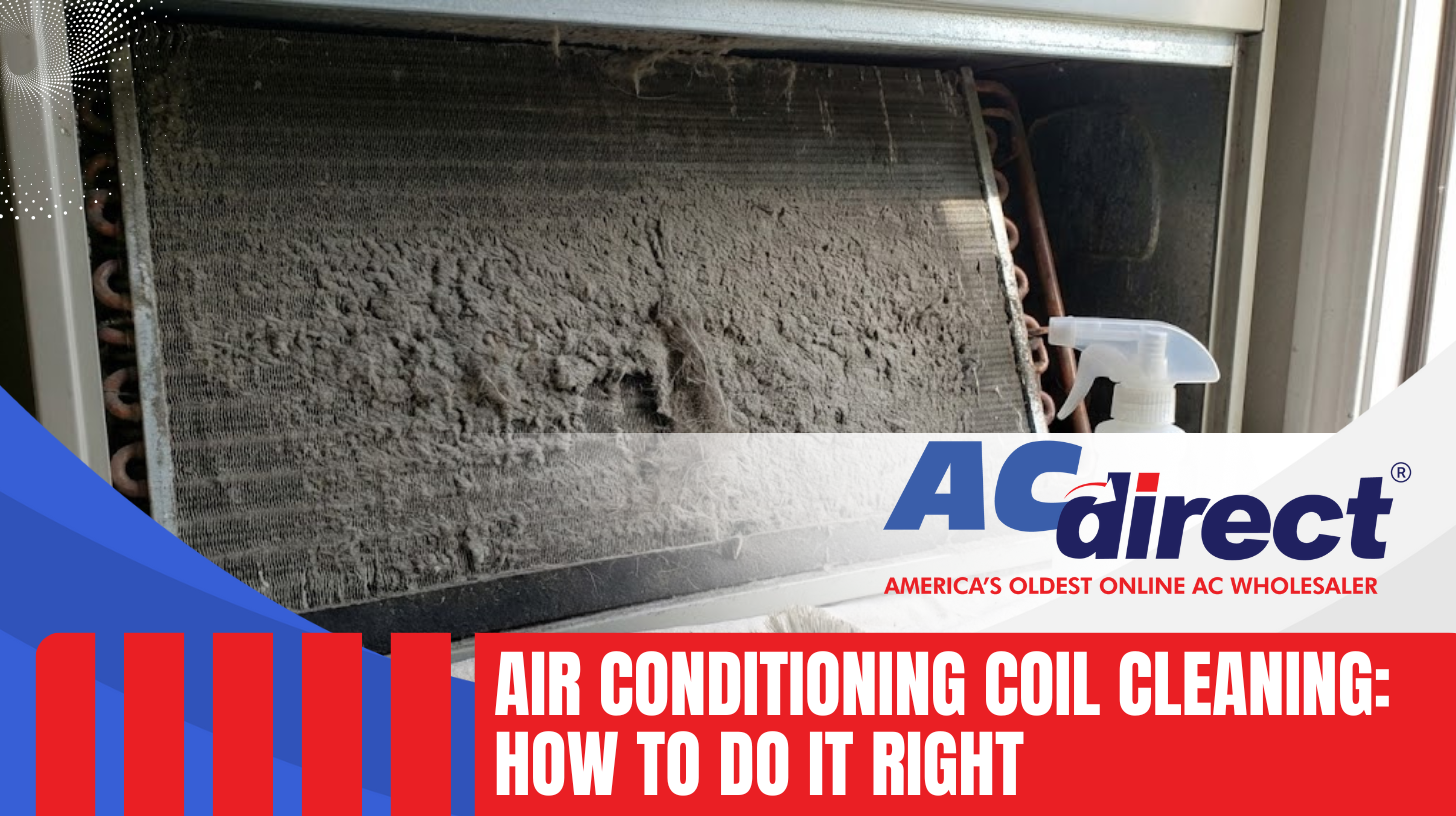
Simple actions like cleaning coils, checking capacitor performance, and testing thermostat response can prevent major failures when temperatures rise. AC Direct’s network of trusted contractors can assist with maintenance services, ensuring that even older systems have the best chance of performing well this season.
What You Can Do at Home
While we always recommend professional service, homeowners can do their part with a few basic tasks: change the air filter every 1-3 months, keep the area around the outdoor unit clear of debris, and make sure the thermostat is functioning properly. You can also upgrade to a smart thermostat to improve efficiency and set cooling schedules that match your family’s lifestyle.
Choosing the Right R-454B System for Your Home
Every home is different. A 3-bedroom colonial in Connecticut doesn’t have the same cooling needs as a ranch-style home in southern Pennsylvania. But regardless of your layout, AC Direct makes it simple to find the right system.
Use our AC sizing calculator to estimate your tonnage needs. If your current system is a 3.5-ton AC unit with gas furnace, for instance, we can match you with modern R-454B alternatives with better performance and higher efficiency.
You’ll want to look for systems with high SEER2 ratings, ENERGY STAR certification, variable-speed compressors, and compatibility with modern thermostats. Models like the Goodman GSXH5 and Daikin R-454B systems offer cutting-edge performance at a sensible price point.
Real Stories, Real Results
The Thompson family in New Jersey faced a total system failure on a 70-degree spring day. They replaced their 15-year-old AC with a Goodman R-454B system from AC Direct and cut their cooling bills by 35%. The system qualified for a $2,000 tax credit and was installed within days.
In Pennsylvania, the Patel family scheduled maintenance through an AC Direct partner. The contractor found a failing capacitor in their 12-year-old unit, replaced it, and gave the system another year of reliable service. They’re now browsing R-454B mini split systems for a full upgrade next spring.
The Time to Act Is Now
Spring surprises come fast in the Northeast. One week, it’s rainy and cool, the next, it’s 72 degrees and humid. The last thing you want is to find out your air conditioner isn’t ready when the heat arrives.
Ordering a new R-454B system through AC Direct today means you’ll beat the seasonal rush, avoid higher costs, and get ahead of 2025 refrigerant regulations. Whether you're maintaining your current system or preparing for a full upgrade, we're here to help.