

Is a 4 Tons AC Unit Right for Your Home?
-
 By
Michael Haines
By
Michael Haines
- Feb 25, 2025

Hi, I'm Mike Haines, your AC Direct HVAC expert. I'm going to break down everything you need to know about 4-ton AC units. We'll cover whether a 4-ton unit is the right size for your home, what factors to consider, and what kind of costs you can expect. This is written for homeowners who are trying to determine what size AC they need.
- A 4-ton AC unit is generally suitable for homes ranging from 1600 to 2400 square feet, but this can vary based on climate and insulation.
- Proper AC sizing is crucial for efficiency and comfort; an incorrectly sized unit can lead to higher energy bills and poor cooling.
- The cost of a 4-ton AC unit can range from $3,000 to $7,000 plus installation, with energy-efficient models offering long-term savings.
- Regular maintenance, including filter changes and professional servicing, is essential to keep your 4-ton AC running smoothly.
- When selecting a 4-ton AC, consider features like SEER rating, smart thermostats, and zoning options for optimal performance.
4-Ton AC Unit An Overview
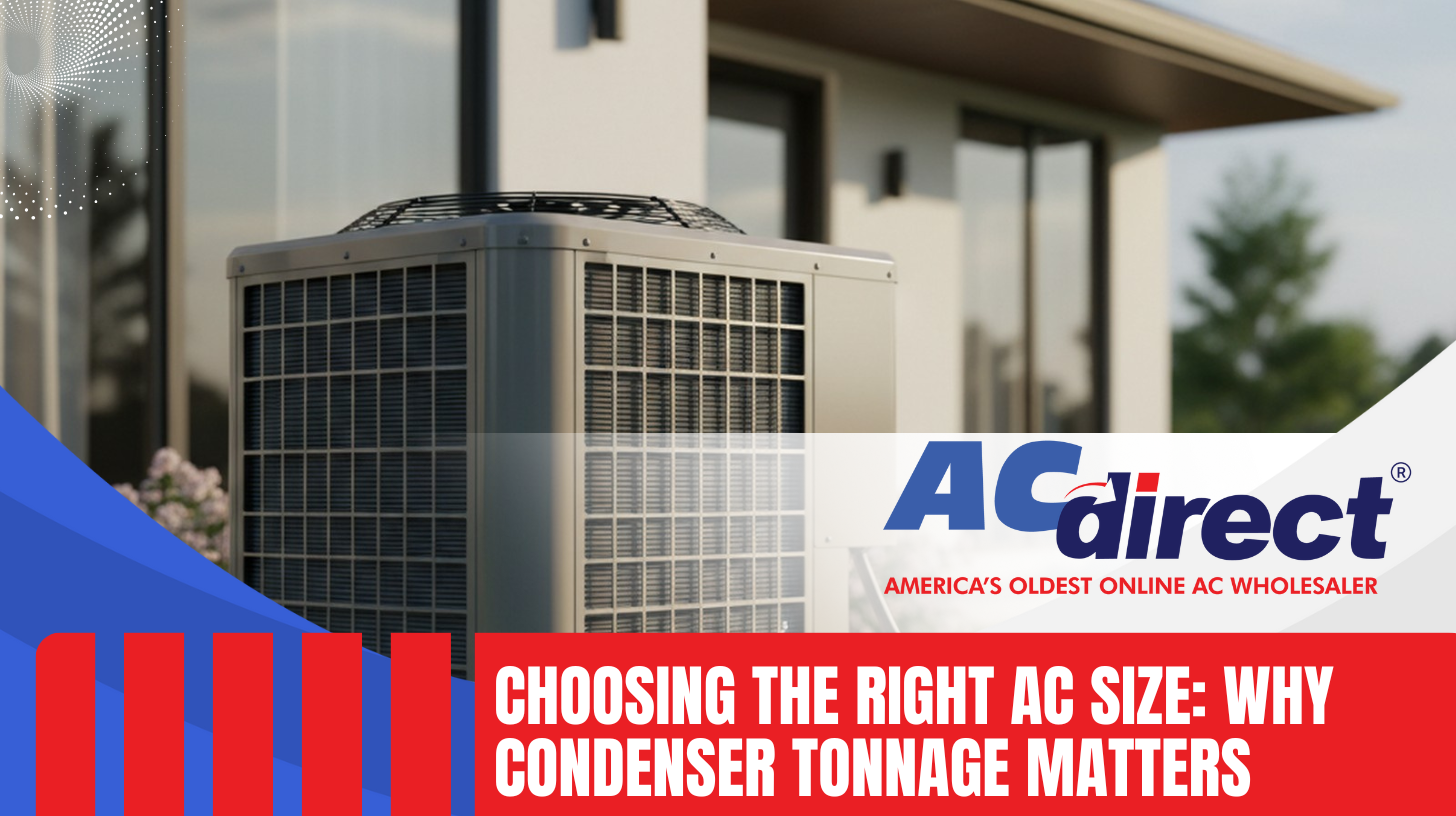
A 4-ton AC unit is a central air conditioning system with a cooling capacity of 48,000 BTUs (British Thermal Units) per hour. The "ton" designation refers to the amount of heat the unit can remove from a space in one hour. These units are commonly used in mid-sized to larger homes, but it's not just about square footage. Factors like insulation, window efficiency, and climate play significant roles in determining if a 4-ton unit is the right choice.
What Does a 4-Ton AC Unit Do?
A 4-ton AC unit's primary job is to cool your home by removing heat and humidity from the air. It works by circulating refrigerant between an indoor evaporator coil and an outdoor condenser coil. As the refrigerant evaporates, it absorbs heat from the indoor air, cooling it down. The cooled air is then distributed throughout your home via ductwork. The heat absorbed by the refrigerant is released outside through the condenser coil.
Typical Applications for a 4-Ton AC Unit
I often see 4-ton AC units installed in homes ranging from 1600 to 2400 square feet. However, this is just a general guideline. Homes in hotter climates or with poor insulation may require a 4-ton unit even if they're slightly smaller. Conversely, well-insulated homes in milder climates might not need a unit this large. These units can also be used in commercial settings for cooling small offices or retail spaces.
Why AC Size Matters for Homeowners
Getting the right AC size is one of the most important steps in the selection process. Many homeowners assume that bigger is always better, but that's simply not true. An oversized AC unit or 5 ton ac can lead to a variety of problems, while an undersized unit will struggle to keep your home comfortable.
The Problem with Oversized AC Units
An oversized AC unit cools the air too quickly, which can lead to short cycling. This means the unit turns on and off frequently, which increases energy consumption and puts unnecessary wear and tear on the components. More importantly, oversized units don't effectively remove humidity from the air. This can leave your home feeling damp and uncomfortable, even when the temperature is cool.
The Problem with Undersized AC Units
An undersized AC unit, on the other hand, will run constantly trying to keep up with the cooling demand. This also increases energy consumption and shortens the lifespan of the unit. Your home will likely have hot spots and uneven temperatures, leaving some rooms uncomfortable. An undersized unit simply won't be able to maintain a consistent temperature on hot days.
Comfort and Efficiency Considerations
The right size AC unit will maintain a consistent temperature and humidity level throughout your home, keeping you comfortable. It will also operate more efficiently, saving you money on your energy bills. A properly sized unit runs for longer cycles, which allows it to remove humidity effectively and distribute cool air evenly. Plus, a correctly sized Aircon unit will likely last longer than an incorrectly sized one.
Signs You Might Need a 4-Ton AC Unit
There are several telltale signs that your home might benefit from a 4-ton AC unit. If you're experiencing any of these issues, it's worth investigating further to see if a 4-ton unit is the right solution.
Uneven Cooling Throughout Your Home
One of the most common signs of an improperly sized AC is uneven cooling. If some rooms are always hotter or colder than others, it could indicate that your current unit isn't powerful enough to distribute cool air evenly throughout your home. This problem can be especially noticeable in homes with multiple stories or large open floor plans.
High Energy Bills
A sudden or gradual increase in your energy bills can also be a sign that your AC unit isn't operating efficiently. If your unit is constantly running or short cycling, it will consume more energy than necessary. Compare your recent energy bills to previous years to see if there's a noticeable difference.
AC Unit Constantly Running
If your AC unit seems to be running constantly, even on moderately warm days, it could be a sign that it's struggling to keep up with the cooling demand. This can be caused by an undersized unit, but it can also be due to other issues like poor insulation or air leaks. Have a professional inspect your system to determine the root cause.
Your Current AC Unit Is Old or Failing
If your current AC unit is more than 10-15 years old, it may be nearing the end of its lifespan. As units age, they become less efficient and more prone to breakdowns. If you're constantly repairing your old unit, it might be more cost-effective to replace it with a new, more efficient model. Consider upgrading to a Heat pump ac unit system for added efficiency.
How to Calculate the Right AC Size for Your Home
Determining the right AC size for your home requires more than just estimating based on square footage. A Manual J load calculation is the industry standard for accurately assessing your home's cooling needs. While you can perform a rough calculation yourself, I always recommend consulting with a qualified HVAC professional for the most accurate results. Dakota electric association provides a helpful overview of some of the factors in play.
Performing a Manual J Load Calculation
A Manual J load calculation takes into account a variety of factors, including your home's square footage, insulation levels, window efficiency, climate, and even the number of occupants. It also considers the orientation of your home and the amount of shade it receives. This comprehensive assessment provides a much more accurate estimate of your cooling needs than simply using a rule-of-thumb calculation.
Factors to Consider Beyond Square Footage
As I mentioned before, square footage is just one piece of the puzzle. Insulation plays a huge role in how well your home retains cool air. Poorly insulated homes will require larger AC units to compensate for heat gain. Window efficiency is another important factor. Single-pane windows, for example, allow much more heat to enter your home than double-pane windows. Climate also plays a significant role. Homes in hot, humid climates will generally require larger AC units than homes in milder climates.
The Importance of Professional Assessment
While you can find online calculators and formulas for estimating AC size, these are often inaccurate and can lead to oversizing or undersizing your unit. A professional HVAC technician has the experience and equipment to perform a thorough Manual J load calculation and recommend the right AC size for your specific home. They can also identify any issues that might be affecting your home's energy efficiency, such as air leaks or inadequate insulation.
4-Ton AC Unit Cost Considerations
The cost of a 4-ton AC unit can vary widely depending on several factors, including the brand, SEER rating, and features. It's important to consider both the upfront cost of the unit and the long-term operating costs when making your decision.
Initial Purchase Price
The initial purchase price of a 4-ton AC unit can range from around $3,000 to $7,000 or more. Higher-end brands and models with advanced features will typically cost more. Keep in mind that this price usually doesn't include installation costs, which can add another $1,500 to $4,000 or more to the total cost.
Installation Costs
Installation costs can vary depending on the complexity of the job. If you're replacing an existing AC unit with a similar model, the installation process is usually relatively straightforward. However, if you're upgrading to a different size unit or installing a new ductwork system, the installation costs can be significantly higher. Be sure to get quotes from several different HVAC contractors to compare prices.
Long-Term Operating Costs
The long-term operating costs of your AC unit will depend on its energy efficiency and how often you use it. A higher SEER rating indicates greater energy efficiency, which translates to lower energy bills. While higher SEER units often have a higher upfront cost, they can save you money in the long run. Regular maintenance can also help keep your operating costs down by ensuring that your unit is running efficiently.
Energy Efficiency and 4-Ton AC Units
Energy efficiency is a key consideration when choosing a new AC unit. A more efficient unit will not only save you money on your energy bills but also reduce your environmental impact. The SEER rating is the primary measure of an AC unit's energy efficiency.
Understanding SEER Ratings
SEER stands for Seasonal Energy Efficiency Ratio. It measures how efficiently an AC unit cools your home over an entire cooling season. The higher the SEER rating, the more efficient the unit. The current minimum SEER rating for new AC units is 14 or 15, depending on your region. However, many units have SEER ratings of 16 or higher. I usually tell people to buy the highest SEER rating they can afford. It really makes a difference in the long run.
How SEER Ratings Affect Energy Bills
A higher SEER rating translates directly to lower energy bills. For example, a unit with a SEER rating of 16 will use less energy to cool your home than a unit with a SEER rating of 14. Over time, the savings can really add up. Use an online energy savings calculator to estimate how much you could save by upgrading to a higher SEER unit.
Other Factors Affecting Energy Efficiency
While the SEER rating is an important factor, it's not the only thing that affects energy efficiency. Proper insulation, sealing air leaks, and using a programmable thermostat can all help reduce your energy consumption. Regular maintenance, such as cleaning the coils and changing the air filter, can also improve your unit's efficiency. Consider using smart home technology to improve efficiency further.
Choosing the Right 4-Ton AC Key Features to Consider
When shopping for a 4-ton AC unit, there are several key features to consider beyond just the SEER rating. These features can affect your comfort, energy efficiency, and overall satisfaction with your new system.
Variable-Speed Compressors
Variable-speed compressors offer superior comfort and energy efficiency compared to traditional single-speed compressors. These compressors can adjust their cooling output to match the demand, which means they can run at lower speeds when less cooling is needed. This results in more consistent temperatures, better humidity control, and lower energy bills.
Smart Thermostats
Smart thermostats allow you to control your AC unit remotely via your smartphone or tablet. They also offer advanced features like learning capabilities, which allow them to automatically adjust the temperature based on your habits and preferences. Some smart thermostats can even detect when you're away from home and adjust the temperature accordingly.
Zoning Systems
Zoning systems allow you to divide your home into different cooling zones, each with its own thermostat. This allows you to customize the temperature in each zone based on your needs and preferences. Zoning systems can be particularly useful in homes with multiple stories or large open floor plans.
Professional Installation Why It's Crucial
Even the best AC unit won't perform properly if it's not installed correctly. Professional installation is essential to ensure that your unit operates efficiently, safely, and reliably.
Ensuring Proper System Performance
A professional installer will ensure that your AC unit is properly sized for your home and that all components are installed correctly. They will also check for any potential problems, such as air leaks in the ductwork, and make sure that the system is properly charged with refrigerant. These steps are crucial for ensuring that your unit performs optimally.
Avoiding Common Installation Mistakes
DIY AC installation is not recommended. Improper installation can lead to a variety of problems, including reduced efficiency, premature breakdowns, and even safety hazards. A professional installer has the knowledge, skills, and tools to avoid these common mistakes.
Warranty and Liability Considerations
Many AC manufacturers require professional installation in order to maintain the warranty. If you install the unit yourself, you may void the warranty, which could leave you responsible for any repair costs. Additionally, a professional installer will have liability insurance to protect you in case of any accidents or damages during the installation process.
Maintenance Tips for Your 4-Ton AC
Regular maintenance is essential to keep your 4-ton AC unit running smoothly and efficiently. Simple tasks like changing the air filter and cleaning the coils can significantly extend the lifespan of your unit and reduce your energy bills.
Regular Filter Changes
The air filter is one of the most important components of your AC system. It prevents dust, dirt, and other debris from entering the unit and clogging the coils. A dirty air filter can restrict airflow, which reduces efficiency and can even damage the unit. I recommend changing your air filter every one to three months, depending on the type of filter and the air quality in your home.
Coil Cleaning
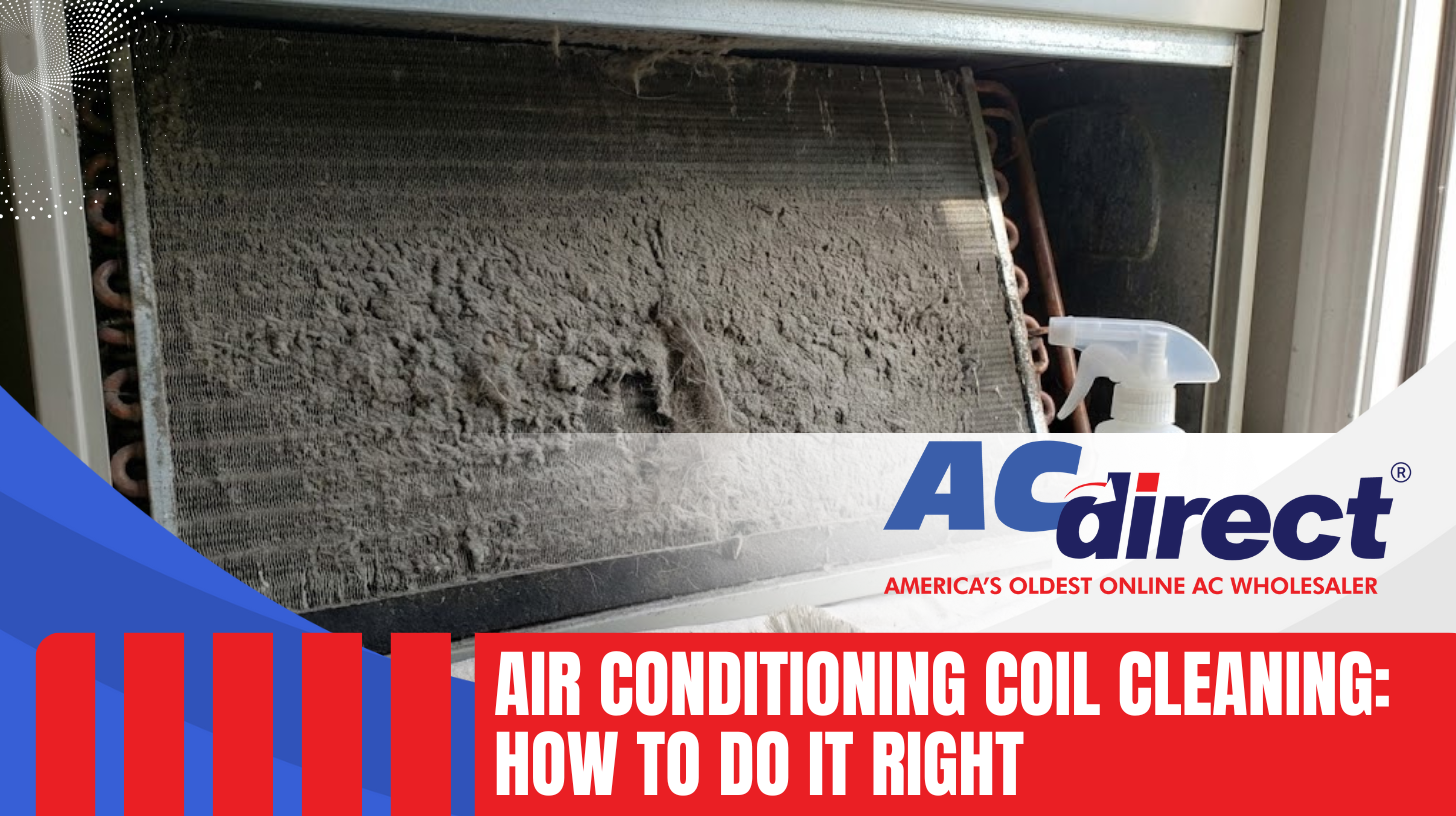
The evaporator and condenser coils can also become dirty over time, which reduces their ability to transfer heat efficiently. You can clean the coils yourself using a commercially available coil cleaner, or you can hire a professional to do it for you. I recommend cleaning the coils at least once a year.
Professional Servicing
In addition to regular filter changes and coil cleaning, it's also a good idea to have your AC unit professionally serviced at least once a year. A professional technician can inspect the unit for any potential problems, perform necessary maintenance tasks, and ensure that the system is operating safely and efficiently.
Troubleshooting Common 4-Ton AC Problems
Even with regular maintenance, you may occasionally experience problems with your 4-ton AC unit. Here are some common issues and how to troubleshoot them.
AC Unit Not Cooling
If your AC unit is not cooling properly, the first thing to check is the thermostat. Make sure it's set to the correct temperature and that the batteries are working. Also, check the air filter to see if it's dirty. If the filter is clean and the thermostat is working, there may be a more serious problem, such as a refrigerant leak or a faulty compressor. In this case, you'll need to call a professional.
Strange Noises
Unusual noises, such as banging, rattling, or hissing, can indicate a problem with your AC unit. Banging noises may be caused by loose components, while rattling noises could indicate a problem with the fan motor. Hissing noises could be a sign of a refrigerant leak. If you hear any strange noises, it's best to turn off the unit and call a professional.
Water Leaks
Water leaks can be caused by a clogged condensate drain line. The condensate drain line removes moisture that condenses inside the unit. If the drain line is clogged, water can back up and leak into your home. You can try clearing the drain line yourself using a wet/dry vacuum, or you can call a professional to do it for you.
When to Replace Your 4-Ton AC Unit
Knowing when to replace your AC unit can save you money and prevent unexpected breakdowns. Here are some factors to consider.
Age of the Unit
The average lifespan of an AC unit is 10-15 years. If your unit is older than this, it may be nearing the end of its lifespan and may be more prone to breakdowns. Replacing an old, inefficient unit with a new, energy-efficient model can save you money on your energy bills.
Frequency of Repairs
If you're constantly repairing your AC unit, it may be more cost-effective to replace it. The cost of repairs can add up over time, and an old unit is likely to become less efficient as it ages. At some point, it makes more sense to invest in a new unit rather than continuing to repair the old one.
Increased Energy Bills
A sudden or gradual increase in your energy bills can be a sign that your AC unit is losing efficiency. As units age, they become less efficient and consume more energy. If you notice a significant increase in your energy bills, it may be time to consider replacing your AC unit.
Frequently Asked Questions
How do I know if I need a 4-ton AC unit?
Typically, a 4-ton AC unit works well for homes ranging from 1600 to 2400 square feet. However, things like climate conditions and how well your home is insulated also matter. If you notice inconsistent cooling, rising energy costs, or the AC running all the time, you might need a 4-ton unit. To be sure, get an HVAC professional to do a load calculation.
What is the average cost of a 4-ton AC unit?
The price of a 4-ton AC unit can vary quite a bit based on the brand, how energy-efficient it is (SEER rating), and any extra features. You might pay anywhere from $3,000 to $7,000 just for the unit. Then, installation can add another $1,500 to $4,000 or possibly even more.
How can I improve the energy efficiency of my 4-ton AC unit?
Make sure your home has good insulation, and seal up any spots where air can leak out around doors and windows. Get your AC unit checked and serviced regularly. Think about using a thermostat that you can program to adjust cooling times, and use ceiling fans to help move the air around. Also, choose an AC unit with a high SEER rating to begin with.
What SEER rating should I look for in a 4-ton AC unit?
Right now, the lowest SEER rating allowed is either 14 or 15, but you can find units with much higher ratings, like 21 or more, which will save you even more energy. When you're deciding, think about where you live and what you can afford. AC units with higher SEER ratings usually cost more upfront, but you'll save on energy bills over time.
How often should I have my 4-ton AC unit serviced?
It's a good idea to have your AC unit serviced at least once every year, ideally in the spring before you start using it heavily for the cooling season. Regular maintenance can help prevent problems, keep the unit running efficiently, and make it last longer.
Final Thoughts
Choosing the right AC unit for your home is a big decision. A 4-ton AC unit can be a great option for mid-sized to larger homes, but it's important to consider all the factors we've discussed . From calculating the right size to understanding SEER ratings and installation costs, doing your homework will pay off in the long run.
I always advise homeowners to get professional advice before making a purchase. An HVAC technician can perform a thorough assessment of your home's cooling needs and recommend the best unit for your specific situation. They can also ensure that the unit is installed correctly and that you understand how to maintain it properly.
Ultimately, the goal is to find an AC unit that provides reliable, efficient cooling for your home while keeping your energy bills under control. By taking the time to research your options and consult with a professional, you can make an informed decision and enjoy a comfortable, energy-efficient home for years to come.