

5 Ton AC Amperage: What You Need To Know
-
 By
Michael Haines
By
Michael Haines
- Feb 26, 2025

Hi, I'm Mike Haines, your AC Direct HVAC expert. Many homeowners and small business owners get caught off guard by the electrical requirements of a new air conditioner. I'll break down everything you need to know about the amperage requirements of a 5 ton AC unit. I'll cover how to determine the correct breaker size, wiring considerations, and tips for keeping your system running efficiently without tripping breakers.
- A 5 ton AC unit typically requires between 20 and 30 amps for normal operation, but surge amps can be much higher on startup.
- Understanding the difference between running amps and surge amps is crucial for preventing electrical issues.
- Factors like SEER rating, voltage, and the age of the unit can all affect amperage draw.
- Proper wiring and breaker sizing are essential for safe and efficient operation.
- Regular maintenance and energy-efficient practices can help reduce amperage draw and lower energy bills.
5 Ton AC Unit Amperage An Overview
When you're considering a 5 ton AC unit, one of the most important factors to consider is its amperage. Amperage, or amps, is a measure of electrical current. Knowing the amperage of your AC unit is vital for ensuring that your electrical system can handle the load, preventing tripped breakers, and maintaining a safe and efficient home cooling system. It’s an important consideration, especially when you are looking at Air conditioner sales.
Why Amperage Matters for Homeowners
As a homeowner, understanding the amperage of your AC unit is crucial for several reasons:
- Preventing Overloads: If your AC unit draws more amps than your circuit can handle, it will trip the breaker.
- Ensuring Safety: Overloaded circuits can overheat and potentially cause fires.
- Maintaining Efficiency: An improperly wired or underpowered AC unit won't run efficiently, leading to higher energy bills and potential damage to the unit.
Understanding Running Amps vs. Surge Amps
It's important to distinguish between running amps and surge amps. Running amps refer to the continuous amount of electricity the AC unit needs to operate once it's up and running. Surge amps, on the other hand, are the much higher amount of electricity needed for a brief moment when the unit initially starts up. This surge is due to the compressor motor needing extra power to overcome inertia.
Why Surge Amps Are Important
Surge amps are what often trip breakers, not running amps. Your breaker needs to be able to handle that initial surge without tripping. That's why it's essential to size your breaker appropriately, taking into account the surge amperage listed on the AC unit's data plate.
Typical Amperage Range for 5 Ton AC Units
Generally, a 5 ton AC unit will have a running amperage between 20 and 30 amps. However, this range can vary based on several factors, including the unit's SEER rating, manufacturer, and age. Surge amps can be significantly higher, sometimes reaching 50 to 60 amps or more.
Checking the Data Plate
The most accurate way to determine the amperage of your specific AC unit is to check the data plate, usually located on the side of the unit. The data plate will list both the running amps (often labeled as "RLA" for Rated Load Amps) and the Maximum Overcurrent Protection (MOCP), which is the maximum breaker size you should use.
Factors Affecting AC Unit Amperage
Several factors can influence the amperage draw of your 5 ton AC unit:
SEER Rating
AC units with higher SEER (Seasonal Energy Efficiency Ratio) ratings are generally more energy-efficient and may draw fewer amps than older, less efficient models. These units are designed to provide the same cooling power while consuming less electricity. I always recommend investing in a higher SEER rating if your budget allows.
Voltage
Most 5 ton AC units operate on 208/230V power. However, the exact voltage can affect the amperage. Lower voltage will result in higher amperage, while higher voltage will result in lower amperage, assuming the power (VA) stays the same.
Age and Condition
Older AC units tend to be less efficient and may draw more amps as they age due to wear and tear on components like the compressor motor. Regular maintenance can help keep your unit running efficiently, but at some point, replacement might be the best option. Don’t wait until the middle of summer. Start looking at Air conditioner sales now.
Dirty Air Filter
A dirty air filter restricts airflow, making your AC unit work harder and draw more amps. Make sure to clean or replace your air filter regularly, ideally every 1-3 months. This is one of the easiest ways to improve your AC unit's efficiency.
How to Determine the Correct Breaker Size
Choosing the right breaker size is crucial for safety and proper operation. Here's how to do it:
Consult the Data Plate
As mentioned earlier, the AC unit's data plate will list the Maximum Overcurrent Protection (MOCP) rating. This is the maximum breaker size you should use. It's designed to protect the unit from electrical damage.
Consider Surge Amps
While the MOCP accounts for surge amps to some extent, it's still important to consider them. The breaker should be large enough to handle the surge without tripping, but not so large that it won't protect the unit from sustained overcurrent.
When in Doubt, Consult an Electrician
If you're unsure about the correct breaker size, it's always best to consult a qualified electrician. They can assess your electrical system and ensure that the breaker is appropriately sized for your AC unit.
Wiring and Electrical Requirements for a 5 Ton AC
Proper wiring is just as important as breaker size. The wiring must be able to handle the amperage draw of the AC unit without overheating. Here are some key considerations:
Wire Gauge
The wire gauge (thickness) must be appropriate for the amperage and distance of the circuit. Thicker wires can handle more current without overheating. The National Electrical Code (NEC) provides guidelines for wire sizing based on amperage and distance.
Dedicated Circuit
A 5 ton AC unit should always have a dedicated circuit. This means that the circuit should only serve the AC unit and nothing else. This prevents overloading the circuit and ensures that the AC unit receives the power it needs.
Professional Installation
I always recommend professional installation for a 5 ton AC unit. A qualified HVAC technician and electrician can ensure that the wiring is properly sized and installed, and that the breaker is the correct size. Poor installation can lead to electrical hazards and reduced efficiency.
The Importance of Professional Installation
While it might be tempting to save money by installing the AC unit yourself, professional installation is essential for several reasons:
Safety
Working with electricity can be dangerous. A professional electrician knows how to safely handle the wiring and connections to prevent electrical shock and fire hazards. United power has some great resources about electrical safety.
Proper Sizing and Installation
A professional HVAC technician can ensure that the AC unit is properly sized for your home and that it's installed correctly. This includes ensuring that the refrigerant charge is correct, the ductwork is properly sealed, and the unit is level.
Warranty
Many AC unit manufacturers require professional installation for the warranty to be valid. DIY installation can void the warranty, leaving you responsible for any repairs.
Troubleshooting High Amperage Issues
If your AC unit is tripping the breaker frequently, it's a sign that there's a problem. Here are some common causes of high amperage draw and how to troubleshoot them:
Dirty Air Filter
As mentioned earlier, a dirty air filter restricts airflow and makes the AC unit work harder. Replace the air filter and see if that solves the problem.
Dirty Condenser Coils
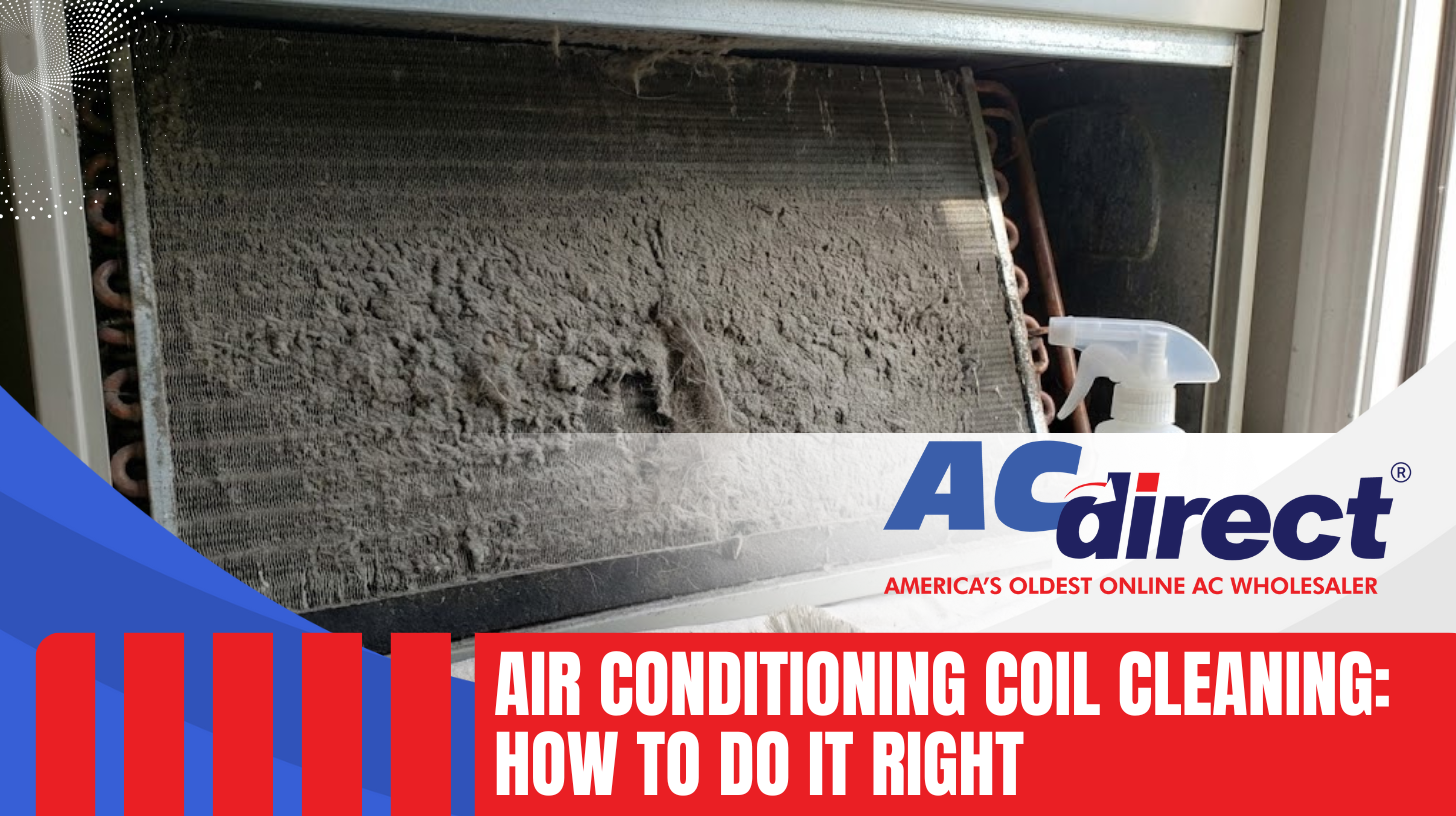
The condenser coils are located on the outside unit. If they're dirty, they won't be able to dissipate heat efficiently, causing the AC unit to draw more amps. Clean the condenser coils with a garden hose (gently) or a coil cleaner.
Refrigerant Leak
A refrigerant leak can cause the compressor to work harder and draw more amps. If you suspect a refrigerant leak, call a qualified HVAC technician to diagnose and repair the leak.
Failing Capacitor
The capacitor helps start and run the compressor motor. A failing capacitor can cause the motor to draw more amps. A technician can test and replace the capacitor.
Compressor Issues
Problems with the compressor itself, such as worn bearings or damaged windings, can also cause high amperage draw. Compressor repairs can be costly, and it may be more economical to replace the entire AC unit, especially if it's an older model. A Ductless ac system could be another solution.
Tips for Reducing AC Unit Amperage Draw
Here are some tips for reducing the amperage draw of your 5 ton AC unit and improving its efficiency:
Regular Maintenance
Schedule regular maintenance with a qualified HVAC technician. They can inspect and clean the unit, check the refrigerant charge, and identify any potential problems before they cause major issues.
Upgrade to a Higher SEER Rating
If you're replacing an older AC unit, consider upgrading to a model with a higher SEER rating. These units are more energy-efficient and will draw fewer amps.
Improve Insulation
Proper insulation can help keep your home cooler, reducing the load on your AC unit. Insulate your walls, attic, and crawl space to prevent heat from entering your home.
Use a Programmable Thermostat
A programmable thermostat allows you to set different temperatures for different times of the day. You can set the thermostat to a higher temperature when you're not home, reducing the amount of time the AC unit runs.
Seal Air Leaks
Seal any air leaks around windows, doors, and ductwork. This will prevent cool air from escaping and hot air from entering, reducing the load on your AC unit.
Energy Efficiency and Amperage Considerations
When selecting a 5 ton AC unit, energy efficiency should be a top priority. Higher SEER ratings not only translate to lower energy bills but also often result in lower amperage draw. Investing in an energy-efficient model can save you money in the long run and reduce the strain on your electrical system.
The Importance of Sizing
Ensure your 5 ton AC is properly sized for your space. An oversized unit will cycle on and off frequently, leading to inefficient operation and potentially higher amperage draw during startup. An undersized unit will struggle to cool the space, running continuously and also increasing amperage draw.
Frequently Asked Questions
What is the typical running amperage for a 5 ton AC unit?
The typical running amperage for a 5 ton AC unit ranges from 20 to 30 amps. However, this number can change depending on factors like the unit's SEER rating and the manufacturer's specific design. Always refer to the unit's data plate for the most accurate information.
What size breaker do I need for a 5 ton AC unit?
You'll generally need a double-pole breaker between 30 and 50 amps for a 5 ton AC unit. The exact size depends on the unit's Maximum Overcurrent Protection (MOCP) rating, which you can find on the unit's data plate. For safety and accuracy, it's always a good idea to consult with a qualified electrician when determining the correct breaker size.
Can I use my existing wiring for a new 5 ton AC unit?
That depends on the size of your existing wiring and what it is rated to handle. Your current wiring must be adequate to handle the amperage draw of the new 5 ton AC unit. If the wiring is too small, it will need to be replaced by a qualified electrician to prevent overheating and potential fire hazards.
What causes high amperage draw in a 5 ton AC unit?
Several issues can lead to high amperage draw, such as a dirty air filter restricting airflow, a failing compressor working harder, a refrigerant leak reducing efficiency, or a capacitor that is beginning to fail. Regular maintenance and professional inspections can help catch and prevent these problems.
How can I reduce the amperage draw of my 5 ton AC unit?
You can lower amperage draw by performing regular maintenance. This includes cleaning or replacing the air filter and cleaning the condenser coils. Also, think about upgrading to a more energy-efficient model with a higher SEER rating. Making sure your home is properly insulated will also reduce the amount of work your AC needs to do.
Final Thoughts
Understanding the amperage requirements of a 5 ton AC unit is essential for ensuring safe and efficient operation. By knowing the difference between running amps and surge amps, choosing the correct breaker size, and maintaining your unit properly, you can avoid electrical issues and keep your home cool and comfortable. Remember that professional installation is key to ensuring everything is set up correctly and safely.
Take the time to assess your electrical system and the specific requirements of your chosen AC unit. If you have any doubts or concerns, don't hesitate to consult with a qualified electrician or HVAC technician. Making informed decisions will not only save you money but also provide peace of mind.
Ultimately, being proactive about understanding your AC unit's electrical needs will contribute to a more comfortable, efficient, and safe home environment.