

AC Condenser Coil Problems: Diagnosis and Simple Solutions
-
 By
Michael Haines
By
Michael Haines
- Feb 28, 2025

Hi, I'm Mike Haines, and I've spent years in the HVAC business. One of the most common issues I see homeowners face is problems with their AC condenser coil. This article will cover what the condenser coil does, common problems, how to spot those problems, and what you can do to keep your AC running smoothly. This information is for homeowners and small business owners who want to understand their AC systems better and make informed decisions about maintenance and repairs.
- The AC condenser coil is essential for releasing heat and cooling your home.
- Common issues include leaks, clogs, and physical damage, all impacting performance.
- Regular cleaning and maintenance can significantly extend the life of your condenser coil.
- Replacement costs vary, so it's important to get several estimates.
- Knowing when to call a professional can save you time and money in the long run.
What is an AC Condenser Coil?
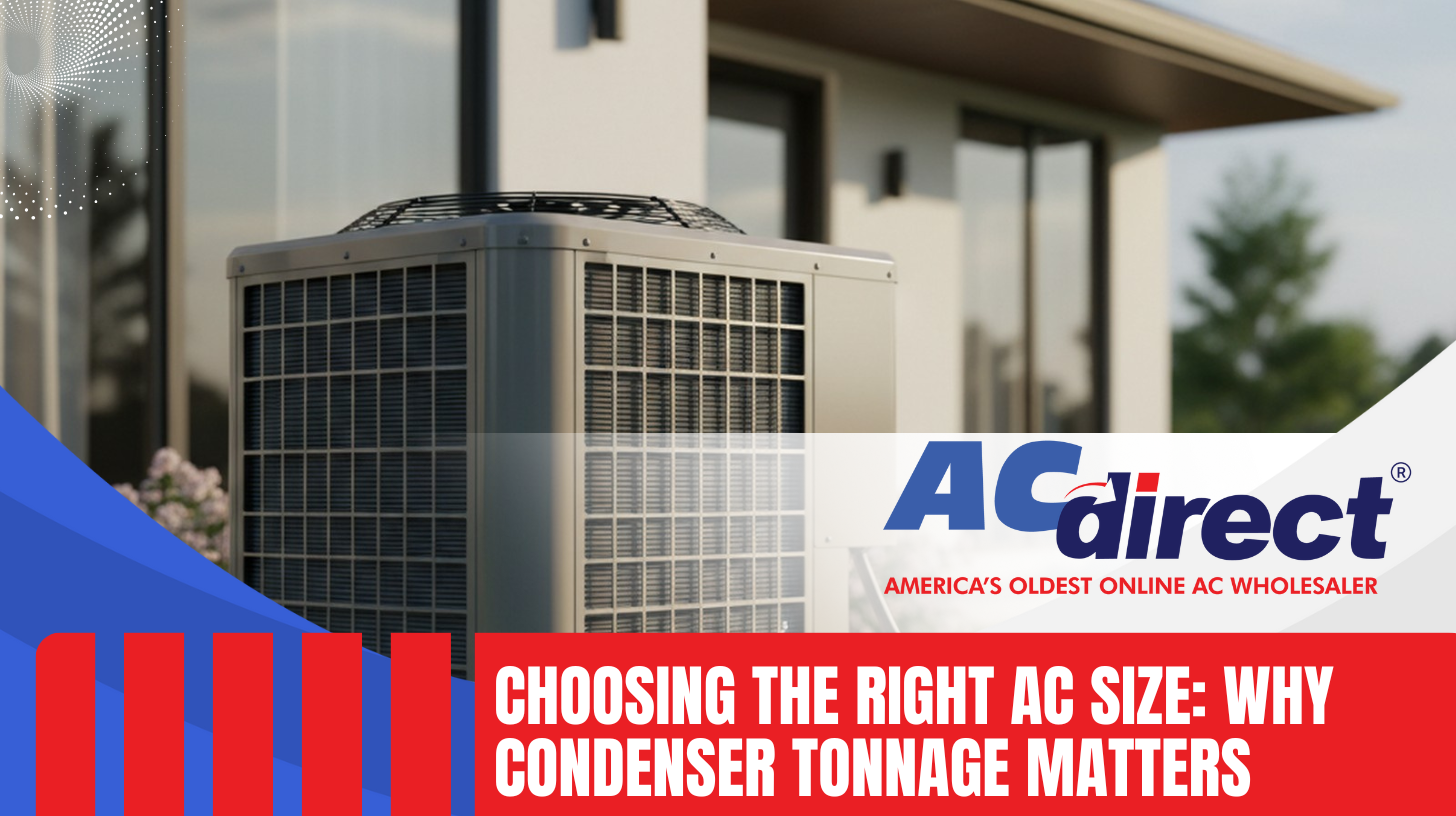
The AC condenser coil is a critical component of your air conditioning system. It's usually located in the outdoor unit. Its main job is to release the heat absorbed by the refrigerant inside your home. The refrigerant enters the coil as a hot gas and, as air flows across the coil, it cools down and turns back into a liquid. This process is essential for the entire cooling cycle. Without a properly functioning condenser coil, your AC system simply can't cool your home effectively.
Why is the Condenser Coil Important for Cooling?
Think of your AC system as a closed loop. The evaporator coil inside your home absorbs heat, and then the refrigerant carries that heat to the condenser coil outside. If the condenser coil can't release the heat, the refrigerant remains hot. This means it can’t effectively absorb more heat from inside your home. This leads to reduced cooling capacity, higher energy bills, and eventually, potential damage to other components of your AC system. A well-maintained condenser coil ensures your AC operates efficiently and keeps your home comfortable.
Types of Condenser Coils
While the basic function remains the same, there are different types of condenser coils. The most common types are:
- Copper Coils: Known for their excellent heat transfer properties and durability. Copper has been a traditional material for years.
- Aluminum Coils: Lighter and often more affordable than copper. Aluminum coils are becoming increasingly popular.
- Microchannel Coils: These are a newer design that uses flat tubes with small channels for refrigerant flow. They are more efficient and compact than traditional fin and tube coils.
The type of coil in your system will affect its efficiency and lifespan. Cheap air conditioner often use aluminum coils. I usually recommend copper coils for their durability, but microchannel coils are also a solid choice if you're looking for efficiency.
Common Problems with AC Condenser Coils
Like any mechanical component, condenser coils are susceptible to problems. Here are some of the most common issues I see:
Refrigerant Leaks
Refrigerant leaks are a frequent problem. Leaks can occur due to corrosion, physical damage, or manufacturing defects. If your system is low on refrigerant, it won't cool properly, and you may notice a hissing sound near the unit.
Dirt and Debris Buildup
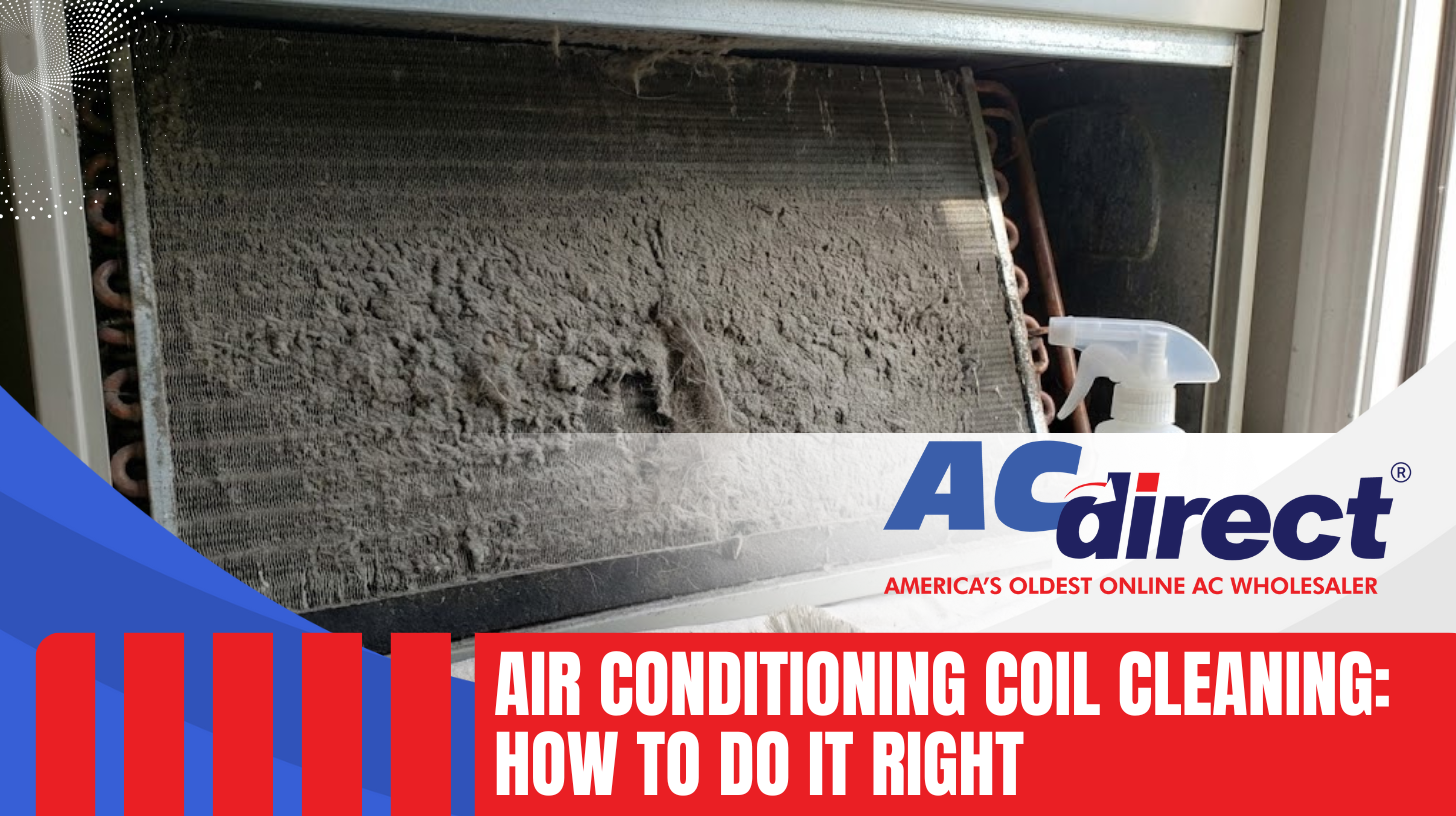
The outdoor location of the condenser coil means it's exposed to dirt, leaves, pollen, and other debris. This buildup insulates the coil, reducing its ability to release heat. Regular cleaning is essential to prevent this.
Corrosion
Exposure to the elements can cause corrosion, especially in coastal areas or industrial environments. Corrosion can weaken the coil and lead to leaks.
Physical Damage
Hail, falling branches, or even accidental contact with lawn equipment can damage the fins on the condenser coil. Bent or damaged fins restrict airflow and reduce efficiency.
Frozen Coils
Although more common with evaporator coils, condenser coils can also freeze up, often due to restricted airflow or low refrigerant levels. A frozen coil will prevent the system from cooling.
How to Tell if Your Condenser Coil is Failing
Recognizing the signs of a failing condenser coil early can save you money and prevent further damage to your AC system. Here are some telltale signs I look for:
Reduced Cooling Efficiency
If your AC is running longer than usual but not cooling your home as effectively, it could be a sign of a problem with the condenser coil.
Higher Energy Bills
A failing condenser coil forces your AC system to work harder, leading to increased energy consumption and higher utility bills. Keep an eye on your Home ac unit bill.
Hissing Noises
A hissing sound coming from the outdoor unit often indicates a refrigerant leak. This requires immediate attention.
Visible Leaks
Check around the condenser coil for signs of oil or refrigerant leaks. These leaks are often accompanied by a greasy residue.
Ice Buildup
If you notice ice forming on the condenser coil, it's a clear indication of a problem. This could be due to restricted airflow, low refrigerant, or a faulty compressor.
Factors Affecting Condenser Coil Lifespan
The lifespan of your condenser coil can vary depending on several factors:
Maintenance
Regular cleaning and maintenance are crucial for extending the life of your condenser coil. Neglecting maintenance can lead to premature failure.
Climate
In harsh climates with extreme temperatures or high humidity, the condenser coil may experience more stress and wear and tear.
Air Quality
If you live in an area with poor air quality or industrial pollution, the condenser coil may be more susceptible to corrosion and buildup of contaminants.
Installation Quality
A properly installed condenser coil will generally last longer than one that was poorly installed. Make sure you use a qualified HVAC technician for installation.
Coil Material
As mentioned earlier, the type of coil material (copper, aluminum, microchannel) affects its durability and resistance to corrosion. Copper is more durable but aluminum is more affordable.
How to Clean and Maintain Your AC Condenser Coil
Cleaning your condenser coil is a straightforward task that can significantly improve your AC's performance and extend its lifespan. Here's how I recommend doing it:
- Turn off the Power: Before you start any cleaning, turn off the power to the AC unit at the breaker box. This is crucial for your safety.
- Remove Debris: Remove any large debris, such as leaves, twigs, and grass clippings, from around the unit and the coil.
- Use a Fin Comb: Straighten any bent fins with a fin comb. This tool helps restore airflow and improve efficiency.
- Wash the Coil: Use a garden hose with a gentle spray nozzle to wash the coil from the inside out. Avoid using high pressure, as this can damage the fins.
- Use a Coil Cleaner: For stubborn dirt and grime, use an AC coil cleaner. Follow the manufacturer's instructions carefully.
- Rinse Thoroughly: After cleaning, rinse the coil thoroughly with water to remove any residue from the cleaner.
- Allow to Dry: Let the coil air dry completely before turning the power back on.
Cost to Replace a Condenser Coil
If your condenser coil is severely damaged or beyond repair, replacement may be necessary. The cost to replace a condenser coil can vary depending on several factors, including the type of unit, the brand, and the complexity of the installation. Expect to pay anywhere from a few hundred to over a thousand dollars for the replacement, including labor costs. Getting multiple estimates from different HVAC contractors is essential to ensure you're getting a fair price.
Choosing the Right Replacement Condenser Coil
When replacing your condenser coil, it's important to choose the right one for your AC system. Here are some factors to consider:
Compatibility
Make sure the replacement coil is compatible with your existing AC unit. Check the manufacturer's specifications and consult with an HVAC technician.
Efficiency
Consider upgrading to a more efficient coil. This can improve your AC's performance and lower your energy bills. Ac sales often include SEER ratings, which indicate efficiency.
Warranty
Look for a coil with a good warranty. This will protect you against defects and premature failure. I always advise my customers to read the fine print of any warranty.
Brand Reputation
Choose a coil from a reputable brand known for quality and reliability. Reading online reviews can give you insights into different brands.
Tips for Extending the Life of Your Condenser Coil
Here are some additional tips to help extend the life of your condenser coil:
- Regular Inspections: Schedule regular inspections with an HVAC technician to identify and address potential problems early.
- Keep the Area Clear: Keep the area around the outdoor unit free of vegetation and other obstructions that can restrict airflow.
- Protect from Damage: Consider installing a protective cover over the unit to shield it from hail, falling branches, and other potential sources of damage.
- Change Air Filters Regularly: While this mainly benefits the evaporator coil, clean air filters reduce strain on the entire system, including the condenser coil.
- Consider a Service Agreement: A service agreement with an HVAC company can provide regular maintenance and priority service in case of problems. Core electric cooperative often offer such plans.
When to Call a Professional HVAC Technician
While some maintenance tasks, like cleaning the coil, can be done yourself, other problems require the expertise of a professional HVAC technician. Call a pro if you notice any of the following:
Refrigerant Leaks
Refrigerant leaks require specialized equipment and training to repair safely and effectively.
Electrical Issues
Any electrical problems with the AC unit should be handled by a qualified technician.
Compressor Problems
The compressor is the heart of the AC system, and any issues with it require professional attention.
Complex Repairs
If you're not comfortable working with HVAC equipment or if the problem seems complex, it's best to call a professional.
Frequently Asked Questions
What does an AC condenser coil do?
The AC condenser coil takes hot refrigerant and cools it down by releasing heat. This process turns the refrigerant back into a liquid, which is necessary for the AC to continue cooling your home.
How often should I clean my AC condenser coil?
It's best to clean your AC condenser coil at least once a year, ideally before the cooling season starts. If you live in an area with a lot of dust or pollen, you might need to clean it more often.
What are the signs of a failing AC condenser coil?
If your AC isn't cooling as well as it used to, your energy bills are higher, you hear hissing sounds, you see leaks, or there's ice buildup on the coil, these are all signs that the condenser coil might be failing.
Can I replace a condenser coil myself?
Replacing a condenser coil is complicated and requires specialized tools and knowledge. It's usually best to hire a qualified HVAC technician to handle this repair.
How much does it cost to replace an AC condenser coil?
The cost to replace a condenser coil varies based on the age, type, and brand of your unit, as well as how difficult the installation is. You can expect to pay a few hundred to over a thousand dollars, including labor.
Final Thoughts
The AC condenser coil is a vital part of your cooling system, and understanding its function and common problems can help you keep your AC running smoothly. Regular maintenance, like cleaning the coil, can extend its lifespan and improve efficiency. However, for complex repairs, it's always best to call a qualified HVAC technician. By taking proactive steps to care for your condenser coil, you can ensure your home stays cool and comfortable for years to come.