 and now, NASCAR Racing Sponsor


AC Unit Air Handler: Understanding Its Role in Home Cooling
-
 By
Michael Haines
By
Michael Haines
- Dec 7, 2025
Hi, I'm Mike Haines, and I've spent years helping homeowners understand their HVAC systems. One component that often gets overlooked is the air handler. This article is for homeowners who want to understand what an AC unit air handler is, how it works, and why it's so important for efficient home cooling. I'll break down the key components, maintenance tips, and what to consider when it's time for a repair or replacement.
Key Highlights
- An air handler is a crucial part of your AC system, responsible for circulating cooled or heated air throughout your home.
- Proper air handler maintenance, including regular filter changes, can significantly extend its lifespan and maintain efficiency.
- When choosing an air handler, it's essential to consider size, compatibility with your existing AC unit, and SEER ratings for optimal performance.
- Signs of a failing air handler include strange noises, reduced airflow, inconsistent temperatures, and increased energy bills.
- Replacing an air handler can improve air quality, increase energy efficiency, and enhance overall home comfort.
Air Handler Basics: What Is It and How Does It Work?
The air handler is the indoor part of your air conditioning or heat pump system. Its main job is to move air throughout your ductwork and into your living spaces. It works by drawing air from inside your home through return vents, conditioning that air (either heating or cooling it), and then pushing it back out through supply vents.
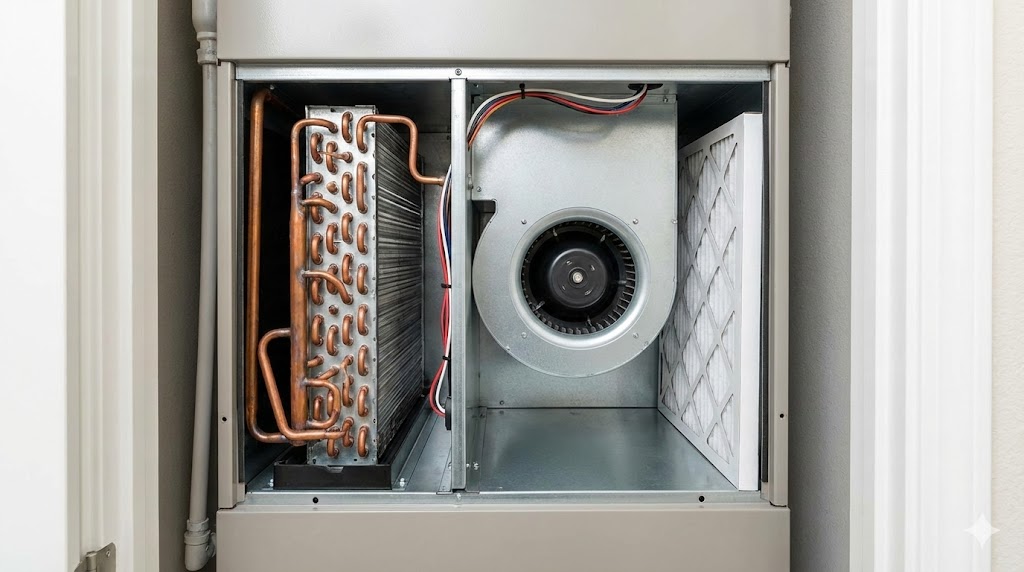
Inside the air handler, you'll find several key components, including a blower fan, heating and cooling coils, air filters, and dampers. The blower fan is responsible for circulating the air. The coils contain refrigerant, which either absorbs heat from the air (cooling) or releases heat into the air (heating). Air filters remove dust, pollen, and other particles from the air. Dampers control the airflow to different zones in your home.
Air Handler vs. Furnace
It's easy to confuse an air handler with a furnace, but they are distinct components. A furnace generates heat through the combustion of fuel like natural gas or propane. An air handler, on the other hand, simply moves already heated or cooled air. In homes with a heat pump, the air handler works in conjunction with the heat pump to provide both heating and cooling. In some systems, the air handler may contain electric resistance heating elements to provide supplemental heat.
Why Your Air Handler Matters for AC Performance
The air handler plays a critical role in the overall performance and efficiency of your AC system. A properly functioning air handler ensures consistent airflow, which helps maintain even temperatures throughout your home. When the air handler isn't working efficiently, you might experience uneven cooling, higher energy bills, and reduced comfort. I often see homeowners who complain about one room being much colder or hotter than another. Often, the culprit is an issue with the air handler or ductwork.
An undersized or oversized air handler can also cause problems. An undersized unit will struggle to circulate enough air, leading to poor cooling and increased wear and tear on the system. An oversized unit can cycle on and off too frequently, which wastes energy and can also reduce dehumidification. Proper sizing is crucial for optimal AC performance.
Air Handler Components Explained
Let's take a closer look at the main components of an air handler:
- Blower Fan: The blower fan is the heart of the air handler, responsible for moving air through the system. It's typically powered by an electric motor and can be either a direct-drive or belt-driven system.
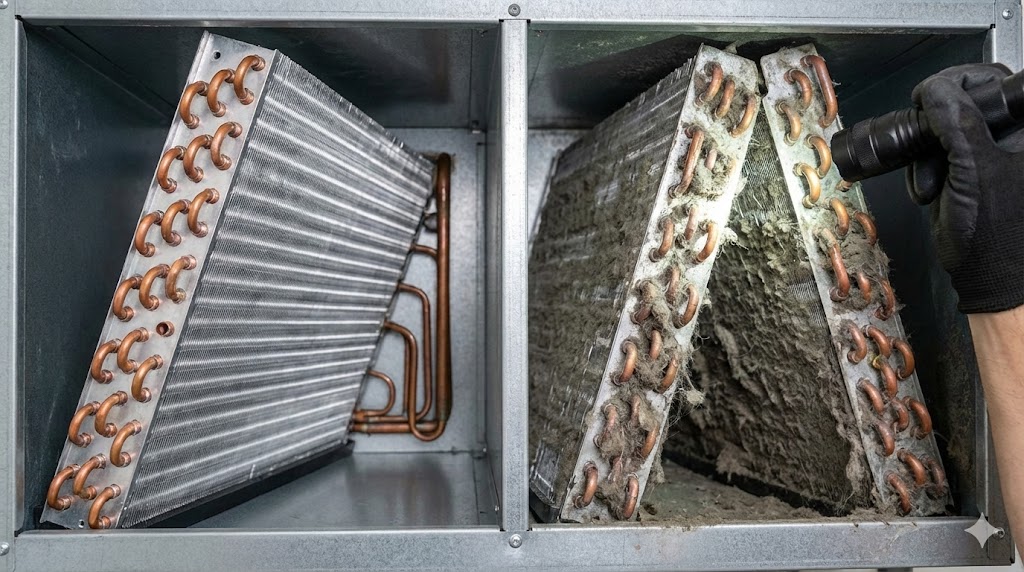
- Cooling Coil: The cooling coil, also known as the evaporator coil, is where the refrigerant absorbs heat from the air, cooling it down. It's usually made of copper or aluminum and is designed to maximize heat transfer.
- Air Filter: The air filter removes dust, pollen, and other particles from the air, improving indoor air quality and protecting the components of the air handler from damage.
- Dampers: Dampers are adjustable plates that control the airflow to different zones in your home. They can be manually adjusted or automatically controlled by a zoning system.
- Electric Heating Elements: In some air handlers, electric heating elements provide supplemental heat during colder months. These elements are similar to those found in electric space heaters.
Signs You Need Air Handler Repair or Replacement
It's important to be aware of the signs that your air handler may need repair or replacement. Ignoring these signs can lead to more serious problems and potentially a complete system failure. Some common signs include:
- Strange Noises: Unusual noises such as squealing, grinding, or rattling can indicate a problem with the blower motor, fan blades, or other moving parts.
- Reduced Airflow: If you notice a decrease in airflow from your vents, it could be a sign of a clogged filter, a malfunctioning blower fan, or a problem with the ductwork.
- Inconsistent Temperatures: Uneven cooling or heating throughout your home can indicate an issue with the air handler's ability to properly distribute conditioned air.
- Water Leaks: Water leaks around the air handler can be caused by a clogged condensate drain or a problem with the cooling coil.
- Increased Energy Bills: A sudden increase in your energy bills without a change in usage habits can indicate that your air handler is working harder to maintain the desired temperature.
If you notice any of these signs, it's important to have your system inspected by a qualified HVAC technician. Delaying repairs can lead to more extensive damage and higher repair costs down the road.
Choosing the Right Air Handler: Key Considerations
When it comes time to replace your air handler, there are several key considerations to keep in mind to ensure you choose the right unit for your needs. The first is to ensure that the air handler is compatible with your existing outdoor unit.
Air Handler Size and Compatibility
Choosing the right size air handler is crucial for optimal performance and efficiency. The size of the air handler is typically measured in cubic feet per minute (CFM), which indicates the amount of air it can circulate. An HVAC professional can determine the appropriate size air handler for your home based on factors such as square footage, insulation, climate, and ductwork design. An Ac tonnage calculator can provide a rough estimate, but professional assessment is always best.
It's also important to ensure that the air handler is compatible with your existing outdoor unit (the condenser). The two units need to be properly matched in terms of capacity and refrigerant type. Mismatched components can lead to reduced efficiency, poor performance, and even damage to the system. I always recommend consulting with a qualified HVAC technician to ensure proper sizing and compatibility.
Many older homes have existing ductwork that may need to be modified or replaced to accommodate a new air handler. Ductwork that is too small or poorly designed can restrict airflow and reduce efficiency. A duct leakage test can identify leaks in your ductwork, Poudre valley rea offering such services.
Matching SEER Ratings for Optimal Efficiency
SEER, or Seasonal Energy Efficiency Ratio, is a measure of an air conditioner's cooling efficiency. While SEER ratings primarily apply to the outdoor condenser unit, the air handler can also impact overall system efficiency. To maximize energy savings, it's important to choose an air handler that is designed to work efficiently with your AC unit's SEER rating.
In general, I recommend choosing an air handler with a variable-speed blower motor. Variable-speed motors consume less energy than traditional single-speed motors and provide more consistent airflow. They can also improve dehumidification and reduce noise levels.
Air Handler Installation: What to Expect
Air handler installation is a complex process that should be performed by a qualified HVAC technician. The installation process typically involves the following steps:
- Disconnecting the Old Unit: The technician will disconnect the old air handler from the ductwork, electrical wiring, and refrigerant lines.
- Installing the New Unit: The new air handler will be carefully positioned and secured in place.
- Connecting the Ductwork: The technician will connect the new air handler to the existing ductwork, ensuring a tight seal to prevent air leaks.
- Wiring the Electrical Connections: The electrical wiring will be connected to the new air handler, following all safety codes and regulations.
- Charging the Refrigerant: If necessary, the technician will charge the refrigerant lines to the proper level.
- Testing the System: After installation, the technician will test the system to ensure it's working properly and efficiently.
Air Handler Maintenance Tips for Longevity
Proper maintenance is essential for extending the lifespan of your air handler and maintaining its efficiency. Here are some important maintenance tips:
- Change Air Filters Regularly: Changing your air filter every 1-3 months is one of the most important things you can do to maintain your air handler. A dirty air filter restricts airflow and can cause the system to work harder, leading to increased energy bills and potential damage.
- Clean the Blower Fan: Over time, the blower fan can accumulate dust and debris, which can reduce its efficiency and cause it to become noisy. You can clean the blower fan yourself or hire a professional to do it.
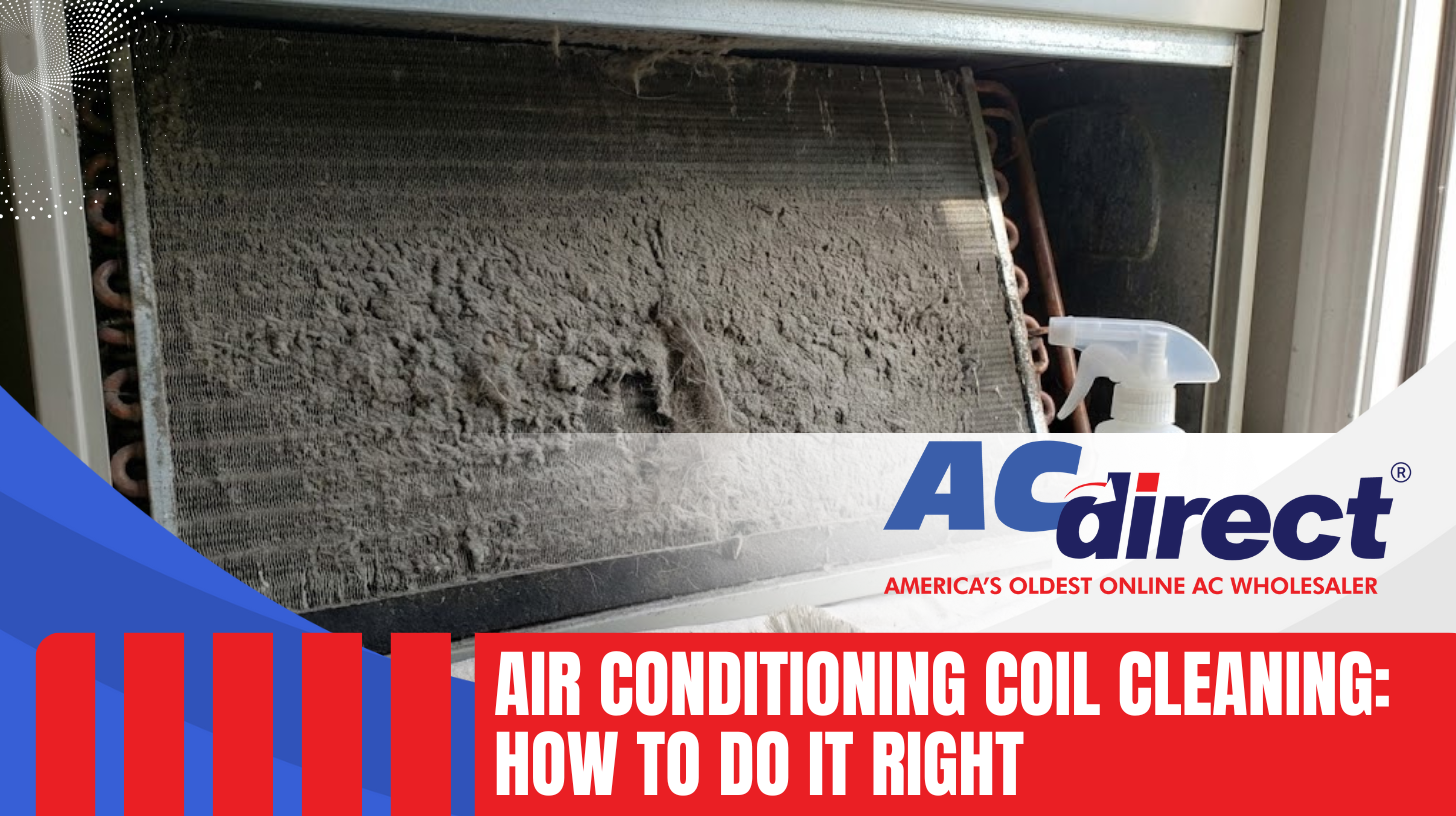
- Inspect the Coils: The cooling coil can also accumulate dust and debris, which can reduce its ability to transfer heat. You can clean the coils yourself or hire a professional to do it.
- Check the Condensate Drain: The condensate drain can become clogged with algae and other debris, which can cause water leaks. You can flush the condensate drain with a solution of bleach and water to keep it clear.
- Schedule Regular Maintenance: I recommend scheduling regular maintenance with a qualified HVAC technician to ensure that your air handler is working properly and efficiently. A technician can identify potential problems early on and perform preventative maintenance to keep your system running smoothly.
Air Handler Costs: Replacement and Installation
The cost of replacing an air handler can vary depending on several factors, including the size and type of unit, the complexity of the installation, and the labor rates in your area. In general, you can expect to pay anywhere from several hundred to several thousand dollars for a new air handler and installation. If you are also looking to replace an Mobile home air conditioner or Mobile home ac unit, be sure to get a quote for all of the work to be done.
It's important to get quotes from multiple HVAC contractors to compare prices and services. Be sure to ask for a detailed breakdown of the costs, including the cost of the unit, the cost of labor, and any additional fees. It's also important to check the contractor's credentials and ensure they are licensed and insured.
Finding a Qualified HVAC Technician
Finding a qualified HVAC technician is essential for ensuring that your air handler is properly installed, repaired, and maintained. Here are some tips for finding a reputable technician:
- Get Referrals: Ask friends, family, and neighbors for referrals to HVAC technicians they have used and been happy with.
- Check Online Reviews: Read online reviews on websites like Yelp, Google, and the Better Business Bureau to get an idea of the technician's reputation.
- Verify Credentials: Make sure the technician is licensed and insured. You can check their license status with your state's licensing board.
- Ask for References: Ask the technician for references from previous customers and follow up with those references to get their feedback.
- Get Multiple Quotes: Get quotes from multiple technicians to compare prices and services.
Troubleshooting Common Air Handler Issues
Many minor air handler issues can be resolved with some simple troubleshooting steps. Here are a few common problems and how to address them:
- No Airflow: If you're not getting any airflow from your vents, check the circuit breaker to make sure the air handler is receiving power. Also, check the air filter to see if it's clogged.
- Weak Airflow: If the airflow is weak, try replacing the air filter. If that doesn't help, there may be a problem with the blower fan or ductwork.
- Noisy Operation: If the air handler is making unusual noises, try tightening any loose screws or bolts. If the noise persists, there may be a problem with the blower motor or fan blades.
- Water Leaks: If you see water leaking around the air handler, check the condensate drain to see if it's clogged. You can try flushing it with a solution of bleach and water.
If you're not comfortable performing these troubleshooting steps yourself, it's best to call a qualified HVAC technician.
Upgrading Your Air Handler for Improved Air Quality
Upgrading your air handler can improve your indoor air quality by incorporating advanced filtration systems. Some air handlers come equipped with high-efficiency particulate air (HEPA) filters, which can remove up to 99.97% of airborne particles, including dust, pollen, and mold spores.
Another option is to install an ultraviolet (UV) light in the air handler. UV lights kill bacteria, viruses, and other microorganisms that can circulate through your home's air. I recommend these to homeowners who are concerned about allergies or respiratory problems.
Frequently Asked Questions
What is the main function of an air handler in an AC system?
The main job of the air handler is to move conditioned air throughout your house. It includes a blower fan, heating and cooling coils, air filters, and dampers that all work together to control airflow and temperature.
How do I know if my air handler is the right size for my AC unit?
A professional HVAC technician can figure out the right size air handler for your AC unit. They'll consider your home's square footage, how well it's insulated, the climate you live in, and other things. If the air handler is too small or too big, it won't work as well and you won't be as comfortable.
What are some common signs that my air handler needs repair?
If your air handler is acting up, you might hear weird sounds, notice that the airflow isn't as strong as it used to be, feel inconsistent temperatures, see water leaking, or notice your energy bills going up. If you spot any of these issues, get a qualified HVAC technician to take a look.
Can I replace my air handler without replacing my entire AC system?
Sometimes, you can just replace the air handler without replacing the whole AC system. But, you need to make sure the new air handler works well with your existing outdoor unit. They need to be a good match so your system works its best.
How often should I change the air filter in my air handler?
How often you need to change the air filter depends on things like what kind of filter it is, if you have pets, and how dusty your house is. In general, you should change it every 1-3 months to keep your system running smoothly and your air clean.
Final Thoughts
Understanding your AC unit air handler is essential for maintaining a comfortable and efficient home. By knowing the components, signs of trouble, and maintenance tips, you can extend the lifespan of your system and avoid costly repairs. Remember to choose the right size and type of air handler for your needs and to work with a qualified HVAC technician for installation and repairs.
Regular maintenance, such as changing air filters and cleaning the blower fan, can significantly improve your system's performance and air quality. Don't hesitate to invest in upgrades like HEPA filters or UV lights to enhance your indoor environment.
Making informed decisions about your HVAC system can save you money on energy bills, improve your comfort, and ensure a healthier home. If you're considering a new air handler, take the time to research your options and find a reliable HVAC professional to guide you through the process.