 and now, NASCAR Racing Sponsor


Carrier AC Condenser Coil Problems: Diagnosis and Solutions
-
 By
Michael Haines
By
Michael Haines
- Oct 15, 2023
Hi, I'm Mike Haines, founder of AC Direct. If you're experiencing issues with your Carrier AC unit, the condenser coil might be the culprit. I often see homeowners struggling with AC problems, and a failing condenser coil is a common cause. I want to help you understand what a condenser coil does, how to spot problems, and what your options are for fixing or replacing it.
Key Highlights
- The condenser coil is a vital component in your Carrier AC system, responsible for releasing heat.
- Common issues include leaks, corrosion, and physical damage, which can significantly reduce cooling efficiency.
- Regular cleaning and maintenance can extend the lifespan of your condenser coil.
- Replacement costs vary, but addressing the problem promptly can prevent further damage to your system.
- Consider consulting a qualified HVAC technician for diagnosis and repair, especially for complex issues.
What is a Carrier AC Condenser Coil?
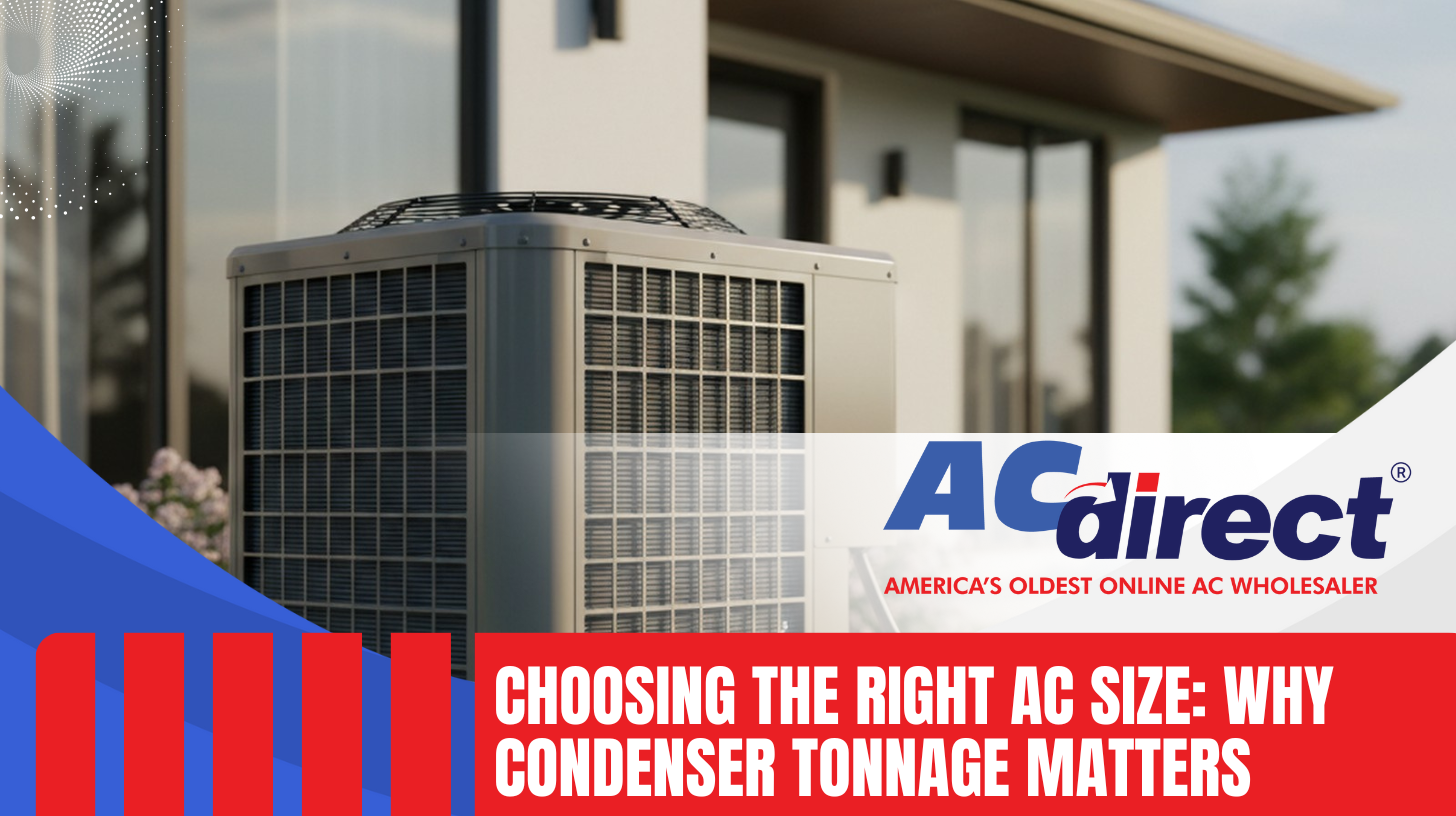
The condenser coil is a crucial part of your Carrier air conditioner's outdoor unit. It's a network of tubes, usually made of copper or aluminum, designed to dissipate heat. Refrigerant, which has absorbed heat from inside your home, flows through the coil. As air is blown across the coil by the condenser fan, the refrigerant releases that heat into the outside environment. This process turns the hot, high-pressure refrigerant into a cooler, high-pressure liquid, which then flows back inside to continue the cooling cycle. Without a properly functioning condenser coil, your AC system simply can't cool your home effectively.
Why is the Condenser Coil Important for Cooling?
Think of your Carrier AC system as a closed loop. The condenser coil is where heat leaves the system. If the coil is damaged, dirty, or otherwise not working correctly, it can't release heat efficiently. This leads to several problems: your AC runs longer, your home isn't as cool as it should be, and your energy bills increase. A compromised condenser coil forces other components, like the compressor, to work harder, potentially leading to more expensive repairs down the road. In short, a healthy condenser coil is essential for efficient and reliable cooling.
Common Problems with Carrier AC Condenser Coils
Several issues can plague your Carrier AC condenser coil. Here are some of the most common problems I see:
- Leaks: Refrigerant leaks are a frequent problem. These can be caused by corrosion, physical damage (like from hail or lawn equipment), or manufacturing defects. Even small leaks can significantly reduce cooling performance.
- Corrosion: Over time, exposure to the elements can cause the coil to corrode, especially in coastal areas or places with high levels of pollution. Corrosion reduces the coil's ability to transfer heat.
- Physical Damage: As mentioned, hail, falling branches, or even accidental bumps from lawnmowers can damage the fins on the coil. Bent or crushed fins restrict airflow and reduce efficiency.
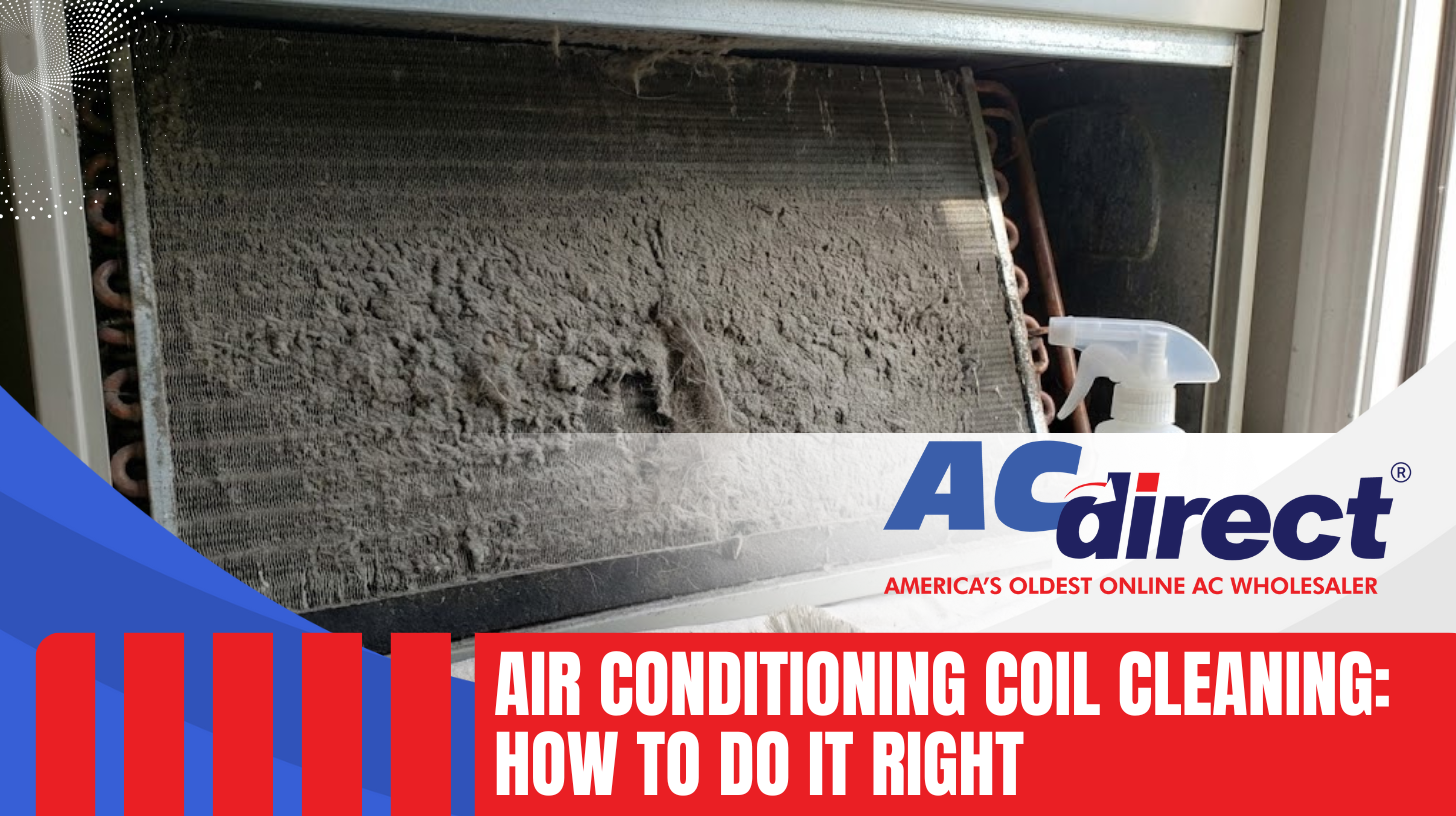
- Dirt and Debris: The condenser coil is located outside, so it's constantly exposed to dirt, dust, pollen, leaves, and other debris. This buildup acts as an insulator, preventing the coil from releasing heat effectively.
- Frozen Coil: Although more common with the evaporator coil, a condenser coil can freeze if airflow is restricted or if the refrigerant charge is low.
Signs You Need a New Condenser Coil
How do you know if your Carrier AC condenser coil is failing? Here are some telltale signs:
- Reduced Cooling Capacity: Your AC struggles to keep your home cool, even when running for extended periods.
- Higher Energy Bills: You notice a significant increase in your energy consumption without a corresponding change in your cooling habits.
- Hissing or Bubbling Noises: These sounds can indicate a refrigerant leak in the coil.
- Visible Leaks: You see refrigerant (often oily) leaking from the condenser unit.
- Ice Buildup: Ice forming on the coil is a sign of restricted airflow or low refrigerant.
- Unit Runs Constantly: The AC never seems to cycle off, even on moderately warm days.
If you notice any of these symptoms, it's time to investigate further. Ignoring these problems can lead to more serious and costly repairs.
Choosing the Right Replacement Carrier Condenser Coil
If your condenser coil is beyond repair, you'll need to replace it. When choosing a replacement, make sure to get the right one for your system. Here's what to consider:
- Compatibility: The new coil must be compatible with your existing Carrier AC unit. Check the model number and specifications to ensure a proper fit.
- Efficiency: Consider upgrading to a higher-efficiency coil. This can improve your AC's overall performance and lower your energy bills.
- Material: Condenser coils are typically made of copper or aluminum. Copper is more durable and offers better heat transfer, but it's also more expensive. Aluminum is more affordable but may be more susceptible to corrosion.
- Warranty: Look for a coil with a good warranty to protect your investment.
It's often more cost-effective to replace the entire condenser unit rather than just the coil, especially if your system is older. A new unit will likely be more efficient and come with a longer warranty. You might consider a Furnace size estimator to get a general idea of what size unit you require.
Carrier Condenser Coil Cost and Efficiency Considerations
Replacing a Carrier AC condenser coil can be a significant expense. The cost depends on several factors, including the coil's size, material, and efficiency, as well as labor costs in your area. Expect to pay anywhere from several hundred to over a thousand dollars for the coil itself, plus the cost of installation. To save money, compare prices from different suppliers and contractors. Also, check if Anaheim Public Utilities or your local utility company offers rebates for installing high-efficiency equipment.
When considering efficiency, look for a coil with a high SEER (Seasonal Energy Efficiency Ratio) rating. A higher SEER rating means the coil is more efficient at transferring heat, which can lead to lower energy bills over the long term. I also tell homeowners to check out Wholesale ac units to get an idea of prices.
Tips to Extend the Life of Your Carrier AC Condenser Coil
Here are some simple steps you can take to prolong the life of your Carrier AC condenser coil:
- Regular Cleaning: Clean the coil regularly to remove dirt and debris. Use a garden hose with a gentle spray nozzle. Avoid using high pressure, which can damage the fins.
- Trim Surrounding Vegetation: Keep bushes, shrubs, and other plants trimmed back from the condenser unit to ensure proper airflow.
- Protect from Physical Damage: Install a protective cover over the unit during the off-season to shield it from hail, falling branches, and other potential hazards.
- Schedule Regular Maintenance: Have your AC system professionally inspected and maintained at least once a year. A technician can identify and address minor issues before they become major problems.
Simple tasks like these can prevent costly repairs and extend the life of your equipment. If you have an older unit, it might be time to start thinking about the Cost of 2.5 ton ac unit.
When to Call an HVAC Professional
While some maintenance tasks, like cleaning the coil, can be done yourself, other issues require the expertise of a qualified HVAC professional. Call a pro if you experience:
- Refrigerant leaks
- Frozen coil
- Electrical problems
- Compressor issues
- Any unusual noises or smells coming from the unit
Attempting to repair these problems yourself can be dangerous and may void your warranty. A professional has the training, tools, and experience to diagnose and fix these issues safely and effectively.
DIY vs. Professional Condenser Coil Replacement
Replacing a condenser coil is a complex job that I generally don't recommend for homeowners. It involves working with refrigerant, which requires specialized equipment and certification. It also involves electrical components, which can be dangerous if not handled properly. A professional HVAC technician will have the necessary skills and tools to safely and correctly replace the coil, ensuring that your AC system operates efficiently and reliably.
While DIY might seem cheaper upfront, improper installation can lead to further damage, void your warranty, and even pose a safety risk.
Troubleshooting Minor Issues Before Calling for Help
Before calling an HVAC technician, there are a few simple things you can check yourself:
- Check the Air Filter: A dirty air filter can restrict airflow and cause the coil to freeze. Replace the filter if it's dirty.
- Check the Breaker: Make sure the breaker for your AC unit hasn't tripped.
- Clean the Condenser Coil: As mentioned earlier, clean the coil to remove any dirt or debris.
- Clear Obstructions: Ensure that nothing is blocking the airflow around the condenser unit.
If you've checked these things and your AC is still not working properly, it's time to call a professional.
Frequently Asked Questions
How often should I clean my Carrier AC condenser coil?
Ideally, you should clean your condenser coil at least once a year, typically before the start of the cooling season. If you live in a dusty or pollen-heavy area, you might consider cleaning it twice a year to maintain optimal performance.
What are the symptoms of a failing Carrier AC condenser coil?
Common symptoms include reduced cooling capacity, higher energy bills, hissing or bubbling noises from the unit, visible leaks, and ice buildup on the coil. If you notice these issues, it's important to investigate promptly.
Can I replace a Carrier AC condenser coil myself?
Replacing a condenser coil is a complex task that involves handling refrigerant and electrical components. It's generally recommended to hire a qualified HVAC technician to ensure proper and safe installation.
How much does it cost to replace a Carrier AC condenser coil?
The cost to replace a condenser coil can vary widely depending on the model, size, and labor costs in your area. Expect to pay anywhere from $700 to $2500, including parts and labor.
Will replacing just the condenser coil improve my AC's efficiency?
While replacing a damaged coil will restore lost efficiency, upgrading to a higher-efficiency coil or replacing the entire condenser unit could offer even greater energy savings in the long run. Consider the age and condition of your entire system before making a decision.
Final Thoughts
A properly functioning Carrier AC condenser coil is essential for keeping your home cool and comfortable. By understanding the common problems, recognizing the signs of a failing coil, and taking steps to maintain your system, you can extend its lifespan and avoid costly repairs. Regular maintenance and prompt attention to any issues will help keep your system running efficiently for years to come.
Whether you decide to tackle minor maintenance yourself or call in a professional for more complex repairs, remember that addressing condenser coil problems promptly can prevent further damage to your AC system and save you money in the long run.
Make informed decisions about your HVAC system to ensure your family's comfort. And remember, AC Direct is here to help you find the right parts and equipment for your needs.