 and now, NASCAR Racing Sponsor


Troubleshooting Common Carrier AC Evaporator Problems
-
 By
Michael Haines
By
Michael Haines
- Oct 18, 2023

Hi, I'm Mike Haines, founder of AC Direct. If you're having trouble with your Carrier AC unit, specifically with the evaporator coil, you're in the right place. This information is for homeowners and small business owners who want to understand what's going on with their AC, how to spot problems, and what your options are for fixing them. We'll cover common issues, what to look for, and what to expect in terms of cost. Let's get started.
- The evaporator coil is a critical component in your Carrier AC system, responsible for cooling the air.
- Common issues include refrigerant leaks, frozen coils, and dirt buildup, all impacting cooling performance.
- Regular maintenance, such as filter replacements and professional inspections, can extend the life of your evaporator coil.
- Recognizing the signs of a failing coil early can prevent more extensive and costly repairs.
- Understanding replacement costs and choosing the right coil are essential for an efficient and reliable AC system.
What is a Carrier AC Evaporator Coil?
The evaporator coil is a vital part of your Carrier air conditioning system. It's located inside your indoor unit, often within the air handler or attached to your furnace. Its primary function is to absorb heat from the air passing over it, effectively cooling the air before it's circulated back into your home or business. Refrigerant flows through the evaporator coil, and as warm air passes over it, the refrigerant evaporates, absorbing the heat in the process. This cooled air is then blown through your ductwork, providing you with comfortable temperatures.
Why is the Evaporator Coil Important for Cooling?
Without a properly functioning evaporator coil, your Carrier AC simply can't cool effectively. The coil is where the magic happens in terms of heat transfer. If the coil is dirty, frozen, or leaking, it can't efficiently absorb heat, leading to reduced cooling capacity. This means your AC will run longer, use more energy, and still struggle to maintain a comfortable temperature. A faulty evaporator coil can also cause other components in your system to work harder, potentially leading to further breakdowns. Think of it like this: if your car's radiator isn't working properly, the engine will overheat. The same principle applies to your AC system and the evaporator coil.
Common Problems with Carrier Evaporator Coils
Several issues can affect the performance of your Carrier AC evaporator coil. Here are some of the most common:
Refrigerant Leaks
Refrigerant leaks are a frequent problem. Over time, the coil can develop small cracks or pinhole leaks, allowing refrigerant to escape. Low refrigerant levels reduce the coil's ability to absorb heat, leading to poor cooling. Leaks can be difficult to detect without specialized equipment, which is why professional inspections are important.
Frozen Coil
A frozen evaporator coil is another common issue. This happens when the coil becomes too cold and moisture condenses and freezes on its surface, blocking airflow. Several factors can cause a frozen coil, including low refrigerant levels, a dirty air filter, or a malfunctioning blower motor. If you notice ice forming on your indoor unit, it's a sign that something is wrong.
Dirty Coil
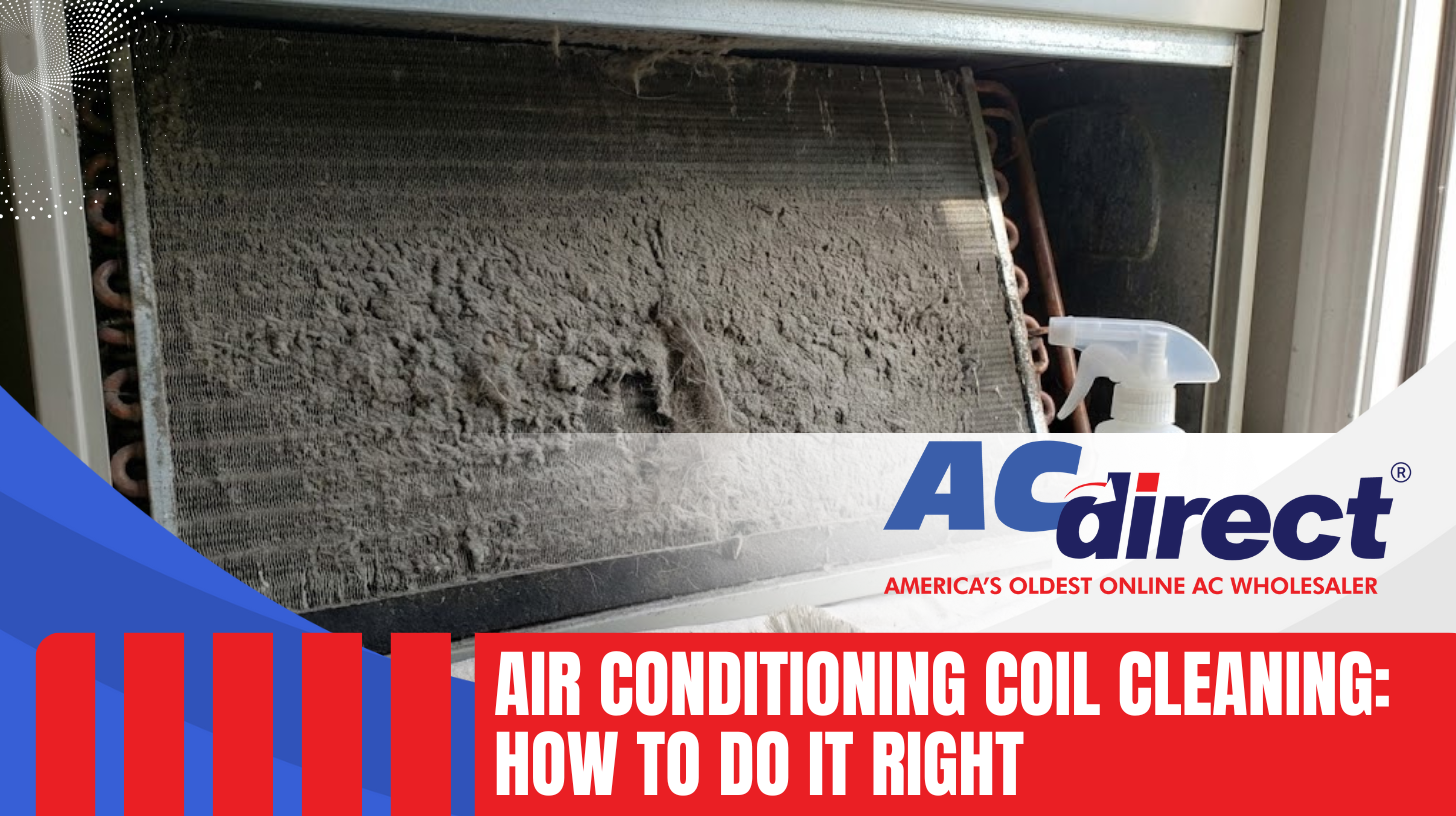
Dust, dirt, and debris can accumulate on the evaporator coil over time, insulating it and reducing its ability to transfer heat. A dirty coil forces your AC system to work harder, increasing energy consumption and potentially leading to overheating. Regular air filter changes are crucial to prevent dirt buildup on the coil.
Corrosion
Corrosion can occur, especially in coastal areas or homes with high humidity. The corrosive effects of salt air or moisture can damage the coil's fins and tubing, leading to leaks and reduced efficiency. Regular maintenance and protective coatings can help prevent corrosion.
Restricted Airflow
Anything that restricts airflow across the coil can cause problems. This could be due to a blocked return vent, closed registers, or even ductwork issues. Restricted airflow reduces the amount of warm air passing over the coil, impacting its ability to cool effectively. Make sure your vents are open and clear of obstructions.
Signs Your Evaporator Coil Needs Replacing
Knowing when to replace your Carrier AC evaporator coil can save you money and prevent further damage to your system. Here are some key signs to watch out for:
Reduced Cooling Performance
If your AC is running longer than usual but not cooling your home effectively, it could be a sign of a failing evaporator coil. You might notice that certain rooms are warmer than others or that the system struggles to maintain a consistent temperature.
Visible Leaks
If you see refrigerant leaking from your indoor unit, it's a clear indication that the evaporator coil is damaged and needs attention. Refrigerant leaks can be harmful to the environment and should be addressed immediately.
Ice Formation
As mentioned earlier, ice formation on the evaporator coil is a sign of a problem. While it might not always require a full replacement, it's important to investigate the cause and determine if the coil is beyond repair.
Unusual Noises
Strange noises coming from your indoor unit, such as hissing or bubbling sounds, could indicate a refrigerant leak in the evaporator coil. These noises are often accompanied by reduced cooling performance.
Musty Odor
A musty or moldy odor coming from your vents can be a sign of mold growth on the evaporator coil. This is often caused by moisture buildup and poor airflow. In some cases, cleaning the coil can resolve the issue, but severe mold growth might necessitate replacement.
How to Choose the Right Replacement Evaporator Coil for Your Carrier AC
If you determine that your Carrier AC evaporator coil needs replacing, it's crucial to choose the right replacement. Here are some factors to consider:
Compatibility
Ensure that the replacement coil is compatible with your existing Carrier AC system. Check the model number and specifications to ensure a proper fit. An incorrectly sized or incompatible coil can lead to performance issues and even damage your system.
Quality
Opt for a high-quality replacement coil from a reputable manufacturer. While cheaper options might be tempting, they often have shorter lifespans and lower efficiency. Investing in a quality coil will save you money in the long run.
Coating
Consider a coil with a protective coating, especially if you live in a coastal area or have concerns about corrosion. Coatings can help extend the life of the coil and prevent leaks. An epoxy or similar coating can provide added protection.
Warranty
Check the warranty offered by the manufacturer. A longer warranty provides peace of mind and protects you against defects or premature failure. Be sure to understand the terms and conditions of the warranty before making a purchase. You might consider a Buy air conditioners for your home if you're not sure which coil to get.
Carrier Evaporator Coil Replacement Cost: What to Expect
Replacing a Carrier AC evaporator coil can be a significant expense, so it's important to understand the costs involved. The price can vary depending on several factors, including:
Coil Type and Size
Larger coils and those with advanced features will generally cost more. The specific type of coil required for your system will also affect the price. Matched systems are sometimes required by local codes, so be certain before Buying a ac unit.
Labor Costs
Labor costs can vary depending on your location and the HVAC contractor you choose. Get quotes from multiple contractors to ensure you're getting a fair price. Labor typically accounts for a significant portion of the overall cost.
Refrigerant
If your system uses refrigerant, you'll need to have it recovered and replaced during the coil replacement. The cost of refrigerant can fluctuate, so factor this into your budget. Newer refrigerants tend to be more expensive than older ones.
In general, you can expect to pay anywhere from $800 to $2,500 for a Carrier AC evaporator coil replacement, including parts and labor. It's always a good idea to get multiple quotes and ask for a detailed breakdown of the costs involved.
Tips to Extend the Life of Your Carrier Evaporator Coil
Proper maintenance can significantly extend the life of your Carrier AC evaporator coil and prevent costly repairs. Here are some tips to follow:
Regular Filter Changes
Change your air filter regularly, typically every 1-3 months, depending on the type of filter and the air quality in your home. A clean filter prevents dirt and debris from accumulating on the evaporator coil.
Professional Inspections
Schedule regular professional inspections and maintenance for your AC system. An HVAC technician can identify potential problems early and address them before they become major issues. Regular inspections can also improve your system's efficiency.
Coil Cleaning
Have your evaporator coil cleaned periodically by a professional. They have the tools and expertise to clean the coil without damaging it. Professional cleaning removes dirt, dust, and mold, improving airflow and cooling performance.
Maintain Airflow
Ensure that your vents are open and clear of obstructions. Don't block return vents with furniture or rugs. Proper airflow is essential for efficient cooling and prevents the evaporator coil from freezing. Something like a Coleman mobile home furnace needs good airflow to work effectively.
Control Humidity
Control the humidity levels in your home, especially during humid months. High humidity can contribute to mold growth on the evaporator coil. Use a dehumidifier if necessary.
When to Call an HVAC Professional
While some AC issues can be addressed with simple troubleshooting, others require the expertise of a qualified HVAC professional. Here are some situations where it's best to call a pro:
Refrigerant Leaks
Refrigerant leaks require specialized equipment and knowledge to repair safely and effectively. Don't attempt to handle refrigerant yourself, as it can be harmful to your health and the environment. A professional can locate and repair the leak and recharge the system with the correct amount of refrigerant.
Frozen Coil
If your evaporator coil is freezing repeatedly, it's important to diagnose the underlying cause. An HVAC professional can identify the problem and recommend the appropriate solution. This may involve repairing a refrigerant leak, cleaning the coil, or replacing a malfunctioning component.
Complex Repairs
Any complex repairs involving the evaporator coil should be handled by a professional. Attempting to fix these issues yourself can be dangerous and could potentially damage your system further. HVAC professionals have the training and experience to perform these repairs safely and effectively. Consider the advice from Alameda Municipal Power when choosing a professional.
Frequently Asked Questions
What does an evaporator coil do in my Carrier AC system?
The evaporator coil absorbs heat from the air inside your home, cooling it down. Refrigerant flowing through the coil evaporates, hence the name, in the process of absorbing heat.
How often should I replace my Carrier AC evaporator coil?
The lifespan of an evaporator coil varies, but typically lasts 10-15 years. Regular maintenance and addressing issues promptly can extend its life. Replacement is usually needed when there are irreparable leaks or corrosion.
What are the symptoms of a failing evaporator coil in my Carrier AC?
Common signs include reduced cooling performance, frozen coil, leaking refrigerant, unusual noises, and a musty odor coming from your vents.
Can I clean my Carrier AC evaporator coil myself?
While you can clean the area around the coil, cleaning the coil itself is best left to a professional. They have the tools and expertise to clean it without damaging it.
How much does it cost to replace a Carrier AC evaporator coil?
Replacement costs vary depending on the model and labor, but typically range from $800 to $2,500. Getting quotes from multiple HVAC professionals is recommended.
Final Thoughts
Dealing with a malfunctioning Carrier AC evaporator coil can be frustrating, but understanding the common problems and knowing what to look for can help you take proactive steps. Remember that regular maintenance, such as changing your air filter and scheduling professional inspections, can significantly extend the life of your coil and prevent costly repairs.
When issues arise, don't hesitate to consult with a qualified HVAC professional. They can accurately diagnose the problem and recommend the best course of action, whether it's a simple repair or a complete replacement. By making informed decisions and taking good care of your AC system, you can ensure comfortable and efficient cooling for years to come.
Ultimately, keeping your Carrier AC evaporator in good shape contributes to a more comfortable and energy-efficient home. Take the time to understand your system and address any issues promptly to avoid bigger problems down the road.