 and now, NASCAR Racing Sponsor


Carrier AC Evaporator Coil Problems: Diagnosis and Solutions
-
 By
Michael Haines
By
Michael Haines
- Oct 19, 2023

Hi, I'm Mike Haines, founder of AC Direct. If you're having trouble with your Carrier air conditioner, the evaporator coil might be the culprit. This article will walk you through common issues, how to spot them, and what you can do to get your AC back up and running efficiently. This is for homeowners and small business owners, not HVAC techs, so I'll keep it straightforward.
- Evaporator coils are vital for cooling, absorbing heat from indoor air.
- Common issues include leaks, corrosion, and freezing, leading to reduced cooling.
- Signs of failure include weak airflow, warm air, and increased energy bills.
- Replacement costs vary, and professional installation is usually recommended.
- Regular maintenance can help prevent evaporator coil problems.
What is a Carrier AC Evaporator Coil?
The evaporator coil is a key component of your Carrier air conditioning system. Located inside your indoor air handler, its primary job is to absorb heat from the air passing over it. This process cools the air before it's circulated back into your home. Refrigerant flows through the coil, changing from a liquid to a gas as it absorbs heat. This phase change is essential for the cooling process.
Why is the Evaporator Coil Important for Your Carrier AC?
Without a functioning evaporator coil, your Carrier AC simply can't cool your home effectively. It's where the magic of heat transfer happens. A healthy evaporator coil ensures efficient cooling, consistent temperatures, and lower energy bills. If the coil is damaged or malfunctioning, your AC system will struggle to maintain the set temperature, leading to discomfort and higher operating costs. You may also notice that your unit is running constantly without properly cooling the air. Getting the right size unit for your space is imperative to ensure the right amount of cooling, and a Hvac size calculator can help you with that.
Common Problems with Carrier AC Evaporator Coils
Several issues can plague Carrier AC evaporator coils. Here are some of the most common:
- Refrigerant Leaks: This is a frequent problem. Leaks can occur due to corrosion or physical damage, leading to reduced cooling capacity.
- Corrosion: Over time, the coil can corrode due to exposure to moisture and chemicals in the air. Corrosion reduces the coil's ability to transfer heat efficiently.
- Freezing: A frozen evaporator coil is another common issue. This can happen due to restricted airflow, low refrigerant levels, or a malfunctioning blower motor.
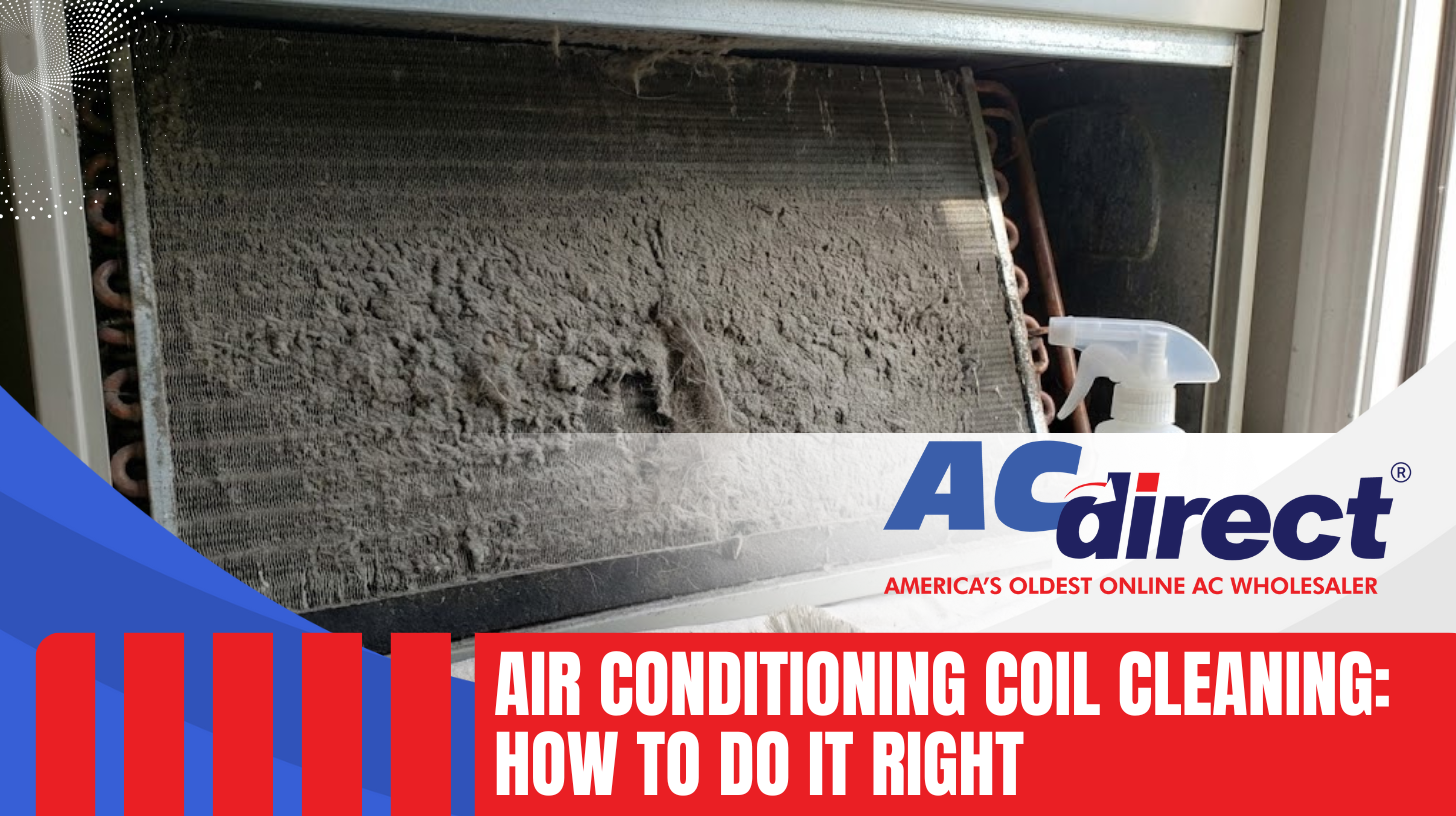
- Dirt and Debris Buildup: A dirty coil can't effectively absorb heat. Dust, pollen, and other debris can accumulate on the coil's surface, insulating it and reducing its performance.
- Damaged Fins: The fins surrounding the coil help to increase its surface area for heat transfer. These fins are delicate and can be easily bent or damaged, reducing their effectiveness.
Signs of a Failing Evaporator Coil in Your Carrier AC
Knowing the signs of a failing evaporator coil can help you catch problems early and prevent further damage to your Carrier AC system. Keep an eye out for these indicators:
- Weak Airflow: If the airflow from your vents is significantly reduced, it could be a sign of a frozen or blocked evaporator coil.
- Warm Air: If your AC is blowing warm air instead of cold, the evaporator coil may not be functioning correctly.
- Ice Buildup: Visible ice on the evaporator coil is a clear indication of a problem. Turn off the AC immediately to allow the ice to melt and prevent further damage.
- Refrigerant Leaks: Look for signs of refrigerant leaks, such as oily residue near the coil or a hissing sound.
- Unusual Noises: Strange noises coming from your AC unit, such as bubbling or hissing, could indicate an issue with the evaporator coil.
- Increased Energy Bills: A failing evaporator coil can cause your AC system to work harder, leading to higher energy consumption and increased utility bills.
Choosing the Right Replacement Evaporator Coil for Your Carrier AC
If your Carrier AC evaporator coil is beyond repair, you'll need to replace it. Selecting the right replacement coil is crucial for optimal performance and efficiency. Here are some factors to consider:
- Compatibility: Ensure the replacement coil is compatible with your Carrier AC model. Check the manufacturer's specifications to confirm compatibility.
- Size and Capacity: The replacement coil should have the same size and capacity as the original coil. An undersized coil won't provide enough cooling, while an oversized coil can lead to humidity problems. For example, if you need to cool a 1000 square foot home, you might want to consider a 3.5 ton ac unit square footage.
- Material: Evaporator coils are typically made of copper or aluminum. Copper coils are more durable and offer better heat transfer, but they are also more expensive. Aluminum coils are more affordable but may not last as long.
- Coating: Consider a coil with a protective coating to prevent corrosion and extend its lifespan.
- Warranty: Look for a replacement coil with a good warranty to protect against defects and premature failure.
Carrier AC Evaporator Coil Replacement Costs: Factors to Consider
The cost of replacing a Carrier AC evaporator coil can vary depending on several factors:
- Coil Type and Size: Larger coils and those made of more expensive materials (like copper) will cost more.
- Refrigerant Type: The type of refrigerant your system uses can impact the cost. Some refrigerants are more expensive than others.
- Accessibility: If the evaporator coil is difficult to access, the labor costs will be higher.
- Labor Rates: HVAC contractor labor rates vary depending on location and experience.
- Additional Repairs: If other components of your AC system need to be repaired or replaced at the same time, this will add to the overall cost.
It's important to get quotes from multiple HVAC contractors to compare prices and services. Be sure to ask for a detailed breakdown of the costs involved.
DIY vs. Professional Evaporator Coil Replacement
While some homeowners might be tempted to replace the evaporator coil themselves to save money, I generally advise against it. Here's why:
- Complexity: Replacing an evaporator coil is a complex task that requires specialized knowledge and tools.
- Refrigerant Handling: Working with refrigerant can be dangerous and requires EPA certification. Improper handling of refrigerant can harm the environment.
- Warranty: DIY installation can void the warranty on your AC system.
- Risk of Damage: Improper installation can damage other components of your AC system, leading to further expenses.
Unless you are a qualified HVAC technician, it's best to hire a professional to replace your Carrier AC evaporator coil. A professional will have the necessary skills, tools, and experience to ensure the job is done correctly and safely.
Tips to Prevent Evaporator Coil Problems in Your Carrier AC
Preventing evaporator coil problems can save you money and extend the life of your Carrier AC system. Here are some tips:
- Regular Maintenance: Schedule regular maintenance with a qualified HVAC technician. They can inspect and clean the evaporator coil, check refrigerant levels, and identify potential problems early on.
- Air Filter Replacement: Change your air filter regularly (every 1-3 months) to prevent dust and debris from accumulating on the evaporator coil.
- Proper Airflow: Ensure that vents are not blocked by furniture or curtains. Good airflow is essential for preventing the evaporator coil from freezing.
- Leak Detection: If you suspect a refrigerant leak, contact a professional immediately.
- Keep the Area Clean: Keep the area around your outdoor unit clean and free of debris. This will help ensure proper airflow and prevent the unit from overheating.
Matching Your Evaporator Coil to Your Carrier AC System
Properly matching the evaporator coil to your Carrier AC system is vital for optimal performance and energy efficiency. An incompatible coil can lead to reduced cooling capacity, increased energy consumption, and premature system failure.
When selecting a replacement evaporator coil, make sure it is specifically designed for your Carrier AC model. Check the manufacturer's specifications to ensure compatibility. The coil should have the same size and capacity as the original coil. Also, you should consider whether Air conditioner financing is right for you.
Understanding SEER Ratings and Evaporator Coil Performance
SEER (Seasonal Energy Efficiency Ratio) ratings measure the energy efficiency of air conditioning systems. The higher the SEER rating, the more efficient the system. The evaporator coil plays a role in the overall SEER rating of your Carrier AC system.
A properly functioning evaporator coil ensures that your AC system operates at its rated SEER efficiency. A damaged or malfunctioning coil can reduce the system's efficiency, leading to higher energy bills. When replacing your evaporator coil, consider upgrading to a higher-efficiency model to improve your system's overall SEER rating. Keep in mind that local utilities may offer incentives for upgrading to more efficient equipment. For example, depending on the location and climate, organizations such as Truckee Donner PUD offer rebates and incentives.
Finding a Reputable HVAC Contractor for Evaporator Coil Services
Choosing the right HVAC contractor is essential for ensuring quality evaporator coil services. Here are some tips for finding a reputable contractor:
- Check Credentials: Make sure the contractor is licensed and insured.
- Read Reviews: Check online reviews and ask for references from past customers.
- Get Multiple Quotes: Obtain quotes from multiple contractors to compare prices and services.
- Ask Questions: Don't hesitate to ask the contractor questions about their experience, qualifications, and warranty policies.
- Verify Experience: Confirm that the contractor has experience working with Carrier AC systems and evaporator coils.
A reputable HVAC contractor will provide a thorough inspection of your AC system, offer honest advice, and perform quality work.
Troubleshooting Common Carrier AC Problems Related to Evaporator Coils
If you're experiencing problems with your Carrier AC, here are some troubleshooting tips related to evaporator coils:
- AC Not Cooling: Check the air filter and ensure that the evaporator coil is not frozen. If the coil is frozen, turn off the AC and allow it to thaw. If the problem persists, contact a professional.
- Weak Airflow: Check for blocked vents and ensure that the blower motor is functioning properly. A dirty air filter can also restrict airflow.
- High Energy Bills: A malfunctioning evaporator coil can cause your AC system to work harder, leading to higher energy bills. Schedule a professional inspection to identify and resolve the problem.
- Refrigerant Leaks: If you suspect a refrigerant leak, contact a qualified HVAC technician immediately. Refrigerant leaks can be dangerous and require professional repair.
These troubleshooting tips can help you identify and resolve common Carrier AC problems related to evaporator coils. However, if you're not comfortable working on your AC system, it's always best to consult with a professional.
Frequently Asked Questions
What does a Carrier AC evaporator coil do?
The evaporator coil is a crucial part of your Carrier AC. It's responsible for absorbing heat from the air inside your home. The refrigerant inside the coil changes from a liquid to a gas as it absorbs this heat, which is what cools the air before it gets circulated back into your rooms.
How often should I replace my Carrier AC evaporator coil?
The lifespan of an evaporator coil can vary, but you can generally expect it to last around 10 to 15 years. Regular maintenance is key to extending its life, and addressing any issues promptly can help. If you're constantly having problems or your system is getting old, it might be time to think about a replacement.
How much does it cost to replace a Carrier AC evaporator coil?
The price to replace a Carrier AC evaporator coil depends on several things, including the specific model you need, how easy it is to access the coil, the type of refrigerant your system uses, and local labor costs. You can probably expect to pay anywhere from $800 to $2500, but it could be more for complicated systems. I always suggest getting quotes from a few different HVAC contractors to make sure you're getting a fair price.
What are the signs of a bad evaporator coil?
If your evaporator coil is failing, you might notice weak airflow, warm air coming from your vents, ice building up on the coil, refrigerant leaks, strange noises from your AC unit, or even a spike in your energy bills. If you see any of these warning signs, it's a good idea to call an HVAC technician to take a look.
Can I replace the evaporator coil myself?
Replacing an evaporator coil is a pretty complex job that involves handling refrigerant and requires specific knowledge of HVAC systems. Because of the potential hazards and the risk of damaging your AC unit or even voiding the warranty, I usually recommend hiring a licensed HVAC technician to handle the replacement. They'll make sure it's installed correctly and safely.
Final Thoughts
The evaporator coil is a vital component of your Carrier AC system, and understanding its function and potential problems is key to maintaining a comfortable home. Regular maintenance, prompt repairs, and informed replacement decisions can help ensure your AC system operates efficiently and reliably for years to come.
Don't hesitate to seek professional help when dealing with evaporator coil issues. A qualified HVAC contractor can diagnose problems accurately, recommend the best solutions, and perform quality work to keep your Carrier AC system running smoothly.
By staying informed and proactive, you can avoid costly repairs and enjoy the benefits of a well-maintained Carrier AC system.