 and now, NASCAR Racing Sponsor


Carrier AC Evaporator Coils: Troubleshooting and Replacement
-
 By
Michael Haines
By
Michael Haines
- Oct 20, 2023

Hi, I'm Mike Haines, founder of AC Direct. Many homeowners don't think about their AC's evaporator coil until there's a problem. But understanding this component is key to keeping your Carrier AC running efficiently and avoiding costly repairs. I'll walk you through common issues, how to spot them, and what to do when it's time for a replacement. This information is for homeowners and small business owners looking to understand their AC systems better.
- Evaporator coils are essential for cooling your home efficiently by absorbing heat from indoor air.
- Common issues include corrosion, refrigerant leaks, and dirt buildup, which can reduce cooling performance.
- Signs of a failing coil include weak airflow, warm air, and unusual noises coming from your AC unit.
- Proper maintenance, like annual cleaning, can extend the life of your evaporator coil and prevent costly repairs.
- Replacing a Carrier AC evaporator coil typically costs between $800 and $2500, including parts and labor.
What is a Carrier AC Evaporator Coil?
The evaporator coil is a vital part of your Carrier air conditioner. It's typically located inside your home, often within the indoor air handler or furnace. Its primary function is to absorb heat from the air that's blown across it, cooling the air before it's circulated back into your living space. Think of it as the engine that drives the cooling process.
The evaporator coil contains refrigerant, a special fluid that changes from a liquid to a gas as it absorbs heat. This phase change is what allows the coil to effectively cool the air. Without a properly functioning evaporator coil, your AC simply won't be able to keep your home comfortable.
Why is the Evaporator Coil Important for Home Comfort?
The evaporator coil plays a central role in maintaining a comfortable indoor environment. When it works efficiently, your home stays cool and humidity levels are kept in check. A malfunctioning coil, on the other hand, can lead to several issues that impact your comfort and your wallet.
For example, a dirty or damaged evaporator coil can reduce airflow, meaning your AC has to work harder to cool your home. This can lead to higher energy bills and uneven temperatures throughout your house. Moreover, a failing coil can contribute to poor indoor air quality, as it can become a breeding ground for mold and bacteria.
If you're also considering a new furnace, be sure to think about what What size furnace do i need. Getting the right size is critical for your overall home comfort.
Common Problems with Carrier Evaporator Coils
Like any mechanical component, evaporator coils are subject to wear and tear. Here are some of the most common problems I see with Carrier AC evaporator coils:
- Corrosion: Over time, the coil can corrode due to exposure to moisture and airborne pollutants. Corrosion reduces the coil's ability to transfer heat, leading to decreased efficiency.
- Refrigerant Leaks: Leaks can occur due to corrosion, physical damage, or manufacturing defects. Refrigerant leaks not only reduce cooling performance but can also harm the environment.
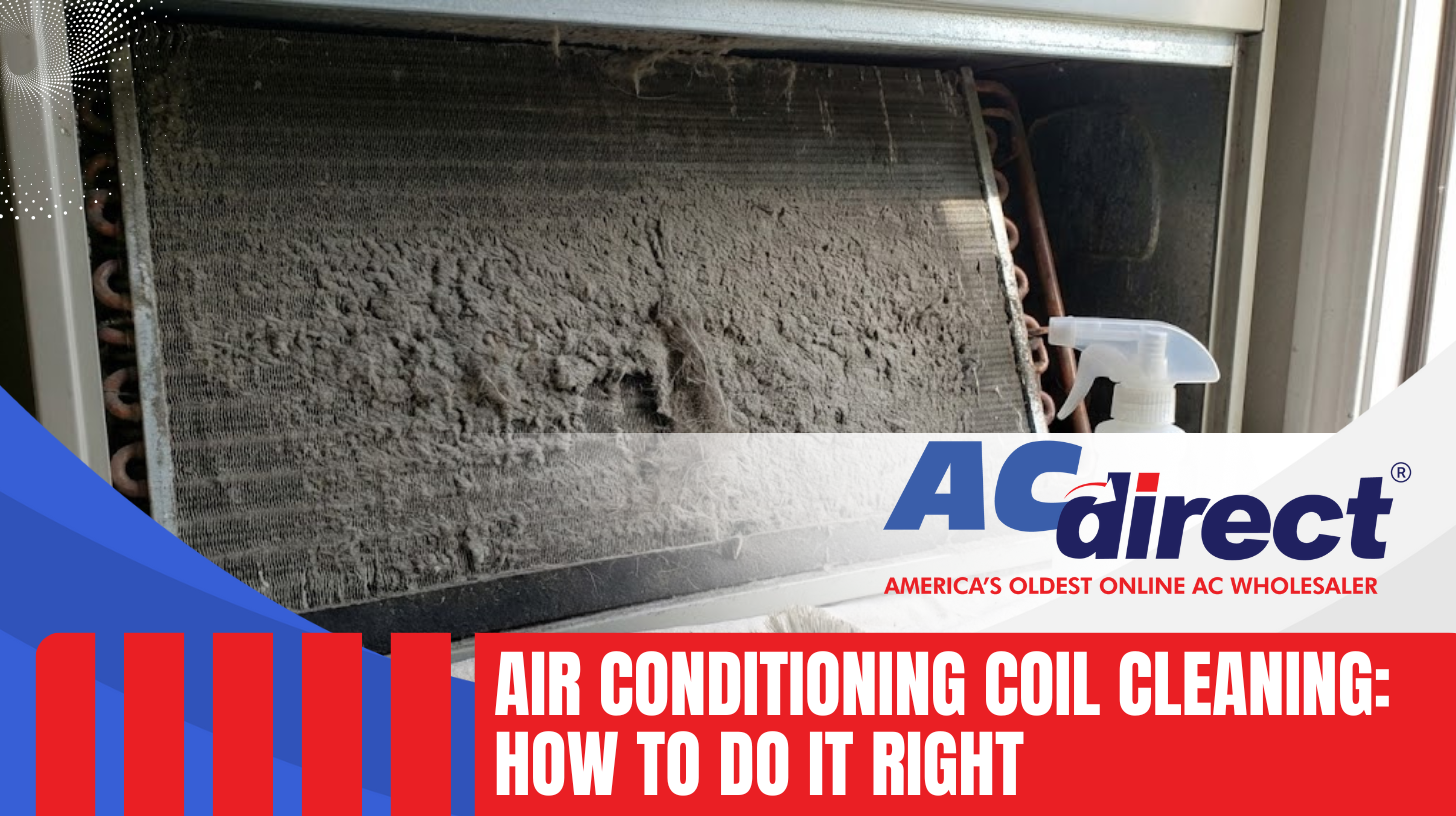
- Dirt and Debris Buildup: Dust, pollen, and other debris can accumulate on the coil's surface, insulating it and reducing its ability to absorb heat. This is why regular cleaning is so important.
- Frozen Coil: A frozen evaporator coil can occur due to restricted airflow, low refrigerant levels, or a malfunctioning blower motor. Ice buildup further restricts airflow and can damage the coil.
Signs of a Failing Evaporator Coil
Recognizing the signs of a failing evaporator coil can help you address the issue early and prevent further damage. Here are some telltale signs:
- Weak Airflow: If you notice that the air coming from your vents is weaker than usual, it could indicate a problem with the evaporator coil.
- Warm Air: One of the most obvious signs is that your AC is blowing warm air instead of cool air.
- Unusual Noises: Hissing or bubbling noises coming from your AC unit can indicate a refrigerant leak in the evaporator coil.
- Increased Energy Bills: A failing coil forces your AC to work harder, resulting in higher energy consumption and increased monthly bills.
- Visible Ice Buildup: If you see ice forming on the evaporator coil, it's a clear sign that something is wrong.
- Musty Odor: A moldy or musty smell coming from your vents can indicate mold growth on the evaporator coil.
Choosing the Right Replacement Coil for Your Carrier AC
If your evaporator coil is beyond repair, replacing it is the best option. When choosing a replacement, it's crucial to select a coil that's compatible with your Carrier AC system. This means considering the following factors:
- Size and Capacity: The replacement coil must have the correct size and cooling capacity for your AC unit. Consult your AC's manual or an HVAC professional to determine the appropriate specifications.
- Refrigerant Type: Ensure that the replacement coil is compatible with the type of refrigerant used in your AC system. Using the wrong refrigerant can damage your unit and void your warranty.
- Brand Compatibility: While universal coils exist, I generally recommend sticking with a Carrier-branded replacement coil to ensure optimal performance and compatibility.
- Quality and Durability: Look for a coil made from high-quality materials that are designed to withstand corrosion and other forms of wear and tear.
Consider buying from a supplier that offers Ac direct wholesale so you can be sure you're getting a fair price.
Carrier Evaporator Coil Cost: Factors and Budgeting
The cost of replacing a Carrier AC evaporator coil can vary depending on several factors. These include:
- Coil Type and Size: Larger and more complex coils typically cost more than smaller, simpler ones.
- Refrigerant Type: Coils designed for newer refrigerants may be more expensive.
- Labor Costs: Installation costs can vary depending on the complexity of the job and the rates charged by your HVAC technician.
- Location: Prices can differ depending on your geographic location and local market conditions.
As a general estimate, you can expect to pay between $800 and $2500 for a complete evaporator coil replacement, including parts and labor. It's always a good idea to get quotes from multiple HVAC professionals to compare prices and services. Don't forget to check out A/c heat pump system if you're interested in upgrading your entire system.
Improving Evaporator Coil Efficiency and Lifespan
Proper maintenance is key to maximizing the efficiency and lifespan of your Carrier AC evaporator coil. Here are some steps you can take:
- Regular Cleaning: Schedule annual AC maintenance with a qualified technician. They will clean the evaporator coil and remove any accumulated dirt and debris.
- Air Filter Replacement: Change your air filter regularly (every 1-3 months) to prevent dust and pollen from reaching the coil.
- Leak Detection and Repair: If you suspect a refrigerant leak, have it repaired promptly to prevent further damage to the coil and the environment.
- Proper Airflow: Ensure that your vents are not blocked by furniture or other obstructions, as this can restrict airflow and cause the coil to freeze.
For compliance with energy efficiency standards, you can also check the guidelines set by your local public service commission, such as the Alabama PSC.
When to Call a Professional HVAC Technician
While some AC maintenance tasks can be done yourself, certain issues require the expertise of a professional HVAC technician. It's best to call a pro if you experience any of the following:
- Refrigerant Leaks: Refrigerant handling requires specialized equipment and training.
- Frozen Evaporator Coil: Diagnosing and resolving a frozen coil often involves troubleshooting multiple components.
- Complex Repairs: If you're not comfortable working with electrical components or refrigerant lines, it's best to leave the repairs to a professional.
- Warranty Concerns: Attempting to repair the evaporator coil yourself may void your AC's warranty.
Frequently Asked Questions
What does an evaporator coil do in a Carrier AC system?
The evaporator coil absorbs heat from your indoor air, cooling it before it's circulated back into your home. It's a critical component for efficient cooling.
How often should a Carrier AC evaporator coil be cleaned?
Ideally, your evaporator coil should be inspected and cleaned annually as part of your AC maintenance. Regular cleaning prevents buildup and maintains efficiency.
What are the common causes of evaporator coil failure in Carrier AC units?
Corrosion, refrigerant leaks, and dirt buildup are the most common causes. Proper maintenance and addressing issues early can prevent premature failure.
How much does it cost to replace a Carrier AC evaporator coil?
Replacement costs vary, but typically range from $800 to $2500, including parts and labor. Get quotes from multiple HVAC professionals for an accurate estimate.
Can I clean my Carrier AC evaporator coil myself?
While some DIY cleaning is possible, it's best left to professionals. Improper cleaning can damage the coil and void your warranty. If you're comfortable, use a fin comb gently.
Final Thoughts
Understanding your Carrier AC's evaporator coil is essential for maintaining a comfortable and energy-efficient home. By recognizing the common problems, knowing the signs of a failing coil, and taking proactive steps to improve efficiency, you can extend the life of your AC system and avoid costly repairs.
When it comes to evaporator coil replacement or complex repairs, don't hesitate to call a qualified HVAC technician. Their expertise will ensure that the job is done correctly and safely.
Ultimately, making informed decisions about your HVAC system will save you money and keep your home comfortable for years to come.