 and now, NASCAR Racing Sponsor


Carrier Air Conditioner Condenser: Choosing the Right Model for Your Home
-
 By
Michael Haines
By
Michael Haines
- Oct 21, 2023

Hi, I'm Mike Haines, founder of AC Direct. If you're thinking about purchasing a new air conditioner, the condenser is one of the most important components to consider. A quality condenser will keep your home cool and comfortable, while also running efficiently and saving you money. This information is for homeowners and small business owners who are considering a new Carrier air conditioner condenser.
- Carrier air conditioner condensers are known for their reliability, efficiency, and advanced features.
- Choosing the right size condenser is crucial for optimal performance and energy savings.
- Proper installation and regular maintenance are essential to extend the lifespan of your Carrier AC condenser.
- Consider SEER ratings and energy-efficient models to reduce your utility bills.
- Consult with a qualified HVAC contractor to ensure you select the best Carrier condenser for your needs.
What is a Carrier Air Conditioner Condenser?
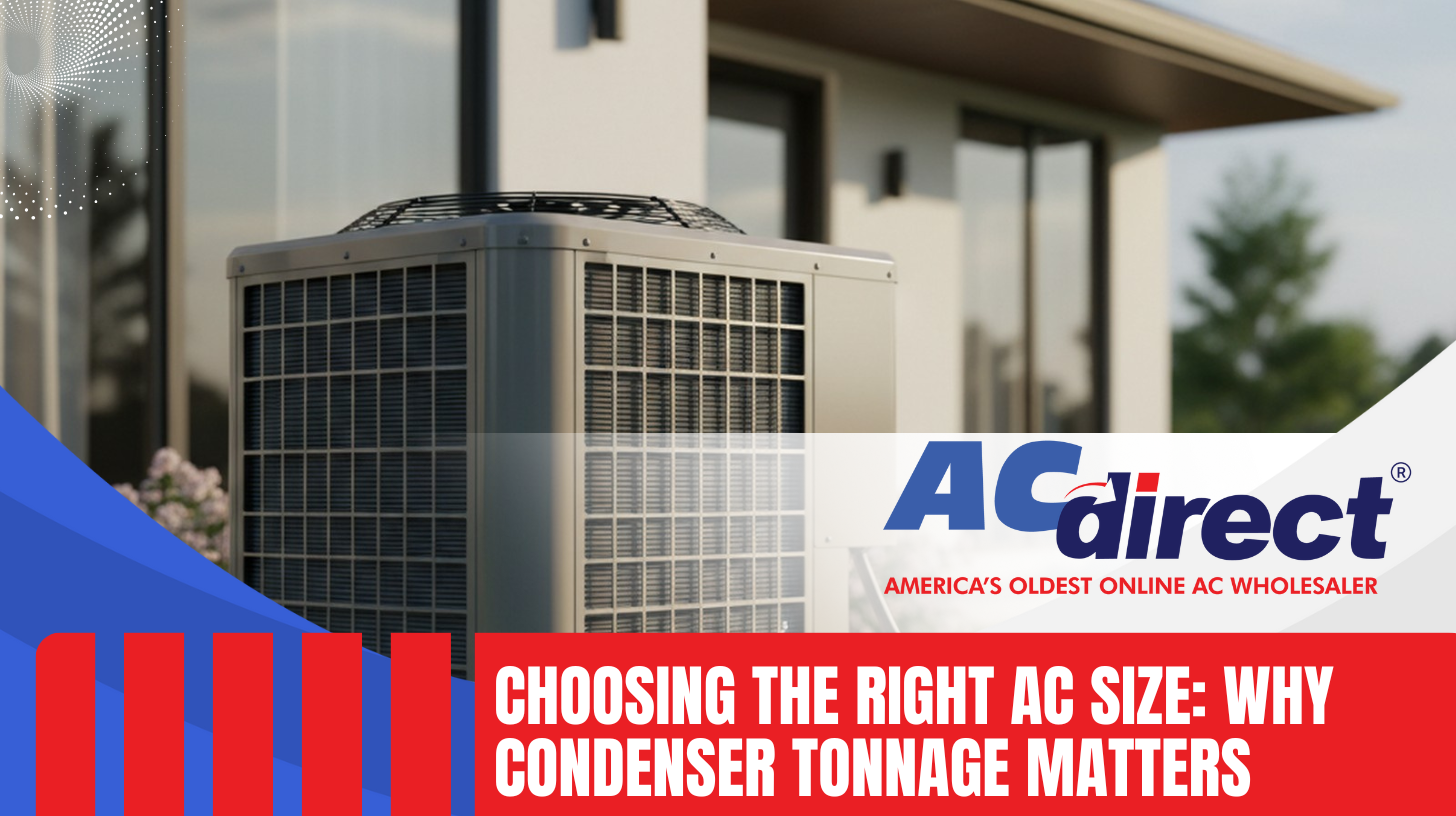
The air conditioner condenser is the outdoor unit of a split-system air conditioning system. It's responsible for releasing heat from your home to the outside air. The condenser contains a compressor, a condenser coil, a fan, and other components that work together to cool your home. Carrier is a well-known brand in the HVAC industry, recognized for manufacturing high-quality, efficient, and durable air conditioning condensers.
Why Choose a Carrier AC Condenser?
I often get asked why homeowners should choose Carrier over other brands. In my experience, Carrier AC condensers offer a number of advantages. They are built with quality components and advanced technology. They are known for their reliability and long lifespan. Carrier also offers a wide range of models to suit different needs and budgets, from basic, economical units to high-end, ultra-efficient models. You might consider a Heating and cooling supply for your home. Carrier also offers models with features like variable-speed compressors and smart home integration.
Key Features of Carrier Condensers
Carrier air conditioner condensers come with a range of features designed to improve performance, efficiency, and comfort. Some key features include:
- High SEER Ratings: Many Carrier condensers boast high Seasonal Energy Efficiency Ratio (SEER) ratings, which translate to significant energy savings.
- Two-Stage Compressors: Some models have two-stage compressors that operate at different speeds to match cooling demand, improving efficiency and comfort.
- Variable-Speed Compressors: Carrier's premium condensers feature variable-speed compressors that can precisely adjust cooling output for optimal performance and energy savings.
- Quiet Operation: Carrier condensers are designed for quiet operation, with features like sound-dampening technology and optimized fan blades.
- Durable Construction: Carrier condensers are built with durable materials and components to withstand harsh weather conditions and provide years of reliable service.
Carrier Condenser Models: A Comparison
Carrier offers a variety of condenser models to suit different needs and budgets. Here's a brief overview of some popular Carrier series:
- Infinity Series: Carrier's top-of-the-line series, offering the highest efficiency, advanced features, and exceptional comfort.
- Performance Series: A balance of efficiency, features, and affordability.
- Comfort Series: Carrier's most economical series, providing reliable cooling at an affordable price.
Each series includes various models with different SEER ratings, cooling capacities, and features. When selecting a model, it's important to consider your specific cooling needs, budget, and energy-saving goals. Be sure to carefully evaluate the specifications of each model to determine which one is the best fit for your home.
Understanding SEER Ratings and Energy Efficiency
The Seasonal Energy Efficiency Ratio (SEER) rating is a measure of an air conditioner's cooling efficiency. The higher the SEER rating, the more efficient the unit is, and the less it will cost to operate. The U.S. Department of Energy sets minimum SEER standards for air conditioners. Currently, most new air conditioners must have a SEER rating of at least 14 or 15, depending on the region. When choosing a Carrier AC condenser, I advise homeowners to consider models with higher SEER ratings to maximize energy savings over the long term. While these models may have a higher upfront cost, the energy savings can quickly offset the price difference. Check the regulations set by the Regulatory Commission of Alaska in your area for specific SEER rating requirements.
How to Choose the Right Carrier Condenser Size
Choosing the right size condenser is crucial for optimal performance and efficiency. An undersized unit will struggle to cool your home effectively, while an oversized unit can cycle on and off too frequently, leading to energy waste and poor humidity control. The size of an air conditioner is measured in British Thermal Units (BTUs). To determine the appropriate BTU rating for your home, you need to consider factors such as your home's square footage, insulation levels, window size and orientation, and climate. I always recommend having a qualified HVAC contractor perform a load calculation to accurately assess your cooling needs and recommend the appropriate size condenser.
Carrier Condenser Installation: What to Expect
Proper installation is essential for ensuring the optimal performance, efficiency, and longevity of your Carrier AC condenser. I strongly advise against attempting to install a condenser yourself, as improper installation can lead to safety hazards, void the warranty, and reduce the unit's lifespan. A professional HVAC contractor will follow a specific process to install your condenser correctly, including:
- Removing the old unit (if applicable).
- Preparing the installation site.
- Connecting the refrigerant lines.
- Making electrical connections.
- Testing the system.
Carrier Condenser Costs and Financing Options
The cost of a Carrier AC condenser can vary depending on the model, size, SEER rating, and features. Generally, you can expect to pay more for higher-efficiency models and those with advanced features like variable-speed compressors. Labor costs can also vary depending on the complexity of the installation and the contractor's rates. Many HVAC contractors offer financing options to help homeowners manage the cost of a new air conditioner. These options may include low-interest loans, payment plans, and manufacturer rebates. It's worth exploring these options to make your purchase more affordable.
Maintenance Tips for Your Carrier AC Condenser
Regular maintenance is essential for keeping your Carrier AC condenser running efficiently and extending its lifespan. Here are some maintenance tips I recommend:
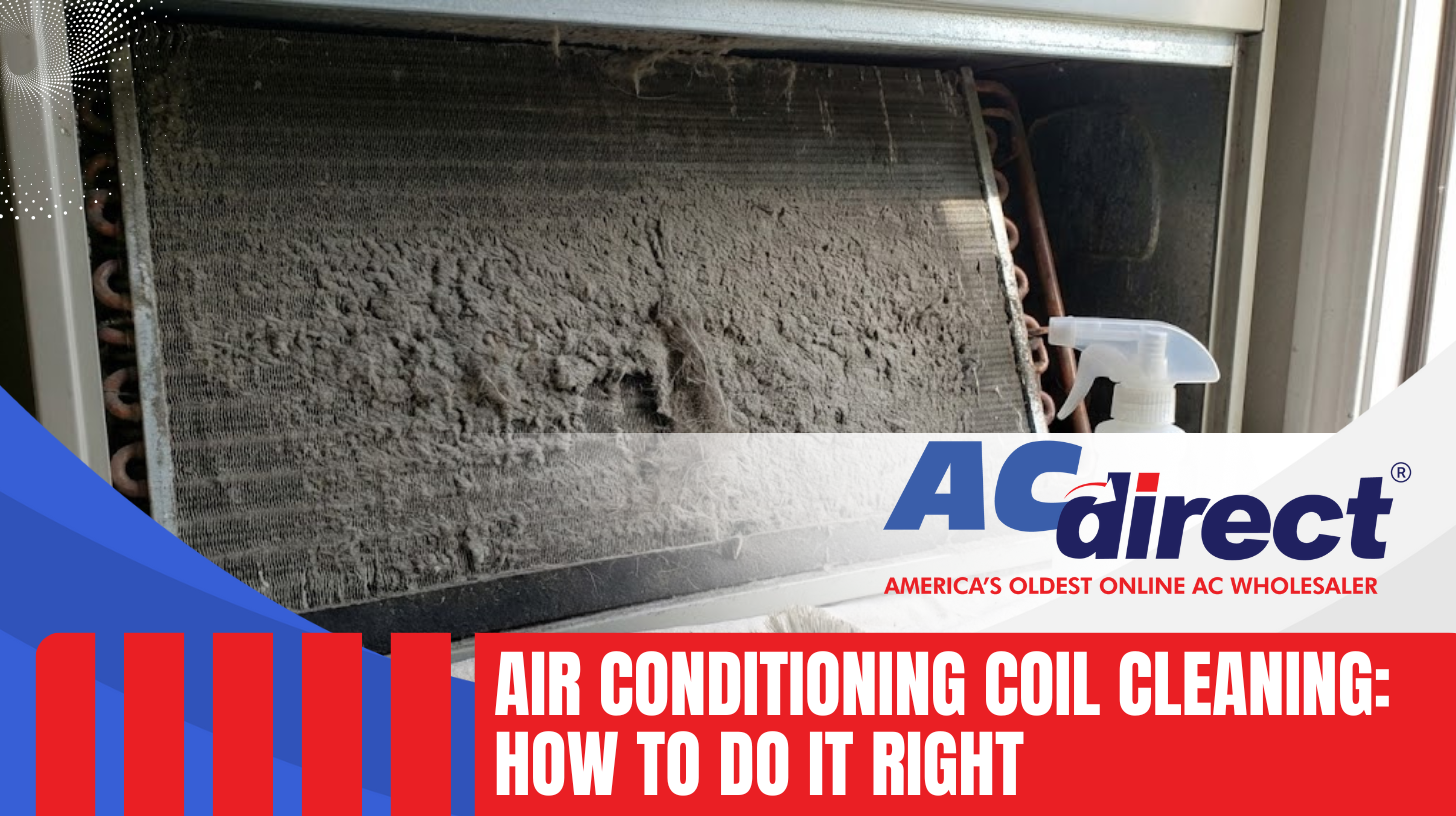
- Clean the Condenser Coils: At least once a year, clean the condenser coils to remove dirt, debris, and leaves. Use a garden hose with a gentle spray nozzle to avoid damaging the fins.
- Change the Air Filter: Regularly replace the air filter in your indoor unit to ensure proper airflow and prevent dust and debris from entering the system. A dirty air filter can reduce efficiency and cause the condenser to work harder.
- Trim Vegetation: Keep vegetation trimmed back from the condenser to ensure proper airflow.
- Schedule Professional Maintenance: Have a qualified HVAC contractor inspect and service your condenser at least once a year. They can check the refrigerant levels, clean the coils, lubricate moving parts, and identify any potential problems before they become major issues.
Troubleshooting Common Carrier Condenser Problems
Even with regular maintenance, you may encounter some common problems with your Carrier AC condenser. Here are some troubleshooting tips:
- Unit Not Cooling: Check the thermostat settings, air filter, and circuit breaker. If the unit is still not cooling, call a qualified HVAC contractor.
- Unit is Cycling On and Off Frequently: This could be due to an oversized unit, a dirty air filter, or a refrigerant leak. Contact a qualified HVAC contractor to diagnose and repair the problem.
- Unusual Noises: Unusual noises, such as buzzing, rattling, or hissing, could indicate a mechanical problem. Turn off the unit and call a qualified HVAC contractor.
- Water Leaking: Water leaking from the condenser could indicate a clogged drain line. Contact a qualified HVAC contractor to clear the drain line.
When to Replace Your Carrier Condenser
With proper maintenance, a Carrier AC condenser can last for 15 to 20 years. However, there may come a time when it's more cost-effective to replace the unit than to continue repairing it. Here are some signs that it may be time to replace your Carrier condenser:
- Age: If your condenser is more than 15 years old, it may be nearing the end of its lifespan.
- Frequent Repairs: If you're constantly having to repair your condenser, it may be more cost-effective to replace it.
- Decreased Efficiency: If your energy bills are increasing, it could be a sign that your condenser is losing efficiency.
- Outdated Refrigerant: If your condenser uses R-22 refrigerant, which is being phased out, it may be time to replace it with a unit that uses more environmentally friendly refrigerant.
Finding a Qualified HVAC Contractor for Carrier Products
Choosing a qualified HVAC contractor is essential for ensuring proper installation, maintenance, and repair of your Carrier AC condenser. Look for a contractor that is licensed, insured, and experienced in working with Carrier products. Ask for references and check online reviews to get an idea of their reputation. A good contractor will be able to assess your cooling needs, recommend the right size and type of condenser, and perform the installation or repair correctly. It's also a good idea to get multiple quotes from different contractors to ensure you're getting a fair price. I see a lot of homeowners making the mistake of choosing a contractor based on price alone. Keep in mind that the lowest price isn't always the best value.
Carrier Condensers and Indoor Air Quality
While the primary function of a Carrier AC condenser is to cool your home, it can also play a role in improving indoor air quality. By removing humidity from the air, air conditioners can help prevent the growth of mold and mildew. Some Carrier models also include features like air filters and UV lights that can help remove pollutants and allergens from the air. If you're concerned about indoor air quality, consider choosing a Carrier condenser with these features. You may also consider Hvac units to improve air quality.
The Future of Carrier Air Conditioning Technology
Carrier is committed to innovation and is constantly developing new technologies to improve the performance, efficiency, and sustainability of its air conditioning products. Some of the future trends in Carrier air conditioning technology include:
- Smart Home Integration: Carrier is developing air conditioners that can be integrated with smart home systems, allowing you to control your cooling system from your smartphone or other devices.
- More Efficient Refrigerants: Carrier is working to develop and use more environmentally friendly refrigerants that have lower global warming potential.
- Variable Capacity Technology: Variable capacity technology allows the air conditioner to adjust its cooling output to match the needs of the home, resulting in improved efficiency and comfort.
As technology continues to evolve, you can expect to see even more advanced and efficient Carrier air conditioner condensers in the future. These technologies will help homeowners save money on their energy bills, reduce their environmental impact, and enjoy a more comfortable indoor environment.
Frequently Asked Questions
What is the lifespan of a Carrier air conditioner condenser?
With proper maintenance, a Carrier AC condenser typically lasts between 15 and 20 years.
How do I know what size Carrier condenser I need for my home?
The correct size depends on factors like your home's square footage, insulation, and climate. A qualified HVAC contractor can perform a load calculation to determine the appropriate BTU rating.
What is a SEER rating, and why is it important for Carrier AC condensers?
SEER (Seasonal Energy Efficiency Ratio) measures the cooling efficiency of an air conditioner. A higher SEER rating means greater energy savings and lower utility bills.
How often should I have my Carrier AC condenser serviced?
It's recommended to have your Carrier AC condenser professionally serviced at least once a year, preferably in the spring before the cooling season begins.
Are Carrier air conditioner condensers noisy?
Carrier offers models with varying noise levels. Look for models with low decibel ratings if noise is a concern.
What is the warranty on a Carrier air conditioner condenser?
Carrier condensers typically come with a standard 10-year parts warranty, but it's essential to register your unit to ensure full coverage. Labor warranties may vary.
Can I install a Carrier AC condenser myself?
While it might seem tempting, it's highly recommended to have a professional HVAC contractor install your Carrier AC condenser. Proper installation ensures optimal performance, safety, and warranty validity. It's similar to installing Central air conditioners.
Final Thoughts
Choosing the right Carrier air conditioner condenser is a big decision that can impact your home's comfort, energy bills, and overall value. By understanding the key features, benefits, and considerations discussed, you can make an informed decision and select the best model for your specific needs.
I hope this information has been helpful in your selection process. Remember to work with a qualified HVAC contractor to ensure proper installation and maintenance of your new Carrier AC condenser. With the right unit and proper care, you can enjoy years of reliable and efficient cooling in your home.
At AC Direct, we're committed to providing homeowners with the information and resources they need to make smart HVAC purchase decisions. If you have any further questions or need assistance, please don't hesitate to contact us.