 and now, NASCAR Racing Sponsor


Central Air Conditioner Coils: Troubleshooting Common Issues
-
 By
Michael Haines
By
Michael Haines
- Oct 29, 2023
Hi, I'm Mike Haines, founder of AC Direct. I've spent years helping homeowners and businesses find the right HVAC solutions. One component that often gets overlooked, but is absolutely vital to your central air system, is the coil. In this post, I'll walk you through common issues with central air conditioner coils, how to spot them, and what you can do to keep your system running efficiently.
Key Highlights
- AC coils are essential for efficient cooling, with evaporator coils absorbing heat and condenser coils releasing it.
- Common problems include refrigerant leaks, corrosion, and dirt buildup, all of which reduce efficiency.
- Regular maintenance, such as coil cleaning, can prevent many issues and extend the lifespan of your coils.
- Replacing coils is a job best left to professionals to ensure proper installation and refrigerant handling.
- Choosing the right replacement coils and maintaining them well can lead to significant energy savings.
What Are Air Conditioner Coils and Why Do They Matter?
Air conditioner coils are the unsung heroes of your cooling system. They're responsible for the heat exchange that makes your home comfortable. Without properly functioning coils, your AC unit would simply blow air without actually cooling it. These coils work by circulating refrigerant, a special chemical that absorbs and releases heat as it changes between liquid and gas states. This process is fundamental to how your air conditioner cools your home.
Evaporator Coils vs. Condenser Coils Understanding the Difference
Your central AC system has two main types of coils: evaporator coils and condenser coils. The evaporator coil is located inside your home, usually within the air handler or furnace. Its job is to absorb heat from the indoor air, cooling the air before it's circulated back into your rooms. The condenser coil, on the other hand, is located outside in the condensing unit. It releases the heat absorbed by the evaporator coil into the outside air. Understanding the difference between these coils and their functions is key to diagnosing AC problems.
The Vital Role of Refrigerant in Coil Performance
Refrigerant is the lifeblood of your air conditioning system. It flows through the coils, absorbing and releasing heat. Without the correct amount of refrigerant, your AC won't cool properly. Leaks in the coils are a common issue I see, and they directly impact refrigerant levels, leading to reduced cooling capacity and increased energy consumption. You might notice your 3 ton ac unit working harder and your energy bills climbing. Regular inspection and maintenance can help prevent refrigerant leaks and maintain optimal coil performance.
Common Problems with Air Conditioner Coils
Several issues can plague your AC coils, impacting their performance and lifespan. Here are some of the most frequent problems I encounter:
- Refrigerant Leaks: As mentioned, leaks are a common problem, often caused by corrosion or physical damage to the coils.
- Corrosion: Over time, the coils can corrode due to exposure to moisture and environmental factors. This is especially true in coastal areas or places with high humidity. Coated coils can offer better protection against corrosion.
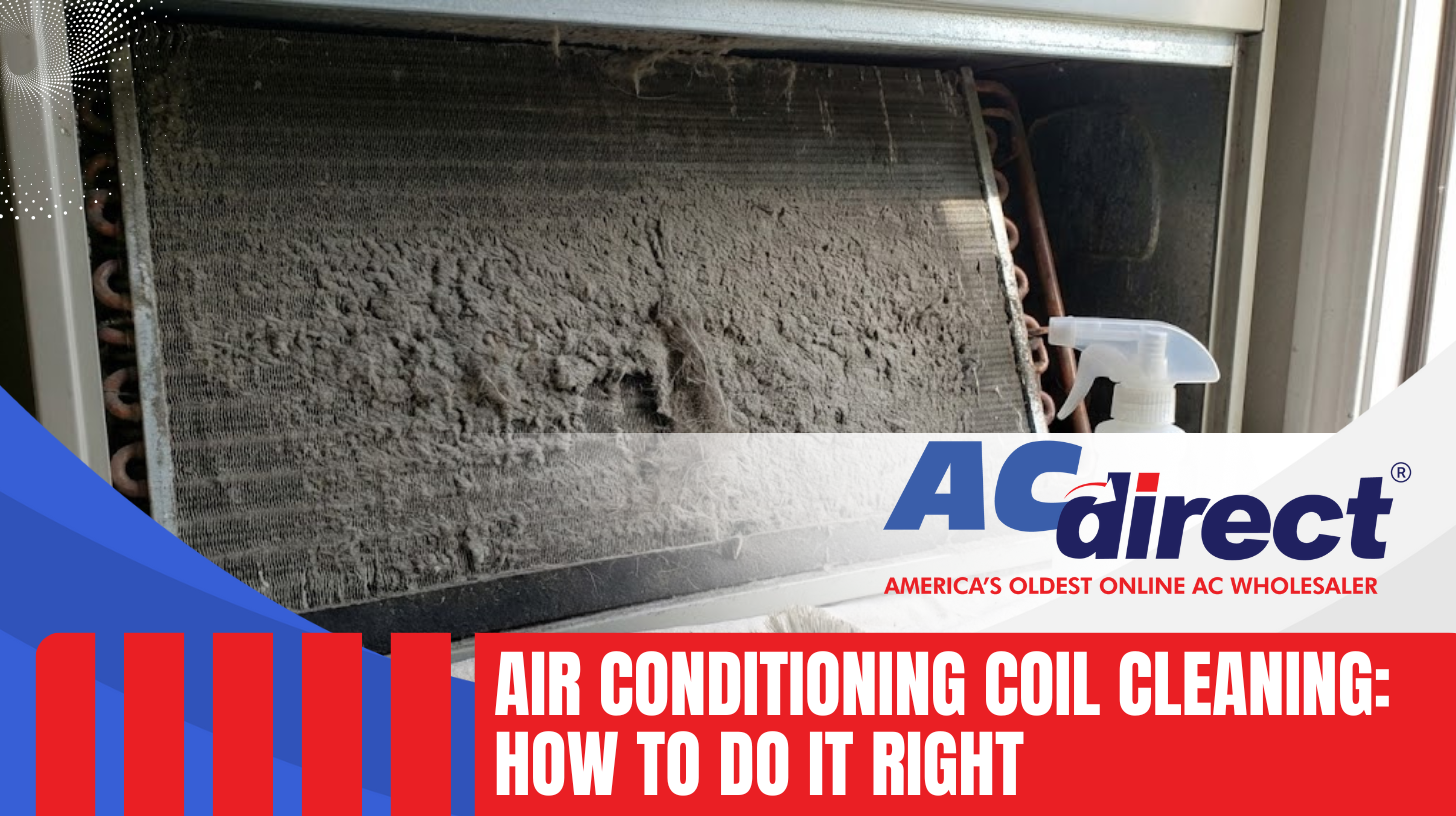
- Dirt and Debris Buildup: Dust, dirt, and debris can accumulate on the coils, insulating them and reducing their ability to transfer heat effectively.
- Physical Damage: Coils can be damaged by impacts, such as from hail or during maintenance.
- Frozen Coils: Restricted airflow or low refrigerant levels can cause the evaporator coil to freeze up, further hindering performance.
Signs Your AC Coils Might Need Replacing
Knowing when to repair or replace your AC coils can save you money and prevent further damage to your system. Here are some telltale signs that your coils might be nearing the end of their lifespan:
- Reduced Cooling Performance: If your AC isn't cooling as well as it used to, even after cleaning the coils and checking the refrigerant levels, the coils might be failing.
- Visible Corrosion or Damage: Obvious signs of corrosion, such as rust or pitting, or physical damage to the coils indicate that replacement might be necessary.
- Frequent Refrigerant Leaks: If you're constantly having to recharge your refrigerant, it could be a sign of a persistent leak in the coils.
- Increased Energy Bills: A sudden spike in your energy bills without a corresponding change in usage could indicate that your AC is working harder to compensate for inefficient coils.
- Age of the Unit: If your AC unit is over 10-15 years old, it might be more cost-effective to replace the entire unit rather than just the coils, especially if other components are also showing signs of wear.
How to Choose the Right Replacement Coils
If you've determined that your AC coils need replacing, selecting the right replacement coils is crucial for optimal performance and efficiency. Here's what I recommend considering:
- Compatibility: Ensure that the replacement coils are compatible with your existing AC unit. Check the manufacturer's specifications and consult with an HVAC professional to confirm compatibility.
- Coil Type: Choose the appropriate coil type for your system. This might involve selecting between different materials (e.g., copper vs. aluminum) or coil coatings designed for specific environments.
- Efficiency: Consider high-efficiency coils that can improve your system's overall energy efficiency and lower your energy bills.
- Warranty: Look for coils with a good warranty to protect against defects and premature failure.
AC Coil Replacement Cost Factors to Consider
The cost of replacing AC coils can vary significantly depending on several factors. These include:
- Type of Coil: Evaporator coils and condenser coils have different costs, with condenser coils often being more expensive due to their location and complexity.
- Unit Accessibility: If your AC unit is difficult to access, the labor costs for replacement will likely be higher.
- Refrigerant Costs: The cost of refrigerant can fluctuate, impacting the overall cost of the replacement, as the system needs to be recharged after the new coils are installed.
- Labor Costs: Labor rates vary depending on your location and the HVAC contractor you choose. Get quotes from several contractors to compare prices.
- System Age and Condition: If your AC unit is old or in poor condition, additional repairs might be needed, increasing the overall cost.
Tips for Maintaining Your AC Coils and Preventing Problems
Proper maintenance is key to extending the life of your AC coils and preventing costly repairs. Here are some tips I often share with homeowners:
- Regular Cleaning: Clean your AC coils at least once a year, preferably before the start of the cooling season. Use a soft brush or coil cleaner to remove dirt and debris.
- Air Filter Replacement: Change your air filters regularly (every 1-3 months) to prevent dust and dirt from accumulating on the coils.
- Professional Inspection: Schedule annual inspections with a qualified HVAC technician to identify and address potential problems early on.
- Clear Surrounding Area: Keep the area around your outdoor condensing unit clear of vegetation and debris to ensure proper airflow.
- Consider Coil Coating: If you live in a coastal area or a place with high humidity, consider using coated coils that are more resistant to corrosion.
Matching Coils to Your System for Optimal Efficiency
One crucial aspect that I always emphasize is matching the replacement coils to your specific AC system. Mismatched coils can lead to reduced efficiency, increased energy consumption, and even premature failure of other components. It's vital to ensure that the new coils have the correct capacity and refrigerant compatibility for your unit. This is where professional expertise becomes invaluable; an experienced HVAC technician can help you select the right coils for your system and ensure proper installation. At AC Direct, we always stress the importance of compatibility and proper sizing to our customers.
The Importance of Professional AC Coil Installation
While some homeowners might be tempted to replace AC coils themselves to save money, I strongly advise against it. Replacing AC coils is a complex task that requires specialized tools, knowledge of refrigerant handling, and adherence to safety regulations. Improper installation can lead to refrigerant leaks, reduced efficiency, and even damage to your system. Moreover, working with refrigerant requires EPA certification, and improper handling can result in fines and environmental damage. It's always best to hire a qualified HVAC technician to ensure proper and safe installation. You can find lists of licensed contractors through resources like the Kentucky PSC.
High-Efficiency Coils and Energy Savings
Investing in high-efficiency AC coils can provide significant energy savings over the long term. High-efficiency coils are designed to maximize heat transfer, allowing your AC unit to cool your home more effectively with less energy. While they might have a higher upfront cost, the energy savings can quickly offset the initial investment. When considering replacement coils, look for models with high SEER (Seasonal Energy Efficiency Ratio) ratings to maximize your energy savings. You can also explore options like microchannel coils, which are known for their high efficiency and compact design. For bulk purchases, it can be useful to look for Ac wholesalers.
Troubleshooting Common AC Coil Issues
Sometimes, you can troubleshoot minor AC coil issues yourself before calling a professional. Here are a few common problems and how to address them:
- Frozen Coils: If you notice ice buildup on your evaporator coil, turn off your AC and let the ice melt. Check your air filter and replace it if it's dirty. Ensure that vents are not blocked and that there is proper airflow. If the problem persists, call an HVAC technician.
- Dirty Coils: Clean the coils with a soft brush or coil cleaner. Be gentle to avoid damaging the fins.
- Reduced Airflow: Check your air ducts for leaks or obstructions. Seal any leaks with duct tape and remove any obstructions.
- Uneven Cooling: Ensure that vents are open and that furniture isn't blocking airflow. Consider using a zoning system to improve temperature control in different areas of your home.
Frequently Asked Questions
What is the purpose of the evaporator coil in my air conditioner?
The evaporator coil absorbs heat from the air inside your home, cooling it down before it's circulated back into your living spaces. It's a crucial part of the cooling process.
What is the function of the condenser coil in my air conditioner?
The condenser coil releases the heat absorbed by the evaporator coil to the outside air. It works in conjunction with the compressor to complete the cooling cycle.
How often should I have my AC coils cleaned?
Ideally, you should have your AC coils professionally cleaned at least once a year, preferably before the start of the cooling season. This helps maintain efficiency and prevent problems.
What are some signs that my AC coils might be leaking refrigerant?
Signs of a refrigerant leak include reduced cooling performance, ice buildup on the coils, a hissing sound near the unit, and unusually high energy bills.
Can I replace my AC coils myself?
Replacing AC coils is a complex task that requires specialized tools and knowledge of refrigerant handling. It's best to hire a qualified HVAC technician to ensure proper and safe installation.
How much does it typically cost to replace AC coils?
The cost of AC coil replacement can vary depending on factors such as the type of coil, the location of the unit, and the labor costs in your area. It's best to get quotes from several HVAC contractors to get an accurate estimate.
What is the benefit of using coated AC coils?
Coated AC coils are more resistant to corrosion and damage from environmental factors, which can extend their lifespan and improve their performance.
Final Thoughts
Central air conditioner coils are essential for keeping your home cool and comfortable. Understanding how they work, common problems, and proper maintenance techniques can help you extend their lifespan and improve your system's overall efficiency. Remember, regular maintenance and professional inspections are key to preventing costly repairs and ensuring optimal performance.
When it comes to replacing your AC coils, choosing the right replacement and hiring a qualified HVAC technician is crucial. Don't hesitate to seek professional advice and get multiple quotes to make an informed decision.
By taking proactive steps to care for your AC coils, you can enjoy a comfortable home environment and lower your energy bills. I hope this information helps you in making the best decisions for your HVAC needs.