 and now, NASCAR Racing Sponsor


Central Air Conditioner Evaporator Coil: Troubleshooting and Maintenance Tips
-
 By
Michael Haines
By
Michael Haines
- Oct 30, 2023
Hey there, Mike Haines here. As the founder of AC Direct, I've spent years helping folks understand the ins and outs of their home cooling systems. One component that often gets overlooked is the central air conditioner evaporator coil. It's a critical part of your AC, and understanding how it works, what can go wrong, and how to maintain it can save you a lot of headaches and money. This information is for homeowners and small business owners who want to keep their cooling systems running efficiently.
Key Highlights
- The evaporator coil is a vital component of your AC system, responsible for absorbing heat from your home.
- Common issues include refrigerant leaks, corrosion, and freezing, which can significantly impact cooling performance.
- Regular maintenance, including cleaning and inspections, can extend the life of your evaporator coil and prevent costly repairs.
- Consider factors such as coil material, size, and SEER rating when replacing your evaporator coil.
- Professional installation and maintenance are typically recommended to ensure optimal performance and prevent damage.
What is an Evaporator Coil?
The evaporator coil is a key component in your central air conditioning system. Its primary function is to absorb heat from the air inside your home, providing the cooling effect you feel. Think of it as the engine that drives the cooling process.
How Does the Evaporator Coil Work?
The evaporator coil works by circulating refrigerant, a special chemical that easily changes between liquid and gas states. As warm air from your home blows across the coil, the refrigerant inside absorbs the heat. This causes the refrigerant to turn into a gas. The cooled air is then circulated back into your home, while the gaseous refrigerant is sent to the Central air compressor unit to release the heat outside.
Why is the Evaporator Coil Important for Home Cooling?
Without a properly functioning evaporator coil, your AC system simply cannot cool your home effectively. It's the heart of the cooling process. A malfunctioning coil can lead to reduced cooling capacity, higher energy bills, and ultimately, a very uncomfortable indoor environment. Many people rely on Central heat and air to stay cool, so this is no small issue.
Common Problems with Evaporator Coils
Several issues can affect the performance of your evaporator coil. These include:
- Refrigerant Leaks: These are perhaps the most common problem. Leaks reduce the amount of refrigerant in the system, decreasing its ability to cool.
- Corrosion: Over time, the coil can corrode due to exposure to moisture and environmental factors. Corrosion reduces its efficiency and can lead to leaks.
- Freezing: If airflow is restricted or the refrigerant level is low, the evaporator coil can freeze over, blocking airflow and preventing cooling.
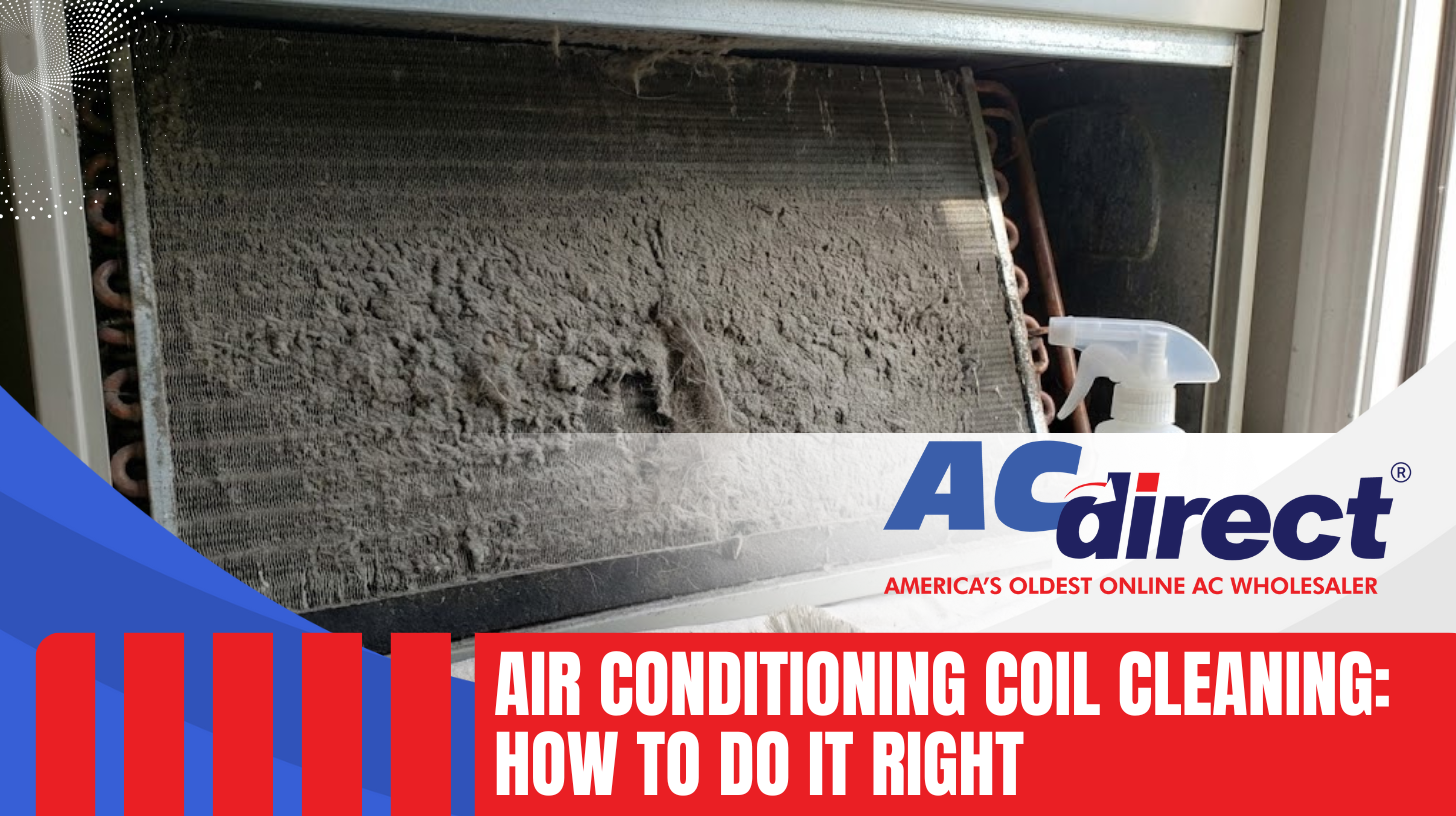
- Dirt and Debris Buildup: Dust, dirt, and other debris can accumulate on the coil, insulating it and reducing its ability to absorb heat.
Signs of a Failing Evaporator Coil
Catching problems early can save you money and prevent further damage. Here are some signs that your evaporator coil may be failing:
- Reduced Cooling Performance: Your AC isn't cooling as well as it used to.
- Ice Buildup on the Coil: Visible ice on the coil is a clear sign of a problem.
- Unusual Noises: Hissing or bubbling sounds from your AC unit could indicate a refrigerant leak.
- Increased Energy Bills: A failing coil makes your system work harder, increasing energy consumption.
- Warm Air: If your vents are blowing warm air, even when the AC is running, the coil may be the culprit.
What Causes Evaporator Coil Failure?
Several factors can contribute to evaporator coil failure:
- Age: Like any mechanical component, evaporator coils have a limited lifespan.
- Poor Maintenance: Neglecting regular cleaning and inspections can accelerate wear and tear.
- Environmental Factors: Exposure to corrosive elements, such as salt air, can damage the coil.
- Improper Installation: A poorly installed coil may be more prone to problems.
- Refrigerant Leaks: Even small leaks can lead to coil damage over time.
The Connection Between Evaporator Coils and Refrigerant Leaks
Refrigerant leaks are a major concern when it comes to evaporator coils. Leaks not only reduce cooling performance but also put a strain on other components, like the compressor. Often, leaks occur due to corrosion or physical damage to the coil. Addressing refrigerant leaks promptly is crucial to prevent further damage and maintain the efficiency of your system.
Evaporator Coil Replacement vs. Repair
When faced with a failing evaporator coil, you'll need to decide whether to repair or replace it. Minor issues like small leaks may be repairable. However, if the coil is severely corroded, damaged, or old, replacement is usually the best option. I often see homeowners trying to save money with a repair, only to face more problems down the road. Consider the age of your system. If you have an older 3 ton heat pump package unit, it may be time to replace the entire unit.
Choosing the Right Evaporator Coil: Factors to Consider
If replacement is necessary, you'll need to choose the right evaporator coil for your system. Consider these factors:
- Size: The coil must be properly sized to match your AC system's capacity.
- SEER Rating: Ensure the coil is compatible with your system's Seasonal Energy Efficiency Ratio (SEER) rating.
- Coil Material: Choose between copper and aluminum coils (more on that below).
- Manufacturer: Opt for a reputable manufacturer known for quality and reliability.
Matching Evaporator Coils to Your AC System
It's crucial to match the evaporator coil to your existing AC system. An improperly matched coil can reduce efficiency and even damage your system. Consult with an HVAC professional to ensure the coil is compatible with your outdoor unit and meets the specific requirements of your home.
Evaporator Coil Materials: Copper vs. Aluminum
Evaporator coils are typically made of either copper or aluminum. Copper coils are known for their excellent heat transfer properties and durability. However, they can be more expensive. Aluminum coils are lighter and more affordable but may be more susceptible to corrosion in certain environments. I advise homeowners to weigh the pros and cons of each material based on their budget and local conditions.
Cost of Evaporator Coil Replacement
The cost of replacing an evaporator coil can vary depending on several factors, including the coil's size, material, and the complexity of the installation. Labor costs can also vary depending on your location and the HVAC contractor you choose. It's best to get quotes from multiple contractors to compare prices.
DIY vs. Professional Evaporator Coil Installation
While some homeowners may be tempted to tackle evaporator coil installation themselves, I generally advise against it. Working with refrigerant and HVAC systems requires specialized knowledge and tools. Improper installation can lead to leaks, reduced efficiency, and even safety hazards. Professional installation ensures the job is done correctly and safely. Also, working with refrigerants requires specific licensing in many states, such as Louisiana Louisiana PSC.
How to Prevent Evaporator Coil Problems
Preventing problems is always better than dealing with costly repairs. Here are some steps you can take to prevent evaporator coil issues:
- Regular Cleaning: Keep the coil free of dirt and debris.
- Proper Airflow: Ensure adequate airflow to the coil by changing air filters regularly.
- Leak Detection: Watch for signs of refrigerant leaks and address them promptly.
- Professional Inspections: Schedule regular HVAC maintenance to catch potential problems early.
Regular AC Maintenance: Protecting Your Evaporator Coil
Regular AC maintenance is key to protecting your evaporator coil. This includes cleaning the coil, checking for leaks, inspecting for corrosion, and ensuring proper airflow. A well-maintained system will not only last longer but also operate more efficiently, saving you money on energy bills.
When to Call an HVAC Professional
There are times when you should always call a professional. If you notice any of the following, it's time to call an HVAC technician:
- Refrigerant Leaks: Handling refrigerant requires specialized equipment and training.
- Ice Buildup: Diagnosing and resolving ice buildup can be complex.
- Major Corrosion: Extensive corrosion may require coil replacement.
- Reduced Cooling Performance: If you've tried basic troubleshooting and your AC is still not cooling properly.
Extending the Life of Your Evaporator Coil
To extend the life of your evaporator coil, follow these tips:
- Schedule Regular Maintenance: This is the most important thing you can do.
- Use High-Quality Air Filters: Clean filters improve airflow and prevent debris buildup.
- Address Problems Promptly: Don't ignore warning signs.
- Consider a UV Light: UV lights can help prevent mold and bacteria growth on the coil.
Frequently Asked Questions
What is the primary function of an evaporator coil in a central AC system?
The evaporator coil absorbs heat from the air inside your home, cooling the air before it's circulated back into your living space. It contains refrigerant that changes from a liquid to a gas as it absorbs heat.
How do I know if my evaporator coil is failing?
Common signs include reduced cooling performance, ice buildup on the coil, unusual noises from your AC unit, and a refrigerant leak. You may also notice higher energy bills.
Can I clean the evaporator coil myself?
While you can clean the accessible areas of your AC unit, cleaning the evaporator coil often requires specialized tools and knowledge. It's generally best to leave this to a qualified HVAC technician.
What is the typical lifespan of an evaporator coil?
With proper maintenance, an evaporator coil can last between 10 to 15 years. However, factors like environmental conditions and AC usage can affect its lifespan.
Is it worth replacing just the evaporator coil, or should I replace the entire AC system?
This depends on the age and condition of your AC system. If your system is relatively new and the compressor is in good condition, replacing just the coil may be sufficient. However, if your system is old or nearing the end of its lifespan, replacing the entire unit may be more cost-effective in the long run.
Final Thoughts
The evaporator coil is a critical component of your central AC system, and understanding its function, potential problems, and maintenance requirements is essential for keeping your home cool and comfortable. Regular maintenance, prompt repairs, and informed replacement decisions can extend the life of your coil and save you money in the long run.
I hope this has given you a clearer picture of how to deal with your AC's evaporator coil. Remember, when in doubt, consult with a qualified HVAC professional. They can provide expert advice and ensure your system is running at its best.
At AC Direct, we're committed to providing you with the information and resources you need to make smart HVAC decisions. Stay cool!