 and now, NASCAR Racing Sponsor


Central Air Coil Problems: Symptoms and Solutions
-
 By
Michael Haines
By
Michael Haines
- Oct 28, 2023

Hi, I'm Mike Haines, founder of AC Direct. If your home's central air isn't keeping you cool like it used to, the problem might be your central air coil. This component is crucial for effective cooling, and issues with it can lead to significant discomfort and higher energy bills. I'll walk you through identifying common problems, understanding your options, and making the best decisions for your home and budget. This information is for homeowners and small business owners, not HVAC technicians, so I'll keep it straightforward and easy to understand.
- Central air coils are essential for cooling, transferring heat from inside your home to the outside.
- Common signs of a failing coil include reduced cooling, ice buildup, leaks, and unusual noises.
- Choosing the right replacement coil and ensuring proper installation are vital for optimal performance and energy efficiency.
- Regular maintenance and inspections can significantly extend the life of your AC coil.
What is an Air Conditioner Coil and How Does It Work?
The air conditioner coil, often called the evaporator coil (indoor) and condenser coil (outdoor), is a critical part of your central air system. The evaporator coil is located inside your home, usually within your air handler or furnace. Its job is to absorb heat from the air that's blown across it. Refrigerant flowing through the coil changes from a liquid to a gas, a process that requires heat. The blower fan then circulates the newly cooled air throughout your home.
The condenser coil, located in the outdoor unit, releases the heat absorbed by the evaporator coil. The hot refrigerant gas is cooled and converted back into a liquid, ready to begin the cycle again. Without properly functioning coils, your AC system can't effectively remove heat, leaving you with a warm and uncomfortable home.
Why is the AC Coil Important for Home Cooling?
The AC coil is at the heart of the cooling process. If it's not working correctly, your entire system suffers. A malfunctioning coil reduces cooling capacity, meaning your AC unit has to work harder and longer to achieve the desired temperature. This increased workload translates directly into higher energy consumption and increased wear and tear on other components, such as the compressor. I often see homeowners who delay coil replacement end up with even more expensive repairs down the road, like a burned-out compressor. A properly functioning coil ensures efficient and cost-effective cooling, contributing to a comfortable indoor environment and lower utility bills.
Signs of a Failing or Damaged AC Coil
Recognizing the signs of a failing AC coil early can save you money and prevent further damage to your system. Here are some common indicators to watch out for:
- Reduced Cooling Performance: This is often the first sign. If your AC struggles to cool your home, or if the air isn't as cold as it used to be, the coil could be the problem.
- Ice Buildup on the Coil: Ice indicates restricted airflow or a refrigerant leak, both of which can damage the coil.
- Water Leaks Around the Indoor Unit: A leaking coil can cause water to accumulate around your furnace or air handler.
- Hissing Sounds: A hissing sound coming from your AC unit often suggests a refrigerant leak in the coil.
- Increased Energy Bills: A failing coil forces your system to work harder, leading to higher energy consumption. You might consider a Aircon calculator to assess the energy efficiency of your unit.
- Unusual Odors: Mold or mildew growth on a damp coil can produce unpleasant odors circulating through your vents.
Types of AC Coils: A Homeowner's Guide
Understanding the different types of AC coils can help you make an informed decision when it comes time for replacement. The two main types are:
Evaporator Coils
These coils are located inside your home and absorb heat from the indoor air. They come in various configurations, including A-coils, N-coils, and flat coils, each designed for specific airflow patterns and system compatibility.
Condenser Coils
These coils are located in the outdoor unit and release heat to the outside air. They are typically made of copper or aluminum and are designed for efficient heat transfer. Microchannel coils are a newer, more compact design that offers improved efficiency.
The material of the coil also matters. Copper coils are known for their durability and heat transfer capabilities, but they can be more expensive. Aluminum coils are more affordable and lightweight, but may be more susceptible to corrosion in certain environments.
Choosing the Right AC Coil for Your System
Selecting the correct AC coil for your system is crucial for optimal performance and efficiency. Here are some factors to consider:
System Compatibility
Ensure the replacement coil is compatible with your existing AC system. Check the manufacturer's specifications and consult with an HVAC professional to confirm proper fit and functionality. I always advise homeowners to double-check compatibility; an incompatible coil can cause significant damage.
Coil Material
Consider the pros and cons of copper versus aluminum coils. Copper offers better heat transfer and durability, while aluminum is more affordable. Your local climate and budget will influence this decision. For example, coastal areas may benefit more from aluminum coils due to salt air corrosion.
Efficiency Ratings
Look for coils with high energy efficiency ratings. A more efficient coil will reduce energy consumption and lower your utility bills over time. The Iowa Utilities Board has some information on efficiency standards.
Size and Configuration
The size and configuration of the coil must match your system's requirements. A mismatched coil can restrict airflow and reduce cooling capacity. The best way to get the right size is to work with a qualified professional.
AC Coil Replacement Cost: Factors to Consider
The cost of replacing an AC coil can vary depending on several factors. Understanding these factors will help you budget for the repair and avoid surprises:
Type of Coil
Evaporator coils tend to be more expensive to replace than condenser coils due to their location and complexity of installation.
Coil Material
Copper coils typically cost more than aluminum coils due to the higher price of copper.
Labor Costs
Labor costs can vary depending on your location and the complexity of the job. Expect to pay more for experienced and licensed HVAC technicians.
System Accessibility
If your AC unit is difficult to access, the labor costs may be higher. For example, units in attics or crawl spaces can increase the time and effort required for replacement.
Refrigerant Costs
Refrigerant prices can fluctuate. If your system requires refrigerant replacement or recharging, this will add to the overall cost.
Keep in mind that while it might be tempting to go with the cheapest option, I've seen time and again that it often leads to problems later. Investing in a quality coil and professional installation can save you money in the long run.
DIY vs. Professional AC Coil Replacement: What's Best?
While some homeowners might consider replacing an AC coil themselves to save money, I generally advise against it. Here's why:
Complexity
AC coil replacement is a complex task that requires specialized knowledge, tools, and experience. Improper installation can damage the coil, your AC system, or even cause personal injury.
Refrigerant Handling
Working with refrigerant requires EPA certification. Improper handling of refrigerant can harm the environment and result in fines.
Warranty
DIY installation can void the manufacturer's warranty on the coil or your AC system.
Safety
Working with electrical components and refrigerant can be dangerous. Professional technicians have the training and equipment to safely handle these tasks.
For most homeowners, hiring a qualified HVAC technician is the best and safest option. They will ensure proper installation, handle refrigerant safely, and protect your warranty.
Tips to Extend the Life of Your AC Coil
Proper maintenance can significantly extend the life of your AC coil and prevent costly repairs. Here are some tips:
Regular Cleaning
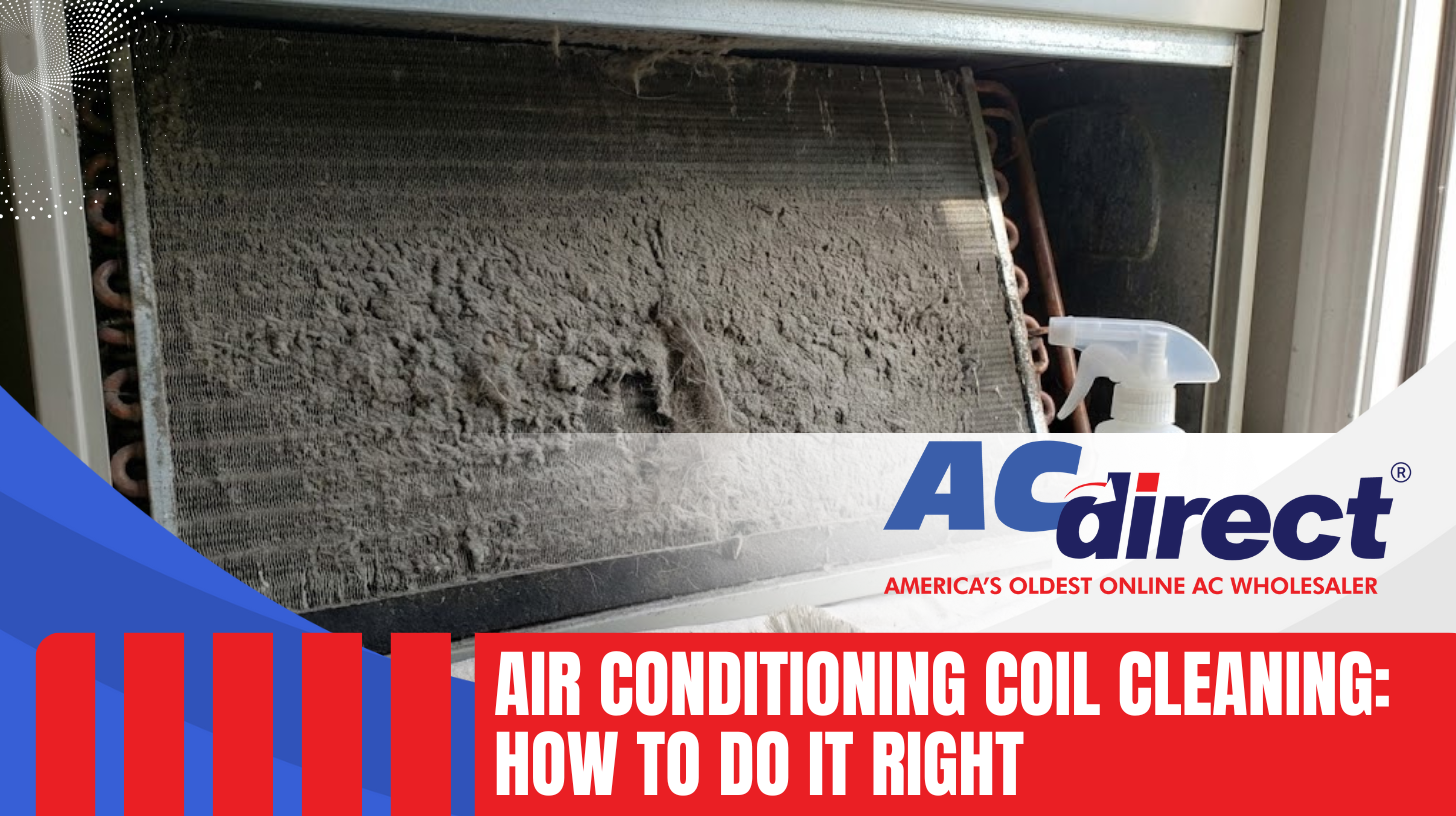
Keep the coils clean by removing dirt, dust, and debris. Use a soft brush or a fin comb to clean the fins. You can clean the outdoor condenser coil yourself. Shut off the power to the unit first! For the indoor coil, I usually recommend professional cleaning.
Air Filter Replacement
Replace your air filter regularly to maintain proper airflow and prevent dust buildup on the coil. A dirty air filter restricts airflow, causing the AC system to work harder and potentially leading to coil damage. Check your filter monthly and replace it every 1-3 months, or as needed.
Professional Maintenance
Schedule regular professional maintenance to inspect and clean your AC system. A technician can identify potential problems early and perform necessary repairs before they escalate. They can also check refrigerant levels, inspect electrical connections, and lubricate moving parts.
Proper Ventilation
Ensure proper ventilation around the outdoor unit to allow for adequate airflow. Trim any vegetation that may be blocking airflow. Remove any obstructions that may be restricting airflow to the indoor unit.
Finding a Reputable HVAC Contractor for Coil Services
Choosing the right HVAC contractor is essential for quality coil replacement and maintenance. Here's what to look for:
Licensing and Insurance
Ensure the contractor is licensed and insured. This protects you from liability in case of accidents or damages.
Experience and Expertise
Choose a contractor with extensive experience in AC coil replacement and maintenance. Ask for references and check online reviews.
Certifications
Look for contractors with certifications from reputable organizations like NATE (North American Technician Excellence). This indicates a commitment to ongoing training and professional standards. AC Direct is a great place to start when looking for Central air systems or even a Small window ac.
Transparent Pricing
Get a detailed estimate in writing before work begins. The estimate should include the cost of the coil, labor, and any additional fees. Avoid contractors who offer unrealistically low prices, as this may indicate substandard work or hidden costs.
Warranty
Ask about the contractor's warranty on parts and labor. A reputable contractor will stand behind their work and offer a warranty for your peace of mind.
AC Coil Maintenance: Ensuring Optimal Performance
Regular AC coil maintenance is essential for ensuring optimal performance and prolonging the life of your system. Here's what you should do:
Visual Inspections
Periodically inspect the coils for signs of damage, such as dents, corrosion, or leaks. Check for ice buildup on the coil during the cooling season.
Cleaning
Clean the coils regularly to remove dirt, dust, and debris. Use a soft brush or a fin comb to clean the fins. Be gentle to avoid damaging the delicate fins.
Airflow Checks
Ensure proper airflow around the indoor and outdoor units. Remove any obstructions that may be restricting airflow. Check the air filter regularly and replace it as needed.
Professional Tune-Ups
Schedule annual professional tune-ups to inspect and maintain your AC system. A technician can identify potential problems early and perform necessary repairs. They can also check refrigerant levels, inspect electrical connections, and lubricate moving parts.
Frequently Asked Questions
What is the typical lifespan of an AC coil?
A well-maintained AC coil can last between 10 and 15 years. However, factors like environmental conditions, usage, and how well you maintain it can affect its lifespan.
How do I know if my AC coil is leaking?
If your AC coil is leaking, you might notice that your AC isn't cooling as well, ice is building up on the coil, you hear a hissing sound, or there are water leaks around the indoor unit.
Can I clean my AC coil myself?
While you can clean the outdoor condenser coil yourself, cleaning the indoor evaporator coil is more complex and often requires a professional. This ensures you don't damage the coil and that it's cleaned properly.
What happens if I don't replace a damaged AC coil?
If you ignore a damaged AC coil, it can lead to reduced cooling efficiency, higher energy bills, compressor failure, and damage to other parts of your HVAC system. Poor air quality can also cause health issues.
How often should I have my AC coil inspected?
I recommend having your AC coil inspected at least once a year as part of your regular HVAC maintenance. If you live in a dusty or humid area, you might need more frequent inspections.
Final Thoughts
The central air coil is a vital component of your home's cooling system, and understanding its function, potential problems, and maintenance needs is crucial for ensuring efficient and reliable performance. Recognizing the signs of a failing coil and taking prompt action can save you money and prevent further damage to your system.
Whether you choose to hire a professional or tackle some maintenance tasks yourself, remember that proper care and attention will extend the life of your AC coil and keep your home comfortable year-round. Don't hesitate to consult with a qualified HVAC technician for expert advice and assistance.
By making informed decisions and investing in quality AC coil services, you can enjoy a comfortable and energy-efficient home for years to come.