 and now, NASCAR Racing Sponsor


HVAC Coil Cleaning: Why It Matters and How To Do It
-
 By
Michael Haines
By
Michael Haines
- Dec 7, 2022
Hi, I'm Mike Haines, founder of AC Direct. Today, I want to talk to you about something that's crucial for the efficiency and lifespan of your air conditioning system: the HVAC coil. Many homeowners overlook this component, but keeping your coils clean and well-maintained can save you money on energy bills and prevent costly repairs down the road. This is for any homeowner wanting to understand the importance of coil hvac cleaning and maintenance.
Key Highlights
- HVAC coils are essential for both cooling and heating, transferring heat to keep your home comfortable.
- Dirty coils reduce efficiency, leading to higher energy bills and potential system failure.
- Regular cleaning and maintenance of your HVAC coils can significantly extend the life of your system.
- Knowing the signs of a failing coil can help you address problems early and avoid expensive repairs.
- Professional coil cleaning and, when necessary, replacement are important investments in your home's comfort and energy efficiency.
What are HVAC Coils and How Do They Work?
HVAC coils are a fundamental part of your heating and cooling system. They're responsible for transferring heat, either absorbing it to cool your home or releasing it to warm your home. Think of them as the engine that drives your Air conditioning equipment. Without properly functioning coils, your system can't effectively do its job.
These coils work by using a refrigerant that cycles through them. In cooling mode, the evaporator coil absorbs heat from the air inside your home. The refrigerant evaporates in the process, hence the name "evaporator" coil. Then, the refrigerant carries the heat to the condenser coil, which releases the heat outside. In heating mode (for heat pumps), this process is reversed.
Why are HVAC Coils Important for Home Comfort and Efficiency?
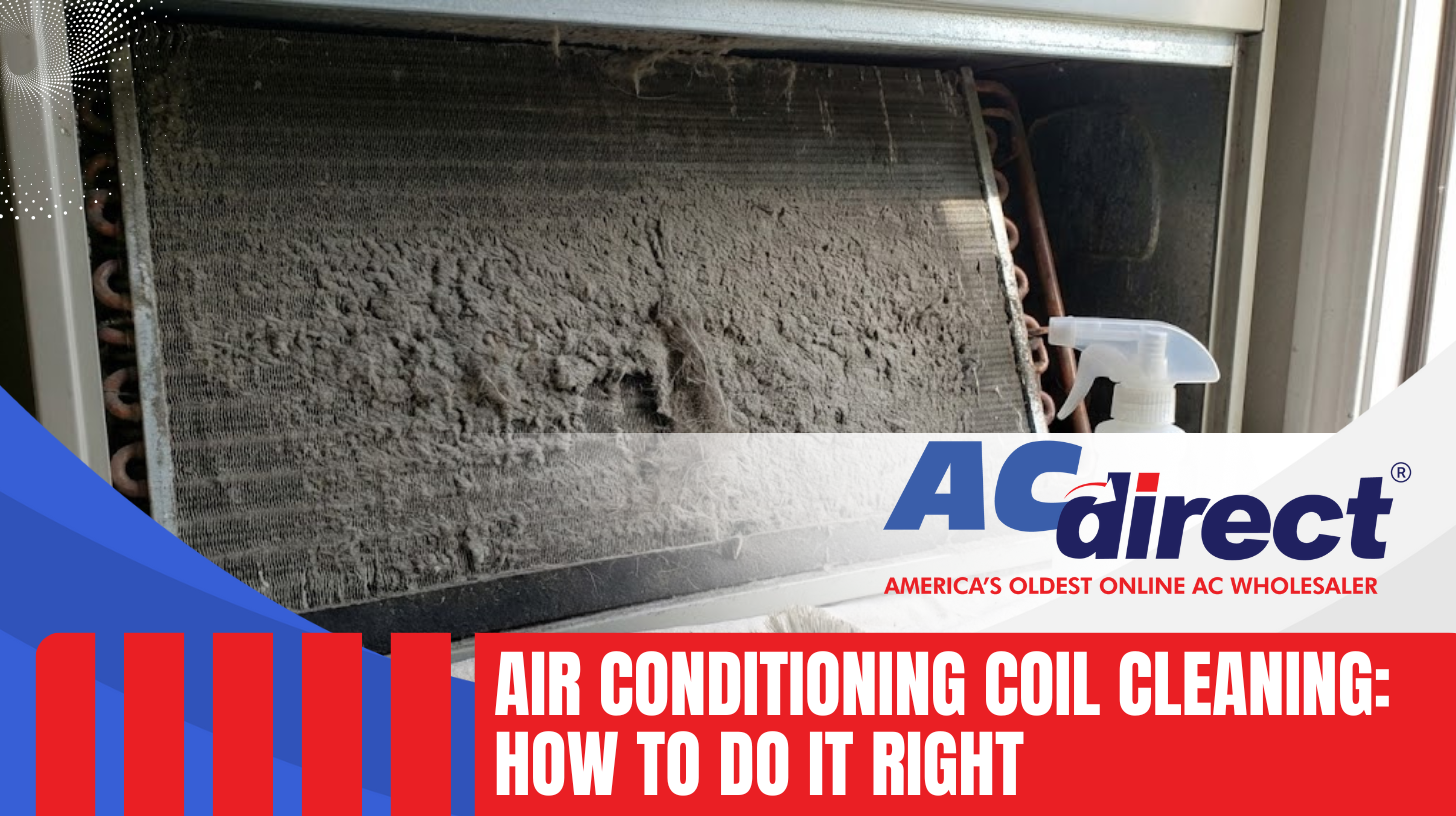
Clean and well-maintained coils are vital for several reasons. First and foremost, they ensure your system operates at peak efficiency. When coils are dirty or clogged with dust and debris, they can't transfer heat as effectively. This forces your system to work harder to achieve the desired temperature, resulting in higher energy consumption and increased utility bills. I see a lot of homeowners surprised by how much a dirty coil can impact their energy costs.
Beyond efficiency, clean coils also contribute to better indoor air quality. Dirty coils can harbor mold, bacteria, and other allergens, which can then circulate throughout your home. Regular cleaning helps prevent this buildup, leading to a healthier living environment. Furthermore, proper coil maintenance extends the lifespan of your entire HVAC system. By preventing overheating and strain on other components, you can avoid premature breakdowns and costly repairs.
Types of HVAC Coils Evaporator and Condenser Coils
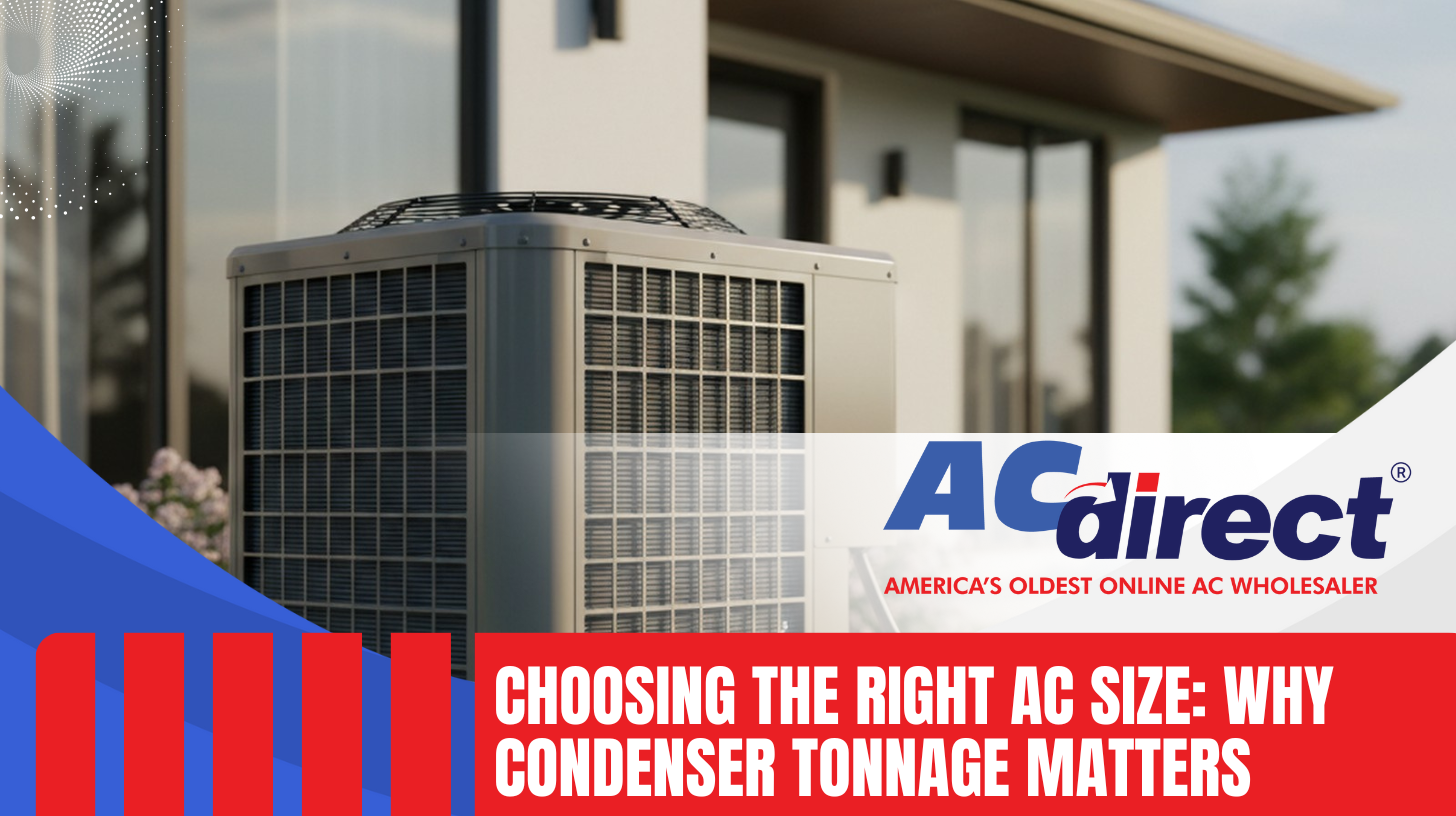
There are two primary types of coils in your HVAC system: evaporator coils and condenser coils. As mentioned earlier, the evaporator coil is located inside your home, usually within your air handler or furnace. Its job is to absorb heat from the indoor air, cooling it down. The condenser coil, on the other hand, is located in the outdoor unit. It releases the heat absorbed by the evaporator coil into the outside air.
The evaporator coil is typically made of copper or aluminum and has fins that increase its surface area for better heat transfer. It's important to keep the evaporator coil clean because it's constantly exposed to indoor air, which can contain dust, pet dander, and other contaminants. The condenser coil is also exposed to outdoor elements like dirt, leaves, and pollen, so it requires regular cleaning as well.
Signs of a Failing or Damaged HVAC Coil
It's important to be aware of the signs that your HVAC coil may be failing or damaged. Catching these problems early can prevent more extensive and expensive repairs. One of the most common signs is reduced cooling or heating performance. If your system isn't cooling or heating your home as effectively as it used to, a dirty or damaged coil could be the culprit.
Another sign is higher energy bills. If you notice a sudden increase in your energy consumption without any other changes in your usage habits, it could indicate that your system is working harder than it should due to a coil issue. Visible leaks around the indoor or outdoor unit are also a cause for concern, as they could indicate a refrigerant leak caused by a damaged coil. Finally, ice formation on the coil is another sign of a problem. This can occur when the coil is too dirty or restricted, preventing proper airflow and causing the refrigerant to become too cold.
HVAC Coil Cleaning and Maintenance Tips
Regular cleaning and maintenance are essential for keeping your HVAC coils in good condition. Here are some tips to help you keep your coils clean and functioning efficiently:
- Regularly change your air filters: Clean filters prevent dust and debris from entering your system and accumulating on the coils.
- Clean the outdoor unit: Remove any leaves, dirt, or debris that may be blocking airflow around the condenser coil. You can use a garden hose to gently rinse the coil fins, but be careful not to damage them.
- Consider professional cleaning: For a more thorough cleaning, it's best to hire a qualified HVAC technician to clean the interior coils. They have the proper tools and knowledge to do it safely and effectively.
- Inspect the coils regularly: Check for any signs of damage, such as bent fins or leaks. If you notice any problems, contact a professional for repair.
HVAC Coil Repair vs. Replacement What's the Best Option?
When faced with a failing or damaged HVAC coil, you'll need to decide whether to repair or replace it. The best option depends on the extent of the damage, the age of your system, and your budget. Minor leaks or damage can sometimes be repaired, but if the coil is severely corroded or damaged, replacement is usually the more cost-effective and reliable option in the long run.
If your system is relatively new and the coil is still under warranty, repair may be the better option. However, if your system is older and the coil is nearing the end of its lifespan, replacement may be a more sensible investment. A qualified HVAC technician can assess the situation and provide recommendations based on your specific needs.
The Cost of HVAC Coil Replacement Factors and Budgeting
The cost of HVAC coil replacement can vary depending on several factors, including the type of coil, the accessibility of the unit, and labor costs in your area. Evaporator coil replacement tends to be more labor intensive and therefore more expensive. Generally, you can expect to pay anywhere from a few hundred dollars to several thousand dollars for coil replacement. It's essential to get quotes from multiple contractors to compare prices and services. Also be aware of how Ac tonnage per square foot can impact the overall costs of your home project.
When budgeting for coil replacement, it's important to consider not only the cost of the coil itself but also the labor costs, refrigerant costs (if necessary), and any other related expenses. Don't be tempted to go with the cheapest option without doing your research. I always advise that you choose a reputable contractor with experience and a good track record.
Choosing the Right HVAC Coil Size, Material, and Compatibility
Selecting the right HVAC coil is crucial for ensuring optimal performance and efficiency. The size of the coil must be properly matched to the size of your air conditioning or heat pump system. An undersized coil won't be able to effectively cool or heat your home, while an oversized coil can lead to humidity problems and energy waste.
The material of the coil is also an important consideration. Copper coils are more durable and resistant to corrosion, but they are also more expensive. Aluminum coils are more affordable but may be more susceptible to damage. Compatibility is another key factor. The new coil must be compatible with your existing system in terms of refrigerant type, voltage, and other specifications. I recommend consulting with a qualified HVAC technician to ensure you choose the right coil for your system.
Tips for Extending the Life of Your HVAC Coils
Here are some additional tips for extending the life of your HVAC coils:
- Schedule regular maintenance: Have your system inspected and cleaned by a qualified technician at least once a year.
- Use surge protectors: Protect your system from power surges, which can damage the coils and other components.
- Ensure proper ventilation: Make sure your system has adequate airflow to prevent overheating.
- Address problems promptly: If you notice any signs of a failing coil, contact a professional for repair as soon as possible.
- Consider a whole-house air purifier: These can reduce the amount of dust and allergens in your home, helping to keep your coils clean. You might also consider a Daikin 2 ton mini split for targeted, efficient cooling.
Finding a Qualified HVAC Technician for Coil Services
When it comes to HVAC coil cleaning, repair, or replacement, it's essential to hire a qualified and experienced technician. Look for a contractor who is licensed, insured, and has a good reputation in your area. Ask for references and check online reviews to get a sense of their quality of work.
A good HVAC technician will be able to properly diagnose the problem, provide you with a clear explanation of the options, and perform the work efficiently and effectively. They should also be able to answer any questions you have and provide you with tips for maintaining your system. You can also find resources and information at the New Jersey BPU.
Frequently Asked Questions
What is the primary function of an evaporator coil in my AC system?
The evaporator coil's main job is to absorb heat from the air inside your house. As it absorbs heat, the refrigerant inside the coil evaporates, cooling the air that then gets circulated back into your rooms.
What does a condenser coil do and where is it located?
The condenser coil releases the heat that the evaporator coil absorbed from inside your home. It's located in the outdoor unit of your air conditioner or heat pump.
How often should I have my HVAC coils cleaned?
I recommend cleaning your HVAC coils at least once a year. If you live in a dusty area or have pets, you might want to clean them more often. Regular cleaning helps your system run efficiently and prevents expensive problems.
What are the typical signs that my HVAC coil is failing?
If your AC or heat isn't working as well as it used to, your energy bills are higher, you see leaks around your units, or ice forms on the coil, these are signs that your HVAC coil might be failing.
Is it more cost-effective to repair or replace a leaking HVAC coil?
It depends on how bad the leak is and how old your system is. Small leaks can sometimes be fixed, but if the coil is really damaged or corroded, it's usually better to replace it. A technician can help you decide.
How much does it typically cost to replace an HVAC coil?
The cost to replace an HVAC coil can vary quite a bit, depending on the type of coil, how easy it is to get to, and the labor costs in your area. It could be anywhere from a few hundred to several thousand dollars, so it's a good idea to get quotes from a few different contractors.
Can I clean my HVAC coils myself?
You can clean the outside of the coils with a brush or vacuum, but I usually suggest having a professional clean the inside coils. They have the right tools and know-how to do it safely without damaging anything.
Final Thoughts
Maintaining your HVAC coils is an investment in the comfort, efficiency, and longevity of your home's heating and cooling system. By understanding the importance of coil cleaning and maintenance, you can prevent costly repairs, lower your energy bills, and improve your indoor air quality. Remember, regular maintenance, prompt repairs, and informed decisions are key to keeping your system running smoothly for years to come.
Don't hesitate to seek professional help when needed. A qualified HVAC technician can provide expert advice, perform thorough cleaning and maintenance, and ensure that your system is operating at peak performance. With the right care and attention, your HVAC coils will continue to provide reliable and efficient heating and cooling for your home.