

Understanding Your AC Condensate Coil: Problems, Maintenance, and Costs
-
 By
Michael Haines
By
Michael Haines
- Dec 16, 2022

Hi, I'm Mike Haines, founder of AC Direct. Many homeowners don't think much about their air conditioner's condensate coil, but it's a crucial component for keeping your home cool and comfortable. In this post, I'll explain what a condensate coil is, why it matters, common problems to watch out for, and how to maintain it. This information is for homeowners looking to understand their AC systems better and make informed decisions about maintenance and repairs.
- The condensate coil cools and dehumidifies air in your AC system.
- Regular maintenance prevents costly repairs and extends the life of your coil.
- Signs of a failing coil include leaks, strange odors, and poor cooling performance.
- Professional cleaning and inspection are recommended for optimal performance.
- Ignoring coil issues can lead to higher energy bills and potential health problems.
What is a Condensate Coil and How Does it Work?
The condensate coil is a vital part of your air conditioning system, located inside your indoor unit. Its primary job is to cool the warm air that passes over it. As the air cools, moisture condenses on the coil's surface, similar to how water droplets form on a cold glass. This condensation is then collected and drained away, dehumidifying the air before it's circulated back into your home. This process is essential not only for cooling but also for maintaining comfortable humidity levels indoors.
Why is the Condensate Coil Important for Homeowners?
The condensate coil plays a crucial role in your home's comfort and air quality. By removing moisture from the air, it helps prevent the growth of mold and mildew, which can trigger allergies and respiratory problems. A properly functioning coil also ensures that your AC system operates efficiently, saving you money on energy bills. I see a lot of homeowners who don't realize how important this component is until they experience problems like water damage or poor cooling performance. A properly functioning Air conditioning units heating and cooling is important to consider to keep a house running efficiently.
Signs of a Failing Condensate Coil
Recognizing the signs of a failing condensate coil early can prevent costly repairs. Here are some common indicators:
- Water Leaks: The most obvious sign is water leaking from your indoor unit or around the base of the unit. This indicates that the condensate drain is clogged or the coil itself is damaged.
- Musty Odors: A persistent musty or moldy odor coming from your vents suggests mold growth due to excess moisture. This is often a result of a poorly functioning or dirty condensate coil.
- Poor Cooling Performance: If your AC struggles to cool your home or runs constantly, a dirty or damaged coil could be the culprit. The system has to work harder to achieve the desired temperature.
- Increased Humidity: If your home feels more humid than usual, even with the AC running, the condensate coil may not be removing moisture effectively.
- Unexplained Shutdowns: Some AC systems have sensors that will shut down the unit if they detect a clogged condensate drain to prevent water damage.
Potential Problems Caused by a Damaged Condensate Coil
Ignoring problems with your condensate coil can lead to several issues:
- Water Damage: A clogged or leaking condensate drain can cause water damage to your floors, walls, and ceilings.
- Mold and Mildew Growth: Excess moisture promotes mold and mildew growth, which can pose health risks and require costly remediation.
- Reduced AC Efficiency: A dirty or damaged coil reduces the efficiency of your AC system, leading to higher energy bills.
- Compressor Damage: In severe cases, a malfunctioning condensate coil can cause the compressor to overheat and fail, requiring a very expensive repair or replacement.
- Poor Indoor Air Quality: Mold, mildew, and other contaminants can circulate through your home, affecting indoor air quality and potentially triggering allergies or respiratory problems.
How to Choose the Right Replacement Condensate Coil
If your condensate coil needs to be replaced, it's important to choose the right one for your system. Here are some factors to consider:
- Compatibility: Ensure the replacement coil is compatible with your AC unit's make and model. Check the manufacturer's specifications or consult with a qualified HVAC technician.
- Size and Capacity: The coil should be the correct size and capacity for your AC system. An improperly sized coil can reduce efficiency and performance.
- Material: Condensate coils are typically made of copper or aluminum. Copper coils are more durable and offer better heat transfer, but aluminum coils are more affordable.
- Coating: Consider a coil with a protective coating to resist corrosion and extend its lifespan, especially if you live in a coastal area or have a high-humidity environment.
- Warranty: Look for a coil with a good warranty to protect against defects and premature failure.
When in doubt, I always recommend consulting with a professional. They can assess your system's needs and recommend the best replacement coil for your specific situation. You might also consider a 2 ton ac unit for your home if your system is struggling.
Condensate Coil Cleaning and Maintenance Tips
Regular cleaning and maintenance are essential for keeping your condensate coil in good condition and preventing problems. Here are some tips:
- Regular Inspections: Inspect your condensate coil and drain line regularly for signs of dirt, debris, or clogs.
- Drain Line Cleaning: Flush the condensate drain line with a mixture of water and vinegar or a specialized drain cleaner to remove clogs. You can also use a wet/dry vacuum to clear the line.
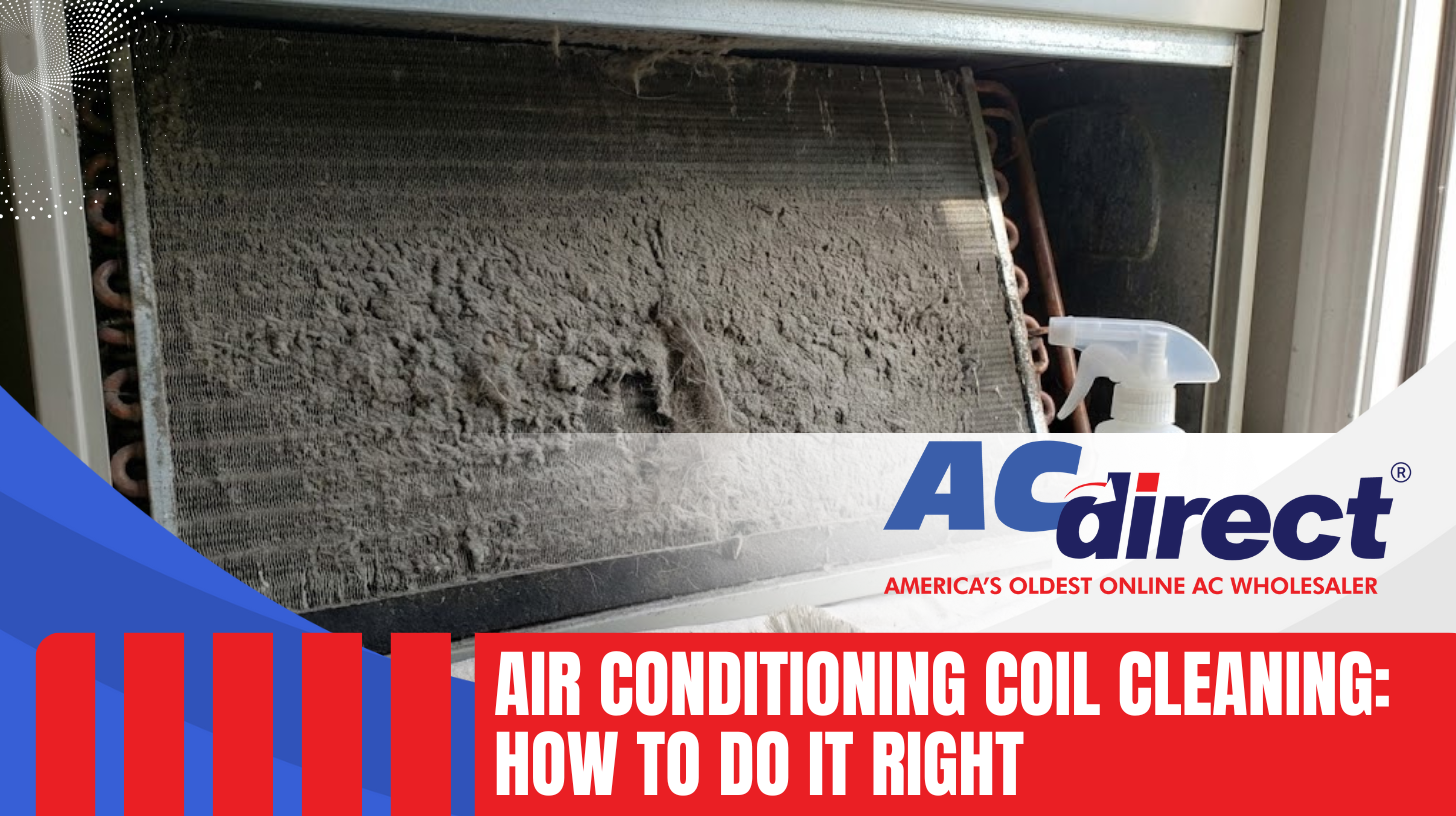
- Coil Cleaning: Clean the coil with a soft brush and a mild detergent solution. Be careful not to damage the fins. There are also coil cleaning products you can purchase.
- Filter Replacement: Regularly replace your air filters to prevent dirt and dust from accumulating on the coil.
- Professional Cleaning: Schedule a professional AC tune-up at least once a year. A technician can thoroughly clean the coil and inspect the system for any potential problems.
DIY vs. Professional Condensate Coil Services
Some basic condensate coil maintenance tasks, such as flushing the drain line and replacing air filters, can be done yourself. However, more complex tasks, such as cleaning the coil itself or diagnosing and repairing a damaged coil, are best left to a professional. Professionals have the tools, expertise, and training to perform these tasks safely and effectively. Trying to do it yourself without the proper knowledge could result in damage to the coil or other parts of your AC system. Also, a dirty coil can cause an AC system to work harder and you may need a Hard start kit for ac.
Cost of Condensate Coil Repair and Replacement
The cost of condensate coil repair and replacement varies depending on several factors, including the type of coil, the extent of the damage, and the labor rates in your area. Minor repairs, such as unclogging a drain line, may cost $75 to $200. Replacing a damaged coil can cost anywhere from $300 to $1500 or more, including labor. It's always a good idea to get quotes from multiple HVAC contractors to compare prices. Keep in mind that the cheapest option isn't always the best; choose a reputable contractor with a proven track record.
Extending the Lifespan of Your Condensate Coil
You can extend the lifespan of your condensate coil with proper care and maintenance. Here are some tips:
- Regular Cleaning: Keep the coil clean and free of dirt and debris.
- Proper Airflow: Ensure proper airflow to the coil by replacing air filters regularly and keeping vents clear.
- Professional Maintenance: Schedule regular professional AC tune-ups.
- Address Problems Promptly: Address any issues, such as leaks or strange noises, as soon as they arise to prevent further damage.
- Consider a UV Light: Installing a UV light in your AC system can help prevent mold and mildew growth on the coil.
Condensate Coil and Indoor Air Quality: What's the Connection?
The condensate coil plays a significant role in your home's indoor air quality. A clean and properly functioning coil helps prevent the growth of mold and mildew, which can release harmful spores into the air. These spores can trigger allergies, asthma, and other respiratory problems. By maintaining your condensate coil, you can help ensure that the air you breathe is clean and healthy.
Also, be sure your HVAC technician is licensed. For example, if you live in South Carolina, verify they are licensed with the South Carolina PSC.
Frequently Asked Questions
What is the main function of a condensate coil?
The primary job of the condensate coil is to cool the air that moves through your air conditioning system. As it cools the air, it also removes moisture, which turns into condensation and is drained away.
How often should I have my condensate coil cleaned?
I recommend having your condensate coil professionally cleaned at least once a year, ideally before the start of the cooling season. This helps ensure optimal performance and prevents problems.
What are the signs of a clogged condensate drain?
If you notice water leaks near your indoor AC unit, a musty smell, or if your AC shuts off unexpectedly, these could be signs of a clogged condensate drain. Increased humidity inside your home can also be an indicator.
Can a dirty condensate coil affect my energy bills?
Yes, when the coil is dirty, your AC system has to work harder to cool your home. This increased effort leads to higher energy consumption and, as a result, higher energy bills.
Is it possible to clean the condensate coil myself?
While you can perform some basic cleaning tasks yourself, such as flushing the drain line, I recommend professional cleaning for the coil itself. Professionals have the right tools and expertise to clean it thoroughly and safely, preventing damage.
Final Thoughts
The condensate coil is a small but mighty component of your AC system, crucial for keeping your home cool, comfortable, and healthy. By understanding its function, recognizing potential problems, and following proper maintenance practices, you can extend its lifespan and avoid costly repairs. Remember, regular professional maintenance is key to ensuring optimal performance and preventing issues before they arise.
I hope this information has been helpful. Making informed decisions about your HVAC system is essential for your comfort and budget. Take the time to assess your needs, research your options, and choose a qualified professional for any repairs or replacements. With the right care, your condensate coil will continue to do its job, keeping you cool and comfortable for years to come.