 and now, NASCAR Racing Sponsor


Condenser and Evaporator Coils: Understanding Your AC's Key Components
-
 By
Michael Haines
By
Michael Haines
- Dec 17, 2022
Hi, I'm Mike Haines, founder of AC Direct. As someone who's spent decades in the HVAC industry, I've seen firsthand how important it is for homeowners to understand the basic components of their air conditioning systems. One of the most crucial sets of components are the condenser and evaporator coils. This discussion is for U.S. homeowners and small business owners who want to understand these key parts, how to maintain them, and what to do when problems arise.
Key Highlights
- Condenser and evaporator coils are essential for cooling in air conditioning systems, with the condenser releasing heat outside and the evaporator absorbing heat inside.
- Regular coil maintenance, including cleaning, is crucial for maintaining HVAC efficiency, preventing breakdowns, and extending the system's lifespan.
- Signs of coil failure include reduced cooling performance, increased energy bills, visible leaks, and unusual noises.
- Choosing the right replacement coils involves considering material, construction, and compatibility with your existing HVAC system.
- Homeowners can perform basic coil cleaning, but professional HVAC services are recommended for thorough maintenance and complex repairs.
What are Condenser and Evaporator Coils?
Your air conditioner relies on a process called the refrigeration cycle to keep your home cool. Two of the most important components in this cycle are the condenser coil and the evaporator coil. The evaporator coil is located inside your home, usually within your air handler or furnace. Its job is to absorb heat from the indoor air. As warm air blows across the cold evaporator coil, the refrigerant inside absorbs the heat, cooling the air that is then circulated back into your home.
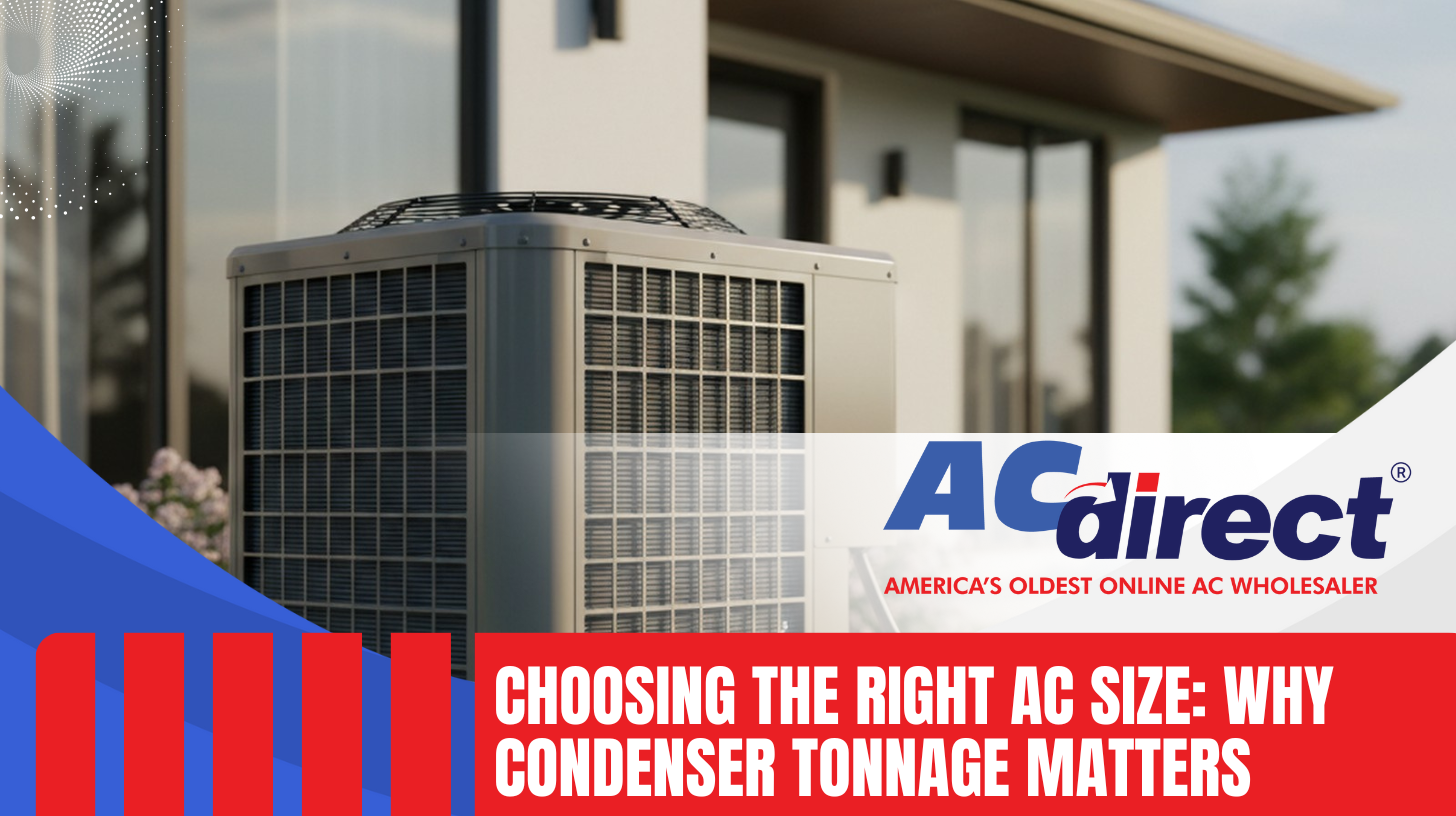
The condenser coil, on the other hand, is located outside in the condenser unit. It releases the heat absorbed by the refrigerant. The hot refrigerant flows to the condenser coil, where a fan blows air across it, dissipating the heat into the outdoor environment. This process turns the refrigerant back into a liquid, which then flows back to the evaporator coil to start the cycle again. Think of it this way: the evaporator coil brings the cold, and the condenser coil kicks out the heat.
The Critical Roles of Condenser and Evaporator Coils in HVAC Systems
The condenser and evaporator coils are vital to the function of your Air conditiner. Without them, your air conditioner simply wouldn't be able to cool your home. The evaporator coil's ability to absorb heat directly determines how effectively your system can lower the indoor temperature. A clean and functioning evaporator coil allows for optimal heat transfer, resulting in cooler air and a more comfortable indoor environment.
The condenser coil's role in releasing heat is equally important. If the condenser coil is dirty or damaged, it can't efficiently dissipate heat. This causes the system to work harder, reducing its cooling capacity and increasing energy consumption. Inefficient heat transfer can lead to the entire system overheating, which can potentially cause major damage and costly repairs.
Why Coil Maintenance is Crucial for HVAC Performance
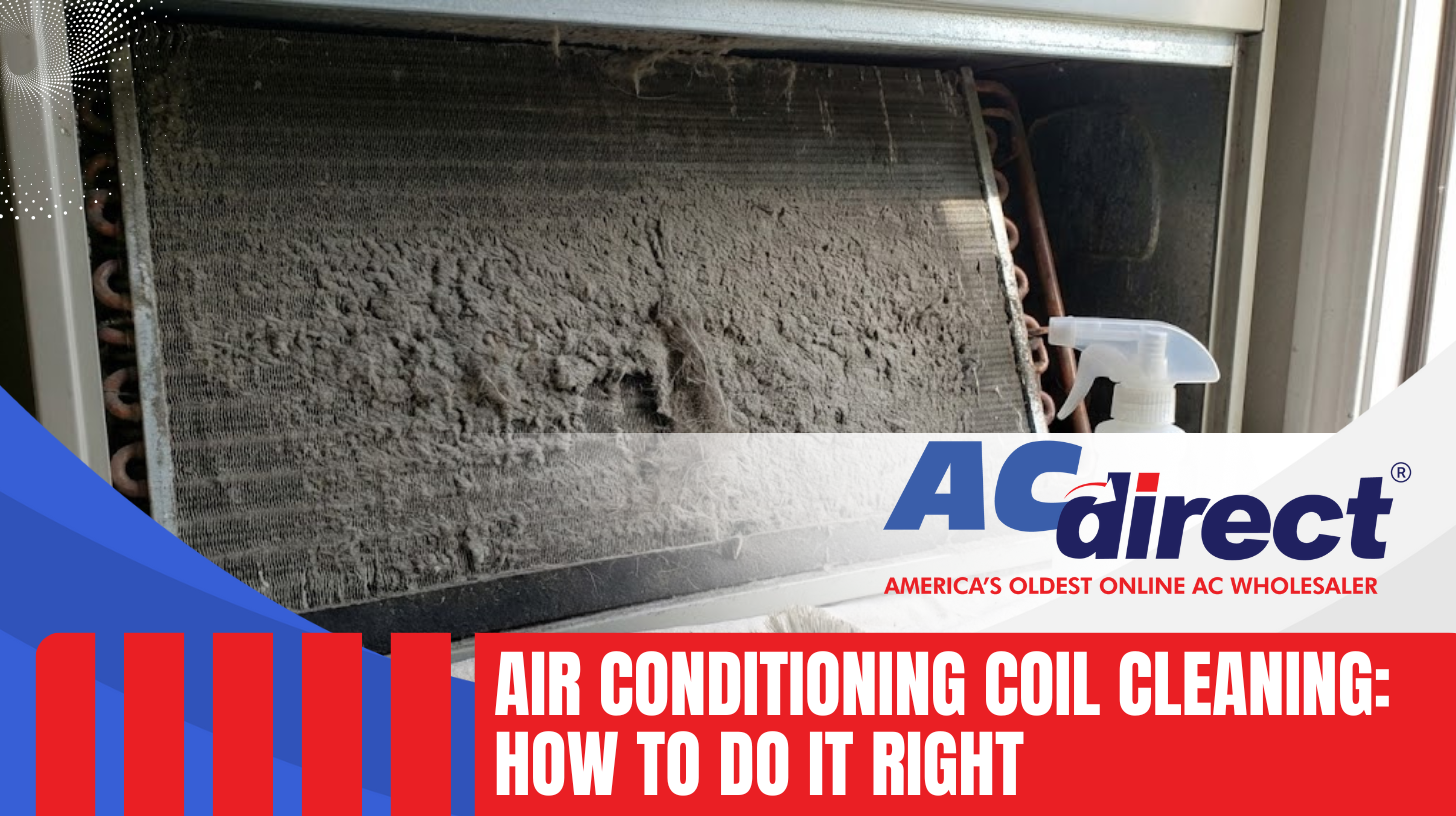
Regular maintenance of your condenser and evaporator coils is essential for ensuring optimal HVAC performance. Over time, these coils can accumulate dirt, dust, and debris. This buildup acts as an insulator, reducing the coil's ability to transfer heat effectively. As I mentioned above, this leads to reduced cooling capacity and increased energy consumption.
Dirty coils also put a strain on other components of your HVAC system. The compressor, for example, has to work harder to maintain the desired temperature, which can shorten its lifespan. Regular coil cleaning can prevent these problems and keep your system running smoothly. I recommend cleaning your coils at least once a year, but ideally twice a year, before the cooling and heating seasons.
Signs of Failing or Damaged HVAC Coils
Knowing the signs of failing or damaged HVAC coils can help you catch problems early and prevent costly repairs. One of the most common signs is a noticeable decrease in cooling performance. If your air conditioner isn't cooling your home as effectively as it used to, it could be a sign that your coils are dirty or damaged.
Another sign is an increase in your energy bills. If your HVAC system is working harder to compensate for inefficient coils, it will consume more energy. Visible leaks around the coils are also a red flag. These leaks can be caused by corrosion or physical damage and can lead to refrigerant loss. Unusual noises, such as hissing or bubbling sounds, can also indicate a problem with your coils. Finally, ice buildup on the coils is another sign that something is amiss. This usually indicates restricted airflow or low refrigerant levels.
Choosing the Right Replacement Coils Material and Construction
When it comes to replacing your HVAC coils, you have a few options in terms of materials and construction. The most common materials used for coils are copper and aluminum. Copper coils are known for their excellent heat transfer properties and durability. They are more resistant to corrosion than aluminum coils, but they are also more expensive. Aluminum coils are lighter and more affordable than copper coils. They offer good heat transfer, but they are more susceptible to corrosion, especially in coastal environments.
Coil construction also varies. Some coils have a simple fin-and-tube design, while others have more complex designs with enhanced surfaces to improve heat transfer. Consider coated coils. These coils have a protective layer that resists corrosion and extends the lifespan of the coil. When choosing replacement coils, be sure to select ones that are compatible with your existing HVAC system. Mismatched coils can reduce efficiency and even damage your system.
Understanding Coil Efficiency: SEER, EER, and HSPF Ratings
When evaluating air conditioning systems, you'll encounter several efficiency ratings, including SEER (Seasonal Energy Efficiency Ratio), EER (Energy Efficiency Ratio), and HSPF (Heating Seasonal Performance Factor). While these ratings primarily apply to the overall system, they are affected by coil design and performance. SEER measures the cooling efficiency of an air conditioner over an entire cooling season. EER measures the cooling efficiency at a specific operating point.
Higher SEER and EER ratings indicate better energy efficiency. HSPF, on the other hand, applies to heat pumps and measures their heating efficiency. While coils themselves don't have individual SEER or EER ratings, their design and condition significantly impact the overall system's efficiency. Well-maintained, high-quality coils contribute to higher SEER, EER, and HSPF ratings. Always check to see if your state has any Tennessee Public Utility Commission that could help you upgrade to a more energy-efficient system.
Cost Factors Repairing vs. Replacing HVAC Coils
Deciding whether to repair or replace your HVAC coils depends on several factors, including the extent of the damage, the age of the coils, and the overall cost. Minor damage, such as small leaks, can often be repaired. However, extensive damage, such as severe corrosion or multiple leaks, may warrant replacement. The age of the coils is also a factor to consider. If your coils are old and nearing the end of their lifespan, replacement may be a more cost-effective option in the long run.
The cost of repair versus replacement also plays a role. Repairing coils can range from a few hundred dollars to over a thousand, depending on the complexity of the repair. Replacing coils can cost anywhere from $500 to $2500 or more, including labor. Get quotes from multiple HVAC professionals to compare costs and make an informed decision.
DIY Coil Cleaning vs. Professional HVAC Services
While some coil maintenance tasks can be done yourself, others are best left to professionals. You can clean your coils yourself using a coil cleaner and a soft brush or vacuum. Be sure to turn off the power to your HVAC system before cleaning the coils. Carefully remove any debris or buildup from the coil surfaces. Rinse the coils with water and allow them to dry completely before turning the system back on.
For more thorough cleaning and maintenance, I recommend hiring a professional HVAC service. Professionals have the tools and expertise to clean your coils safely and effectively. They can also identify and address any underlying issues that may be affecting your system's performance. If you're not comfortable working with HVAC equipment or if you suspect a more serious problem, it's always best to call a pro.
Extending Coil Lifespan: Practical Tips for Homeowners
There are several things you can do to extend the lifespan of your HVAC coils. Regular cleaning is one of the most important. Keep your coils free of dirt, dust, and debris to ensure optimal heat transfer and prevent corrosion. Using appropriate coil cleaners is also crucial. Avoid using harsh chemicals or abrasive cleaners, as these can damage the coils. Instead, use a coil cleaner specifically designed for HVAC systems.
Maintaining proper airflow is another key factor. Make sure your air filters are clean and that your vents are not blocked. This will help ensure that air flows freely across the coils, preventing overheating and ice buildup. Consider coil coatings. These coatings provide a protective layer that resists corrosion and extends the lifespan of the coil, especially in harsh environments.
Matching Coils to Your Existing HVAC System
Matching replacement coils to your existing HVAC system is crucial for optimal performance and efficiency. Mismatched coils can reduce your system's cooling capacity, increase energy consumption, and even damage your equipment. When replacing coils, be sure to choose ones that are the same size and capacity as the original coils. Also, be sure to match the refrigerant type. Using the wrong refrigerant can damage your system and void your warranty.
Consult with an HVAC professional to ensure that the replacement coils are properly matched to your system. They can help you select the right coils and install them correctly. This will ensure that your HVAC system operates efficiently and reliably for years to come.
The Impact of Refrigerant Leaks on Coil Performance
Refrigerant leaks can significantly impact coil performance. When refrigerant leaks from your HVAC system, it reduces the amount of refrigerant available to absorb and release heat. This leads to decreased cooling capacity and increased energy consumption. Refrigerant leaks can also cause the compressor to work harder, which can shorten its lifespan.
If you suspect a refrigerant leak, it's important to have it repaired as soon as possible. Leaks can be detected using electronic leak detectors or by adding a dye to the refrigerant. An HVAC professional can locate and repair the leak, and then recharge the system with the correct amount of refrigerant. Ignoring refrigerant leaks can lead to more serious problems and costly repairs.
Advanced Coil Coatings: Are They Worth the Investment?
Advanced coil coatings are designed to protect coils from corrosion and extend their lifespan. These coatings can be particularly beneficial in coastal environments or areas with high levels of pollution. There are several types of coil coatings available, including epoxy coatings, polyurethane coatings, and hydrophilic coatings. Epoxy coatings provide a durable and corrosion-resistant layer. Polyurethane coatings offer good flexibility and impact resistance. Hydrophilic coatings help to improve heat transfer by allowing water to sheet off the coil surface.
Whether or not advanced coil coatings are worth the investment depends on your specific circumstances. If you live in an area with high levels of corrosion or pollution, coil coatings can significantly extend the lifespan of your coils and save you money in the long run. However, if you live in a milder climate, the benefits may not be as significant. Talk to an HVAC professional to determine if coil coatings are right for you.
Troubleshooting Common Coil Problems
Many coil problems can be traced to simple issues that you can troubleshoot yourself. For example, if your system isn't cooling properly, check your air filters. Dirty air filters can restrict airflow and reduce cooling capacity. If you notice ice buildup on the coils, try turning off the system and allowing the ice to melt. Once the ice is melted, check your air filters and vents for any obstructions.
If you hear unusual noises coming from your HVAC system, try to identify the source of the noise. If the noise is coming from the coils, it could indicate a refrigerant leak or physical damage. If you suspect a more serious problem, it's always best to call an HVAC professional.
When to Call an HVAC Professional for Coil Issues
While some coil maintenance tasks can be done yourself, there are times when it's necessary to call an HVAC professional. If you suspect a refrigerant leak, it's important to call a pro right away. Refrigerant leaks can be harmful to the environment and can also damage your HVAC system. If you notice any signs of physical damage to your coils, such as dents or punctures, it's also best to call a professional. Damaged coils can be difficult to repair and may need to be replaced. Consider our Ac sale program for regular coil maintenance.
If you're not comfortable working with HVAC equipment or if you're unsure about how to properly clean or maintain your coils, it's always best to call a professional. They have the expertise and tools to diagnose and repair any problems with your coils. I always suggest that you Shop air conditioning units if you are unsure of which one will work best for your property.
Coil Placement and its Effect on System Efficiency
The placement of your condenser and evaporator coils can affect your HVAC system's overall efficiency. The condenser unit should be located in a well-ventilated area, away from direct sunlight and obstructions. This will help ensure that the condenser coil can efficiently release heat into the outdoor environment. The evaporator coil, on the other hand, should be located in a place that allows for proper airflow. Make sure that the coil is not blocked by furniture or other objects.
Proper coil placement can improve heat transfer, reduce energy consumption, and extend the lifespan of your HVAC system. If you're unsure about the best placement for your coils, consult with an HVAC professional.
Frequently Asked Questions
What is the difference between a condenser coil and an evaporator coil?
The condenser coil releases heat outside of your house, and the evaporator coil absorbs heat from inside to cool it down. They have to work together to make the whole air conditioning process work correctly.
How often should I clean my HVAC coils?
I usually tell people to clean them at least once a year, but twice is better. Try to do it right before you start using your AC for the summer, and again before you turn on the heat in the winter. Cleaning them keeps everything running smoothly and makes your system last longer.
What are the signs that my HVAC coils are failing?
If your system isn't cooling or heating like it used to, your energy bills are higher, you see leaks, hear weird noises, or notice ice building up on the coils, those are all signs that something might be wrong.
Can I clean my HVAC coils myself, or should I hire a professional?
You can certainly clean the coils yourself using special coil cleaner, but a professional cleaning is usually more thorough. Plus, you don't risk damaging anything. If you don't feel comfortable doing it yourself, call a pro.
How much does it cost to replace HVAC coils?
It really depends on the kind of coil you need, how big your system is, and what the labor costs are in your area. You're probably looking at somewhere between $500 and $2500 or even more, including the cost of labor.
What is the best way to prevent my coils from corroding?
Regular cleaning is key. Use the right kind of coil cleaner, and think about getting a coil coating. Also, make sure air can flow freely around your system.
Why is matching coils to my existing HVAC system important?
If the coils don't match your system, it won't run as efficiently, and you could end up damaging the whole unit. Matching them properly makes sure everything works its best and lasts as long as possible.
Final Thoughts
Understanding condenser and evaporator coils is key to maintaining an efficient and reliable HVAC system. These components are the heart of your cooling system, and taking care of them can save you money on energy bills and prevent costly repairs. Remember, regular maintenance, including coil cleaning, is essential for optimal performance.
When faced with coil problems, don't hesitate to seek professional help. An experienced HVAC technician can diagnose and repair any issues, ensuring that your system operates safely and efficiently. By being proactive and informed, you can keep your HVAC system running smoothly for years to come.
At AC Direct, we're committed to providing you with the information and products you need to make smart HVAC purchase decisions. Explore our selection of high-quality coils and HVAC systems to find the perfect solution for your home or business.