

Understanding Condenser Coil Amperage: What Homeowners Need to Know
-
 By
Michael Haines
By
Michael Haines
- Dec 18, 2022

Hi, I'm Mike Haines, founder of AC Direct. As a homeowner or small business owner, understanding the basics of your air conditioning system can save you money and prevent headaches. One critical aspect is the condenser coil amperage. This tells you how much electrical current your AC unit needs to run safely. This information is for anyone looking to understand their AC system better and ensure it's running efficiently and safely.
- Condenser coil amperage indicates the electrical current your AC unit needs to operate safely.
- High amperage can signal problems like a dirty coil, failing motor, or compressor issues.
- Regular maintenance, like cleaning the condenser coil, helps maintain optimal amperage draw and efficiency.
- Matching the amperage with the correct breakers and wiring is crucial for safety and performance.
- If you notice consistently high amperage, consult a qualified HVAC technician to diagnose and fix the problem.
What is Condenser Coil Amperage?
Condenser coil amperage refers to the amount of electrical current, measured in amps, that the condenser coil in your air conditioning system requires to function properly. The condenser coil is a vital component responsible for releasing heat from the refrigerant. The amperage rating indicates the maximum current the coil is designed to draw during normal operation. Understanding this rating is essential for ensuring your AC system operates safely and efficiently.
Why Condenser Coil Amperage Matters to Homeowners
As a homeowner, you might be wondering why condenser coil amperage should be on your radar. Here's why it matters. First, it's a key indicator of your system's health. A sudden increase in amperage can signal underlying problems, such as a failing motor or a dirty coil. Addressing these issues promptly can prevent costly repairs down the road. Second, it's directly related to energy efficiency. An AC unit drawing excessive amperage is working harder than it should, leading to higher energy bills. Finally, understanding amperage helps ensure your system is operating safely, preventing electrical hazards like tripped breakers or, in rare cases, fires.
Understanding Amps, Volts, and Watts in Your AC
To fully grasp condenser coil amperage, it's helpful to understand the relationship between amps, volts, and watts. Amps (amperes) measure the electrical current, volts measure the electrical potential or pressure, and watts measure the electrical power. These three are interconnected. Watts are calculated by multiplying amps and volts (Watts = Amps x Volts). Your AC system operates within a specific voltage, and the amperage draw determines the power consumption. When the amperage increases while the voltage remains constant, the wattage also increases, leading to higher energy consumption and potential strain on the system. For instance, the Public Utility Commission of Texas has a wealth of information related to energy consumption.
How to Find the Condenser Coil Amperage Rating
Locating the amperage rating for your AC condenser coil is usually straightforward. The information is typically found on the unit's nameplate, a sticker or plate attached to the outside of the condenser unit. Look for terms like "Rated Load Amps" (RLA), "Full Load Amps" (FLA), or simply "Amps." The nameplate will also include the voltage requirement. Make a note of these numbers, as they'll be useful for troubleshooting and ensuring proper operation.
What Causes High Condenser Coil Amperage?
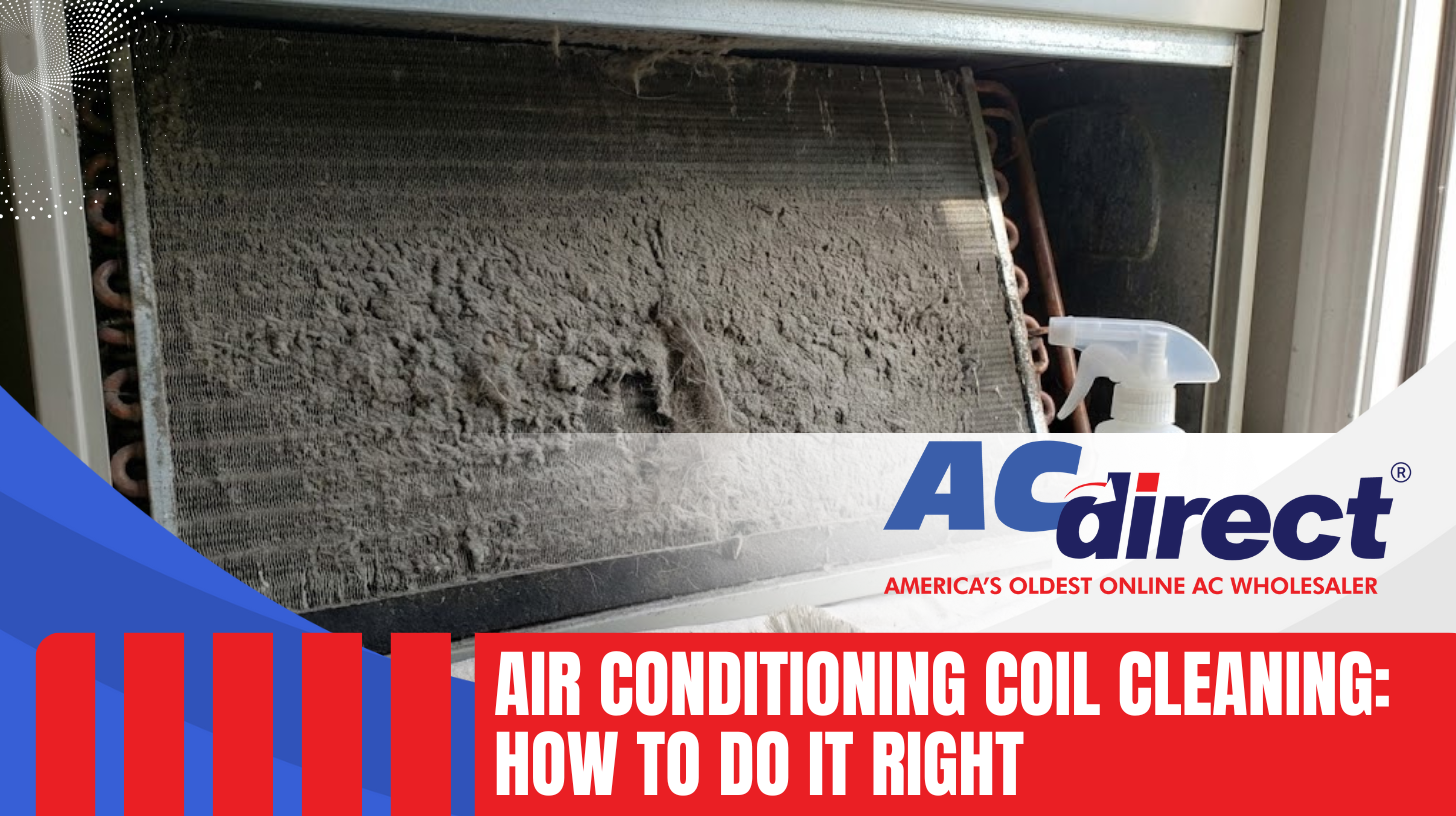
Several factors can cause high condenser coil amperage. One of the most common is a dirty condenser coil. When the coil is covered in dirt, dust, or debris, it restricts airflow, forcing the compressor to work harder and draw more current. Other causes include a failing compressor motor, refrigerant leaks, restricted refrigerant flow, and electrical issues. It's also worth noting that during hot summer days, your AC unit might run longer and draw slightly higher amperage, but a consistently high reading is a red flag.
Troubleshooting High Amperage: When to Call a Professional
If you suspect your condenser coil is drawing excessive amperage, it's crucial to take action. First, check the condenser coil for dirt and debris. If it's dirty, clean it using a fin comb and a gentle cleaning solution. If cleaning doesn't resolve the issue, or if you're not comfortable working with electrical components, it's best to call a qualified HVAC technician. Attempting to diagnose or repair complex AC issues without the proper knowledge and tools can be dangerous and could potentially void your warranty. Technicians have the expertise to pinpoint the root cause of the problem and perform the necessary repairs safely and effectively.
The Relationship Between Amperage and Energy Efficiency
Amperage and energy efficiency are closely linked. An AC unit drawing higher amperage consumes more electricity, leading to increased energy bills. When your AC system struggles due to a dirty coil, failing components, or refrigerant issues, it has to work harder to maintain the desired temperature, resulting in higher amperage draw. Maintaining your system through regular cleaning and timely repairs can significantly improve its energy efficiency and lower your operating costs. In some cases, upgrading to a more efficient unit like a Aircon home unit might be the best long-term solution.
Matching Amperage with Breakers and Wiring
Ensuring that your AC unit's amperage is properly matched with the circuit breakers and wiring is paramount for safety. The circuit breaker protects your electrical system from overloads by tripping and cutting off power when the amperage exceeds its rating. If your AC unit's amperage exceeds the breaker's rating, it will repeatedly trip, indicating a serious problem. Similarly, using wiring that's too thin for the amperage can cause overheating and potentially a fire hazard. Consult with a qualified electrician to ensure your wiring and breakers are appropriately sized for your AC unit's amperage requirements.
Condenser Coil Amperage vs. Other AC Electrical Components
While condenser coil amperage is critical, it's essential to consider the amperage draw of other electrical components in your AC system. The compressor, fan motor, and control circuits all contribute to the total amperage load. The compressor typically draws the highest amperage, followed by the fan motor. When troubleshooting electrical issues, it's helpful to check the amperage draw of each component to identify the source of the problem. For example, a faulty fan motor can increase the overall amperage draw, even if the condenser coil is functioning correctly.
Tips for Maintaining Optimal Condenser Coil Performance
Maintaining optimal condenser coil performance is key to ensuring efficient and safe operation. Here are some tips:
- Regular Cleaning: Clean the condenser coil at least once a year, or more frequently if you live in a dusty environment. Use a fin comb and a gentle cleaning solution to remove dirt and debris.
- Check for Obstructions: Ensure that there are no obstructions around the condenser unit, such as plants, bushes, or debris, that could restrict airflow.
- Monitor Performance: Pay attention to your AC unit's performance. If you notice reduced cooling, unusual noises, or increased energy bills, it could indicate a problem with the condenser coil.
- Schedule Professional Maintenance: Have your AC system professionally inspected and maintained at least once a year. A technician can identify and address potential issues before they escalate into major problems.
Condenser Coil Amperage and HVAC System Lifespan
The condenser coil's amperage draw can significantly impact your HVAC system's lifespan. When the coil operates within its designed amperage range, it experiences less stress and wear, prolonging its life. Conversely, consistently high amperage can lead to premature failure of the coil and other components. By maintaining optimal condenser coil performance through regular cleaning and maintenance, you can extend the lifespan of your entire HVAC system and avoid costly replacements.
Is it Time to Replace Your AC Condenser?
If your AC condenser is old, frequently experiencing problems, or drawing excessive amperage despite regular maintenance, it might be time to consider a replacement. An outdated or inefficient condenser can significantly impact your energy bills and cooling performance. Newer models are often more energy-efficient and offer improved features. If you're unsure whether to repair or replace your condenser, consult with a qualified HVAC technician. They can assess your system's condition and provide recommendations based on your specific needs and budget. Also think about a Ac unit cheap or what the Mini split ac cost would be.
Frequently Asked Questions
What does the amperage rating on my AC condenser coil mean?
The amperage rating on your AC condenser coil indicates the maximum electrical current it's designed to safely draw while running. Going over this limit can harm the unit or trip a breaker.
Where can I find the amperage rating for my AC condenser coil?
You can find the amperage rating on the unit's nameplate, usually located on the outside of the condenser unit. Look for "amps," "rated amps," or "RLA" (Rated Load Amps).
What happens if my condenser coil is drawing too many amps?
If your condenser coil draws too many amps, it suggests a problem with the motor, compressor, or other parts. This can cause overheating, damage, and potentially a fire. It's best to call an HVAC technician for help.
Can a dirty condenser coil affect its amperage draw?
Yes, a dirty condenser coil restricts airflow, which makes the compressor work harder and draw more amps. Regular cleaning can help keep it running well and prevent too much amperage draw.
Should I be concerned if my AC condenser coil amperage is slightly higher than the rated amperage?
A small increase in amperage, especially when starting up, can be normal. But if the amperage is always higher than the rated amperage, it could mean there's a problem that needs attention from an HVAC professional.
Final Thoughts
Understanding condenser coil amperage is a crucial aspect of maintaining your AC system's health, efficiency, and safety. By knowing what to look for and taking proactive measures, you can prevent costly repairs and ensure your system operates optimally for years to come. Don't hesitate to consult with a qualified HVAC technician if you have any concerns or questions. Making informed decisions about your HVAC system will provide better comfort and save money in the long run.