

Condenser Evaporator Coil: Understanding Your AC's Core Components
-
 By
Michael Haines
By
Michael Haines
- Dec 19, 2022

Hi, I'm Mike Haines, founder of AC Direct. Many homeowners and even some small business owners don't fully understand what makes their air conditioner tick. Today, I want to break down two of the most important components: the condenser coil and the evaporator coil. Understanding these parts, their function, and how to maintain them can save you money and keep your home comfortable. This information is geared towards retail purchasers, not HVAC technicians, so I'll keep the explanations straightforward.
- The condenser coil releases heat outside, while the evaporator coil absorbs heat inside to cool your home.
- Regular maintenance, such as cleaning the coils and changing air filters, can extend the lifespan of your condenser and evaporator coils.
- Signs of a failing coil include reduced cooling performance, leaks, unusual noises, and increased energy bills.
- Replacing both coils at the same time is generally recommended to ensure optimal system performance.
- Professional HVAC technicians can diagnose and repair coil problems, ensuring your system operates efficiently.
What is an HVAC Condenser Coil?
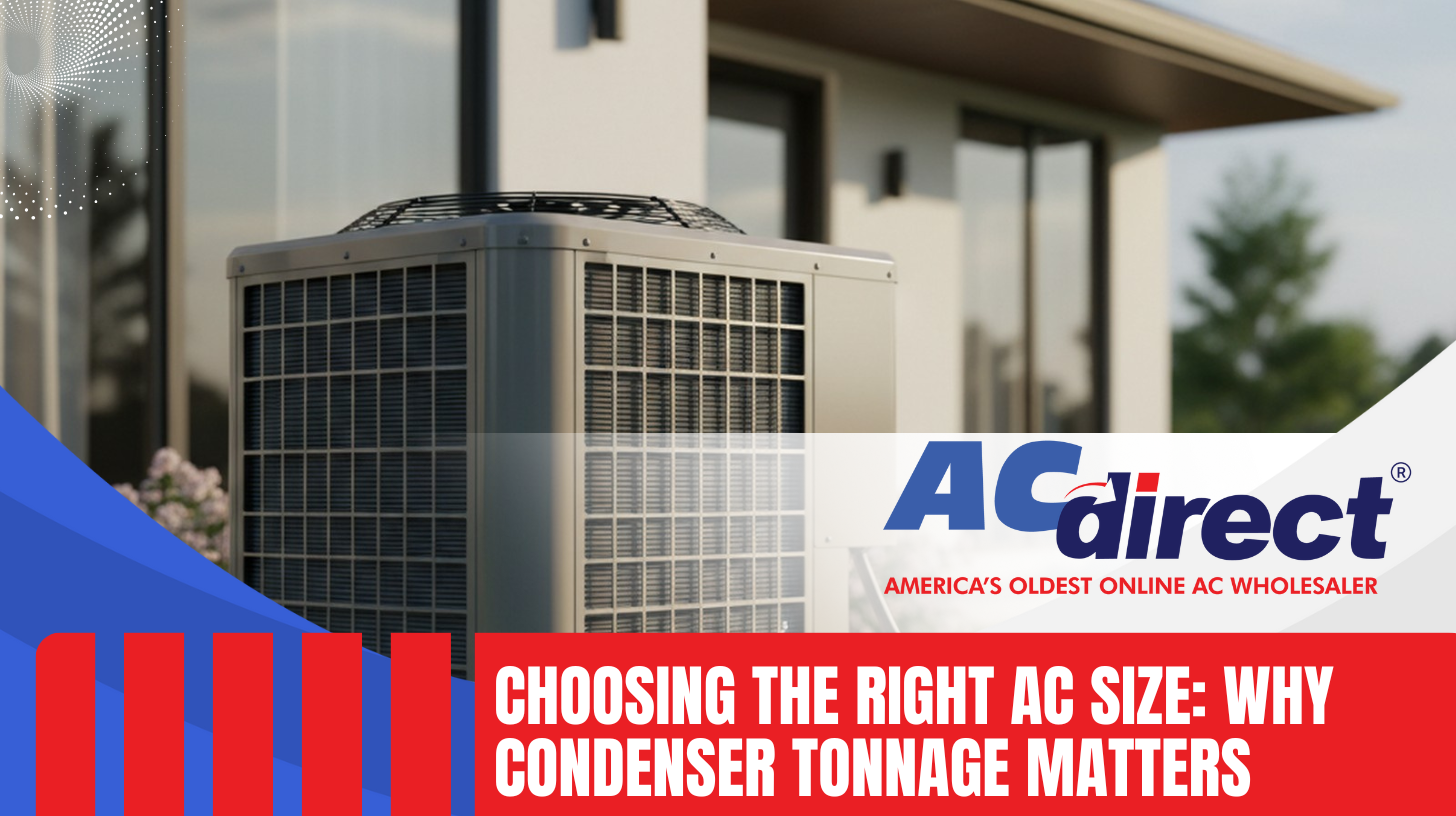
The condenser coil is a critical component of your air conditioning system, typically located in the outdoor unit. Its main job is to release the heat that has been absorbed from inside your home. Think of it as the exhaust system for your AC unit. The condenser coil works by converting hot, high-pressure refrigerant gas back into a liquid, a process that releases heat into the outside air. This heat dissipation is essential for the cooling cycle to continue.
What is an HVAC Evaporator Coil?
The evaporator coil is located inside your home, usually within your furnace or air handler. Its function is the opposite of the condenser coil: it absorbs heat from the indoor air. As warm air blows across the evaporator coil, the refrigerant inside absorbs the heat and evaporates, turning into a gas. This process cools the air, which is then circulated back into your home. The evaporator coil is essential for providing the cool air that keeps you comfortable.
Why Are Condenser and Evaporator Coils Important?
These two coils are the core components that enable your air conditioner to cool your home. Without them functioning properly, your AC system simply won't be able to remove heat from the indoor air and release it outside. This leads to uncomfortable temperatures, higher energy bills, and potentially, a complete system failure. I see a lot of homeowners who neglect maintenance and end up with costly repairs or replacements that could have been avoided.
How Do Condenser and Evaporator Coils Work Together?
The condenser and evaporator coils work together in a closed-loop system. The refrigerant circulates between the two coils, carrying heat from inside your home to the outside. Here's a simplified breakdown:
- The evaporator coil absorbs heat from the indoor air, turning the refrigerant into a gas.
- The refrigerant gas travels to the compressor, which increases its pressure and temperature.
- The high-pressure, high-temperature refrigerant gas flows to the condenser coil.
- The condenser coil releases heat to the outside air, turning the refrigerant back into a liquid.
- The liquid refrigerant flows through an expansion valve, which reduces its pressure and temperature.
- The low-pressure, low-temperature refrigerant returns to the evaporator coil to start the cycle again.
Signs of a Failing Condenser Coil
Recognizing the signs of a failing condenser coil early can save you money and prevent further damage to your AC system. Here are some common indicators:
- Decreased Cooling Capacity: Your AC may run longer but not cool your home as effectively.
- Increased Energy Consumption: You might notice a significant increase in your energy bills.
- Buzzing or Humming Sound: Unusual noises coming from the outdoor unit can indicate a problem with the condenser coil or fan.
- Visible Damage: Look for bent fins, corrosion, or leaks on the coil.
- Overheating: The outdoor unit may feel excessively hot to the touch.
Signs of a Failing Evaporator Coil
A malfunctioning evaporator coil can also cause several noticeable problems. Here's what to watch out for:
- Reduced Cooling Performance: Similar to a failing condenser coil, your AC may struggle to cool your home.
- Ice Buildup: Ice forming on the evaporator coil is a common sign of restricted airflow or low refrigerant.
- Musty Odor: A moldy or musty smell coming from your vents can indicate a buildup of moisture on the coil.
- Water Leaks: Water leaking from your indoor unit can be a sign of a frozen or damaged evaporator coil.
- Higher Energy Bills: An inefficient evaporator coil forces your system to work harder, increasing energy consumption.
Choosing the Right Condenser and Evaporator Coils
When it comes time to replace your condenser and evaporator coils, it's important to choose the right ones for your system. Consider the following factors:
- Size and Capacity: The coils should be properly sized for your home's square footage and cooling needs. An undersized coil won't provide enough cooling, while an oversized coil can lead to short cycling and humidity problems.
- SEER Rating: The Seasonal Energy Efficiency Ratio (SEER) rating indicates the coil's energy efficiency. Higher SEER ratings translate to lower energy bills.
- Material: Coils are typically made of copper or aluminum. Copper is more durable and has better heat transfer properties, but aluminum is more affordable.
- Compatibility: Ensure that the new coils are compatible with your existing AC system components.
Matching Coils for Optimal Performance
It's crucial to match your condenser and evaporator coils for optimal performance and efficiency. Mismatched coils can lead to reduced cooling capacity, increased energy consumption, and premature failure of the system. I always advise homeowners to consult with a qualified HVAC technician to ensure proper coil matching. You might consider a Residential air conditioning for your home, depending on these factors.
Condenser and Evaporator Coil Replacement Costs
Replacing a condenser or evaporator coil can be a significant expense, but it's often necessary to restore your AC system's performance and efficiency. The cost can vary depending on several factors, including the size and type of coil, the complexity of the installation, and local labor rates. Keep in mind that Gas air conditioners may have different components and slightly varied costs.
Generally, you can expect to pay between $1,000 and $4,000 or more for a complete coil replacement, including parts and labor. It’s a good idea to get quotes from multiple HVAC contractors to compare prices and services.
Factors Affecting Coil Lifespan
Several factors can affect the lifespan of your condenser and evaporator coils. Understanding these factors can help you take steps to prolong the life of your coils:
- Maintenance: Regular cleaning and maintenance can prevent corrosion and buildup on the coils, extending their lifespan.
- Air Quality: Poor air quality, such as dust, pollen, and pet dander, can clog the coils and reduce their efficiency.
- Climate: Harsh climates with extreme temperatures or high humidity can accelerate coil degradation.
- Refrigerant Leaks: Refrigerant leaks can lead to coil damage and reduced cooling performance.
- System Age: As your AC system ages, the coils become more susceptible to corrosion and failure.
Tips for Extending the Life of Your Coils
Here are some practical tips for extending the life of your condenser and evaporator coils:
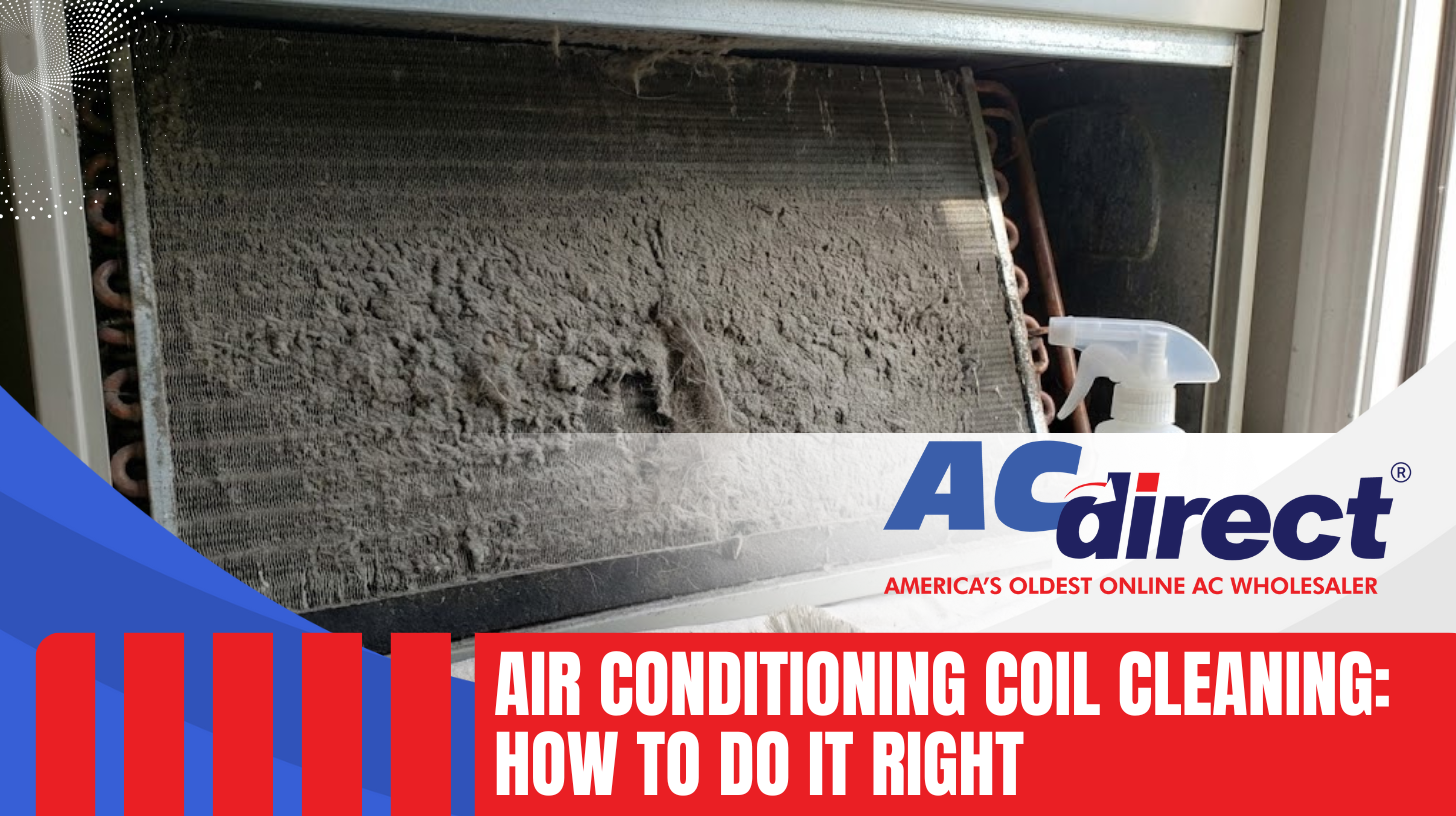
- Regular Cleaning: Clean the coils regularly to remove dirt, debris, and buildup. Use a soft brush or a fin comb to gently clean the fins.
- Air Filter Replacement: Change your air filters regularly (every 1-3 months) to improve airflow and prevent dust from clogging the coils.
- Professional Maintenance: Schedule annual maintenance with a qualified HVAC technician to inspect and service your system.
- Address Refrigerant Leaks Promptly: If you suspect a refrigerant leak, have it repaired immediately to prevent further damage.
- Protect the Outdoor Unit: Keep the area around your outdoor unit clear of vegetation and debris to ensure proper airflow.
Professional HVAC Maintenance for Coil Health
Regular professional HVAC maintenance is essential for maintaining the health of your condenser and evaporator coils. A qualified technician can perform the following services:
- Coil Cleaning: Thoroughly clean the coils using specialized equipment and cleaning solutions.
- Refrigerant Level Check: Check the refrigerant level and add refrigerant if needed.
- Leak Detection: Detect and repair any refrigerant leaks.
- System Inspection: Inspect all system components for wear and tear.
- Performance Testing: Test the system's performance to ensure it's operating efficiently.
I recommend scheduling professional maintenance at least once a year, or more frequently if you live in a harsh climate or have pets.
Troubleshooting Common Coil Problems
Here are some common coil problems and how to troubleshoot them:
- Ice Buildup on Evaporator Coil: Check the air filter, ensure proper airflow, and inspect for refrigerant leaks.
- Decreased Cooling Performance: Clean the coils, check the refrigerant level, and inspect for leaks.
- Unusual Noises: Inspect the coils and fan for damage or debris.
- Water Leaks: Check the condensate drain line for clogs.
If you're not comfortable troubleshooting these problems yourself, it's best to call a qualified HVAC technician.
When to Call an HVAC Technician
While some minor coil problems can be addressed with simple maintenance, there are times when it's essential to call a qualified HVAC technician. Here are some situations that warrant professional help:
- Refrigerant Leaks: Refrigerant leaks require specialized equipment and expertise to repair.
- Major Coil Damage: Significant damage to the coils, such as corrosion or punctures, may require replacement.
- Complex System Problems: If you're experiencing complex system problems that you can't diagnose or fix yourself, it's best to call a professional.
- Electrical Issues: Electrical problems related to the AC system should always be handled by a qualified technician. You can review the Glzs4ba2410 document for more information.
Remember, attempting to repair complex HVAC problems yourself can be dangerous and may void your warranty. Always prioritize safety and call a professional when in doubt. Be sure to check with the Utah Public Service Commission in your state to verify proper licensing.
Frequently Asked Questions
What is the difference between a condenser coil and an evaporator coil?
The condenser coil releases heat outside, while the evaporator coil absorbs heat inside to cool your home. The condenser coil is usually located in the outdoor unit, while the evaporator coil is in the indoor unit.
How often should I replace my condenser and evaporator coils?
With proper maintenance, condenser and evaporator coils can last 10-15 years. However, factors like corrosion, leaks, and system age can necessitate earlier replacement.
What are the signs of a failing evaporator coil?
Signs of a failing evaporator coil include reduced cooling performance, ice buildup on the coil, a musty odor, water leaks, and higher energy bills.
What are the signs of a failing condenser coil?
Signs of a failing condenser coil include decreased cooling capacity, increased energy consumption, a buzzing or humming sound from the outdoor unit, and visible damage to the coil fins.
Can I replace just the condenser or evaporator coil, or do I need to replace both?
It's generally recommended to replace both coils at the same time to ensure optimal system performance and efficiency. Mismatched coils can lead to reduced capacity and premature failure.
How much does it cost to replace a condenser or evaporator coil?
The cost to replace a condenser or evaporator coil can vary depending on the size and type of coil, the complexity of the installation, and local labor rates. Expect to pay between $1,000 and $4,000 or more for a complete coil replacement.
Final Thoughts
Understanding your AC system's condenser and evaporator coils is key to maintaining a comfortable home and avoiding costly repairs. By knowing the signs of a failing coil and following proper maintenance tips, you can extend the life of your system and ensure it operates efficiently.
Remember, when it comes to HVAC repairs and replacements, it's always best to consult with a qualified professional. They can accurately diagnose the problem and recommend the best course of action for your specific needs.
I hope this information has been helpful. At AC Direct, we're committed to providing you with the knowledge and resources you need to make informed HVAC purchase decisions.