 and now, NASCAR Racing Sponsor


Condenser Evaporator Unit: Understanding Your AC's Core Components
-
 By
Michael Haines
By
Michael Haines
- Dec 20, 2022
Hi, I'm Mike Haines, founder of AC Direct. If you're a homeowner or small business owner trying to understand your air conditioning system, you've probably heard about the condenser and evaporator coils. These two components are vital to the cooling process. I want to break down what each one does, how they work together, and what to look for if you suspect problems. This information will help you make informed decisions about maintaining or replacing your Hvac ac system.
Key Highlights
- The condenser coil releases heat outside, while the evaporator coil absorbs heat inside.
- Regular maintenance and cleaning of both coils can significantly improve energy efficiency and prevent costly repairs.
- Signs of a failing condenser or evaporator coil include reduced cooling performance, unusual noises, and leaks.
- Replacing a faulty coil can be expensive, so it's essential to diagnose the problem accurately.
- Consider consulting a qualified HVAC professional for complex coil issues or if you're unsure about DIY repairs.
What is a Condenser Coil?
The condenser coil is located in the outdoor unit of your air conditioner. Its primary job is to release heat from the refrigerant. As the refrigerant circulates through the system, it absorbs heat from inside your home. The hot, high-pressure refrigerant then flows to the condenser coil, where it's cooled down and converted back into a liquid. Think of it as the heat "radiator" for your Hvac ac system.
What is an Evaporator Coil?
The evaporator coil sits inside your home, usually within the air handler or furnace. Its purpose is to absorb heat from the indoor air. As warm air blows across the evaporator coil, the refrigerant inside absorbs the heat, cooling the air before it's circulated back into your living space. This process turns the liquid refrigerant into a gas, which then travels back to the outdoor condenser unit.
Condenser Coil vs. Evaporator Coil: Key Differences
While both coils are essential for the cooling process, they have distinct roles and locations. The condenser coil is outside, releases heat, and transforms refrigerant from a gas to a liquid. The evaporator coil is inside, absorbs heat, and transforms refrigerant from a liquid to a gas. They also operate at different pressures and temperatures.
Why are Both Coils Important for Home Cooling?
Without both a functioning condenser and evaporator coil, your air conditioner can't do its job. If either coil is damaged, dirty, or otherwise not working correctly, your AC system's efficiency will suffer. You'll likely notice reduced cooling, higher energy bills, and potentially even system failure. They are a team; one can't function without the other.
How do Condenser Coils and Evaporator Coils Work Together?
The refrigeration cycle is a continuous loop involving both coils. First, the evaporator coil absorbs heat from your indoor air. The refrigerant, now a hot gas, travels to the condenser coil outside. The condenser releases this heat, turning the refrigerant back into a liquid. This liquid then flows back to the evaporator coil to repeat the cycle. This constant exchange of heat is what keeps your home cool. You might consider a 3mxm24avju9 for your home, which includes both.
Factors Affecting Condenser and Evaporator Coil Performance
Several factors can impact how well your condenser and evaporator coils perform. Dirt and debris buildup is a common problem, reducing their ability to transfer heat efficiently. Airflow restrictions, such as clogged air filters or blocked vents, can also hinder performance. Refrigerant leaks, improper installation, and age can all play a role.
Choosing the Right Size Condenser and Evaporator Coil
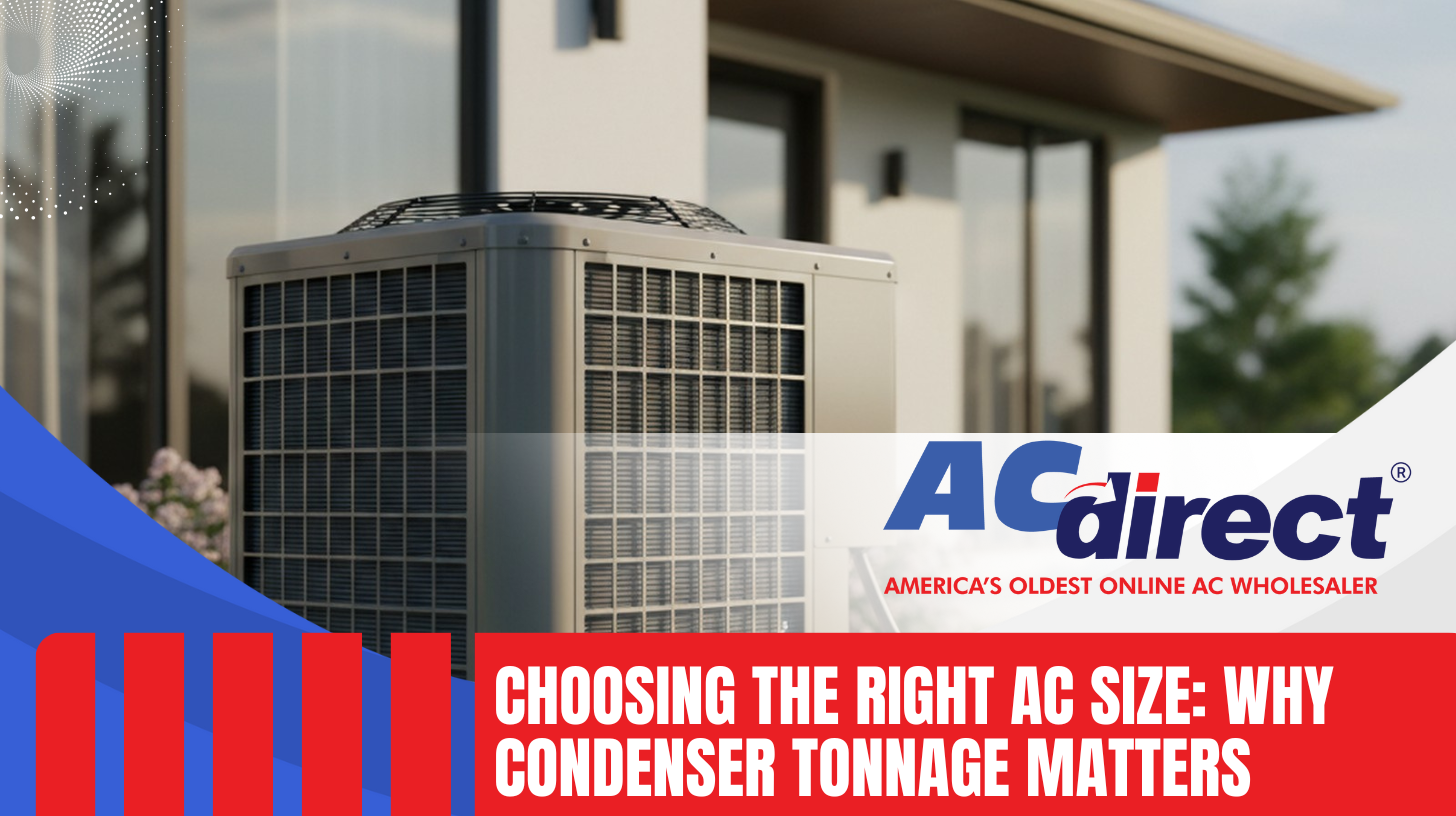
Selecting the correct size condenser and evaporator coil is crucial for optimal performance and efficiency. An undersized coil won't be able to cool your home effectively, while an oversized coil can lead to short cycling and humidity problems. HVAC professionals use calculations based on your home's square footage, insulation, and climate to determine the appropriate size. I always recommend getting a professional assessment to ensure you get the right match. It's also important to consider matching the SEER ratings between your condenser and evaporator coils to maximize energy savings. I've seen homeowners shop for Discount hvac systems and regret it later because they didn't factor in the correct sizing.
Signs of a Failing Condenser Coil
Several warning signs can indicate a problem with your condenser coil. These include reduced cooling capacity, higher energy bills, unusual noises coming from the outdoor unit, and visible leaks. If you notice any of these issues, it's important to investigate further.
Signs of a Failing Evaporator Coil
A failing evaporator coil can also manifest in various ways. You might experience weak airflow, inconsistent cooling, or a musty odor coming from your vents. Another common sign is a frozen evaporator coil, which occurs when ice forms on the coil due to restricted airflow or low refrigerant levels. Leaks can also occur, often resulting in water damage near the indoor unit.
Maintenance Tips for Condenser and Evaporator Coils
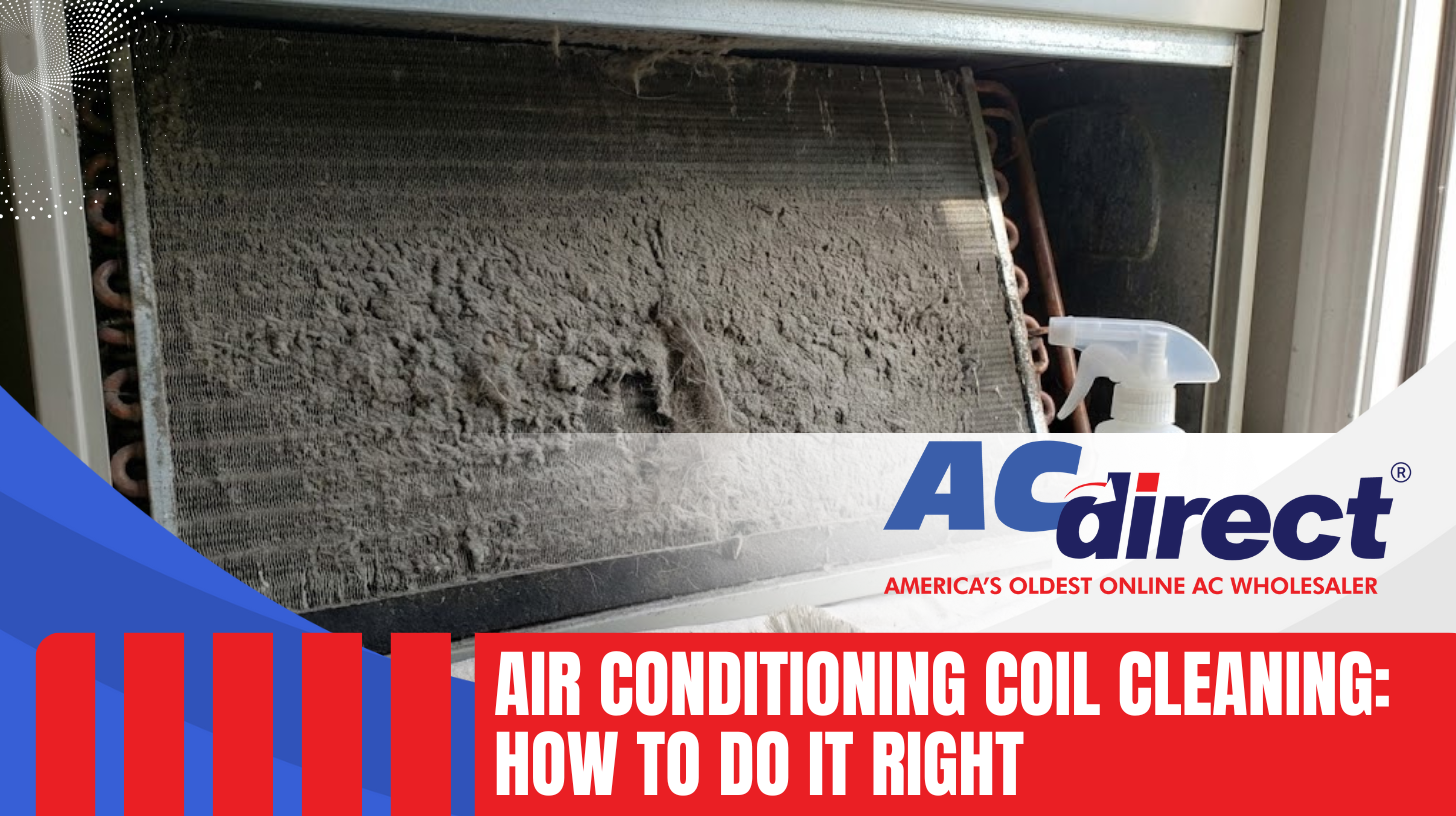
Regular maintenance can help extend the lifespan of your condenser and evaporator coils and ensure optimal performance. For the condenser coil, regularly clean away any debris, leaves, or dirt that may have accumulated around the unit. You can use a garden hose to gently rinse the coil fins. For the evaporator coil, ensure your air filter is clean and replace it regularly. It is also wise to have a professional HVAC technician inspect and clean the coil annually.
Condenser Coil and Evaporator Coil Replacement Costs
Replacing a condenser or evaporator coil can be a significant expense. The cost will vary depending on the size and type of your AC system, as well as local labor rates. In general, you can expect to pay anywhere from $600 to $2500 or more for each coil replacement. It is best to get quotes from several different HVAC contractors to find the best price.
Improving Energy Efficiency with Proper Coil Maintenance
Keeping your condenser and evaporator coils clean and well-maintained can significantly improve your AC system's energy efficiency. Dirty coils force your system to work harder, consuming more energy and increasing your utility bills. By performing regular maintenance, you can keep your coils running efficiently and save money on your energy costs. You should research available rebates and incentives too, such as those offered by the Vermont Public Utility Commission.
When to Call an HVAC Professional for Coil Issues
While some minor maintenance tasks can be done yourself, it's important to know when to call a professional. If you suspect a refrigerant leak, are uncomfortable working with electrical components, or are unsure about the proper cleaning procedures, it's best to consult a qualified HVAC technician. They have the expertise and tools to diagnose and repair complex coil problems safely and effectively.
Frequently Asked Questions About Condenser and Evaporator Coils
What happens if my condenser coil is dirty?
If your condenser coil gets dirty, it will not release heat efficiently. This forces your air conditioner to work harder to cool your home, which raises your energy bill. In severe cases, it can cause the system to overheat, leading to costly repairs or even failure.
How often should I clean my condenser coil?
I recommend cleaning your condenser coil at least once a year, ideally before the start of the cooling season. If you live in a dusty area or have a lot of pollen, you might need to clean it more often.
Can I clean my evaporator coil myself?
Cleaning the evaporator coil is a bit more involved than cleaning the condenser coil. It often requires special tools and knowledge to avoid damaging the coil. I usually advise leaving evaporator coil cleaning to a qualified HVAC professional.
What causes an evaporator coil to freeze?
Frozen evaporator coils are commonly caused by reduced airflow. This can happen if you have a dirty air filter, blocked vents, or a faulty blower motor. Low refrigerant levels can also cause the evaporator coil to freeze.
How much does it cost to replace a condenser coil?
The cost to replace a condenser coil varies, depending on the size and type of your AC system, as well as local labor rates. You can typically expect to pay between $700 and $2500 for a complete condenser coil replacement.
How much does it cost to replace an evaporator coil?
Replacing an evaporator coil is similar in cost to replacing a condenser coil. It can range from about $600 to $2500, depending on the model and labor costs. In some cases, a faulty evaporator coil might indicate that it's time to replace the entire HVAC system.
Final Thoughts
Understanding the roles of the condenser and evaporator coils is essential for maintaining a comfortable and energy-efficient home. By keeping these components clean and well-maintained, you can prevent costly repairs and extend the life of your air conditioning system.
Remember to address any signs of trouble promptly, and don't hesitate to call a qualified HVAC professional for complex issues. Making informed decisions about your HVAC system will ensure reliable cooling for years to come. I hope this has been helpful.