 and now, NASCAR Racing Sponsor


HVAC Condenser Problems: Diagnosis and Solutions
-
 By
Michael Haines
By
Michael Haines
- Dec 21, 2022
Hi, I'm Mike Haines, founder of AC Direct. As someone who's spent decades in the HVAC industry, I've seen firsthand how frustrating it can be when your air conditioner isn't performing as it should. Often, the culprit is a problem with the condenser, that outdoor unit that's so critical to keeping your home cool. This information is for homeowners and small business owners who want to understand their HVAC systems better, so they can make informed decisions about repair or replacement.
Key Highlights
- The HVAC condenser is responsible for releasing heat from your home, and its proper function is vital for efficient cooling.
- Understanding condenser size, SEER ratings, and maintenance practices can save you money and extend the lifespan of your system.
- Regular cleaning and prompt attention to warning signs can prevent costly repairs and ensure consistent cooling performance.
- When choosing a new condenser, consider matching it to your indoor unit and select a SEER rating that balances energy savings with upfront cost.
- Knowing when to call a professional HVAC technician can prevent further damage and ensure safe, effective repairs.
What is an HVAC Condenser?
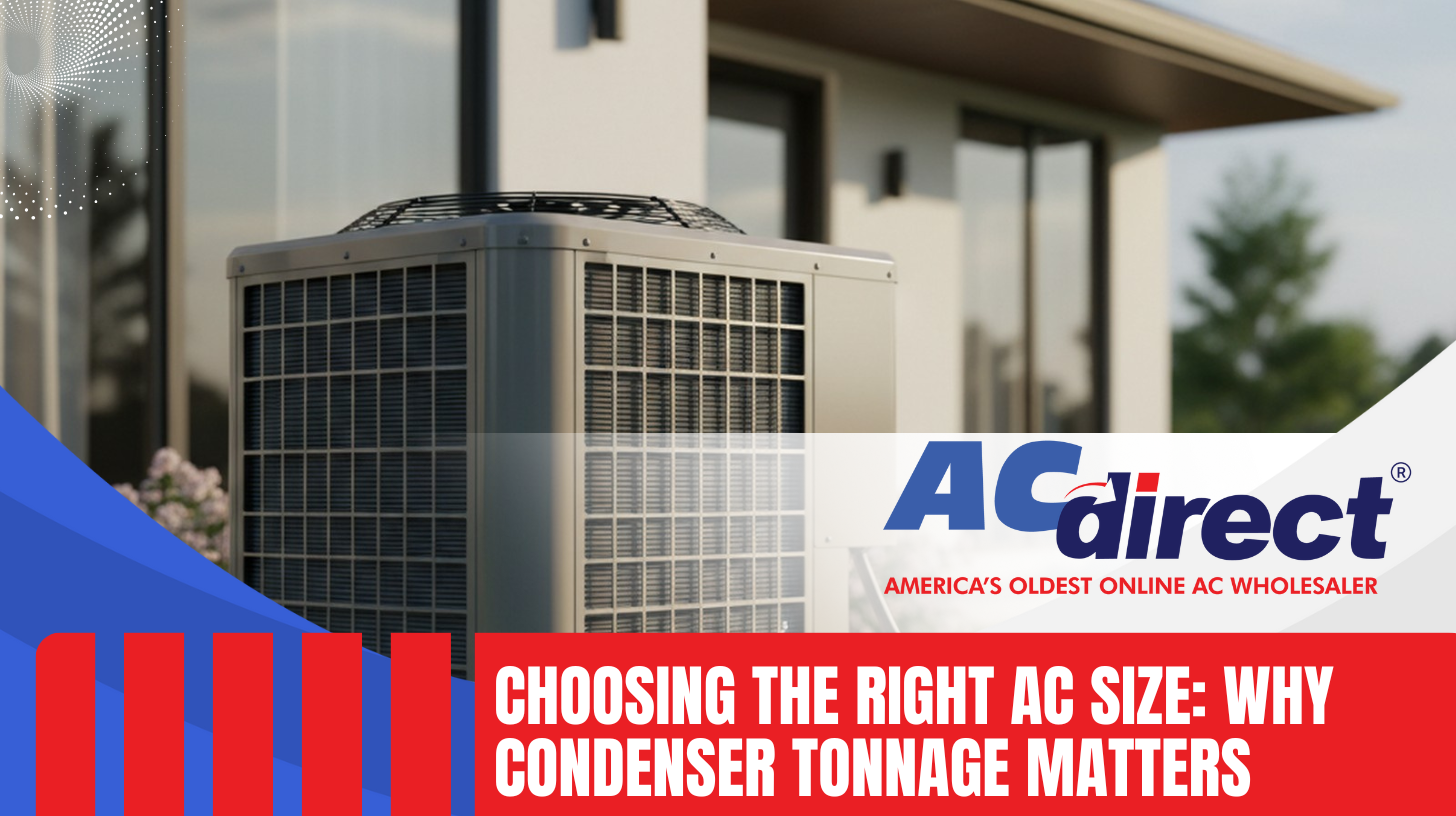
The HVAC condenser is the outdoor component of your air conditioning system. Its primary job is to dissipate heat absorbed from inside your home. Think of it as the engine that drives the cooling process. Without a properly functioning condenser, your air conditioner simply can't do its job.
Why Does the Condenser Matter to Homeowners?
The condenser's performance directly affects your comfort and energy bills. A failing condenser leads to reduced cooling capacity, meaning your home won't be as comfortable. It also forces your system to work harder, resulting in higher energy consumption and increased utility costs. Furthermore, neglecting condenser issues can lead to more significant problems and potentially a complete system failure, leaving you with a hefty replacement bill.
Key Components of an HVAC Condenser
Several key components work together within the condenser unit:
- Compressor: The heart of the system, the compressor circulates refrigerant and pressurizes it.
- Condenser Coil: This coil dissipates heat from the refrigerant as air passes over it.
- Fan: The fan draws air across the condenser coil, facilitating heat transfer.
- Expansion Valve or Orifice: This component regulates refrigerant flow into the evaporator coil.
- Electrical Components: These include capacitors, contactors, and wiring that control the operation of the unit.
Understanding Condenser Size and Capacity
Condenser size, measured in tons, indicates its cooling capacity. A "ton" in HVAC terms refers to the amount of heat required to melt one ton of ice in 24 hours. Choosing the right size condenser is crucial for efficient and effective cooling. An undersized unit won't be able to keep your home comfortable on hot days, while an oversized unit can lead to short cycling and humidity problems. You might consider a Aprilaire 700 installation manual for your home and its cooling needs.
Matching the Condenser to Your Indoor Unit
For optimal performance, your condenser must be properly matched to your indoor unit (evaporator coil). Mismatched systems can lead to reduced efficiency, premature component failure, and voided warranties. The Air Conditioning, Heating, and Refrigeration Institute (AHRI) provides certified ratings for matched systems, ensuring compatibility and performance. I always recommend checking these ratings to ensure you're getting a system that's designed to work together efficiently.
SEER Ratings and Energy Efficiency
The Seasonal Energy Efficiency Ratio (SEER) rating measures the cooling efficiency of an air conditioner. A higher SEER rating indicates greater energy efficiency, meaning you'll use less electricity to achieve the same level of cooling. The minimum SEER rating currently mandated in many parts of the U.S. is 14. While higher SEER units cost more upfront, they can save you significant money on your energy bills over the long term. Consider your climate and how often you use your AC to determine the ideal SEER rating for your home.
Factors Affecting Condenser Lifespan
Several factors can influence the lifespan of your HVAC condenser. These include:
- Maintenance: Regular cleaning and maintenance can significantly extend the life of your unit.
- Climate: Extreme temperatures and harsh weather conditions can put extra strain on the condenser.
- Usage: The more you use your AC, the harder it has to work, potentially shortening its lifespan.
- Installation Quality: Proper installation is crucial for optimal performance and longevity.
- Refrigerant Leaks: Leaks can cause the compressor to overheat and fail.
Signs Your Condenser Needs Repair or Replacement
Be aware of these common warning signs that your condenser may need repair or replacement:
- Reduced Cooling Performance: Your home isn't as cool as it used to be.
- Unusual Noises: Grinding, rattling, or hissing sounds coming from the unit.
- Leaks: Visible refrigerant leaks around the condenser.
- Increased Energy Bills: A sudden spike in your electricity bill without a change in usage.
- Unit Won't Turn On: The condenser fails to start or shuts off frequently.
Choosing the Right HVAC Condenser: Key Considerations
When it's time to replace your HVAC condenser, keep these points in mind:
- Size and Capacity: Ensure the new unit is properly sized for your home's cooling needs.
- SEER Rating: Choose a SEER rating that balances energy savings with upfront cost.
- Matching Components: Make sure the condenser is compatible with your existing indoor unit.
- Warranty: Look for a unit with a comprehensive warranty to protect your investment.
- Brand Reputation: Opt for a reputable brand known for quality and reliability.
When comparing supplier ac, it's important to also consider the warranty and service options they provide.
HVAC Condenser Costs: What to Expect
The cost of an HVAC condenser can vary significantly depending on several factors, including size, SEER rating, brand, and installation complexity. Expect to pay more for higher SEER units and larger capacities. Installation costs can also vary depending on the complexity of the job and local labor rates. It's always a good idea to get quotes from multiple contractors to compare prices and services. I've seen a lot of homeowners save money by shopping around and getting a few different estimates.
Tips for Maintaining Your HVAC Condenser
Proper maintenance can significantly extend the life of your HVAC condenser and ensure efficient operation. Here are some essential tips:
- Regular Cleaning: Remove leaves, debris, and dirt from around the unit.
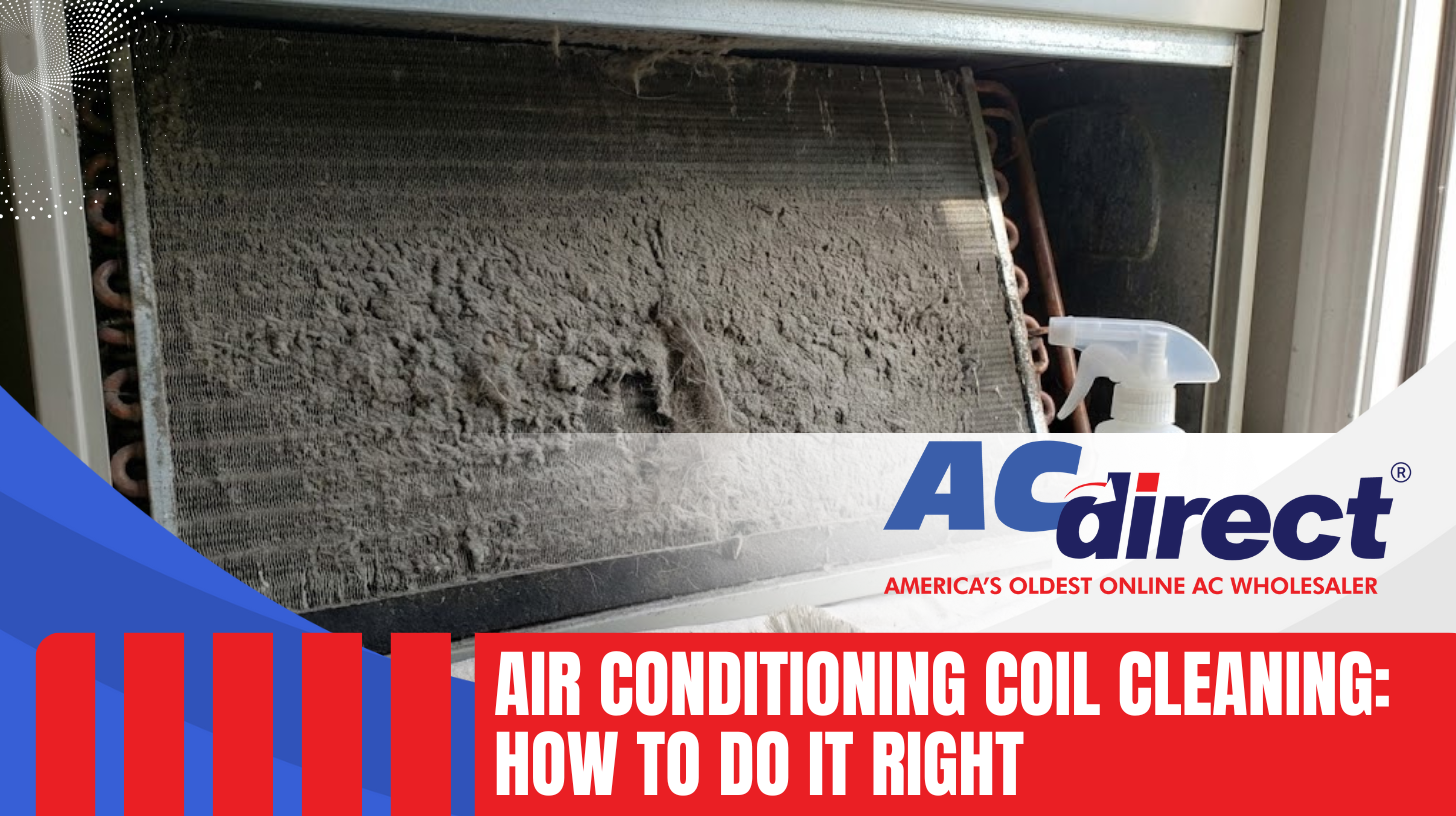
- Coil Cleaning: Clean the condenser coils annually with a coil cleaner or garden hose.
- Fan Blade Inspection: Check the fan blades for damage and ensure they are clean.
- Professional Tune-Ups: Schedule annual tune-ups with a qualified HVAC technician.
Troubleshooting Common Condenser Issues
Here are some common condenser issues and how you might address them:
- Dirty Coils: Clean the coils with a coil cleaner or garden hose.
- Clogged Fins: Straighten bent fins with a fin comb.
- Loose Electrical Connections: Tighten any loose connections (turn off power first!).
- Frozen Coils: Check for airflow restrictions or refrigerant leaks.
- Tripped Breaker: Reset the breaker (if it trips again, call a technician).
Remember that dealing with electrical components and refrigerant can be dangerous. If you are uncomfortable performing these tasks, it's best to call a professional.
When to Call a Professional HVAC Technician
While some condenser issues can be resolved with simple troubleshooting, others require the expertise of a qualified HVAC technician. Call a professional if you encounter any of the following:
- Refrigerant Leaks: Handling refrigerant requires specialized equipment and training.
- Compressor Problems: Compressor repairs are complex and often require replacement.
- Electrical Issues: Faulty wiring or other electrical problems can be dangerous.
- Major Component Failure: If a significant component like the fan motor or compressor fails.
- You're Not Comfortable: If you are not comfortable performing the repair yourself.
Be sure your HVAC technician is properly licensed and insured. In Virginia, contractors must be licensed by the Virginia State Corporation Commission.
Also consider furnace and ac deals to potentially save money on a new system.
Frequently Asked Questions
What is the purpose of the HVAC condenser?
The HVAC condenser's main job is to get rid of heat from the refrigerant in your home's AC system, which allows the cooling process to keep going. It's the part of the system that sits outside and releases the heat that the indoor unit has collected.
How do I know what size HVAC condenser I need?
Condenser size is measured in tons, and the correct size depends on a few things: the size of your house, how well it's insulated, your local climate, and other factors. To figure out the right size for your specific needs, it's best to have an HVAC technician do a load calculation.
What SEER rating should I look for in an HVAC condenser?
The SEER rating tells you how energy efficient the condenser is. A higher SEER rating means it will save you more energy, but it usually costs more to buy. Think about your climate and how much you use your AC to find the right balance between cost and efficiency. Keep in mind that many areas now require a minimum SEER rating of 14.
How often should I clean my HVAC condenser?
It's a good idea to clean your HVAC condenser at least once a year, ideally before you start using it heavily for the cooling season. Cleaning it regularly gets rid of any dirt and debris that can block airflow and reduce how well it works. If you live in a dusty or pollen-heavy area, you might need to clean it more often.
What are some signs that my HVAC condenser is failing?
If your condenser is starting to fail, you might notice that your AC isn't cooling as well as it used to, or that it's making strange noises. You might also see leaks or a jump in your energy bills. If you spot any of these signs, it's a good idea to have a qualified HVAC technician take a look.
Final Thoughts
Understanding your HVAC condenser is key to maintaining a comfortable and energy-efficient home. By knowing the warning signs of potential problems and taking proactive steps to maintain your unit, you can avoid costly repairs and extend its lifespan. Remember that choosing the right size and SEER rating for your needs can also save you money in the long run.
Don't hesitate to consult with a qualified HVAC professional for any complex issues or if you're unsure about any aspect of your system. A well-maintained and properly functioning HVAC system is an investment in your comfort, health, and the value of your home.
At AC Direct, we're committed to providing you with the information and resources you need to make informed decisions about your HVAC needs. I hope this has been helpful!