

Understanding Condenser Ohms: A Simple Troubleshooting Approach
-
 By
Michael Haines
By
Michael Haines
- Dec 22, 2022

Hi, I'm Mike Haines, founder of AC Direct. Many homeowners don't think about the electrical side of their air conditioners, but understanding the basics, like how to check condenser ohms, can save you time and money. This is a simple troubleshooting step that can help you identify a failing compressor before it causes major damage. This information is for homeowners and small business owners who want to understand their AC systems better.
- Checking condenser ohms is a simple way to troubleshoot potential AC compressor problems.
- You'll need a multimeter and some basic electrical safety knowledge to perform the test.
- Abnormal ohm readings can indicate a failing condenser motor or other electrical issues.
- Knowing when to call a professional HVAC technician is crucial for safety and accurate diagnosis.
- Regular maintenance can help prevent condenser problems and extend the life of your AC system.
What is a Condenser and Why Are Ohms Important?
The condenser is the outdoor unit of your air conditioning system. It plays a crucial role in releasing heat from your home. Inside the condenser is a compressor, which is essentially a pump that circulates refrigerant. The compressor relies on a motor, and that motor's electrical health can be assessed by measuring its resistance in ohms. A healthy motor will have a specific resistance range; deviations from this range indicate potential problems.
Understanding Electrical Resistance (Ohms) in Your Condenser
Electrical resistance, measured in ohms, is the opposition to the flow of electrical current. In your AC condenser, the compressor motor has windings of wire. These windings have a certain amount of resistance. If the windings are damaged, shorted, or corroded, the resistance changes. By measuring the ohms, you're essentially checking the health of these windings and, therefore, the motor itself.
Why Checking Condenser Ohms Matters to Homeowners
As a homeowner, checking condenser ohms can give you an early warning sign of potential AC problems. Identifying issues early can prevent costly repairs down the road. For instance, a failing compressor can put a strain on other components, leading to further damage. Also, knowing the ohms reading can help you communicate more effectively with your HVAC technician, potentially saving you money on diagnostic fees. You might consider a Ac units for manufactured homes if you live in a manufactured home.
Tools You'll Need to Test Condenser Ohms
To test condenser ohms, you'll need a few basic tools:
- Multimeter: This is the most important tool. It's used to measure electrical resistance (ohms). Make sure your multimeter is in good working condition and that you know how to use it.
- Screwdrivers: You'll need these to access the electrical components of the condenser.
- Safety Glasses: Always protect your eyes when working with electrical equipment.
- Gloves: Insulated gloves will protect you from electrical shock.
- Voltage Tester: To ensure the power is off before you start working.
How to Safely Test Condenser Ohms: A Step-by-Step Guide
Warning: Working with electricity can be dangerous. If you're not comfortable with these steps, please call a qualified HVAC technician.
- Turn off the power: Locate the disconnect switch for your AC condenser, usually located near the unit. Turn it off. Then, use your voltage tester to confirm that the power is off. This is a critical safety step.
- Access the compressor terminals: Remove the access panel on the condenser to expose the compressor terminals. You may need a screwdriver for this.
- Disconnect the wires: Carefully disconnect the wires from the compressor terminals. Make sure to note the position of each wire so you can reconnect them correctly later.
- Set your multimeter: Set your multimeter to the ohms setting (usually marked with the Omega symbol Ω). Choose a low range setting, like 200 ohms.
- Test the terminals: Place the multimeter probes on two of the compressor terminals. Note the reading. Repeat this for all combinations of terminals (e.g., if you have three terminals labeled C, S, and R, test C-S, C-R, and S-R).
- Record your readings: Write down each ohm reading you obtain. This will be important for interpreting the results.
- Reconnect the wires: Once you've recorded all the readings, carefully reconnect the wires to the compressor terminals in their original positions.
- Replace the access panel: Secure the access panel back onto the condenser.
- Turn the power back on: Turn the disconnect switch back on.
Interpreting Condenser Ohms Readings: What Do the Numbers Mean?
Interpreting the ohm readings requires some understanding of what constitutes a normal range. A very low reading (close to zero ohms) indicates a short circuit. A very high reading (infinite ohms, often displayed as "OL" on the multimeter) indicates an open circuit. A normal reading will be a low but non-zero number. The specific range depends on the compressor model. Refer to the manufacturer's specifications for the correct range for your unit. If you do not have this information, contact a qualified HVAC technician.
In general:
- Low but non-zero: Normal
- Zero or close to zero: Short circuit
- Infinite (OL): Open circuit
Common Condenser Ohm Reading Problems and What They Indicate
Here are some common issues you might find:
- Short Circuit (Zero Ohms): This often means the compressor motor windings are touching each other, creating a direct path for electricity. The compressor is likely failing and will need to be replaced.
- Open Circuit (Infinite Ohms): This indicates a break in the motor windings. Again, the compressor is likely faulty.
- High Resistance: Higher than normal resistance can indicate corrosion or damage to the windings. The compressor may be struggling and could fail soon.
- Unbalanced Readings: If the ohm readings between the different terminals are significantly different, this can also indicate a problem with the motor windings.
These readings are a symptom and not the full picture. I often advise homeowners to also check things such as Calculate ac size to make sure your unit is properly sized.
DIY vs. Calling a Professional: When to Get Help with Condenser Issues
While checking condenser ohms is a relatively simple task, interpreting the results and diagnosing the underlying problem can be more complex. If you're uncomfortable working with electrical equipment, or if you're unsure how to interpret the ohm readings, it's always best to call a qualified HVAC technician. Technicians have the tools and expertise to accurately diagnose the problem and recommend the appropriate solution. They can also safely handle refrigerant and other hazardous materials. Regulations for HVAC contractors vary by state. For example, you can check with the West Virginia PSC to verify proper licensure in West Virginia.
Condenser Maintenance Tips for Optimal Performance
Regular maintenance can help prevent condenser problems and extend the life of your AC system:
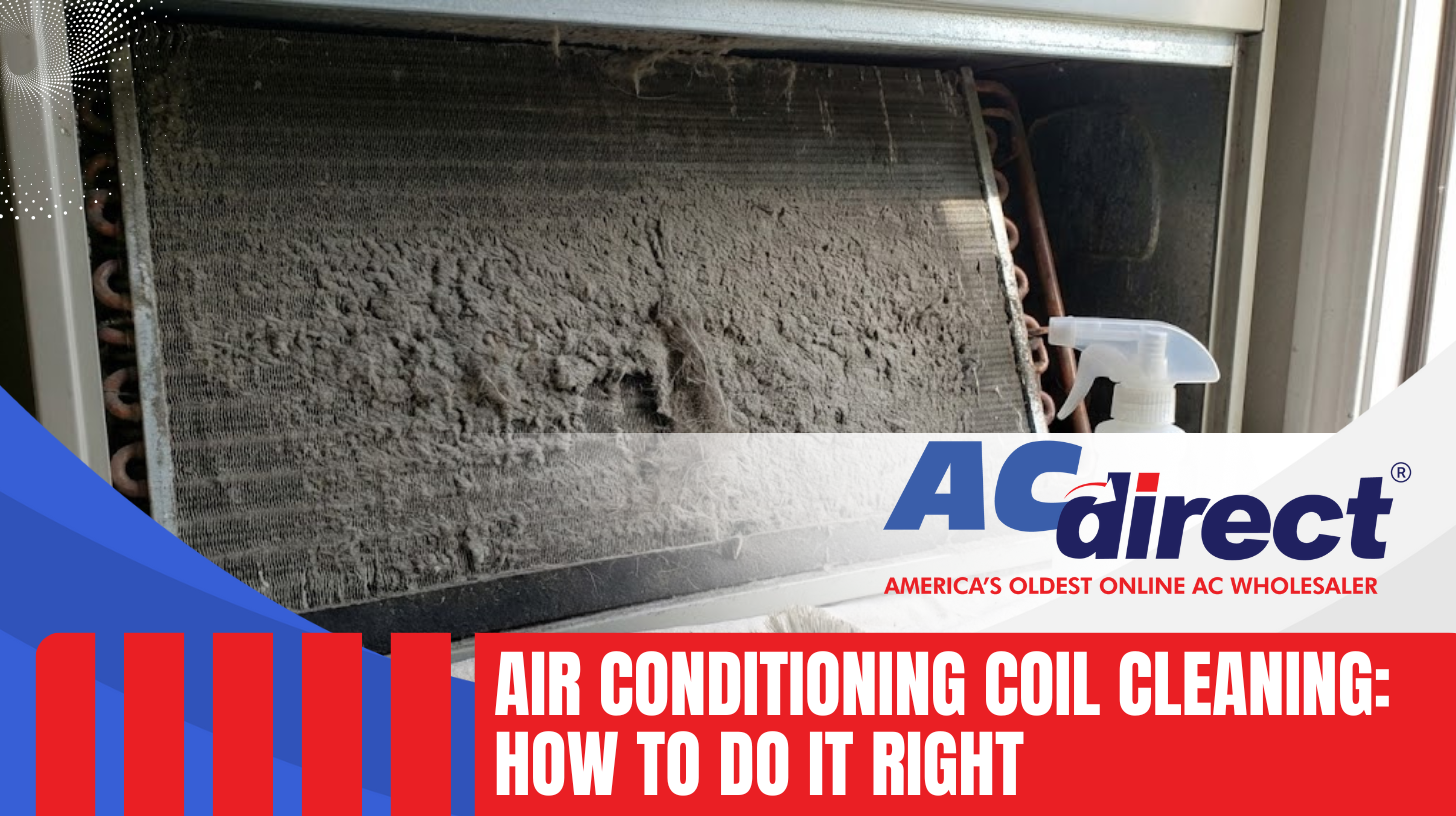
- Clean the Condenser Coils: Regularly clean the condenser coils to remove dirt, debris, and leaves. This will improve airflow and efficiency.
- Check the Fan: Make sure the condenser fan is working properly. If it's not spinning, or if it's making unusual noises, have it checked by a professional.
- Trim Vegetation: Keep vegetation trimmed back from the condenser to ensure adequate airflow.
- Schedule Regular Maintenance: Have your AC system professionally inspected and maintained at least once a year.
Cost of Condenser Repair vs. Replacement: What to Expect
The cost of repairing a condenser can vary depending on the nature of the problem. Simple repairs, such as replacing a capacitor or a fan motor, may cost a few hundred dollars. However, if the compressor is failing, replacement is often the most cost-effective option. A new condenser can cost several thousand dollars, including installation. When deciding whether to repair or replace, consider the age of your system, the cost of repairs, and the potential energy savings of a new, more efficient unit. Don't forget to consider Tonnage ac calculator to make sure your new unit is the correct size.
Troubleshooting Common AC Problems Before Checking Ohms
Before diving into checking condenser ohms, consider some basic troubleshooting steps:
- Check the Thermostat: Make sure your thermostat is set correctly and that the batteries are fresh.
- Check the Air Filter: A dirty air filter can restrict airflow and cause your AC to work harder. Replace it regularly.
- Check the Circuit Breaker: Make sure the circuit breaker for your AC hasn't tripped.
- Check for Obstructions: Ensure that nothing is blocking the airflow to the condenser or the indoor unit.
These simple checks can often resolve common AC problems without the need for more complex diagnostics.
Frequently Asked Questions
What does it mean if my AC condenser has high ohms?
High ohms in an AC condenser typically means there's increased resistance, potentially caused by a failing motor winding, corrosion, or other electrical problems. It often indicates the condenser motor is struggling and might be close to failing.
Can I test the condenser ohms myself, or should I call a professional?
Testing condenser ohms requires some electrical knowledge and using a multimeter. If you're comfortable working with electrical components and understand safety precautions, you can attempt it. However, if you're unsure or uncomfortable, it's always best to call a qualified HVAC technician.
What is a normal ohm reading for an AC condenser?
A normal ohm reading for an AC condenser depends on the specific unit and its specifications. Generally, you should look for a low but non-zero resistance between the terminals. A short (zero ohms) or open circuit (infinite ohms) indicates a problem. Consult the manufacturer's specifications for your specific unit for the exact expected range.
What other signs indicate a problem with my AC condenser besides abnormal ohms?
Besides abnormal ohms, other signs of a failing AC condenser include the unit not starting, making unusual noises, tripping the circuit breaker, or blowing warm air. You might also notice visible damage to the condenser fan or coil.
How often should I have my AC condenser checked by a professional?
It's recommended to have your AC system, including the condenser, professionally inspected and maintained at least once a year, ideally before the start of the cooling season. This helps identify potential problems early and ensures optimal performance and efficiency.
Final Thoughts
Understanding how to check condenser ohms can be a valuable skill for homeowners. It can help you identify potential AC problems early and make informed decisions about repair or replacement. Remember, safety is always the top priority when working with electrical equipment. If you're not comfortable with any of these steps, call a qualified HVAC technician.
By taking the time to understand your AC system and performing regular maintenance, you can extend its lifespan and save money on energy bills. Don't hesitate to seek professional help when needed, and always prioritize safety when working with electricity.
I hope this information has been helpful in understanding condenser ohms and troubleshooting your AC system. Stay cool!