

AC Condenser Not Turning On? Troubleshooting Tips and Solutions
-
 By
Michael Haines
By
Michael Haines
- Dec 22, 2022

Hi, I'm Mike Haines, founder of AC Direct. Many homeowners face the frustrating issue of an AC condenser that won't turn on. This can happen for a number of reasons, and can be a real headache, especially during the hottest months. I wrote this to help you understand why your AC condenser might not be working and offer some troubleshooting steps you can take before calling in a professional. This information is geared towards homeowners and small business owners, not HVAC technicians, so I'll keep it straightforward and easy to understand.
- Understand the essential role of the AC condenser in your cooling system.
- Learn to identify common reasons why your AC condenser might fail to start.
- Perform basic troubleshooting steps to potentially resolve the issue yourself.
- Know when it's necessary to call a qualified HVAC technician for professional help.
- Consider the factors involved in AC condenser repair versus replacement costs.
What is an AC Condenser and Why Is It Important?
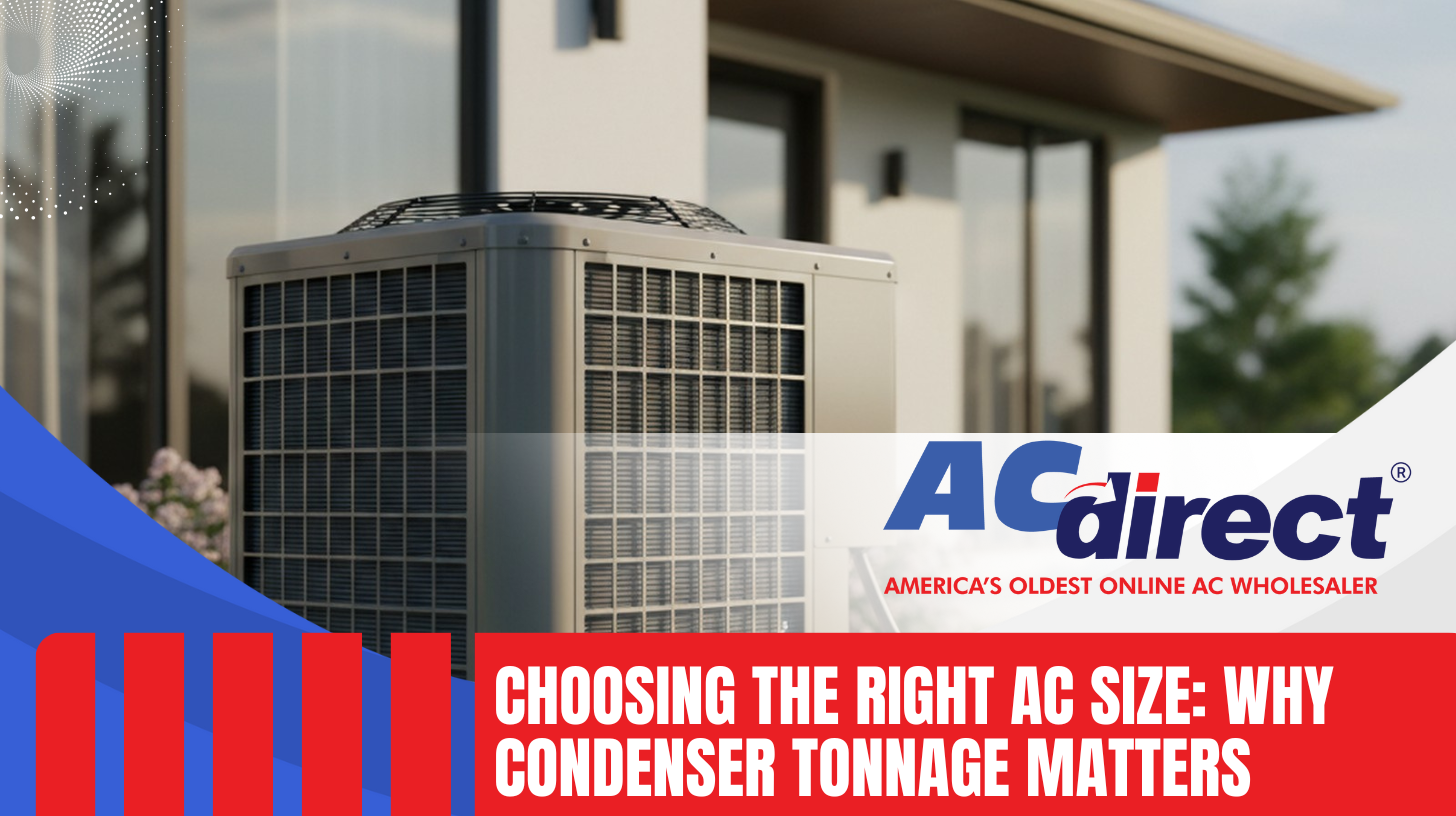
The AC condenser is the outdoor unit of your air conditioning system. Its primary job is to release the heat absorbed by the refrigerant inside your home. The refrigerant cycles between the indoor evaporator coil and the outdoor condenser. The condenser contains a compressor, a fan, and a coil. The compressor pressurizes the refrigerant, and the fan blows air across the coil to dissipate the heat. Without a functioning condenser, your AC system cannot effectively cool your home. The indoor unit might blow air, but it will be warm air. This is why understanding its importance is the first step in diagnosing problems.
Common Reasons Why Your AC Condenser Isn't Turning On
Several factors can prevent your AC condenser from turning on. Here are some of the most common:
- Power Issues: This includes tripped circuit breakers, blown fuses, or a disconnected power supply to the unit.
- Capacitor Problems: The capacitor provides the initial electrical charge to start the condenser fan motor. A failing capacitor is a frequent cause of condenser issues.
- Fan Motor Failure: If the condenser fan motor is faulty, the fan won't spin, and the condenser can overheat and shut down.
- Compressor Problems: The compressor is the heart of the AC system. If it fails, the entire system can be affected. Compressor issues are often more complex and expensive to fix.
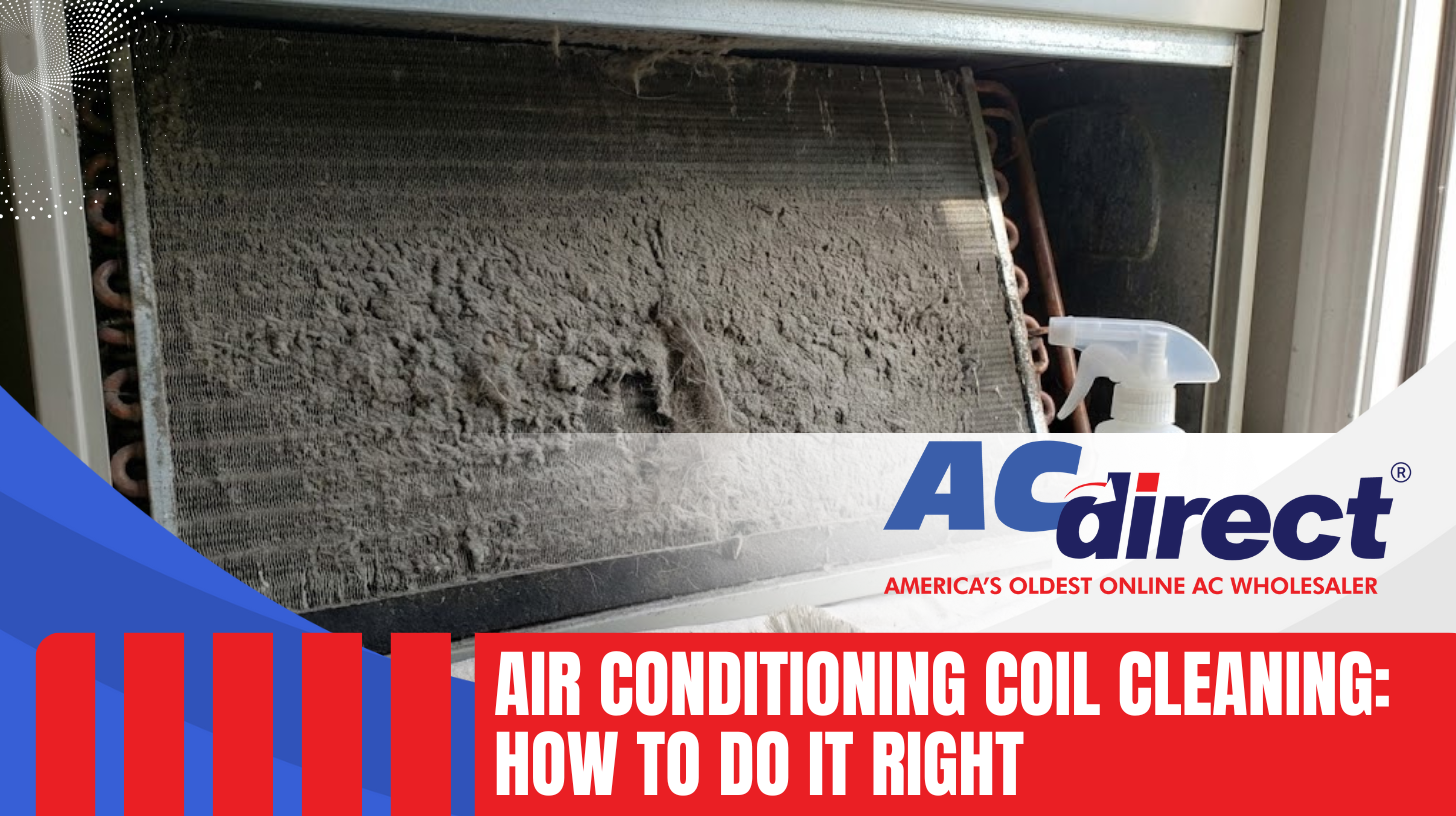
- Dirty Condenser Coils: Dirt and debris can accumulate on the condenser coils, reducing their ability to dissipate heat. This can cause the unit to overheat and shut down.
- Refrigerant Leaks: Low refrigerant levels can prevent the condenser from operating correctly.
- Electrical Wiring Issues: Loose or damaged wiring can interrupt the power supply to the condenser.
- Frozen Evaporator Coil: A frozen evaporator coil inside your home can indirectly cause the condenser to stop working.
DIY Troubleshooting Steps Before Calling a Technician
Before you call an HVAC technician, there are a few things you can check yourself. These simple steps might save you time and money:
- Check the Circuit Breaker: Go to your electrical panel and check the circuit breaker for the AC condenser. If it's tripped, reset it. If it trips again immediately, there's likely a more serious electrical issue.
- Inspect the Disconnect Switch: Most AC condensers have a disconnect switch located near the unit. Make sure it's in the "on" position.
- Clean the Condenser Coils: Use a garden hose (with a gentle spray nozzle) to clean any dirt or debris from the condenser coils. Be careful not to bend the fins. I've seen units brought back to life with just a simple cleaning.
- Check the Air Filter: A dirty air filter restricts airflow to the indoor evaporator coil, which can cause it to freeze. Replace the air filter if it's dirty. I always recommend keeping a few spare filters on hand.
- Listen for Unusual Noises: Pay attention to any unusual noises coming from the condenser unit, such as humming, grinding, or squealing. These noises can indicate specific problems.
When to Call a Qualified HVAC Technician
While some issues can be resolved with simple troubleshooting, there are times when it's essential to call a qualified HVAC technician. Here are some situations where professional help is needed:
- If the Circuit Breaker Trips Repeatedly: This indicates a serious electrical problem that needs to be addressed by a professional.
- If You Suspect a Refrigerant Leak: Refrigerant leaks require specialized equipment to detect and repair.
- If the Compressor is Making Loud Noises: Compressor problems often require replacement of the entire unit.
- If You're Not Comfortable Working with Electrical Components: Working with electricity can be dangerous. If you're not experienced, it's best to leave it to the professionals.
- If the Problem Persists After Troubleshooting: If you've tried the troubleshooting steps and the condenser still isn't working, it's time to call a technician.
Understanding AC Condenser Repair vs. Replacement Costs
When your AC condenser isn't working, you'll need to consider whether to repair or replace it. Here's a breakdown of the factors involved:
- Age of the Unit: If your condenser is more than 10-15 years old, replacement might be a better option. Older units are often less efficient and more prone to breakdowns.
- Cost of Repair: Get estimates for the repair costs. If the repair cost is close to half the cost of a new unit, replacement might be more economical in the long run.
- Energy Efficiency: Newer AC condensers are much more energy-efficient than older models. Replacing your old unit with a new, energy-efficient model can save you money on your energy bills. You might consider a Mobile home furnace and ac for your home.
- Warranty: Check the warranty on your existing unit. If it's still under warranty, the repair might be covered.
- Long-Term Reliability: Consider the long-term reliability of your existing unit. If it's been experiencing frequent problems, replacement might be a better option to avoid future headaches.
I always advise homeowners to get several opinions and estimates before making a decision about repair versus replacement.
Choosing the Right Replacement AC Condenser Unit
If you decide to replace your AC condenser, it's important to choose the right unit for your needs. Here are some factors to consider:
- Size: The size of the condenser should be matched to the size of your home. An undersized unit won't be able to cool your home effectively, while an oversized unit can lead to short cycling and higher energy bills.
- SEER Rating: The Seasonal Energy Efficiency Ratio (SEER) rating measures the energy efficiency of the unit. The higher the SEER rating, the more energy-efficient the unit is. I always recommend choosing a unit with a SEER rating of at least 14.
- Brand: Choose a reputable brand with a good track record for reliability and performance.
- Features: Consider any special features you might want, such as a variable-speed compressor or smart thermostat compatibility. Maybe even a Six zone mini split.
- Budget: Set a budget for your replacement unit and stick to it. Remember that the cheapest option isn't always the best in the long run.
Don't forget to factor in installation costs when budgeting for a replacement unit. It's best to have a professional install the new condenser to ensure it's done correctly. Some people also look into Wholesale heat pumps options.
Tips for Maintaining Your AC Condenser and Preventing Future Issues
Proper maintenance can extend the lifespan of your AC condenser and prevent future problems. Here are some tips:
- Regularly Clean the Condenser Coils: Clean the coils at least once a year, or more often if you live in a dusty environment.
- Replace the Air Filter Regularly: Replace the air filter every 1-3 months, depending on the type of filter and how often you use your AC.
- Keep the Area Around the Condenser Clear: Make sure there's plenty of space around the condenser for airflow. Trim any bushes or plants that are blocking the unit.
- Schedule Annual Maintenance: Have a qualified HVAC technician inspect and service your AC system at least once a year. This can help identify and address potential problems before they become major issues. Your local utility may also have recommendations or resources, as noted by the Washington Utilities Commission.
- Monitor for Unusual Noises or Performance Issues: Pay attention to any changes in the way your AC system is operating. If you notice anything unusual, call a technician.
Optimize AC Performance with Smart Thermostat Settings
A smart thermostat can help you optimize the performance of your AC system and save money on your energy bills. Here are some tips for using a smart thermostat effectively:
- Program a Schedule: Set a schedule that adjusts the temperature based on your daily routine. For example, you can set the thermostat to raise the temperature while you're away from home and lower it when you're coming back.
- Use Geofencing: Geofencing allows the thermostat to automatically adjust the temperature based on your location. When you leave home, the thermostat will raise the temperature, and when you return, it will lower it.
- Monitor Energy Usage: Many smart thermostats provide reports on your energy usage, allowing you to see how much energy you're using and identify ways to save money.
- Adjust Settings Remotely: With a smart thermostat, you can adjust the temperature from anywhere using your smartphone or tablet.
- Take Advantage of Learning Features: Some smart thermostats have learning features that allow them to learn your preferences and automatically adjust the temperature accordingly.
Frequently Asked Questions
Why is my AC condenser humming but not starting?
A humming AC condenser usually indicates a problem with the motor or the capacitor. The capacitor provides the initial jolt of power needed to start the motor. If the capacitor is weak or failing, the motor may hum but won't be able to start. It's also possible that the motor itself is failing and drawing too much current, causing the humming sound. This often requires professional diagnosis and repair or replacement.
How can I tell if my AC condenser fan motor is bad?
Several signs indicate a bad AC condenser fan motor. These include: the fan not spinning, the fan spinning slowly, the motor making unusual noises (grinding, squealing), the motor overheating, or the condenser unit tripping the circuit breaker frequently. A visual inspection may also reveal physical damage to the fan blades or motor housing. If you notice any of these symptoms, contact a qualified HVAC technician.
What is the average lifespan of an AC condenser?
The average lifespan of an AC condenser is typically between 10 and 15 years, but this can vary depending on factors such as the quality of the unit, how well it's maintained, and the climate it operates in. Regular maintenance, such as cleaning the condenser coils and ensuring proper airflow, can help extend its lifespan. If your condenser is nearing the end of its lifespan or requires frequent repairs, it might be more cost-effective to replace it with a newer, more energy-efficient model.
Can a dirty air filter cause my AC condenser to stop working?
Yes, a dirty air filter can restrict airflow to the evaporator coil inside your home. This restriction can cause the coil to freeze up, which in turn can prevent the AC condenser from turning on. A frozen evaporator coil can also damage the compressor over time. Replacing your air filter regularly (every 1-3 months) is crucial for maintaining proper airflow and preventing problems with your AC system.
How much does it cost to replace a capacitor in an AC condenser?
The cost to replace a capacitor in an AC condenser typically ranges from $150 to $450, including parts and labor. The exact cost will depend on the type of capacitor needed, the labor rates in your area, and the HVAC contractor you choose. While replacing a capacitor might seem like a simple fix, it's important to have it done by a qualified technician to ensure proper installation and safety.
Final Thoughts
Dealing with an AC condenser that won't turn on can be frustrating, but by understanding the common causes and following the troubleshooting steps I've outlined, you can often diagnose the problem and potentially resolve it yourself. Remember to prioritize safety when working with electrical components, and don't hesitate to call a qualified HVAC technician when needed.
Whether you decide to repair or replace your AC condenser, making an informed decision is crucial. Consider the age of your unit, the cost of repairs, and the energy efficiency of newer models. By taking the time to weigh your options, you can ensure that you're making the best choice for your home and your budget.
I hope this information has been helpful. At AC Direct, we're committed to providing you with the knowledge and resources you need to make smart HVAC purchase decisions.