

Choosing the Right Condenser Units HVAC for Your Home
-
 By
Michael Haines
By
Michael Haines
- Dec 26, 2022

Hi, I'm Mike Haines, founder of AC Direct. Choosing the right condenser unit for your HVAC system is a big decision. It affects your home comfort, energy bills, and the lifespan of your entire system. I’ve seen many homeowners struggle with this choice, so I put together this information to help you make an informed decision.
- The condenser unit is responsible for releasing heat from your home, and is a critical component of your air conditioning or heat pump system.
- SEER ratings indicate a condenser unit's energy efficiency; higher ratings mean greater energy savings.
- Correct sizing is essential for optimal performance and efficiency. Work with a professional to determine the right BTU or tonnage for your home.
- Regular maintenance, such as cleaning the unit and ensuring proper airflow, can extend the life of your condenser.
- When issues arise, knowing when to repair versus replace your condenser unit can save you money in the long run.
What is an HVAC Condenser Unit?
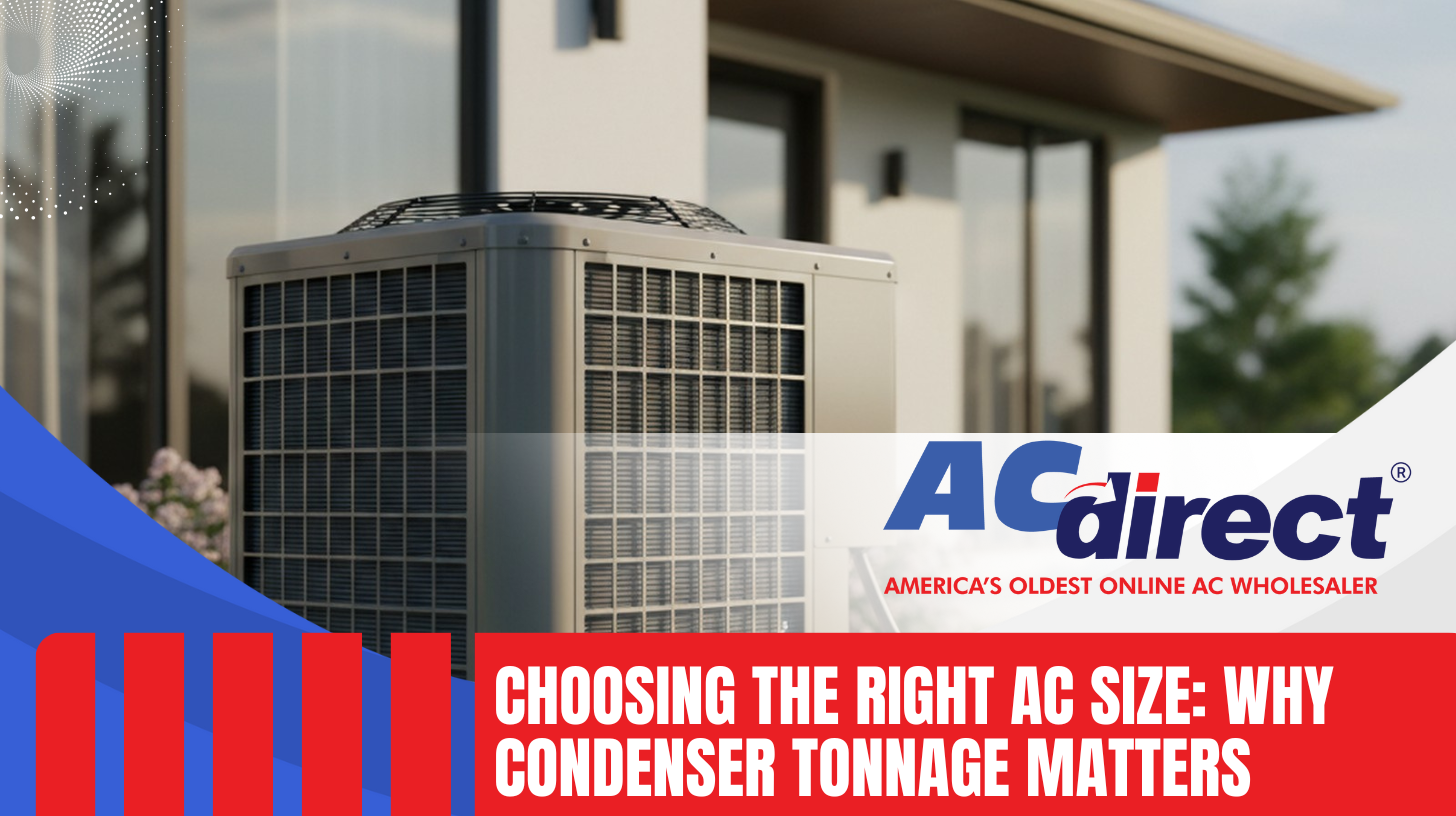
The condenser unit is the outdoor component of your air conditioning or heat pump system. It plays a crucial role in the cooling process. Think of it as the engine that drives your comfort. It works by releasing the heat absorbed from inside your home to the outside air, allowing the refrigerant to cool down and continue the cooling cycle.
Key Components of a Condenser
A condenser unit consists of several essential parts working together. These include:
- Compressor: This is the heart of the system, responsible for circulating refrigerant.
- Condenser Coil: This coil dissipates heat from the refrigerant.
- Fan: The fan blows air across the condenser coil, helping to release heat more efficiently.
- Refrigerant: The fluid that absorbs and releases heat as it circulates through the system.
- Expansion Valve: This controls the flow of refrigerant into the evaporator coil.
Understanding these components can help you better understand how your system works and what might need attention if problems arise. If you need to purchase a new furnace at the same time, be sure to read our Furnace sizing guide to choose the right size.
Why is the Condenser Unit Important for Home Comfort?
The condenser unit is essential for maintaining a comfortable indoor environment, especially during hot weather. A properly functioning condenser efficiently removes heat and humidity from your home. When it fails to operate correctly, you may experience uneven temperatures, increased humidity, and higher energy bills. Choosing the right unit for your home is essential for comfort and efficiency.
Understanding SEER Ratings and Energy Efficiency
SEER stands for Seasonal Energy Efficiency Ratio. It measures the cooling efficiency of an air conditioner or heat pump. The higher the SEER rating, the more efficient the unit is. A higher SEER rating translates to lower energy consumption and reduced utility bills. I often advise homeowners to invest in a higher SEER unit if their budget allows, as the long-term savings can be substantial. As of 2023, the minimum SEER rating for new air conditioners is 14 in most parts of the country. Some regions have even higher minimum requirements. You can often find good package deals on Furnace and ac combo specials.
Types of Condenser Units Single-Stage, Two-Stage, and Variable Speed
Condenser units come in three main types, each offering different levels of performance and efficiency:
- Single-Stage: These units operate at a single, fixed speed. They are the least expensive option but can be less efficient and provide less consistent cooling.
- Two-Stage: These units have two operating speeds, allowing them to adjust their cooling output based on demand. This improves efficiency and comfort compared to single-stage models.
- Variable Speed: Also known as inverter-driven units, these offer the highest level of efficiency and comfort. They can precisely adjust their cooling output to match the exact needs of your home, resulting in consistent temperatures and reduced energy consumption.
I typically recommend two-stage or variable-speed units for homeowners seeking optimal comfort and energy savings.
How to Choose the Right Condenser Unit for Your Home
Selecting the right condenser unit involves considering several factors. These include:
- Climate: If you live in a hot climate, you'll need a unit with a higher cooling capacity and SEER rating.
- Home Size: The size of your home determines the appropriate BTU (British Thermal Units) or tonnage of the unit.
- Insulation: Good insulation helps keep your home cool and reduces the workload on the condenser unit.
- Budget: Consider both the purchase price and the long-term energy savings when making your decision.
It's always a good idea to consult with an HVAC professional to assess your specific needs and recommend the best unit for your home. To get a general idea, take a look at an Ac sizing chart.
Sizing Considerations BTU and Tonnage
Proper sizing is critical for optimal performance and efficiency. Condenser units are measured in BTU (British Thermal Units) or tonnage. One ton is equal to 12,000 BTU. An undersized unit will struggle to cool your home effectively, while an oversized unit will cycle on and off frequently, leading to energy waste and discomfort. A professional HVAC technician can perform a load calculation to determine the appropriate size for your home. Factors considered include square footage, insulation levels, window efficiency, and climate.
Installation Best Practices for Condenser Units
Proper installation is essential for ensuring the long-term performance and efficiency of your condenser unit. It's best to hire a qualified HVAC technician to handle the installation. Here are some best practices:
- Proper Placement: The unit should be placed in a location with adequate airflow and away from direct sunlight.
- Secure Mounting: The unit should be securely mounted on a level surface to prevent vibration and noise.
- Correct Wiring: All electrical connections must be made correctly and safely.
- Refrigerant Charge: The refrigerant charge must be properly adjusted to ensure optimal performance.
- Leak Testing: The system should be tested for leaks after installation.
Following these best practices will help ensure that your condenser unit operates efficiently and reliably for years to come.
Cost Factors Purchase Price and Installation
The cost of a condenser unit includes both the purchase price and the installation costs. The purchase price varies depending on the brand, model, SEER rating, and size of the unit. Installation costs can also vary depending on the complexity of the job and the labor rates in your area. When comparing quotes, be sure to ask for a detailed breakdown of all costs involved. Also, remember that while a cheaper unit may seem appealing upfront, a more efficient unit can save you money in the long run through lower energy bills.
Maintenance Tips for a Long-Lasting Condenser
Regular maintenance is key to extending the life of your condenser unit and maintaining its efficiency. Here are some maintenance tips:
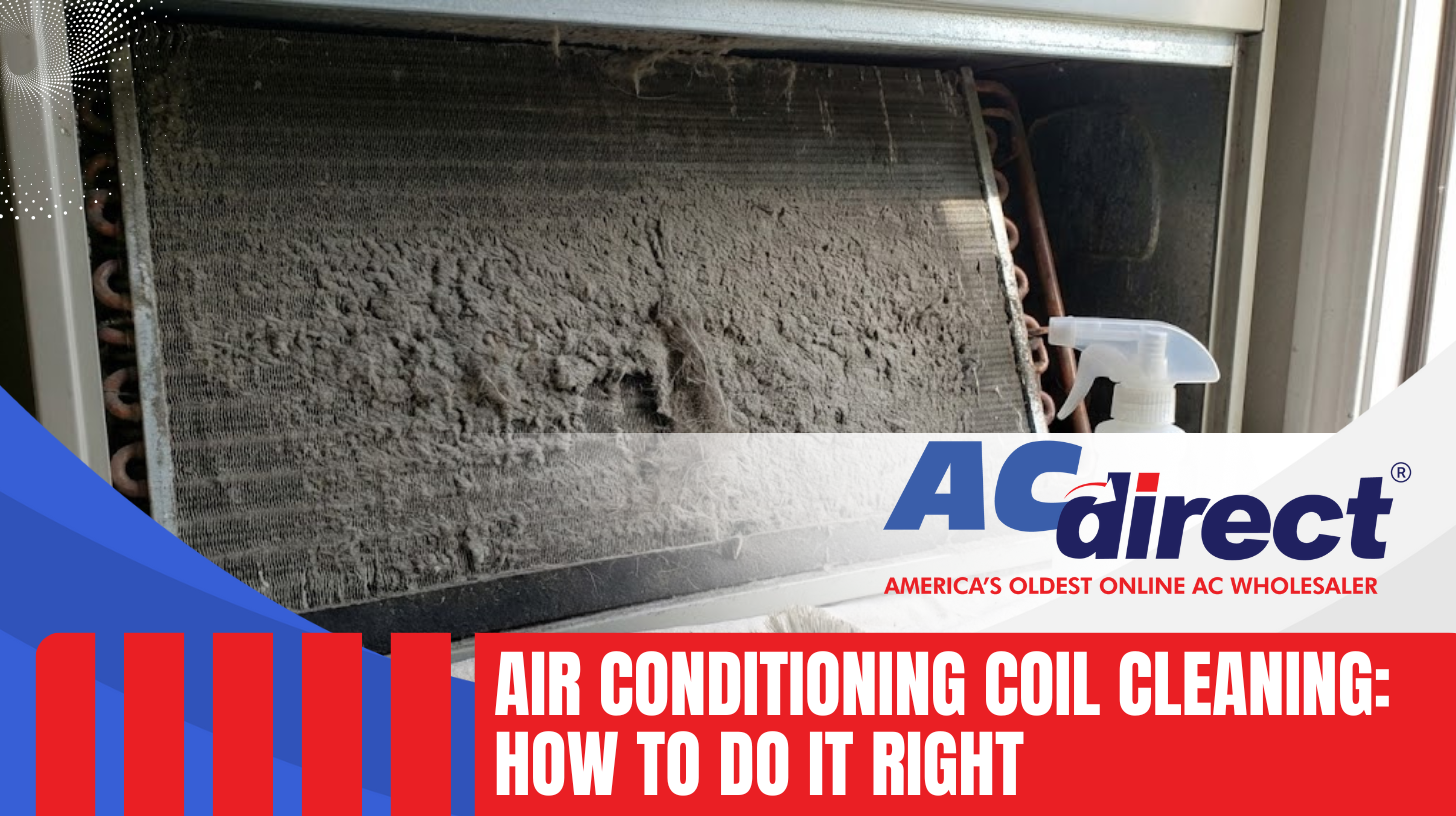
- Clean the Unit Regularly: Remove leaves, grass clippings, and other debris from the fins.
- Trim Surrounding Vegetation: Keep bushes and plants trimmed back to allow proper airflow.
- Check the Fan: Ensure the fan blades are clean and in good condition.
- Inspect the Coils: Look for any signs of damage or corrosion on the coils.
- Change the Air Filter: Replace your indoor air filter regularly to keep the system clean and efficient.
I recommend scheduling an annual maintenance check with a qualified HVAC technician to ensure that your system is running smoothly.
Troubleshooting Common Condenser Problems
Even with regular maintenance, condenser units can experience problems. Some common issues include:
- Reduced Cooling Capacity: This can be caused by dirty coils, low refrigerant, or a malfunctioning compressor.
- Unusual Noises: These could indicate a problem with the fan, compressor, or other components.
- Frequent Cycling: This can be caused by an oversized unit, a dirty air filter, or a refrigerant leak.
- Refrigerant Leaks: These can be dangerous and should be addressed immediately by a qualified technician.
If you notice any of these problems, it's important to call an HVAC technician for inspection and repair.
When to Repair vs Replace Your Condenser Unit
Deciding whether to repair or replace your condenser unit depends on several factors, including the age of the unit, the extent of the damage, and the cost of repairs. If your unit is more than 10-15 years old and requires major repairs, it may be more cost-effective to replace it with a new, more efficient model. Also, consider the long-term savings in energy costs. A new, high-efficiency unit can pay for itself over time through reduced utility bills. Consider contacting Focus on Energy in your area Focus on Energy Wisconsin for potential rebates. A technician can assess the situation and provide you with the best course of action.
The Future of Condenser Technology
Condenser technology is constantly evolving, with a focus on improving energy efficiency and reducing environmental impact. Some of the latest advancements include:
- Variable Speed Compressors: These compressors offer precise temperature control and energy savings.
- Smart Controls: Smart thermostats and other controls can optimize the performance of your condenser unit based on your specific needs.
- Eco-Friendly Refrigerants: New refrigerants are being developed to reduce greenhouse gas emissions.
As technology continues to advance, condenser units will become even more efficient, reliable, and environmentally friendly.
Frequently Asked Questions
What does an HVAC condenser unit do?
The condenser unit is the outdoor part of your air conditioning or heat pump system. Its main job is to release heat from the refrigerant, which lets the cooling process continue. It essentially gets rid of the heat that was absorbed from inside your home.
How do I know what size condenser unit I need?
The size of your condenser unit depends on things like your home's square footage, how well it's insulated, the climate you live in, and how efficient your windows are. It's best to talk to an HVAC professional who can do a load calculation to figure out the right BTU (British Thermal Units) or tonnage for your needs. A unit that's too small or too big will lead to inefficiency and discomfort.
How often should I clean my condenser unit?
You should clean your condenser unit at least once a year, ideally before the cooling season starts. Regular cleaning means removing things like leaves, grass, and dirt from the fins. You can use a garden hose with a gentle spray. Make sure to turn off the power to the unit before you start cleaning.
What are signs that my condenser unit is failing?
Signs that your condenser unit is failing include it not cooling as well, making strange noises, turning on and off frequently, causing higher energy bills, and refrigerant leaks. If you notice any of these things, it's important to call an HVAC technician to check it out and make repairs.
How can I improve the energy efficiency of my condenser unit?
Make sure the unit is clean, keep plants trimmed back to allow proper airflow, use a programmable thermostat to optimize cooling schedules, and consider upgrading to a higher SEER (Seasonal Energy Efficiency Ratio) rated unit when it's time to replace your old one.
Final Thoughts
Choosing the right condenser unit is a crucial step in ensuring your home comfort and energy efficiency. By understanding the different types of units, SEER ratings, and sizing considerations, you can make an informed decision that meets your specific needs and budget. Remember, proper installation and regular maintenance are essential for maximizing the lifespan and performance of your condenser unit.
I hope this information has been helpful. Take the time to assess your needs, compare different options, and consult with a qualified HVAC professional. With the right condenser unit, you can enjoy a comfortable and energy-efficient home for years to come.