

Choosing the Right House HVAC Systems: Key Considerations
-
 By
Michael Haines
By
Michael Haines
- Mar 19, 2024

Hello, I'm Mike Haines, founder of AC Direct. Choosing the right house HVAC systems can feel overwhelming. There are so many options, brands, and features to consider. This information is designed to provide you with the knowledge you need to make an informed decision about your home's heating and cooling needs. Whether you're replacing an old system or upgrading to something more efficient, I'm here to help you understand the key aspects of HVAC systems and how to select the best one for your home.
- Understanding the different types of house HVAC systems is crucial for selecting the right one for your needs, including furnaces, air conditioners, heat pumps, ductless mini-splits, and packaged units.
- Proper sizing and professional installation are essential for optimal HVAC system performance, efficiency, and longevity.
- Regular maintenance, such as filter replacements and annual servicing, can significantly extend the life of your HVAC system and prevent costly repairs.
- SEER, AFUE, and HSPF ratings are important indicators of energy efficiency and can help you save money on your utility bills.
- Consider your budget, financing options, and the reputation of the HVAC contractor when making your decision.
What is an HVAC System?
HVAC stands for Heating, Ventilation, and Air Conditioning. In simple terms, it's the system that controls the temperature, humidity, and air quality inside your home. A complete HVAC system typically includes a heating unit (like a furnace or heat pump), a cooling unit (like an air conditioner), and a ventilation system that circulates air throughout your house. It may also include components like air purifiers and humidifiers to improve indoor air quality.
Why a Properly Functioning HVAC System Matters for Homeowners
A properly functioning HVAC system is essential for maintaining a comfortable and healthy living environment. It keeps you warm in the winter, cool in the summer, and ensures good indoor air quality year-round. Beyond comfort, a good HVAC system can also significantly impact your energy bills. An efficient system uses less energy to maintain your desired temperature, saving you money each month. Furthermore, a well-maintained system can prevent costly repairs and extend the lifespan of your equipment. I see a lot of homeowners who neglect their HVAC systems and end up paying the price with higher bills and unexpected breakdowns.
Types of Home HVAC Systems
There are several types of house HVAC systems available, each with its own advantages and disadvantages. The best choice for you will depend on your climate, budget, and specific needs. Here's an overview of the most common types:
- Furnaces
- Air Conditioners
- Heat Pumps
- Ductless Mini-Splits
- Packaged HVAC Systems
Furnaces: The Workhorse of Home Heating
Furnaces are a common heating solution, especially in colder climates. They work by burning fuel (natural gas, propane, or oil) to heat air, which is then distributed throughout your home through ductwork. Furnaces are generally reliable and can provide powerful heating. The efficiency of a furnace is measured by its Annual Fuel Utilization Efficiency (AFUE) rating. The higher the AFUE, the more efficient the furnace. I often advise homeowners to look for furnaces with high AFUE ratings to save on heating costs.
Air Conditioners: Keeping Your Home Cool
Air conditioners are designed to cool your home by removing heat from the indoor air and transferring it outside. They use a refrigerant to absorb heat and a compressor to circulate the refrigerant. The efficiency of an air conditioner is measured by its Seasonal Energy Efficiency Ratio (SEER) rating. Again, a higher SEER rating indicates greater energy efficiency. When selecting an air conditioner, consider the size of your home and the climate you live in to ensure you get the right cooling capacity. You might consider a Ac financing near me for your home if you need a new AC unit quickly.
Heat Pumps: Efficient Heating and Cooling
Heat pumps are a versatile option that can both heat and cool your home. In the winter, they extract heat from the outside air (even in cold temperatures) and transfer it inside. In the summer, they reverse the process and remove heat from your home, like an air conditioner. Heat pumps are generally more energy-efficient than furnaces and air conditioners, especially in moderate climates. However, their efficiency can decrease in extremely cold weather. The heating efficiency of a heat pump is measured by its Heating Season Performance Factor (HSPF).
Ductless Mini-Splits: Zoned Comfort
Ductless mini-split systems are a great option for homes without existing ductwork or for those who want to create zoned heating and cooling. They consist of an outdoor unit and one or more indoor units, which are connected by refrigerant lines and electrical wiring. Mini-splits offer individual temperature control for each zone, allowing you to heat or cool only the rooms you're using. They are also relatively easy to install and can be very energy-efficient. Be sure the unit you select is properly matched to the square footage of the room. For example, you might consider a Air conditioner for mobile home for a small space.
Packaged HVAC Systems: All-in-One Solutions
Packaged HVAC systems combine all the components of a heating and cooling system into a single outdoor unit. They are typically installed on the roof or on a concrete slab next to the house. Packaged systems are a good option for homes where space is limited or where ductwork is already in place. They can be either air conditioners, heat pumps, or a combination of both. I have seen these used in a variety of installations, and they work well in the right situation. For example, the Rxc24axvju would be a great fit for some homes.
What Size HVAC System Do I Need?
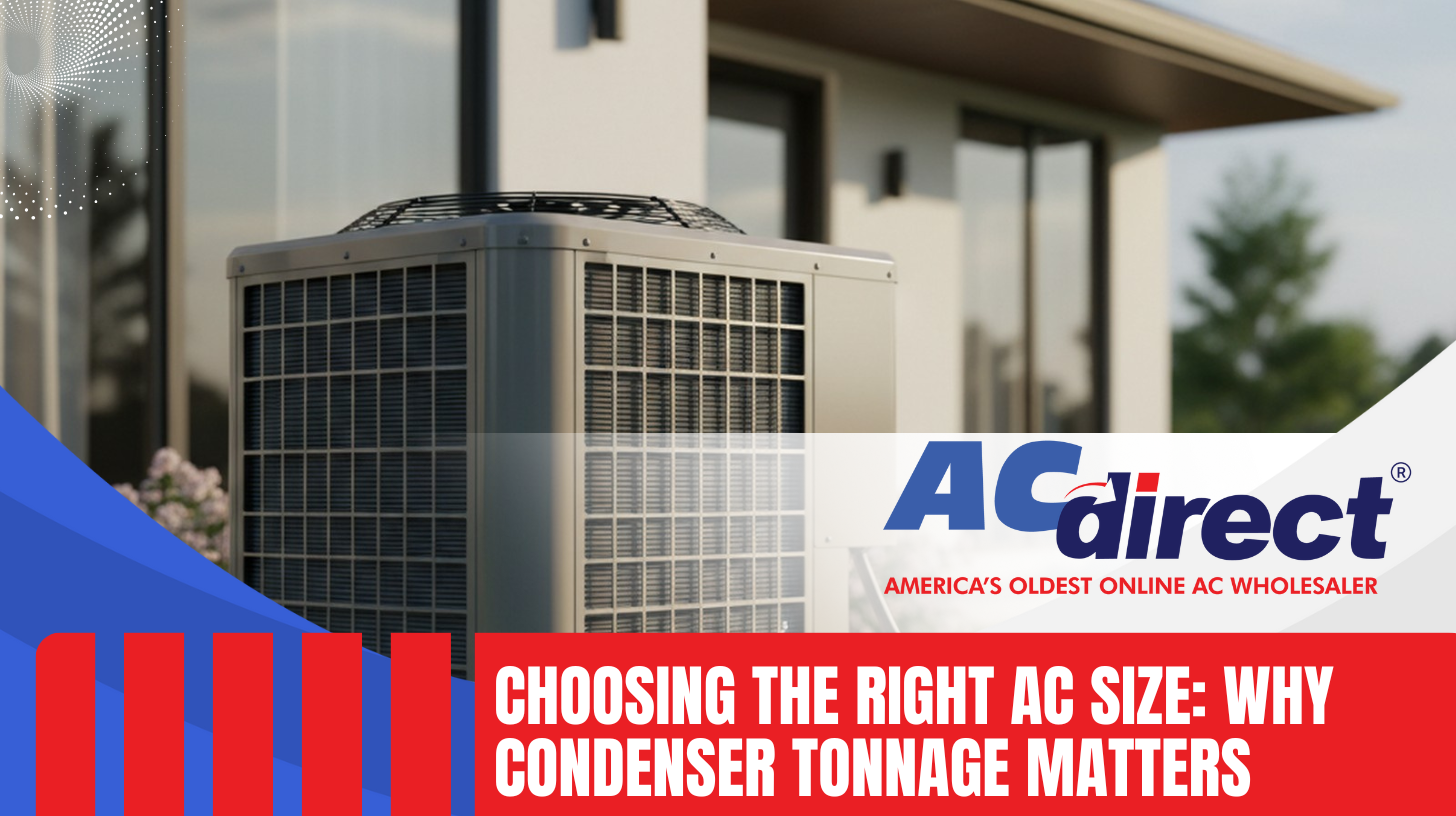
Choosing the right size HVAC system is crucial for optimal performance and efficiency. An oversized system will cycle on and off too frequently, leading to uneven temperatures and wasted energy. An undersized system will struggle to maintain the desired temperature, especially during extreme weather conditions. To determine the correct size for your home, you need to consider factors like square footage, insulation, climate, window efficiency, and the number of occupants. A professional HVAC contractor can perform a load calculation to accurately assess your heating and cooling needs.
Understanding SEER, AFUE, and HSPF Ratings
SEER, AFUE, and HSPF ratings are important indicators of energy efficiency for HVAC systems. SEER (Seasonal Energy Efficiency Ratio) measures the cooling efficiency of air conditioners and heat pumps. AFUE (Annual Fuel Utilization Efficiency) measures the heating efficiency of furnaces. HSPF (Heating Season Performance Factor) measures the heating efficiency of heat pumps. The higher the rating, the more efficient the system. Investing in a high-efficiency system can save you a significant amount of money on your energy bills over the long term. Keep in mind that some utility companies and government agencies offer rebates and incentives for installing energy-efficient HVAC equipment. You may also find information on sites like NRG Energy.
The Importance of Professional HVAC Installation
Proper installation is essential for ensuring the efficiency, performance, and longevity of your HVAC system. Even the most energy-efficient system will perform poorly if it's not installed correctly. A qualified HVAC contractor has the knowledge, skills, and experience to install your system according to manufacturer specifications and local codes. They will also ensure that the system is properly sized, balanced, and calibrated for optimal performance. Furthermore, professional installation is often required to maintain the manufacturer's warranty.
HVAC System Maintenance Tips for Homeowners
Regular maintenance is key to keeping your HVAC system running smoothly and efficiently. Here are some simple maintenance tasks that you can do yourself:
- Replace air filters regularly (every 1-3 months).
- Keep the area around the outdoor unit clear of debris.
- Clean the indoor air vents and registers.
- Check the condensate drain line for clogs.
- Schedule annual servicing with a qualified HVAC technician.
Regular maintenance can improve efficiency and prevent costly repairs.
How Much Does a New HVAC System Cost?
The cost of a new HVAC system can vary widely depending on the type of system, size, efficiency, brand, and installation requirements. Furnaces typically range in price from \$2,000 to \$7,000 installed, while air conditioners can cost anywhere from \$3,000 to \$8,000 installed. Heat pumps generally fall in the \$4,000 to \$10,000 range. Ductless mini-splits can cost \$2,000 to \$5,000 per zone. These are just estimates, and the actual cost will depend on your specific circumstances. It's always a good idea to get multiple quotes from different contractors before making a decision.
Financing Options for HVAC Systems
Purchasing a new HVAC system can be a significant investment. Fortunately, there are several financing options available to help you manage the cost. Many HVAC contractors offer financing plans with competitive interest rates and flexible payment terms. You may also be able to finance your purchase through a home equity loan or a personal loan. In addition, some utility companies and government agencies offer rebates and incentives for installing energy-efficient HVAC equipment. Look into all available options to find the best financing solution for your budget. I am familiar with the fact that there are programs available to help people afford necessary HVAC upgrades.
Choosing the Right HVAC Contractor
Selecting a qualified and reputable HVAC contractor is crucial for ensuring a successful installation and ongoing service. Look for contractors who are licensed, insured, and experienced. Check online reviews and ask for references from past customers. Get multiple quotes and compare them carefully, paying attention to the details of the proposed work and the quality of the equipment. A good contractor will take the time to assess your needs, explain your options, and answer your questions thoroughly.
Troubleshooting Common HVAC Problems
Even with regular maintenance, HVAC systems can sometimes experience problems. Some common issues include:
- System not turning on
- Insufficient heating or cooling
- Strange noises
- Unusual odors
- High energy bills
Many minor issues can be resolved with simple troubleshooting steps, such as checking the thermostat, replacing the air filter, or resetting the circuit breaker. However, for more complex problems, it's best to call a qualified HVAC technician.
Improving Your Home's Indoor Air Quality
In addition to heating and cooling, HVAC systems can also play a role in improving your home's indoor air quality. Consider adding features like air purifiers, humidifiers, and UV lights to your system to remove pollutants, allergens, and other contaminants from the air. Proper ventilation is also essential for maintaining good indoor air quality. Make sure your home is properly ventilated to prevent the buildup of moisture and pollutants.
Future Trends in Home HVAC Technology
The field of HVAC technology is constantly evolving, with new innovations emerging all the time. Some of the trends to watch include:
- Smart thermostats that learn your preferences and adjust the temperature automatically.
- Variable-speed compressors that provide more precise and efficient cooling and heating.
- Zoned HVAC systems that allow you to control the temperature in different areas of your home.
- Geothermal heat pumps that use the earth's natural heat to provide extremely efficient heating and cooling.
Frequently Asked Questions
What does HVAC stand for?
HVAC stands for Heating, Ventilation, and Air Conditioning. It is the system that regulates the temperature, humidity, and air quality in your residence.
How do I know what size HVAC system I need for my home?
The appropriate size of your HVAC system is determined by factors such as the square footage of your home, insulation quality, the climate you live in, and the efficiency of your windows. A professional HVAC technician can perform a load calculation to accurately assess your specific needs.
What is SEER rating and why is it important?
SEER, or Seasonal Energy Efficiency Ratio, measures the cooling efficiency of an air conditioner or heat pump. A higher SEER rating signifies greater energy efficiency, which translates to lower operating costs for you.
How often should I have my HVAC system serviced?
It's generally recommended to have your HVAC system serviced at least once a year. Ideally, schedule servicing in the spring for cooling systems and in the fall for heating systems to ensure optimal performance before peak seasons. Regular maintenance can significantly improve efficiency and help prevent costly repairs.
What are some signs that my HVAC system needs to be replaced?
Several signs indicate that your HVAC system may need replacement, including frequent breakdowns, increasing energy bills, inconsistent temperatures throughout your home, unusual noises coming from the system, and if the system is more than 10 to 15 years old.
Can I install an HVAC system myself?
While you might be tempted to install an HVAC system yourself to save money, it's highly recommended to hire a qualified HVAC contractor. Proper installation is crucial for efficiency, safety, and to ensure your warranty remains valid.
Final Thoughts
Choosing the right house HVAC systems is a significant decision that can impact your comfort, energy bills, and the value of your home. By understanding the different types of systems available, the importance of proper sizing and installation, and the benefits of regular maintenance, you can make an informed choice that meets your specific needs and budget.
Don't hesitate to consult with a qualified HVAC contractor to get personalized advice and recommendations. They can assess your home's heating and cooling needs and help you select the best system for your situation. I hope this information has been helpful in your HVAC purchasing process.
Remember, investing in a quality HVAC system is an investment in your home's comfort, efficiency, and long-term value. Take your time, do your research, and choose wisely.