

Understanding HVAC Heating and Air Conditioning Systems for Home Comfort
-
 By
Michael Haines
By
Michael Haines
- Apr 10, 2024

Hi, I'm Mike Haines, founder of AC Direct. Choosing the right HVAC heating and air conditioning systems for your home is a big decision. I know it can seem complicated, so I've put together this overview to explain the key things you need to know. This is for homeowners and small business owners who want to understand their options and make smart choices about their home comfort.
- HVAC systems control heating, cooling, and air quality to keep your home comfortable.
- Understanding SEER, HSPF, and AFUE ratings helps you choose an energy-efficient system.
- Proper sizing and installation are crucial for optimal HVAC performance.
- Regular maintenance can extend the life of your HVAC system and prevent costly repairs.
- Consider factors like system type, size, efficiency, and installation costs when budgeting for a new HVAC system.
What is HVAC and Why Does it Matter?
HVAC stands for Heating, Ventilation, and Air Conditioning. These systems work together to regulate temperature, humidity, and air quality inside your home. A properly functioning HVAC system is essential for maintaining a comfortable and healthy indoor environment year-round. It's not just about comfort; good HVAC can also improve air quality, reduce allergens, and even save you money on energy bills.
Understanding the Key Components of an HVAC System
A complete HVAC system typically includes several key components:
- Heating Unit: This can be a furnace, heat pump, or boiler, depending on the type of system. It generates heat and distributes it throughout your home.
- Cooling Unit: Usually an air conditioner, this removes heat and humidity from the air to cool your home.
- Ventilation System: Ductwork, fans, and vents circulate air throughout the house, ensuring proper airflow and ventilation.
- Thermostat: This controls the temperature settings and activates the heating and cooling units as needed. Smart thermostats offer even more control and energy-saving features.
- Air Filter: This removes dust, pollen, and other particles from the air, improving air quality and protecting the system components.
Types of Heating Systems: Which is Right for Your Home?
Several types of heating systems are available, each with its own advantages and disadvantages. Here are some common options:
- Furnaces: These burn fuel (natural gas, propane, or oil) to generate heat, which is then distributed through ductwork. Furnaces are a popular choice for their efficiency and relatively low upfront cost.
- Heat Pumps: Heat pumps transfer heat from one place to another, rather than generating it directly. They can both heat and cool your home, making them a versatile option. I often suggest that homeowners look into heat pumps to save money on energy bills.
- Boilers: Boilers heat water, which is then circulated through radiators or radiant floor systems. Boilers provide consistent and comfortable heat, but they can be more expensive to install than furnaces.
- Electric Resistance Heaters: These use electric coils to generate heat. They are relatively inexpensive to install, but they can be costly to operate due to high electricity costs.
Types of Air Conditioning Systems: Cooling Options Explained
Just as there are different types of heating systems, there are also various air conditioning options to choose from:
- Central Air Conditioners: These cool your entire home using a network of ducts and vents. Central AC systems are efficient and effective for cooling large spaces.
- Ductless Mini-Split Systems: These systems consist of an outdoor unit and one or more indoor units, connected by refrigerant lines. Ductless mini-splits are ideal for homes without ductwork or for cooling individual rooms. You might consider a Daikin 24000 btu mini split for your home.
- Window Air Conditioners: These are self-contained units that fit in a window. Window ACs are a budget-friendly option for cooling small rooms.
- Portable Air Conditioners: These units can be moved from room to room and require a vent to the outside. Portable ACs are a flexible option for cooling specific areas.
SEER, HSPF, and AFUE: Understanding HVAC Efficiency Ratings
When shopping for HVAC heating and air conditioning systems, you'll encounter several efficiency ratings. Understanding these ratings is crucial for choosing an energy-efficient system and saving money on your utility bills:
- SEER (Seasonal Energy Efficiency Ratio): This measures the cooling efficiency of an air conditioner or heat pump. A higher SEER rating indicates greater energy efficiency. The minimum SEER rating varies depending on your location; be sure to check local requirements.
- HSPF (Heating Seasonal Performance Factor): This measures the heating efficiency of a heat pump. A higher HSPF rating indicates greater energy efficiency during heating mode.
- AFUE (Annual Fuel Utilization Efficiency): This measures the heating efficiency of a furnace or boiler. A higher AFUE rating means that a greater percentage of the fuel is converted into usable heat.
I usually advise homeowners to look for systems with high SEER, HSPF, and AFUE ratings to maximize energy savings over the long term. While these systems may have a higher upfront cost, the reduced energy bills can offset the initial investment.
How to Choose the Right HVAC System for Your Home
Choosing the right HVAC system depends on several factors, including your home's size, climate, budget, and energy efficiency goals. Consider these factors when making your decision:
- Home Size: The square footage of your home will determine the appropriate size of the HVAC system.
- Climate: The climate in your area will influence the type of heating and cooling system you need. For example, in colder climates, a high-efficiency furnace may be the best option, while in warmer climates, a heat pump or central air conditioner may be more suitable.
- Budget: HVAC systems can range in price from a few thousand dollars to tens of thousands of dollars. Set a budget and stick to it, but don't sacrifice quality and efficiency for a lower price.
- Energy Efficiency Goals: If you're concerned about energy consumption and reducing your carbon footprint, look for systems with high SEER, HSPF, and AFUE ratings.
It's always a good idea to consult with a qualified HVAC contractor to get personalized recommendations for your home.
HVAC System Sizing: Why It's Crucial for Performance
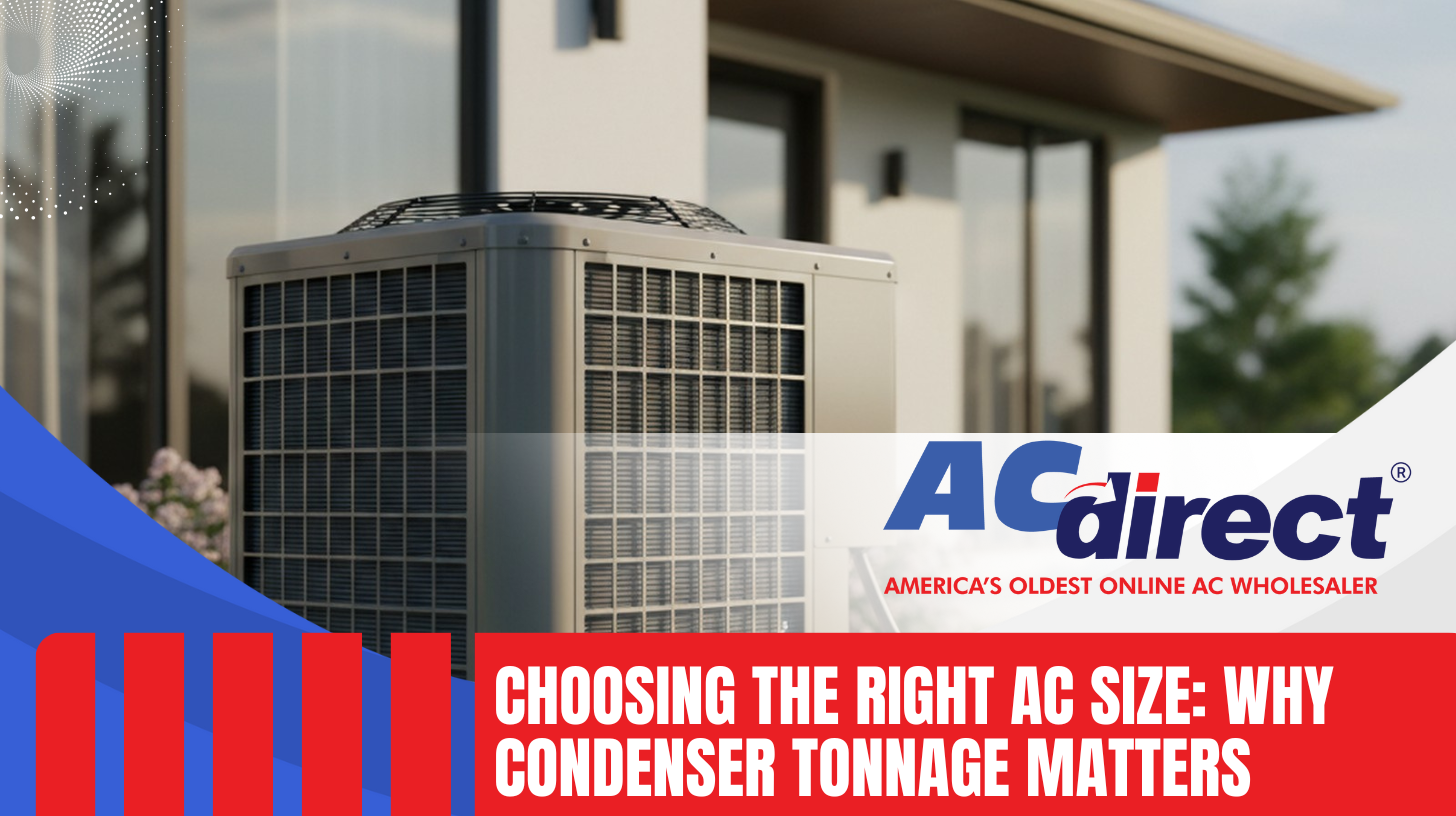
Proper HVAC system sizing is essential for optimal performance and energy efficiency. An undersized system will struggle to heat or cool your home adequately, while an oversized system can lead to short cycling, temperature imbalances, and increased energy consumption. Always make sure to check Unit ac reviews before making a purchase.
A professional HVAC contractor can perform a load calculation to determine the appropriate size for your system. This calculation takes into account factors such as your home's square footage, insulation levels, window efficiency, and climate.
HVAC Installation: What to Expect
HVAC installation is a complex process that should be performed by a qualified and licensed contractor. Here's what you can typically expect during an HVAC installation:
- System Removal: The old HVAC system will be removed and disposed of properly.
- Ductwork Inspection and Repair: The ductwork will be inspected for leaks and damage, and any necessary repairs will be made.
- New System Installation: The new HVAC system will be installed according to the manufacturer's specifications and local building codes.
- System Testing and Calibration: The system will be tested to ensure it's functioning properly and calibrated for optimal performance.
- Homeowner Education: The contractor will explain how to operate and maintain the new HVAC system.
The Importance of Regular HVAC Maintenance
Regular HVAC maintenance is crucial for extending the life of your system, improving efficiency, and preventing costly repairs. Here are some essential maintenance tasks:
- Air Filter Replacement: Replace the air filter every 1-3 months, or as recommended by the manufacturer.
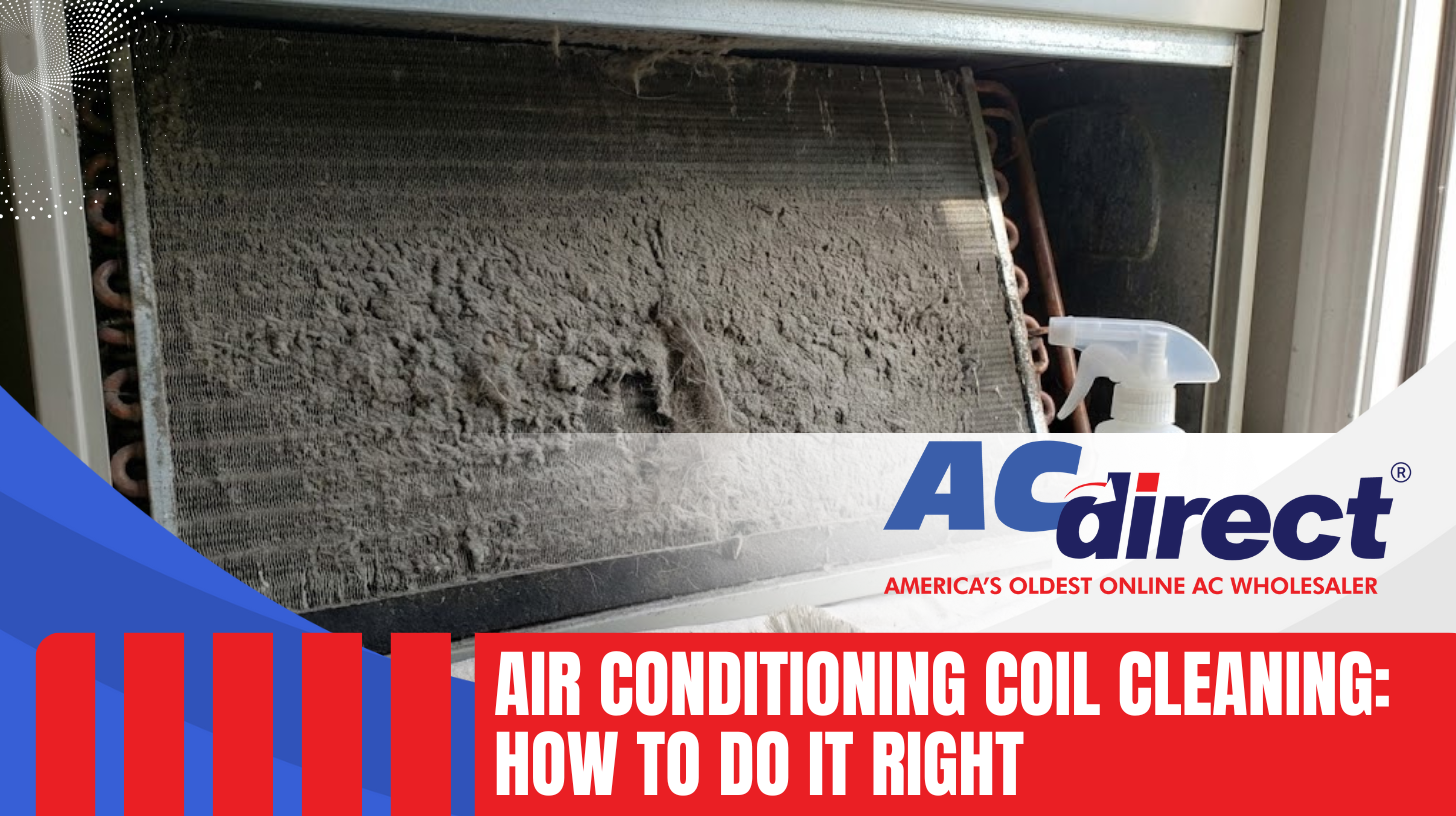
- Coil Cleaning: Clean the evaporator and condenser coils annually to remove dirt and debris.
- Ductwork Inspection: Inspect the ductwork for leaks and damage, and seal any leaks to improve efficiency.
- System Tune-Up: Schedule an annual tune-up with a qualified HVAC technician. During a tune-up, the technician will inspect and clean the system components, check refrigerant levels, and lubricate moving parts.
Troubleshooting Common HVAC Problems
Even with regular maintenance, HVAC systems can sometimes experience problems. Here are some common issues and how to troubleshoot them:
- No Heat or Cool Air: Check the thermostat settings, air filter, and circuit breaker. If the problem persists, contact a qualified HVAC technician.
- Strange Noises: Unusual noises, such as banging, rattling, or whistling, can indicate a problem with the system components. Contact a technician to diagnose and repair the issue.
- Uneven Temperatures: Uneven temperatures throughout your home can be caused by poor insulation, leaky ductwork, or a malfunctioning thermostat.
- High Energy Bills: Rising energy bills can indicate an inefficient HVAC system. Schedule a system tune-up and consider upgrading to a more energy-efficient model.
Remember, when in doubt, it's always best to call a professional. Attempting to repair complex HVAC issues yourself can be dangerous and may void your warranty.
HVAC System Costs: Factors to Consider
The cost of a new HVAC system can vary widely depending on several factors:
- System Type: Different types of systems (furnaces, heat pumps, air conditioners) have varying costs.
- Size: Larger systems cost more than smaller ones.
- Efficiency Rating: Systems with higher SEER, HSPF, and AFUE ratings typically cost more upfront, but they can save you money on energy bills over the long term.
- Brand: Some brands are more expensive than others.
- Installation Complexity: Complex installations, such as those requiring ductwork modifications, can increase the overall cost.
Before making a purchase, get quotes from multiple contractors to compare prices and services. Don't just focus on the upfront cost; consider the long-term energy savings and potential repair costs as well.
Financing Options for Your New HVAC System
A new HVAC system is a significant investment, but several financing options are available to help make it more affordable:
- Manufacturer Rebates: Many manufacturers offer rebates on energy-efficient HVAC systems.
- Government Incentives: Federal, state, and local governments may offer tax credits or rebates for installing energy-efficient equipment. The San Miguel Power Association often publicizes local rebates.
- Financing Programs: Many HVAC contractors offer financing options, such as low-interest loans or payment plans.
- Credit Cards: Some homeowners use credit cards to finance their HVAC purchase, but be sure to compare interest rates and fees before using this option.
The Future of HVAC: Smart Technology and Energy Efficiency
The HVAC industry is constantly evolving, with new technologies and innovations emerging all the time. Some of the key trends shaping the future of HVAC include:
- Smart Thermostats: Smart thermostats offer advanced control and energy-saving features, such as remote access, geofencing, and learning capabilities.
- Zoned Systems: Zoned systems allow you to control the temperature in different areas of your home independently, improving comfort and energy efficiency.
- Variable Speed Technology: Variable speed compressors and fans adjust their output based on the heating and cooling demand, resulting in more consistent temperatures and lower energy consumption.
- Renewable Energy Integration: HVAC systems can be integrated with renewable energy sources, such as solar panels, to reduce reliance on fossil fuels.
These advancements are making HVAC systems more efficient, comfortable, and environmentally friendly.
Tips for Saving Money on Your Heating and Cooling Bills
Here are some simple tips for saving money on your heating and cooling bills:
- Set the Thermostat Strategically: Adjust the thermostat when you're away from home or sleeping.
- Use a Programmable Thermostat: Automate your thermostat settings to optimize energy savings.
- Seal Air Leaks: Seal gaps around windows, doors, and other openings to prevent air leaks.
- Improve Insulation: Add insulation to your attic, walls, and floors to reduce heat loss in the winter and heat gain in the summer.
- Maintain Your HVAC System: Regular maintenance can improve efficiency and prevent costly repairs.
Small changes can make a big difference in your energy bills.
Frequently Asked Questions
What does HVAC stand for?
HVAC stands for Heating, Ventilation, and Air Conditioning. It's the system used to control the temperature, humidity, and air quality in your home.
How do I know what size HVAC system I need?
HVAC system size is measured in BTUs (British Thermal Units) for heating and tons for cooling. The correct size depends on factors such as your home's square footage, insulation, climate, and window efficiency. A professional HVAC contractor can perform a load calculation to determine the optimal size for your home.
How often should I have my HVAC system serviced?
It is generally recommended to have your HVAC system serviced at least once a year, and ideally twice a year: once for heating and once for cooling. Regular maintenance improves efficiency, prevents breakdowns, and extends the life of your system. I encourage everyone to read Acdirect.com reviews to fully understand the benefits of regular servicing.
What is SEER rating and why is it important?
SEER (Seasonal Energy Efficiency Ratio) measures the cooling efficiency of an air conditioner or heat pump. A higher SEER rating indicates greater energy efficiency, which results in lower energy bills. As of 2023, the minimum SEER rating for new air conditioners is 14 or 15, depending on the region.
How much does a new HVAC system cost?
The cost of a new HVAC system varies depending on several factors, including the type of system, size, brand, efficiency rating, and installation complexity. You can expect to pay anywhere from $5,000 to $15,000 or more for a complete system installation. It's wise to get quotes from multiple contractors to compare prices.
What are some common signs that my HVAC system needs to be replaced?
Signs that your HVAC system may need replacement include: the system is over 10-15 years old, frequent breakdowns, rising energy bills, inconsistent temperatures, strange noises, and the need for R-22 refrigerant (which is being phased out).
Final Thoughts
Choosing the right HVAC heating and air conditioning systems is a crucial decision that impacts your home comfort and energy bills. By understanding the key components, efficiency ratings, and maintenance requirements, you can make an informed choice that meets your needs and budget.
Remember to consult with a qualified HVAC contractor to get personalized recommendations and ensure proper installation. Regular maintenance is essential for extending the life of your system and preventing costly repairs.
I hope this overview has been helpful. At AC Direct, we're committed to providing you with the information and resources you need to make smart HVAC purchase decisions.