

Understanding HVAC House Systems: Types, Costs, and Maintenance
-
 By
Michael Haines
By
Michael Haines
- Apr 13, 2024

Hi, I'm Mike Haines, founder of AC Direct. I've spent years helping homeowners like you understand the ins and outs of HVAC house systems. Choosing the right system can seem complex, but I'm here to break it down. This information will give you a solid understanding of HVAC systems, covering everything from types and costs to maintenance and troubleshooting. Whether you're replacing an old unit or installing a system in a new home, this will help you make an informed decision.
- HVAC systems provide complete climate control, including heating, cooling, and ventilation.
- Proper sizing and regular maintenance are crucial for efficiency and longevity.
- Consider SEER, AFUE, and HSPF ratings to understand energy efficiency.
- Professional installation and regular servicing can prevent costly repairs.
- Smart HVAC technologies offer enhanced control and potential savings.
What is an HVAC House System?
HVAC stands for Heating, Ventilation, and Air Conditioning. An HVAC house system is a comprehensive setup designed to control the temperature, humidity, and air quality inside your home. It's not just about cooling in the summer or heating in the winter; it's about creating a comfortable and healthy indoor environment year-round. A typical HVAC system includes components like a furnace or heat pump, air conditioner, and ductwork, all working together to distribute conditioned air throughout your house.
Why Does Your HVAC System Matter?
Your HVAC system plays a crucial role in your home's comfort, air quality, and energy efficiency. A well-functioning system keeps you comfortable regardless of the weather outside. It also filters out dust, pollen, and other allergens, improving indoor air quality and reducing respiratory issues. Furthermore, an efficient HVAC system can significantly lower your energy bills, saving you money in the long run. Neglecting your HVAC system can lead to higher energy costs, frequent breakdowns, and a less comfortable living environment.
Types of HVAC Systems for Homes
There are several types of HVAC systems available for homes, each with its own advantages and disadvantages. Here's a rundown of the most common types:
- Central HVAC Systems: These are the most common type, consisting of a furnace or heat pump, an air conditioner, and a network of ducts. They provide consistent heating and cooling throughout the entire house.
- Heat Pumps: Heat pumps transfer heat rather than generating it, making them a very efficient option for both heating and cooling. They are particularly effective in moderate climates.
- Ductless Mini-Split Systems: Ductless mini-split systems are ideal for homes without ductwork or for providing targeted heating and cooling to specific rooms. They consist of an outdoor unit and one or more indoor units. These can sometimes be the Cheap air conditioning unit.
- Package Units: Package units combine all the components of an HVAC system into a single outdoor unit. They are often used in homes where space is limited.
- Geothermal Systems: Geothermal systems use the earth's natural heat to provide heating and cooling. They are very efficient but can be expensive to install.
Key Components of a Central HVAC System
A central HVAC system consists of several key components that work together to provide heating and cooling. Understanding these components can help you better understand how your system works and how to maintain it:
- Furnace or Heat Pump: The furnace generates heat by burning fuel, while a heat pump transfers heat from one place to another.
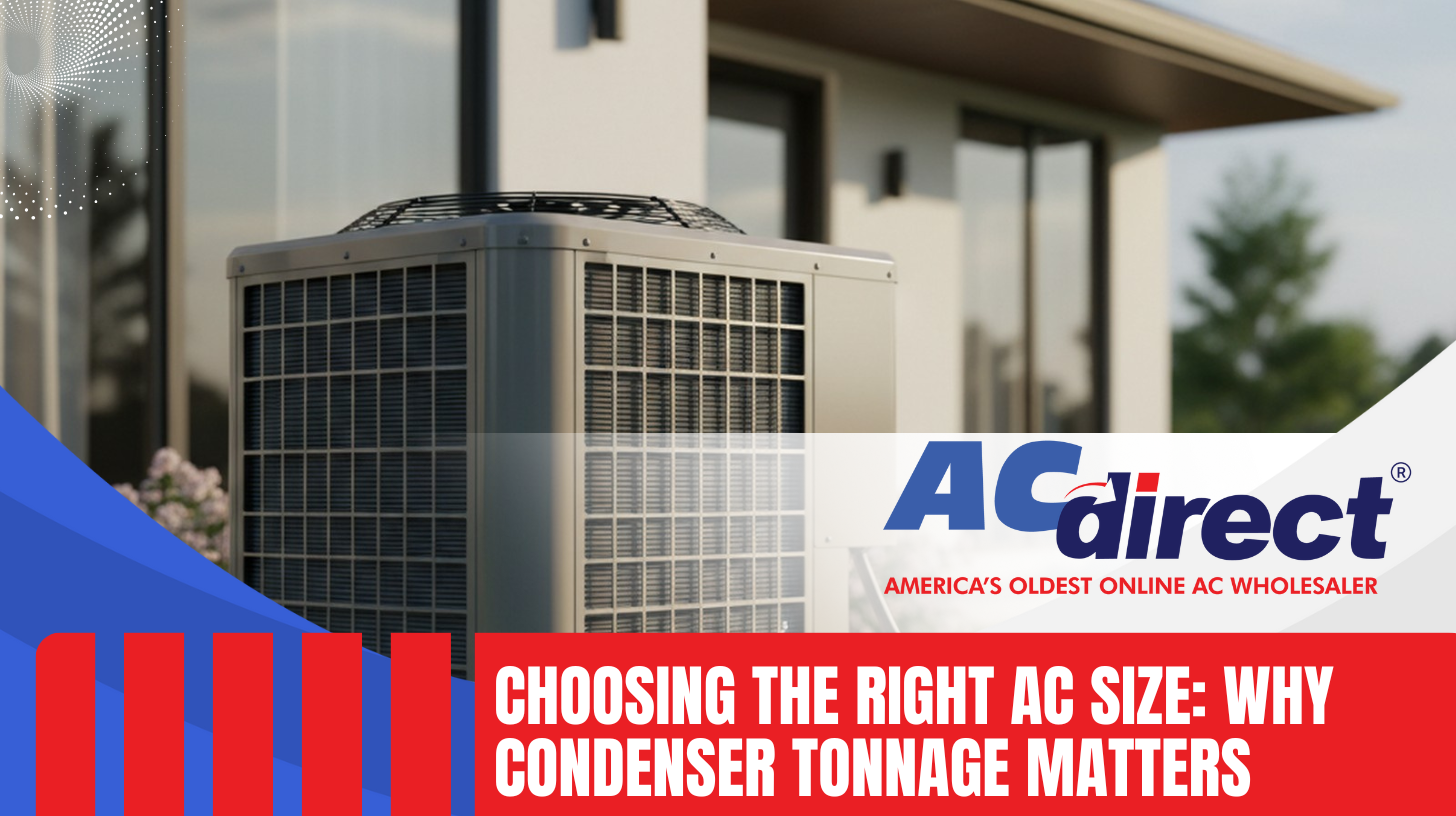
- Air Conditioner: The air conditioner cools the air by removing heat and humidity. It typically sits outside the house as an Outside condenser unit.
- Evaporator Coil: The evaporator coil is located inside the air handler and cools the air as it passes over the coil.
- Condenser Coil: The condenser coil is located in the outdoor unit and releases heat to the outside air.
- Ductwork: The ductwork is a network of channels that distribute conditioned air throughout the house.
- Thermostat: The thermostat controls the temperature and operation of the HVAC system.
Sizing Your HVAC System Correctly
Properly sizing your HVAC system is essential for optimal performance and efficiency. An undersized system will struggle to heat or cool your home adequately, while an oversized system can cycle on and off too frequently, leading to wasted energy and reduced lifespan. HVAC system size is measured in BTUs (British Thermal Units). To determine the correct size for your home, factors like square footage, insulation, climate, and window efficiency must be considered. I always recommend having a qualified HVAC contractor perform a load calculation to determine the appropriate size for your home.
HVAC System Efficiency: Understanding SEER, AFUE, and HSPF
When shopping for a new HVAC system, you'll encounter terms like SEER, AFUE, and HSPF. These ratings indicate the system's energy efficiency. Here's what they mean:
- SEER (Seasonal Energy Efficiency Ratio): Measures the cooling efficiency of an air conditioner or heat pump. The higher the SEER rating, the more efficient the unit.
- AFUE (Annual Fuel Utilization Efficiency): Measures the heating efficiency of a furnace. The higher the AFUE rating, the more efficient the furnace.
- HSPF (Heating Seasonal Performance Factor): Measures the heating efficiency of a heat pump. The higher the HSPF rating, the more efficient the heat pump.
I generally advise looking for systems with high SEER, AFUE, and HSPF ratings to maximize energy savings. Keep in mind that higher efficiency systems often have a higher upfront cost, but the long-term energy savings can offset the initial investment.
Factors Affecting HVAC System Cost
The cost of an HVAC system can vary widely depending on several factors. These include:
- Type of System: Central HVAC systems, heat pumps, ductless mini-splits, and geothermal systems all have different price points.
- Size of System: Larger homes require larger, more expensive systems.
- Efficiency Rating: Higher efficiency systems (higher SEER, AFUE, and HSPF ratings) typically cost more upfront.
- Brand: Some brands are known for their quality and reliability and may command a higher price.
- Installation Costs: Installation costs can vary depending on the complexity of the job and the contractor's rates.
- Ductwork: If your home needs new or modified ductwork, this will add to the overall cost.
You'll also want to think about the costs involved with a Cost for mini split system.
Installation Considerations for HVAC Systems
Proper installation is crucial for the performance and longevity of your HVAC system. Here are some important considerations:
- Professional Installation: Always hire a qualified HVAC contractor to install your system. Improper installation can lead to reduced efficiency, frequent breakdowns, and even safety hazards.
- Permits and Inspections: Make sure your contractor obtains all necessary permits and schedules inspections to ensure the installation meets local codes.
- Ductwork Sealing: Leaky ductwork can waste a significant amount of energy. Ensure your contractor properly seals all ductwork connections.
- Refrigerant Charge: The correct refrigerant charge is essential for optimal performance. Your contractor should verify the charge after installation.
Maintaining Your HVAC System for Longevity
Regular maintenance is essential for keeping your HVAC system running efficiently and preventing costly repairs. Here are some key maintenance tasks:
- Change Air Filters Regularly: Dirty air filters restrict airflow and can cause your system to work harder. Change your air filters every 1-3 months, or more often if you have pets or allergies.
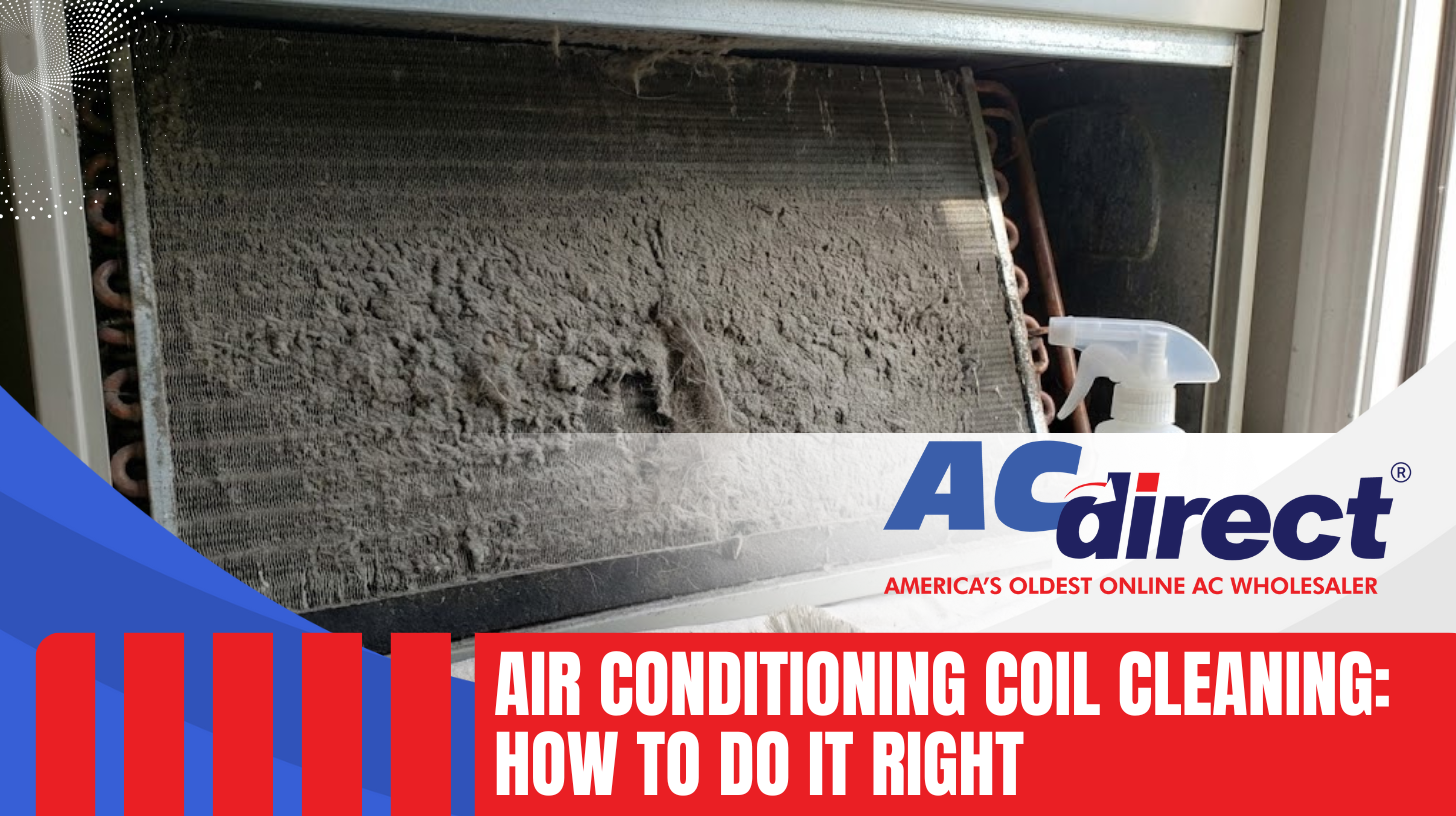
- Clean Coils: The evaporator and condenser coils can become dirty over time, reducing their efficiency. Clean the coils annually using a coil cleaner or hire a professional to do it.
- Inspect Ductwork: Inspect your ductwork for leaks and seal any that you find.
- Check Refrigerant Levels: Low refrigerant levels can indicate a leak. Have a professional check the refrigerant levels and repair any leaks.
- Schedule Professional Servicing: Have your HVAC system serviced by a qualified technician at least once a year, preferably twice (once for heating and once for cooling).
Troubleshooting Common HVAC Problems
Even with regular maintenance, HVAC systems can sometimes experience problems. Here are some common issues and how to troubleshoot them:
- No Heat or Cool Air: Check the thermostat settings, air filter, and circuit breaker. If these are all okay, call a professional.
- Weak Airflow: Check the air filter and ductwork for obstructions.
- Unusual Noises: Grinding, squealing, or banging noises can indicate a mechanical problem. Turn off the system and call a professional.
- Water Leaks: Water leaks can be caused by a clogged condensate drain. Clear the drain or call a professional.
- High Energy Bills: High energy bills can be a sign of an inefficient system. Schedule a professional inspection to identify the cause. Contact your local utility, for example Yellowstone Valley Electric, for energy audit programs.
When to Consider Replacing Your HVAC System
HVAC systems don't last forever. Here are some signs that it may be time to replace your system:
- Age: If your system is 15-20 years old or older, it's likely nearing the end of its lifespan.
- Frequent Repairs: If you're constantly repairing your system, it may be more cost-effective to replace it.
- Rising Energy Bills: If your energy bills are steadily increasing, it could be a sign that your system is losing efficiency.
- Inconsistent Temperatures: If your home has inconsistent temperatures, it could be a sign that your system is no longer able to adequately heat or cool your home.
- Unusual Noises: Loud or unusual noises can indicate a major mechanical problem.
Choosing the Right HVAC Contractor
Choosing the right HVAC contractor is essential for a successful installation or repair. Here are some tips for finding a qualified contractor:
- Get Recommendations: Ask friends, family, and neighbors for recommendations.
- Check Online Reviews: Read online reviews to get an idea of the contractor's reputation.
- Verify Licensing and Insurance: Make sure the contractor is properly licensed and insured.
- Get Multiple Bids: Get bids from multiple contractors and compare their prices and services.
- Ask Questions: Ask the contractor questions about their experience, qualifications, and approach to the job.
Financing Options for HVAC Systems
Replacing an HVAC system can be a significant investment. Fortunately, there are several financing options available to help you manage the cost:
- Loans: Many banks and credit unions offer loans for home improvements, including HVAC systems.
- Credit Cards: Some homeowners use credit cards to finance their HVAC system replacement.
- Manufacturer Financing: Some HVAC manufacturers offer financing options.
- Government Programs: Check for government programs that offer rebates or tax credits for energy-efficient HVAC systems.
Smart HVAC Technologies for Enhanced Control and Savings
Smart HVAC technologies can help you save energy and enhance your comfort. Some popular options include:
- Smart Thermostats: Smart thermostats learn your preferences and automatically adjust the temperature to save energy.
- Zoning Systems: Zoning systems allow you to control the temperature in different areas of your home independently.
- Smart Air Filters: Smart air filters monitor air quality and notify you when it's time to replace the filter.
Future Trends in HVAC House Systems
The HVAC industry is constantly evolving, with new technologies and trends emerging all the time. Some future trends to watch include:
- Increased Energy Efficiency: HVAC systems are becoming more energy-efficient, thanks to advancements in technology and stricter regulations.
- Smart Home Integration: HVAC systems are increasingly being integrated with smart home systems, allowing for seamless control and automation.
- Environmentally Friendly Refrigerants: New refrigerants are being developed to replace older refrigerants that are harmful to the environment.
- Predictive Maintenance: Predictive maintenance technologies use data analytics to identify potential problems before they occur, reducing downtime and repair costs.
Frequently Asked Questions
What is the difference between an HVAC system and an air conditioner?
An air conditioner is only one part of a complete HVAC, or Heating, Ventilation, and Air Conditioning, system. While an air conditioner cools your home, the HVAC system manages everything from heating and cooling to air quality and ventilation for full climate control.
How do I know what size HVAC system I need for my home?
HVAC system size is measured in BTUs (British Thermal Units). The size you need depends on several things: the square footage of your house, how well it's insulated, the climate you live in, and the efficiency of your windows. The best way to find out is to have an HVAC contractor do a load calculation to determine the right size system.
What is a good SEER rating for an HVAC system?
SEER, or Seasonal Energy Efficiency Ratio, measures how efficient an air conditioner is. The higher the SEER rating, the more efficient it is. A SEER rating of 15 or higher is generally considered good, and there are many new systems with SEER ratings of 20 or even higher.
How often should I have my HVAC system serviced?
I recommend having your HVAC system serviced at least once a year, but twice is even better: once before the heating season and once before the cooling season. Regular service helps keep your system running well, saves energy, and makes it last longer.
What are some signs that my HVAC system needs to be replaced?
If you're experiencing inconsistent temperatures, rising energy bills, frequent repairs, or strange noises, it could be time to replace your HVAC system. Also, if your system is 15 to 20 years old or older, it's likely nearing the end of its life. Have a professional inspect it to be sure.
Final Thoughts
Understanding your HVAC house system is key to ensuring your home is comfortable, healthy, and energy-efficient. From choosing the right type and size of system to maintaining it properly, every decision counts. By considering factors like SEER, AFUE, and HSPF ratings, and by working with a qualified HVAC contractor, you can make informed choices that save you money and improve your quality of life.
Remember, regular maintenance and timely repairs are essential for extending the lifespan of your HVAC system. Don't hesitate to consult with a professional if you have any concerns or questions. Investing in a quality HVAC system and taking good care of it is an investment in your home's comfort and value.
I hope this information has been helpful. At AC Direct, we're committed to providing you with the best HVAC solutions and expert advice. Feel free to reach out to us with any questions or to explore our range of products and services.