

HVAC System Coil Cleaning: How to Improve Efficiency
-
 By
Michael Haines
By
Michael Haines
- Apr 19, 2024

Hi, I'm Mike Haines, founder of AC Direct. I've spent years helping homeowners understand the ins and outs of their HVAC systems. One part that often gets overlooked is the HVAC system coil. These coils are essential for keeping your home comfortable, and keeping them clean is critical. In this post, I'll walk you through everything you need to know about HVAC system coils, including what they are, why cleaning them matters, and how to keep them in top shape. This information is for you, the homeowner, so you can make informed decisions about your home comfort.
- HVAC system coils, both evaporator and condenser coils, are vital for efficient heating and cooling.
- Dirty coils reduce efficiency, increase energy bills, and can lead to system failure.
- Regular inspection and cleaning of your HVAC coils are necessary to maintain optimal performance.
- Professional cleaning is recommended for thorough maintenance, but some DIY steps can help.
- Knowing when to repair or replace coils can save money and prevent further damage.
What are HVAC System Coils?
Your HVAC system relies on two main types of coils to do its job: evaporator coils and condenser coils. Think of them as the workhorses of your heating and cooling system. The evaporator coil is located inside your home, usually within your air handler. It's responsible for absorbing heat from the air. The condenser coil, on the other hand, is located outside in your AC unit. It releases the heat that was absorbed by the evaporator coil.
The Importance of Clean HVAC Coils for Homeowners
Clean HVAC coils are essential for several reasons. First and foremost, they ensure your system operates efficiently. When coils are coated in dirt and dust, they can't transfer heat effectively. This means your system has to work harder to achieve the desired temperature, which leads to higher energy bills. I see a lot of homeowners surprised by how much a dirty coil can impact their monthly expenses. Secondly, clean coils improve airflow. Dirty coils restrict airflow, making your system less effective at cooling or heating your home. This can also cause your system to overheat and potentially fail. Finally, keeping your coils clean can extend the lifespan of your entire HVAC system. Regular maintenance prevents unnecessary wear and tear, saving you money on costly repairs or replacements down the road. You might consider a Ac house unit for your home if you want to upgrade your ac unit.
Types of HVAC Coils A Simple Overview
As I mentioned, there are two main types of HVAC coils: evaporator coils and condenser coils. Evaporator coils are responsible for absorbing heat from the air inside your home, while condenser coils release that heat outside. Each type has a specific function and design to maximize its effectiveness.
Understanding Evaporator Coils
Evaporator coils are typically made of copper or aluminum and are filled with refrigerant. As warm air from your home blows across the coil, the refrigerant absorbs the heat, cooling the air. The cooled air is then circulated back into your home through your vents. Over time, evaporator coils can accumulate dust, dirt, and mold, which reduces their ability to transfer heat efficiently. This is why regular cleaning is so important. I often recommend that homeowners check their evaporator coils at least once a year to ensure they are clean and free of debris.
Common Issues with Evaporator Coils
One common problem with evaporator coils is freezing. This can happen if airflow is restricted or if the refrigerant level is too low. A frozen evaporator coil will not be able to absorb heat properly, and your system will struggle to cool your home. Another issue is corrosion. Over time, the coil can corrode, especially in humid environments. Corrosion can lead to leaks and reduced efficiency. You will want to check your Primary air unit regularly.
Understanding Condenser Coils
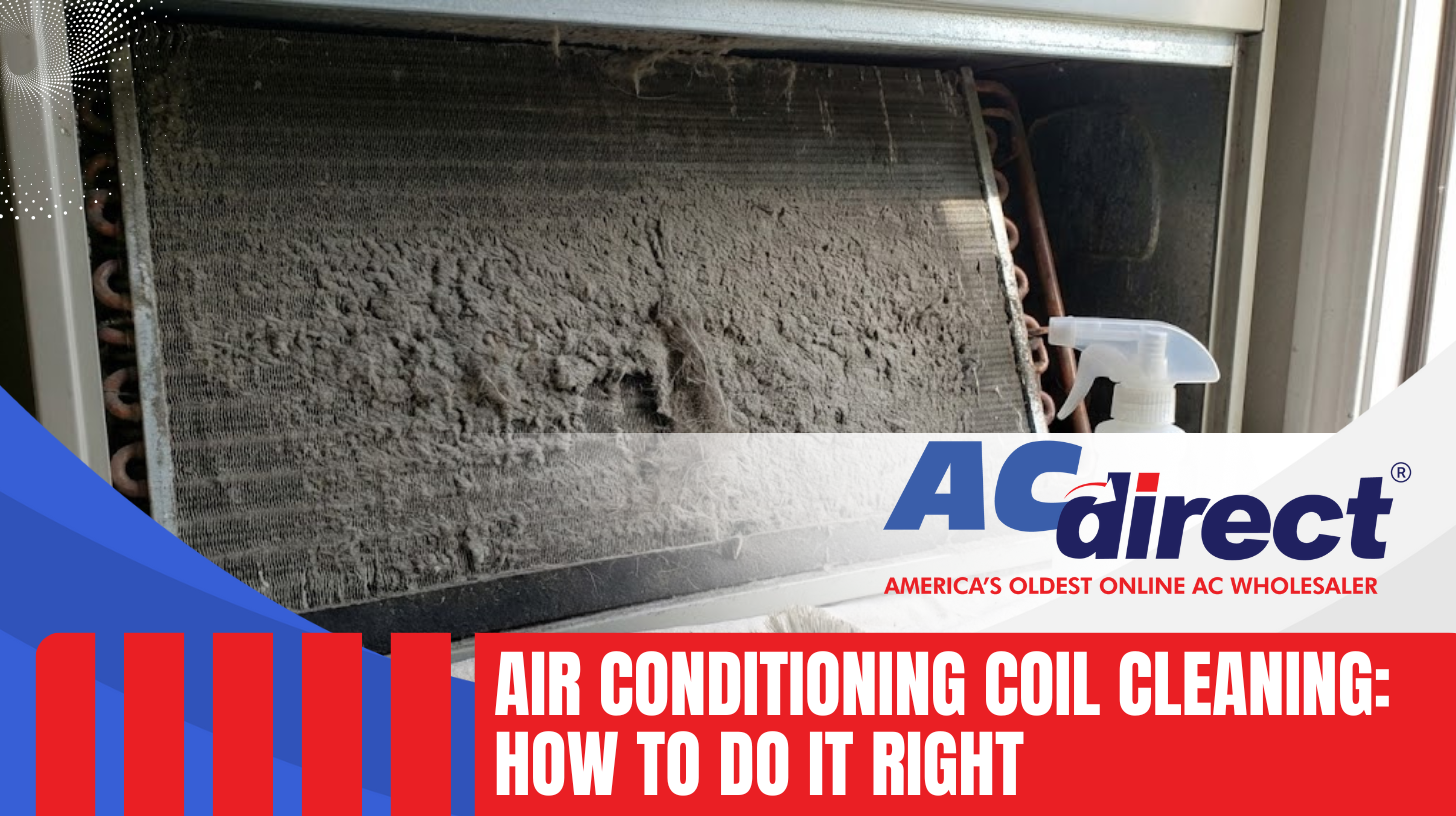
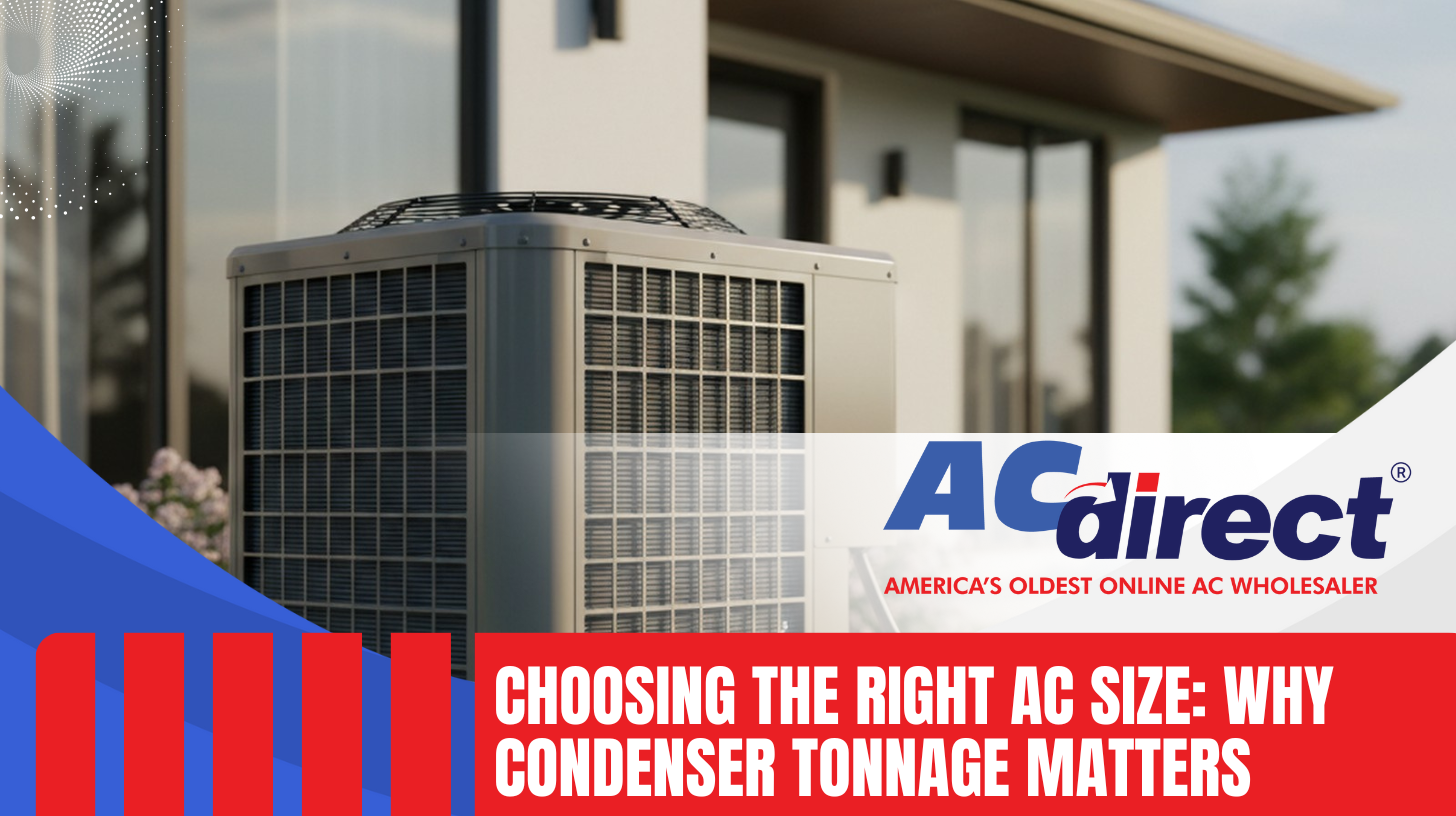
Condenser coils are located in the outdoor unit of your HVAC system. They release the heat that was absorbed by the evaporator coil. Like evaporator coils, condenser coils are also made of copper or aluminum and are designed to maximize heat transfer. They have fins that increase the surface area, allowing for more efficient heat dissipation. However, these fins can easily become clogged with dirt, leaves, and other debris.
Common Issues with Condenser Coils
One of the biggest problems with condenser coils is dirt and debris buildup. Leaves, grass clippings, and other outdoor contaminants can accumulate on the coil, restricting airflow and reducing its ability to release heat. This can cause your system to overheat and potentially damage the compressor. Another issue is physical damage. The fins on the condenser coil are delicate and can be easily bent or damaged, which reduces their effectiveness. I always advise homeowners to keep the area around their outdoor unit clear of obstructions to ensure proper airflow.
Signs Your HVAC Coils Need Attention
There are several signs that indicate your HVAC coils need attention. One of the most obvious is reduced cooling or heating performance. If your system is struggling to maintain the desired temperature, it could be a sign that your coils are dirty or damaged. Another sign is increased energy bills. If you notice a sudden spike in your energy consumption, it could be due to your system working harder to compensate for dirty coils. Unusual noises, such as hissing or bubbling sounds, can also indicate a problem with your coils. These sounds could be a sign of a refrigerant leak or other issues. Reduced airflow from your vents is another key indicator. If you're not getting the same level of airflow as before, it could be due to restricted airflow caused by dirty coils.
How to Inspect Your HVAC Coils
Inspecting your HVAC coils is a straightforward process that you can do yourself. First, turn off the power to your HVAC system to prevent any electrical hazards. Then, locate the evaporator coil, which is usually inside your air handler. Remove the access panel and visually inspect the coil for dirt, dust, and mold. Use a flashlight to get a better view of the coil. Next, inspect the condenser coil, which is located in the outdoor unit. Remove any debris, such as leaves and branches, from around the unit. Then, visually inspect the coil for dirt, damage, and bent fins. If you notice any significant buildup of dirt or damage, it's time to take action. If you are unsure about any of these steps, contact a qualified HVAC technician. It is also a good time to shop around for Air conditioner prices.
Professional HVAC Coil Cleaning vs. DIY
When it comes to cleaning your HVAC coils, you have two options: professional cleaning or DIY. Professional cleaning is more thorough and can address more complex issues, but it's also more expensive. DIY cleaning is a more affordable option, but it requires some knowledge and effort. If you're comfortable working with tools and following instructions, DIY cleaning can be a good option. However, if you're unsure or if your coils are heavily soiled, I recommend hiring a professional. I see a lot of homeowners who try to clean their coils themselves and end up causing more damage. A professional cleaning ensures that the job is done correctly and safely.
DIY Coil Cleaning Steps
If you decide to clean your HVAC coils yourself, here are some steps to follow. First, turn off the power to your HVAC system. Then, remove the access panels to the evaporator and condenser coils. Use a soft brush or vacuum to remove any loose dirt and debris. For more stubborn dirt, you can use a commercial coil cleaner. Be sure to follow the instructions on the cleaner carefully and wear gloves and eye protection. Rinse the coils with water and allow them to dry completely before reassembling the unit. Remember, safety is paramount, so always disconnect the power before starting any cleaning work.
HVAC Coil Cleaning Cost Considerations
The cost of cleaning your HVAC coils can vary depending on several factors, including the type of system you have, the location of the coils, and the extent of the cleaning required. Professional cleaning typically costs between $100 and $400. DIY cleaning, on the other hand, can cost as little as $20 to $50 for cleaning supplies. When deciding whether to hire a professional or do it yourself, consider the potential risks and benefits. A professional cleaning ensures that the job is done correctly and safely, but it comes at a higher cost. DIY cleaning is more affordable, but it requires some knowledge and effort. You should always weigh these factors before making a decision.
When to Repair vs. Replace HVAC Coils
Knowing when to repair or replace your HVAC coils is essential for maintaining the efficiency and reliability of your system. If your coils have minor damage, such as small leaks or bent fins, repair may be a viable option. However, if the damage is extensive or if the coils are old and corroded, replacement may be the better choice. I usually advise homeowners to consider the age of their system and the cost of the repair when making this decision. If your system is more than 10 years old and the repair cost is significant, it may be more cost-effective to replace the entire system.
Factors Affecting HVAC Coil Replacement Costs
The cost of replacing your HVAC coils can vary depending on several factors. One of the biggest factors is the type of coil. Evaporator coils tend to be more expensive than condenser coils due to their location inside the air handler. Another factor is the brand and quality of the coil. Higher-quality coils may cost more upfront, but they can also last longer and perform more efficiently. The labor cost for installation can also vary depending on the complexity of the job and the location of the coils. Before replacing your coils, it's a good idea to get quotes from multiple HVAC contractors to ensure you're getting a fair price.
Choosing the Right Replacement HVAC Coil
When choosing a replacement HVAC coil, there are several factors to consider. First, make sure the coil is compatible with your existing system. Check the manufacturer's specifications to ensure that the coil is the correct size and type for your unit. Second, consider the quality of the coil. Look for coils made from durable materials, such as copper or aluminum, and that have a good warranty. Third, consider the efficiency of the coil. Look for coils with a high SEER (Seasonal Energy Efficiency Ratio) rating, as these will provide better energy savings over time. I recommend consulting with an HVAC professional to help you choose the right replacement coil for your system.
Tips for Preventing HVAC Coil Problems
Preventing HVAC coil problems is key to maintaining the efficiency and longevity of your system. One of the most important things you can do is to schedule regular maintenance. This includes cleaning the coils, inspecting the system for leaks, and checking the refrigerant level. Another tip is to keep the area around your outdoor unit clear of obstructions. Remove any leaves, branches, or other debris that could restrict airflow. Additionally, change your air filters regularly. Dirty air filters can restrict airflow and cause your system to work harder, which can lead to coil problems. Finally, consider installing a UV light in your air handler. UV lights can help kill mold and bacteria, which can accumulate on the coils and reduce their efficiency. You may also find helpful energy saving tips from your local utility, such as Cowlitz PUD.
The Link Between HVAC Coils and Air Quality
Your HVAC coils play a significant role in the air quality of your home. When coils are dirty, they can harbor mold, bacteria, and other allergens, which can then be circulated throughout your home. This can lead to respiratory problems, allergies, and other health issues. Clean coils, on the other hand, help improve air quality by preventing the buildup of these contaminants. Regular cleaning and maintenance of your HVAC coils can help create a healthier indoor environment for you and your family. I often advise homeowners with allergies or respiratory issues to pay special attention to the cleanliness of their HVAC coils.
Extending the Life of Your HVAC System Coils
Extending the life of your HVAC system coils is a cost-effective way to save money on repairs and replacements. Regular maintenance is the key to prolonging the lifespan of your coils. This includes cleaning the coils, inspecting the system for leaks, and checking the refrigerant level. Additionally, avoid using harsh chemicals when cleaning the coils, as these can damage the materials. Finally, address any issues promptly. If you notice any signs of a problem, such as reduced performance or unusual noises, contact an HVAC professional right away. By taking these steps, you can help ensure that your HVAC coils last for many years to come.
Frequently Asked Questions
What is the main function of the evaporator coil in my AC system?
The evaporator coil's main job is to pull heat out of the air inside your house, which cools the air before it gets sent back through your vents. It's filled with a refrigerant that turns into a gas as it absorbs heat.
How often should I have my HVAC coils professionally cleaned?
It's a good idea to get your HVAC coils professionally cleaned every 1 to 3 years. How often depends on things like how clean your home is, if you have pets, and the general air quality in your area. Regular cleaning keeps your system running well and helps it last longer.
What are some signs that my HVAC coils might be frozen?
If your HVAC coils are frozen, you might notice that the airflow from your vents is weak, there's ice on the outdoor unit, or you hear a hissing sound. Frozen coils can mean there's a refrigerant leak, a problem with airflow, or the compressor isn't working right.
Can dirty HVAC coils really increase my energy bills?
Yes, they certainly can. When your coils are dirty, your HVAC system has to work harder to cool or heat your home. This extra work uses more energy, which means higher utility bills.
What is the typical lifespan of an HVAC coil?
If you take good care of them, HVAC coils can last about 10 to 15 years. But things like corrosion, leaks, and not cleaning them can make them wear out faster.
Final Thoughts
HVAC system coils are a critical part of your home's heating and cooling system. Keeping them clean and well-maintained is essential for ensuring optimal performance, energy efficiency, and air quality. Whether you choose to clean your coils yourself or hire a professional, taking the time to care for them will pay off in the long run.
I hope this information has been helpful in understanding the importance of HVAC system coil maintenance. By following these tips, you can extend the life of your system, lower your energy bills, and enjoy a more comfortable home. Always remember to prioritize safety and consult with a qualified HVAC technician when needed.
At AC Direct, we're committed to providing you with the knowledge and resources you need to make informed decisions about your HVAC system. If you have any further questions or need assistance with your HVAC needs, please don't hesitate to reach out. We're here to help you create a comfortable and efficient home environment.