

Troubleshooting Common Carrier Indoor Unit Parts Issues
-
 By
Michael Haines
By
Michael Haines
- Oct 29, 2025

Hi, I'm Mike Haines, founder of AC Direct. If you're a homeowner or small business owner dealing with issues in your Carrier indoor unit, you've come to the right place. This information is designed to help you understand the common problems you might encounter with your Carrier HVAC system, how to troubleshoot them, and when it's time to call a professional. Let's get started so you can keep your system running efficiently.
- Learn about the key components of your Carrier indoor unit, including the blower motor, evaporator coil, and condensate drain.
- Identify common problems with Carrier indoor unit parts such as noisy blower motors, frozen evaporator coils, and clogged condensate drains.
- Understand basic troubleshooting steps you can take to address these issues and maintain your unit.
- Know when it's necessary to call a qualified HVAC technician for professional service.
- Learn how to find the correct replacement parts for your Carrier indoor unit and make informed purchasing decisions.
What is a Carrier Indoor Unit and Why is it Important?
The indoor unit of your Carrier air conditioning system is a crucial part of maintaining a comfortable and healthy environment in your home or business. It works in conjunction with the outdoor unit to circulate air, regulate temperature, and control humidity. Without a properly functioning indoor unit, your entire HVAC system's performance suffers, leading to increased energy bills and potential discomfort.
Key Components of Your Carrier Indoor Unit
To effectively troubleshoot issues, it's helpful to understand the main components of your Carrier indoor unit:
- Blower Motor: Circulates air throughout your home.
- Evaporator Coil: Cools the air as refrigerant passes through it.
- Drain Pan and Condensate Line: Collect and remove condensation produced during the cooling process.
- Air Filter: Cleans the air by trapping dust, pollen, and other particles.
- Control Board: The central electronic component that manages the system's operation.
Understanding Your Blower Motor: The Heart of Airflow
The blower motor is responsible for moving air across the evaporator coil and through your ductwork. It's a critical component for both heating and cooling. A malfunctioning blower motor can result in poor airflow, uneven temperatures, and a complete lack of heating or cooling. A properly sized unit is essential for your home. You can determine your needs with an Ac sizing.
The Role of the Evaporator Coil in Cooling
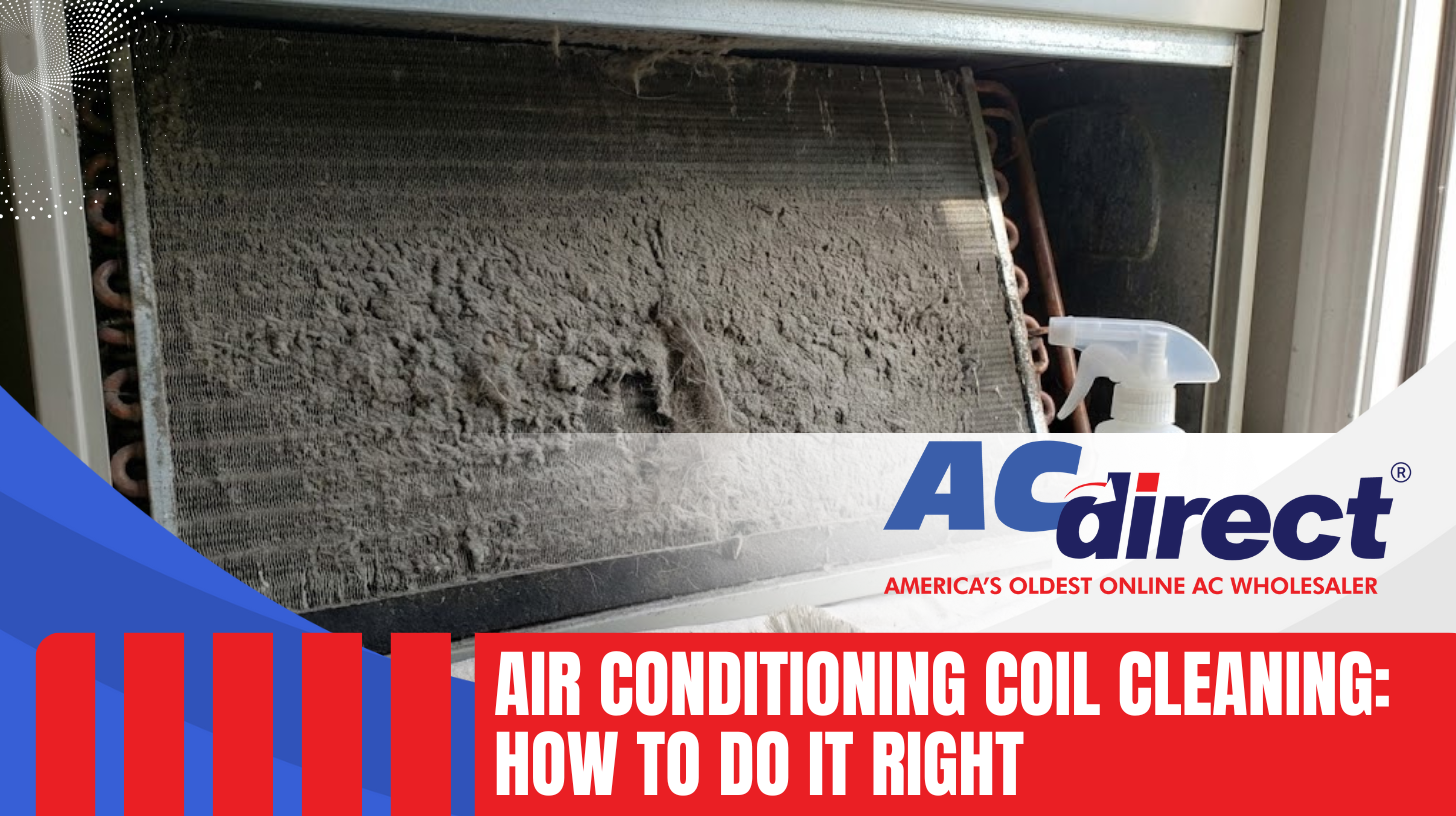
The evaporator coil is where the refrigerant absorbs heat from the air, cooling it down before it's circulated throughout your home. If the evaporator coil isn't functioning correctly due to leaks, ice buildup, or dirt accumulation, your system's cooling capacity will be significantly reduced. If you're replacing an AC, consider the benefits of an Ac furnace combo.
Drain Pans and Condensate Lines: Preventing Water Damage
As the evaporator coil cools the air, condensation forms. The drain pan collects this moisture, and the condensate line directs it away from the unit. A clogged condensate line can lead to water overflow, potentially causing damage to your home and fostering mold growth. Regular maintenance of this system is essential.
Air Filters: Protecting Your System and Improving Air Quality
The air filter's primary purpose is to trap dust, pollen, and other airborne particles, preventing them from entering the indoor unit and circulating through your home. A clean air filter also helps maintain optimal airflow across the evaporator coil, improving the system's efficiency and prolonging its lifespan. Many homeowners don't realize how critical this simple part is to their overall system's health.
Recognizing Common Problems with Carrier Indoor Unit Parts
Several issues can arise with Carrier indoor unit parts. Here are some common signs that something might be wrong:
- Unusual noises coming from the unit
- Reduced airflow
- Inadequate cooling or heating
- Water leaks around the unit
- Foul odors
Troubleshooting a Noisy Blower Motor
A noisy blower motor can indicate several problems. It could be a sign of worn bearings, a loose blower wheel, or debris lodged in the blower assembly. Start by turning off the unit and inspecting the blower wheel for any obstructions. If the noise persists, the bearings may need lubrication or the motor may need replacement. If you're not comfortable working with electrical components, call a professional.
Addressing a Frozen Evaporator Coil
A frozen evaporator coil is often caused by restricted airflow. This could be due to a dirty air filter, blocked return vents, or a malfunctioning blower motor. Check and replace the air filter first. Ensure that all vents are open and unobstructed. If the coil remains frozen, there may be a refrigerant leak or another underlying issue that requires professional attention.
Dealing with a Clogged Condensate Drain
A clogged condensate drain can cause water to back up and overflow from the drain pan. You can try clearing the clog yourself using a wet/dry vacuum or a stiff wire. Locate the end of the drain line (usually outside the house) and try to suck out the blockage with the vacuum. Alternatively, carefully insert the wire into the drain line to dislodge any debris. If you're unable to clear the clog, contact an HVAC technician.
Maintaining Your Carrier Indoor Unit for Optimal Performance
Regular maintenance is key to preventing problems and extending the life of your Carrier indoor unit.
Regular Cleaning and Filter Replacement
Clean the area around the indoor unit regularly to prevent dust and debris from accumulating. Most importantly, replace the air filter every 1-3 months, or more frequently if you have pets or allergies. A clean filter improves airflow and air quality.
Professional Maintenance: When to Call an HVAC Technician
While some maintenance tasks can be done yourself, it's important to schedule professional maintenance at least once a year. A qualified HVAC technician can inspect your system for potential problems, clean the coils, check refrigerant levels, and ensure that all components are functioning properly. Regular professional maintenance can save you money in the long run by preventing costly repairs. Check with the Florida PSC to make sure you have a licensed professional working on your equipment.
Finding Replacement Parts for Your Carrier Indoor Unit
If a component of your Carrier indoor unit needs to be replaced, it's crucial to find the correct replacement part.
Identifying the Correct Part Number
The best way to ensure you're ordering the right part is to locate the model and serial number of your Carrier indoor unit. This information is typically found on a sticker on the unit itself. Once you have the model number, you can search for compatible parts online or at an HVAC supply store. Contacting AC Direct with your model number is a great way to ensure you get the right part. Finding reliable Ac unit suppliers can be difficult, so AC Direct strives to make it easy for you.
Purchasing Genuine Carrier Parts vs. Aftermarket Options
While aftermarket parts may be cheaper, I usually recommend using genuine Carrier parts whenever possible. Genuine parts are designed specifically for your unit and are more likely to provide optimal performance and longevity. Aftermarket parts may not meet the same quality standards and could potentially damage your system. Keep in mind that using aftermarket parts can void your warranty.
The Cost of Carrier Indoor Unit Parts and Repairs
The cost of Carrier indoor unit parts can vary depending on the specific component and where you purchase it. Blower motors and evaporator coils tend to be among the more expensive parts. Labor costs for repairs will also vary depending on the complexity of the job and the rates charged by your local HVAC technician. Getting several estimates can help you find the best price.
DIY Repairs vs. Professional Service Costs
While some minor repairs, such as replacing an air filter or clearing a clogged condensate line, can be done yourself, more complex repairs should be left to a professional. Attempting to repair electrical components or refrigerant lines without the proper training and tools can be dangerous and could potentially damage your system. Factor in the cost of parts, tools, and your time when deciding whether to DIY or hire a professional.
Warranty Considerations for Carrier Parts
Be sure to check the warranty on your Carrier indoor unit and any replacement parts. Using non-genuine parts or improper installation could void the warranty. Understand the terms of your warranty before attempting any repairs yourself. It's also a good idea to keep records of all maintenance and repairs performed on your system.
Extending the Life of Your Carrier Indoor Unit
Proper maintenance, timely repairs, and using quality replacement parts are key to extending the life of your Carrier indoor unit. By following the tips outlined , you can help ensure that your system provides reliable and efficient performance for years to come.
Frequently Asked Questions
What are the most common parts that need replacing in a Carrier indoor unit?
The parts that are most often replaced in Carrier indoor units include air filters, blower motors, and sometimes the evaporator coil or condensate pump. These parts tend to wear out over time and require replacement.
How often should I replace the air filter in my Carrier indoor unit?
It's best to replace your air filter every 1-3 months. How often depends on the type of filter you use, whether you have pets, and the air quality where you live. Check your filter monthly and replace it when it looks dirty.
Can I replace the blower motor in my Carrier indoor unit myself?
Replacing a blower motor is somewhat complex and involves electrical work. If you're comfortable and experienced with electrical tasks and have the right tools, you might be able to do it yourself. However, for safety and to ensure proper installation, I usually recommend hiring a qualified HVAC technician.
What does it mean if my Carrier indoor unit is making a loud rattling noise?
A loud rattling noise could mean that something is loose, the blower wheel is damaged, or there's debris caught in the blower assembly. It's a good idea to turn off the unit and inspect it carefully. If you can't identify the problem, contact a professional for help.
Why is my Carrier indoor unit leaking water?
Water leaks are often due to a clogged condensate drain line. This can cause water to back up and overflow from the drain pan. Clearing the clog yourself or having a professional inspect and clean the drain line is usually the solution.
How can I find the correct replacement parts for my Carrier indoor unit?
The best way to find the right parts is to find the model and serial number of your Carrier indoor unit. This information is usually on a sticker on the unit. Use this information to search for compatible parts online or at an HVAC supply store. You can also contact AC Direct with your model number, and we can help you find the right part.
Final Thoughts
Understanding the components of your Carrier indoor unit and how to troubleshoot common problems can save you time and money. While some maintenance tasks can be handled yourself, it's essential to know when to call a professional for more complex repairs. By staying proactive with maintenance and addressing issues promptly, you can extend the life of your unit and maintain a comfortable indoor environment.
Remember, regular maintenance, using genuine Carrier parts when possible, and seeking professional help when needed are all important aspects of keeping your HVAC system running smoothly. Don't hesitate to contact AC Direct if you need help finding the right parts or connecting with a qualified HVAC technician. Making informed decisions is key to ensuring your home comfort.