

Understanding Carrier Inside Unit Parts: A Homeowner's Overview
-
 By
Michael Haines
By
Michael Haines
- Oct 30, 2025

Hi, I'm Mike Haines, founder of AC Direct. Many homeowners don't give a second thought to their HVAC system until something goes wrong. The outside unit often gets all the attention, but the inside unit is just as crucial for keeping your home comfortable. This overview will help you understand the key components of your Carrier inside unit, how to maintain it, and what to do when problems arise. This information is for homeowners like you, not HVAC technicians, so I'll keep it straightforward and easy to understand.
- Carrier inside units contain vital components like the evaporator coil, blower motor, and air filter, all working together to heat or cool your home.
- Regular maintenance, especially changing the air filter, can significantly extend the life of your unit and prevent costly repairs.
- Understanding common issues can help you troubleshoot basic problems, but complex repairs should always be handled by a qualified HVAC professional.
- Knowing your unit's model number is essential when ordering replacement parts or seeking warranty service.
- Being proactive with maintenance and addressing issues promptly can save you money and ensure consistent comfort in your home.
What is a Carrier Inside Unit?
The Carrier inside unit, often called an air handler or fan coil, is a critical part of your home's heating and cooling system. It's typically located in your attic, basement, or a closet. Its job is to circulate air throughout your home, either heating or cooling it depending on the season. The inside unit works in conjunction with the outside unit (the condenser) to provide complete climate control. The inside unit houses several key components that I'll explain in more detail.
Key Components of a Carrier Inside Unit
Your Carrier inside unit has several important parts. Understanding these parts will help you diagnose problems and communicate effectively with your HVAC technician.
- Evaporator Coil: This is where the refrigerant absorbs heat from the air, cooling it down.
- Blower Motor: The blower motor drives the fan that circulates air across the evaporator coil and through your ductwork.
- Air Filter: This filter traps dust, pollen, and other particles to keep the air clean and protect the components of your system.
- Electronic Control Board: The "brain" of the unit, the control board manages the operation of various components.
- Drain Pan: This pan collects condensation from the evaporator coil and directs it to a drain line.
These components work together to ensure your home stays comfortable year-round. Knowing what each part does can help you identify potential issues.
Why Understanding Your Inside Unit Matters
Understanding your Carrier inside unit empowers you to take better care of your HVAC system. When you know the basics, you can perform simple maintenance tasks yourself, recognize potential problems early, and communicate more effectively with HVAC professionals. This knowledge can save you money on repairs and extend the life of your system. Plus, you might consider a Glxs4ba3010 for your home if you have an older unit that's nearing the end of its lifespan.
Common Issues and Troubleshooting
Several common issues can affect Carrier inside units. Knowing how to troubleshoot these problems can save you time and money. Here are a few examples:
- No Airflow: This could be due to a tripped breaker, a faulty blower motor, or a clogged air filter. Check the filter first, and then inspect the breaker.
- Weak Airflow: A dirty air filter is often the culprit here. Replacing the filter can often restore airflow.
- Loud Noises: Unusual noises can indicate a loose blower motor, debris in the blower wheel, or a refrigerant leak.
- Water Leaks: A clogged drain line is a common cause of water leaks. You can try clearing the line yourself, but be careful not to damage anything.
Remember, if you're not comfortable working on your HVAC system, it's always best to call a qualified technician.
Essential Maintenance for Carrier Inside Units
Regular maintenance is crucial for keeping your Carrier inside unit running smoothly and efficiently. Here are some essential maintenance tasks:
- Change the Air Filter Regularly: This is the most important thing you can do to maintain your system. I generally recommend changing it every 1 to 3 months, depending on usage and air quality.
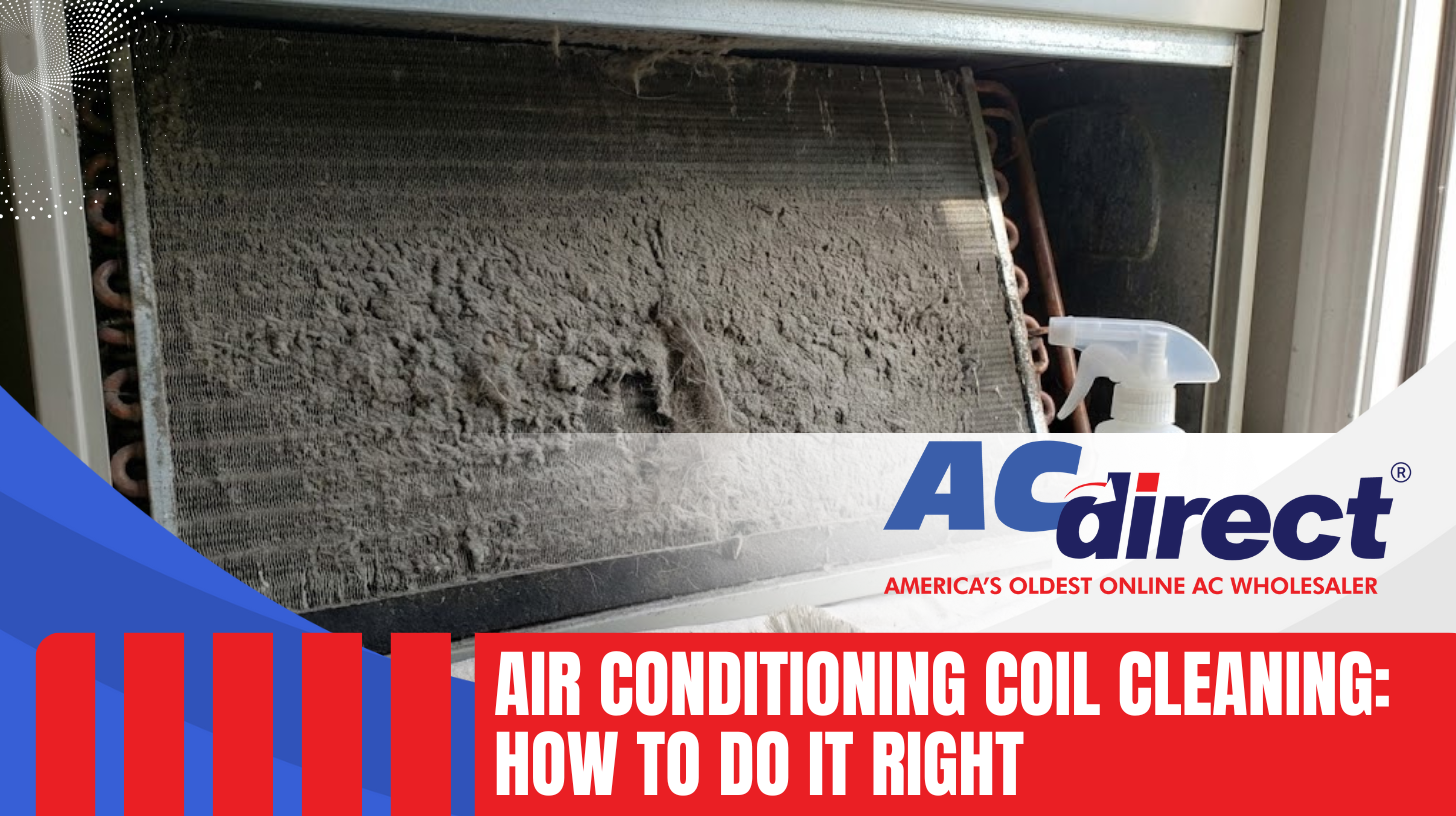
- Clean the Evaporator Coil: A dirty coil can reduce efficiency and cause the system to freeze up. Have a professional clean it periodically.
- Check the Drain Line: Make sure the drain line is clear and free of obstructions.
- Inspect the Blower Motor: Check for any signs of wear or damage. Lubricate the motor if necessary (refer to your owner's manual).
- Schedule Professional Maintenance: Have a qualified HVAC technician inspect your system annually to identify and address potential problems.
Consistent maintenance can prevent many common issues and extend the lifespan of your unit. Plus, remember to shop Discount ac units if you are trying to save money.
When to Call a Professional
While some maintenance tasks are homeowner-friendly, certain repairs should always be handled by a qualified HVAC professional. These include:
- Refrigerant Leaks: Handling refrigerant requires specialized equipment and training.
- Electrical Repairs: Working with electrical components can be dangerous.
- Blower Motor Replacement: Replacing a blower motor can be complex and requires specialized knowledge.
- Control Board Issues: Diagnosing and repairing control board problems requires technical expertise.
If you're unsure whether you can handle a repair yourself, it's always best to err on the side of caution and call a professional. I see a lot of homeowners try to fix complex issues themselves and end up causing more damage.
Choosing the Right Replacement Parts
When you need to replace parts in your Carrier inside unit, it's essential to choose the right ones. Using the wrong parts can damage your system and void your warranty. Here are some tips for choosing replacement parts:
- Use OEM Parts: Original Equipment Manufacturer (OEM) parts are designed specifically for your unit and will ensure proper fit and performance.
- Know Your Model Number: The model number is essential for ordering the correct parts. You can usually find it on a sticker or nameplate on the unit itself.
- Buy from a Reputable Supplier: Purchase parts from a trusted supplier like Air conditioning direct to ensure you're getting quality products.
- Consult with a Professional: If you're unsure which parts you need, consult with an HVAC technician.
Understanding Warranty Coverage
Your Carrier inside unit likely came with a warranty that covers certain parts and repairs. It's important to understand the terms of your warranty so you know what's covered and what's not. Be sure to register your unit with Carrier to activate the warranty. Keep your proof of purchase handy, as you'll need it to file a claim. Also, improper maintenance or repairs can void your warranty. Be sure to follow Carrier's recommendations for maintenance and repairs. You can verify a contractor's license and insurance at the Georgia PSC.
Cost Considerations for Parts and Repairs
The cost of Carrier inside unit parts and repairs can vary depending on the specific part, the complexity of the repair, and the labor rates in your area. Here are some general cost considerations:
- Air Filters: Air filters are relatively inexpensive and should be replaced regularly.
- Blower Motors: Blower motor replacement can be more expensive, depending on the type of motor and the labor involved.
- Evaporator Coils: Evaporator coil replacement is a major repair that can be quite costly.
- Labor Rates: Labor rates vary depending on the HVAC contractor and your location.
Get estimates from multiple contractors before authorizing any major repairs. This will help you ensure you're getting a fair price.
Tips for Extending the Life of Your Inside Unit
Here are some final tips for extending the life of your Carrier inside unit:
- Regular Maintenance: As I've emphasized, regular maintenance is key.
- Prompt Repairs: Address problems promptly to prevent them from escalating.
- Proper Ventilation: Ensure proper ventilation in the room where the unit is located.
- Avoid Overloading the System: Don't set the thermostat too low in the summer or too high in the winter.
- Consider a Surge Protector: A surge protector can protect the electronic components from power surges.
Frequently Asked Questions
What are the most common reasons a Carrier inside unit fails?
Common causes include a dirty air filter restricting airflow, a frozen evaporator coil, refrigerant leaks which reduce cooling capacity, blower motor failure preventing air circulation, and issues with the electronic control board which manages system operations. Regular maintenance can help prevent these problems.
How often should I change the air filter in my Carrier inside unit?
Generally, you should change your air filter every 1-3 months, depending on how often you use your system and the air quality in your home. Check it monthly and replace it when it appears dirty. A clogged filter restricts airflow and reduces efficiency, causing your system to work harder.
What does it mean if my Carrier inside unit is making a loud noise?
Loud noises can indicate various issues. It could be a loose blower motor causing vibration, debris in the blower wheel creating a rattling sound, or a refrigerant leak which might produce a hissing noise. It's best to consult a qualified HVAC technician to diagnose and repair the problem to avoid further damage.
Can I replace Carrier inside unit parts myself?
While some minor maintenance tasks like changing the air filter are something you can easily do yourself, more complex repairs involving refrigerant, electrical components, or mechanical parts should be handled by a licensed HVAC professional. This ensures safety and proper system operation, and prevents accidental damage or voiding the warranty.
How can I find the model number for my Carrier inside unit?
The model number is typically located on a sticker or nameplate on the inside unit itself. It's often found on the cabinet or near the blower compartment. This number is essential for ordering replacement parts, looking up technical specifications, or requesting warranty service.
Final Thoughts
Understanding the various Carrier inside unit parts and how they function together is key to ensuring a comfortable and efficient home environment. By performing regular maintenance, addressing issues promptly, and knowing when to call a professional, you can extend the life of your unit and save money on costly repairs. Make informed decisions about your HVAC system to keep your home comfortable for years to come.