

Troubleshooting Common Carrier Unit Parts Failures
-
 By
Michael Haines
By
Michael Haines
- Nov 1, 2025

Hi, I'm Mike Haines, founder of AC Direct. If you're a homeowner or small business owner dealing with a malfunctioning Carrier HVAC system, you're probably looking for information on troubleshooting and finding the right replacement parts. This information is designed to help you understand your Carrier system better, identify potential problems, and decide whether to tackle repairs yourself or call in a professional.
- Understand common failure points in Carrier HVAC systems to diagnose issues effectively.
- Learn the importance of using genuine Carrier replacement parts for performance and warranty coverage.
- Determine when a DIY repair is appropriate and when it's best to call a qualified HVAC technician.
- Explore online and local options for purchasing Carrier unit parts.
- Implement regular maintenance to extend the life of your Carrier system and prevent future problems.
Understanding Carrier HVAC Systems
Carrier is a well-known brand in the HVAC industry, known for producing reliable and efficient heating and cooling systems. These systems are complex, with many components working together to maintain a comfortable indoor environment. Understanding the basics of your Carrier system, including its type (air conditioner, heat pump, furnace), model, and age, is the first step in addressing any issues. Knowing the Air conditioner tonnage calculator can also help you understand the system's overall efficiency.
Why Use Genuine Carrier Replacement Parts?
When a part fails in your Carrier HVAC system, you'll be faced with a choice: use a genuine Carrier replacement part or opt for an aftermarket alternative. I always recommend using genuine Carrier parts. Here's why:
- Compatibility: Genuine parts are designed specifically for your Carrier system, ensuring a perfect fit and optimal performance.
- Reliability: These parts meet Carrier's strict quality standards, offering greater reliability and a longer lifespan.
- Warranty: Using non-genuine parts can sometimes void your system's warranty.
While aftermarket parts might seem cheaper upfront, they can end up costing you more in the long run due to reduced efficiency, increased repair frequency, and potential damage to other components.
Identifying the Specific Part You Need
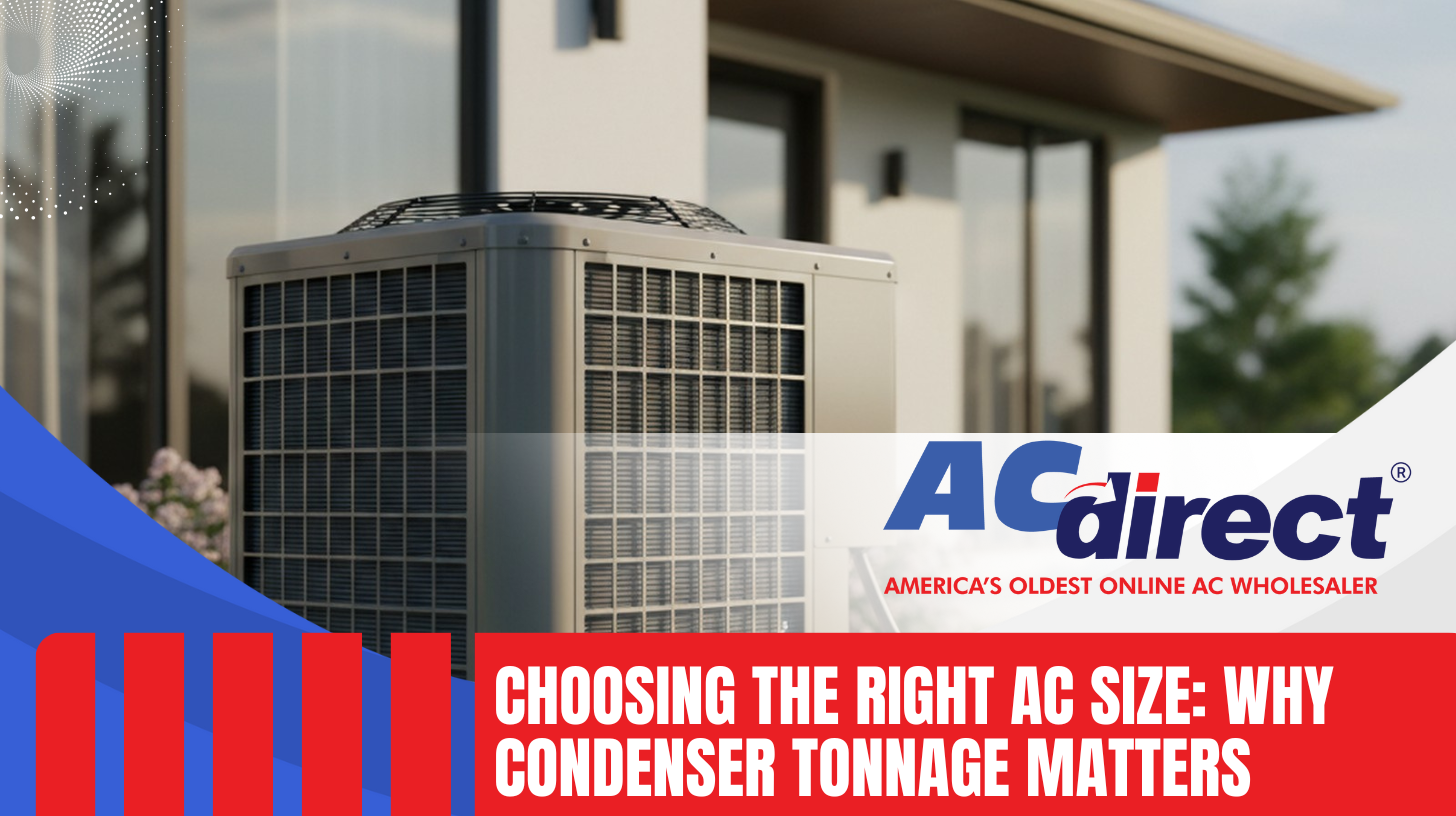
Accurately identifying the faulty part is crucial for a successful repair. Start by consulting your system's owner's manual, which often includes diagrams and part lists. The model number of your Carrier unit is essential for finding compatible parts. This number can usually be found on a data plate located on the unit itself. Don't guess; using the wrong part can cause further damage. A system that is correctly sized can also improve performance, you may want to consider a What size ac do i need.
Where to Buy Carrier Unit Parts Online vs. Local
You have two primary options for purchasing Carrier unit parts: online retailers and local HVAC supply stores. Online retailers, like AC Direct, offer a wider selection, competitive pricing, and the convenience of home delivery. Local stores provide immediate access to parts and the opportunity to speak with knowledgeable staff. I find that many homeowners prefer the convenience and selection of online shopping, but it's important to choose a reputable supplier that sells genuine Carrier parts.
Common Carrier HVAC Parts and Their Functions
Here are some of the most common Carrier HVAC parts and their functions:
- Compressor: The heart of the air conditioner, responsible for compressing refrigerant.
- Condenser Coil: Dissipates heat from the refrigerant.
- Evaporator Coil: Absorbs heat from the indoor air.
- Blower Motor: Circulates air throughout your home.
- Capacitor: Provides the electrical boost needed to start motors.
- Contactor: An electrical switch that controls power to the compressor and fan motor.
- Refrigerant: The fluid that absorbs and releases heat.
- Air Filter: Removes dust and other particles from the air.
Troubleshooting Common Carrier HVAC Problems
Many HVAC problems can be traced to specific part failures. Here are some common issues and their potential causes:
- AC not cooling: Could be a faulty compressor, low refrigerant, a dirty condenser coil, or a malfunctioning capacitor.
- Furnace not heating: May be a problem with the gas valve, igniter, flame sensor, or blower motor.
- Unit cycling on and off frequently: Often caused by a dirty air filter, an oversized unit, or a refrigerant leak.
- Unusual noises: Could indicate a failing motor, a loose fan blade, or a refrigerant leak.
- Water leaks: May be a clogged condensate drain line or a damaged drain pan.
If you notice any of these problems, it's important to investigate promptly to prevent further damage.
DIY Repairs vs. Hiring a Professional
Some HVAC repairs are relatively simple and can be tackled by homeowners with basic mechanical skills. Replacing an air filter, cleaning a condenser coil, or clearing a condensate drain line are examples of DIY-friendly tasks. However, more complex repairs involving electrical components, refrigerant, or gas lines should always be left to a qualified HVAC technician. Working with refrigerant requires EPA certification, and improper handling can be dangerous and illegal. Consider the size of your home and if your system is sized appropriately 4 ton ac unit square footage if you are experiencing any issues.
The Cost of Carrier Unit Parts and Repairs
The cost of Carrier unit parts varies depending on the part itself, its complexity, and where you purchase it. Expect to pay more for genuine Carrier parts than for aftermarket alternatives. Labor costs for professional repairs can also vary depending on the technician's hourly rate and the complexity of the job. Get quotes from multiple technicians before committing to a repair. Keep in mind that while saving money is important, quality workmanship and reliable parts are crucial for long-term system performance.
Maintenance Tips to Extend the Life of Your Carrier System
Regular maintenance is key to extending the life of your Carrier HVAC system and preventing costly repairs. Here are some essential maintenance tasks:
- Change your air filter regularly: A dirty air filter restricts airflow and can cause your system to work harder, reducing efficiency and lifespan. I recommend checking your filter monthly and replacing it every 1-3 months.
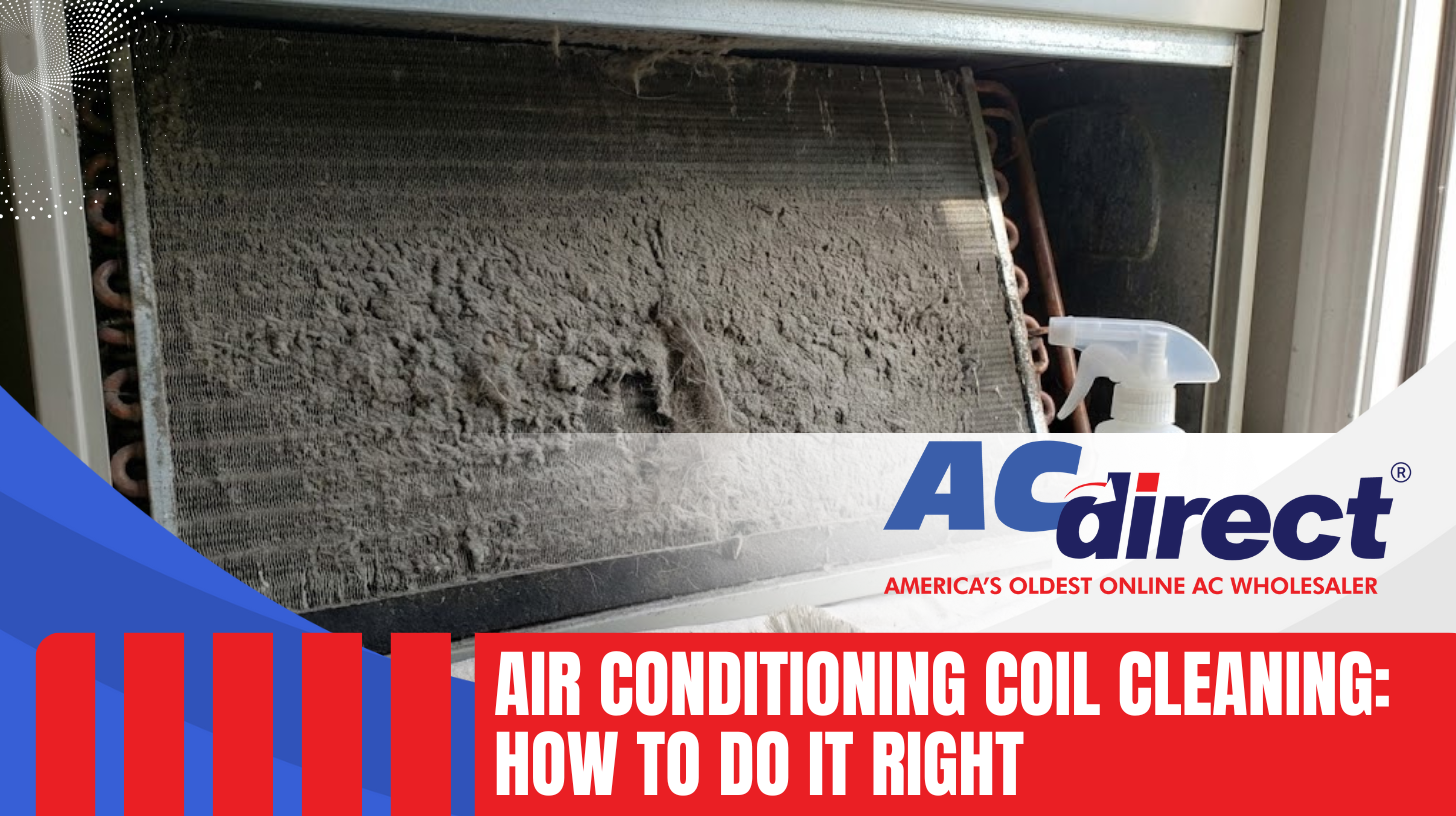
- Clean the condenser coil: A dirty condenser coil reduces the system's ability to dissipate heat. Clean it annually with a garden hose and a fin comb.
- Schedule annual professional maintenance: A qualified HVAC technician can inspect your system, identify potential problems, and perform necessary tune-ups.
- Keep the area around the outdoor unit clear: Remove any vegetation or debris that could obstruct airflow.
Warranty Considerations for Carrier Parts
Carrier HVAC systems typically come with a manufacturer's warranty that covers certain parts and labor for a specified period. The warranty period can vary depending on the model and the specific part. Keep your system's warranty information in a safe place, and be sure to register your system with Carrier to activate the warranty. Using non-genuine parts or improper installation can void your warranty, so it's important to follow Carrier's guidelines. You can also check with resources like the Idaho Public Utilities Commission for consumer protection information.
Frequently Asked Questions
How do I find the model number of my Carrier HVAC unit?
The model number is typically located on a data plate on the unit. For outdoor units, it's usually on the side. For indoor units, check inside the access panel or on the unit's exterior.
What are the risks of using aftermarket parts in my Carrier system?
Aftermarket parts may not meet Carrier's specifications and could reduce performance, efficiency, or even damage your system. They can also void your warranty.
Can I replace a Carrier HVAC part myself?
Simple parts like air filters are homeowner-replaceable. However, more complex repairs involving electrical components, refrigerant, or gas lines should always be performed by a qualified HVAC technician.
How can I tell if a Carrier part is still under warranty?
You'll need the model and serial number of your unit. Contact Carrier directly or your HVAC dealer to check your warranty status. Keep records of installation dates and maintenance.
What are some signs that my Carrier HVAC unit needs a new part?
Unusual noises, decreased cooling or heating performance, inconsistent temperatures, leaks, and frequent cycling are all signs that a part may be failing.
Final Thoughts
Troubleshooting Carrier unit parts failures doesn't have to be a daunting task. By understanding your system, identifying the right parts, and knowing when to call a professional, you can keep your HVAC system running smoothly and efficiently. Remember, regular maintenance is crucial for preventing problems and extending the life of your equipment.
I always advise homeowners to carefully consider their options and choose genuine Carrier replacement parts whenever possible. While the initial cost may be higher, the long-term benefits of improved performance, increased reliability, and warranty protection make it a worthwhile investment.
Take your time, do your research, and make informed decisions. A well-maintained Carrier system will provide years of reliable comfort for your home or business.