

Cased Coil Air Handler: Is It Right for Your HVAC System?
-
 By
Michael Haines
By
Michael Haines
- Nov 2, 2025

Hi, I'm Mike Haines, founder of AC Direct. Today, I want to talk about cased coil air handlers. Many homeowners and small business owners aren't familiar with this essential component of their HVAC systems. I'll explain what a cased coil is, why it matters, and how to choose the right one for your needs. This information will help you make informed decisions when upgrading or replacing your HVAC system.
- A cased coil air handler is a vital part of your HVAC system, facilitating heat exchange for efficient cooling and heating.
- Choosing the correct size and SEER/HSPF ratings for your cased coil is crucial for optimal performance and energy savings.
- Proper installation and regular maintenance by a qualified HVAC technician are essential for the longevity and efficiency of your cased coil.
- Cased coils offer benefits such as ease of installation, protection of the coil, and improved system efficiency compared to uncased coils.
- Factors like climate, home size, and budget should be considered when determining if a cased coil air handler is the right choice for you.
What is a Cased Coil Air Handler?
A cased coil air handler is an indoor component of a central air conditioning or heat pump system. Its primary function is to facilitate the transfer of heat. The cased coil houses the evaporator coil, which is where the refrigerant absorbs heat from your indoor air during cooling or releases heat during heating. The "casing" is a protective metal cabinet that surrounds the coil. This casing not only protects the coil from physical damage, but also simplifies installation and improves airflow.
Why are Cased Coils Important for Home HVAC Systems?
Cased coils play a critical role in the overall efficiency and performance of your HVAC system. They ensure proper heat exchange, which directly affects your comfort and energy bills. Without a properly functioning cased coil, your system won't be able to effectively cool or heat your home. Cased coils also help to maintain consistent airflow, preventing issues like frozen coils and compressor failure. If you're looking at Mobile home air conditioning units, the principles are the same although the components may be configured differently to suit the space.
Understanding the Components of a Cased Coil
A cased coil consists of several key components:
- Evaporator Coil: This is the heart of the cased coil, made of copper or aluminum tubing with fins to maximize surface area for heat transfer.
- Casing: The metal cabinet that houses and protects the evaporator coil. It's usually made of galvanized steel or aluminum.
- Drain Pan: Collects condensation that forms on the coil during cooling. It's important to keep the drain pan clean to prevent mold and water damage.
- Refrigerant Lines: Connect the evaporator coil to the outdoor unit, allowing refrigerant to flow between the two.
Cased vs. Uncased Coils: What's the Difference?
The main difference between cased and uncased coils is the presence of a protective casing. Cased coils come pre-assembled in a metal cabinet, making them easier to install and less susceptible to damage. Uncased coils, on the other hand, are bare coils without any protective covering. They require a custom-built enclosure or installation within an existing air handler. I often see homeowners choosing cased coils for their ease of installation and added protection.
Matching a Cased Coil to Your Outdoor Unit
Properly matching your cased coil to your outdoor unit (air conditioner or heat pump) is essential for optimal performance and efficiency. The cased coil and outdoor unit must be compatible in terms of size (BTU rating) and refrigerant type. An undersized or oversized coil can lead to reduced cooling or heating capacity, increased energy consumption, and even equipment damage. Always consult with a qualified HVAC technician to ensure a proper match. Remember to verify that your 3.5 ton air conditioner will be compatible with the new coil.
How to Choose the Right Cased Coil: Key Considerations
When selecting a cased coil, consider the following factors:
- Size (BTU Rating): Match the BTU rating of the cased coil to the BTU rating of your outdoor unit. A professional load calculation can help determine the correct size for your home.
- Refrigerant Type: Ensure the cased coil is compatible with the refrigerant used in your outdoor unit (e.g., R-410A or R-32).
- Airflow: Choose a cased coil with an airflow rating that matches the airflow requirements of your furnace or air handler.
- Dimensions: Make sure the cased coil will physically fit within your existing air handler or furnace cabinet.
- Warranty: Look for a cased coil with a comprehensive warranty to protect against defects and premature failure.
SEER and HSPF Ratings: Efficiency and Cased Coils
While cased coils don't have their own SEER (Seasonal Energy Efficiency Ratio) or HSPF (Heating Seasonal Performance Factor) ratings, they play a role in the overall efficiency of your system. A properly matched and well-maintained cased coil can help your system achieve its rated SEER and HSPF. A dirty or damaged coil, on the other hand, can reduce efficiency and increase energy bills. Also, keep in mind that some states and local utilities offer rebates for high-efficiency HVAC systems, which can help offset the initial cost. You can often find information on these programs from resources such as the Illinois Commerce Commission.
Cased Coil Air Handler Installation: What to Expect
Installing a cased coil involves several steps:
- Disconnecting the old coil: The technician will safely disconnect the existing coil and refrigerant lines.
- Preparing the installation site: The technician will clean the area and ensure the new coil will fit properly.
- Connecting the new coil: The technician will connect the new coil to the refrigerant lines and drain line.
- Recharging the refrigerant: The technician will recharge the system with the correct amount of refrigerant.
- Testing the system: The technician will test the system to ensure it's working properly.
Important: Only a licensed HVAC technician should install a cased coil. Improper installation can void warranties, damage your system, and pose safety risks.
Maintenance Tips for Extending Cased Coil Lifespan
To extend the life of your cased coil, follow these maintenance tips:
- Regularly replace your air filter: A dirty air filter restricts airflow and can cause the coil to freeze up.
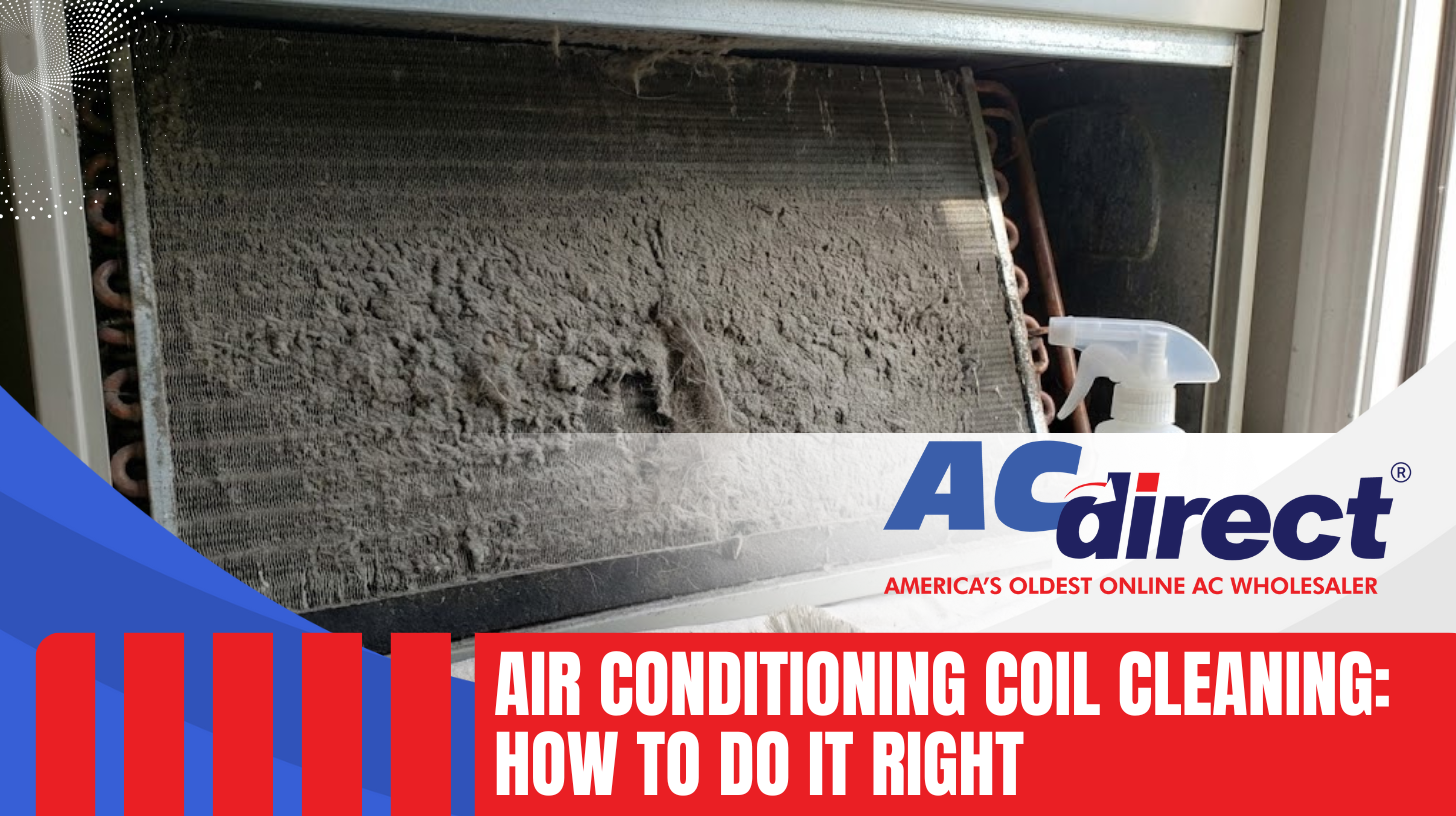
- Keep the coil clean: Periodically inspect the coil and clean it with a soft brush or vacuum.
- Clean the drain pan: Pour a cup of vinegar down the drain line every few months to prevent mold and clogs.
- Schedule annual maintenance: Have a qualified HVAC technician inspect and service your system annually.
Troubleshooting Common Cased Coil Problems
Here are some common cased coil problems and their potential causes:
- Reduced cooling or heating: Could be caused by a dirty coil, refrigerant leak, or undersized coil.
- Frozen coil: Could be caused by a dirty air filter, restricted airflow, or low refrigerant.
- Water leaks: Could be caused by a clogged drain line or damaged drain pan.
- Unusual noises: Could be caused by a loose fan motor or refrigerant issues.
If you experience any of these problems, contact a qualified HVAC technician for diagnosis and repair.
Cased Coil Air Handler Costs: Factors to Consider
The cost of a cased coil can vary depending on several factors:
- Size (BTU rating): Larger coils typically cost more.
- Brand: Some brands are more expensive than others.
- Features: Coils with advanced features, such as corrosion-resistant coatings, may cost more.
- Installation costs: Labor costs can vary depending on your location and the complexity of the installation.
I always advise homeowners to get multiple quotes from different contractors to compare prices. Remember to factor in the long-term energy savings when evaluating the cost of a new cased coil.
Finding a Qualified HVAC Contractor for Cased Coil Services
Choosing the right HVAC contractor is crucial for ensuring a proper installation and reliable service. Look for a contractor who is licensed, insured, and experienced in installing and servicing cased coils. Check online reviews and ask for references from previous customers. A good contractor will perform a thorough assessment of your needs and provide a detailed quote. It’s easy to find A c units by searching online for local contractors.
Are Cased Coil Air Handlers Worth the Investment?
In my experience, cased coil air handlers are generally a worthwhile investment for most homeowners. They offer several benefits over uncased coils, including easier installation, better protection, and improved efficiency. A properly sized and installed cased coil can improve your comfort, lower your energy bills, and extend the life of your HVAC system. However, it's important to weigh the costs and benefits carefully, considering your individual needs and budget.
Future Trends in Cased Coil Technology
The HVAC industry is constantly evolving, and cased coil technology is no exception. Some future trends include:
- Smart coils: Coils with built-in sensors and controls that optimize performance and detect potential problems.
- More efficient designs: Coils with improved heat transfer capabilities that reduce energy consumption.
- Environmentally friendly refrigerants: Coils designed to work with newer, more sustainable refrigerants.
- Improved corrosion resistance: Coils with advanced coatings that protect against corrosion and extend lifespan.
As technology advances, cased coils will likely become even more efficient, reliable, and environmentally friendly.
Frequently Asked Questions
What is the primary function of a cased coil in an HVAC system?
The cased coil facilitates heat transfer between the refrigerant and the air circulated throughout your home, enabling efficient cooling and heating when paired with the right outdoor unit. It houses the evaporator coil.
How do I know if my cased coil is the right size for my air conditioner or heat pump?
A qualified HVAC technician should perform a load calculation to determine the correct size (BTU rating) for your cased coil and ensure it matches the capacity of your outdoor unit. An improperly sized coil can lead to inefficiency and equipment damage.
What are some signs that my cased coil needs to be replaced?
Common signs include reduced cooling or heating performance, refrigerant leaks, visible corrosion, and unusual noises coming from your air handler. A professional inspection is recommended for accurate diagnosis.
Can I install a cased coil myself?
Installing a cased coil requires specialized knowledge, tools, and refrigerant handling skills. Improper installation can void warranties, damage your system, and pose safety risks. It's best to hire a licensed HVAC contractor.
How often should I have my cased coil inspected and cleaned?
It's generally recommended to have your entire HVAC system, including the cased coil, inspected and cleaned annually by a qualified technician. Regular maintenance helps maintain efficiency and prevent costly repairs.
What's the difference between a cased coil and an uncased coil?
A cased coil comes pre-installed inside a protective metal cabinet, making it easier to install and protecting the coil from damage. An uncased coil is just the bare coil and requires a custom-built enclosure or installation within an existing air handler, making it a more complex installation.
Final Thoughts
Choosing the right cased coil air handler is an important decision that can impact your comfort, energy bills, and the lifespan of your HVAC system. By understanding the key factors discussed here, you can make an informed choice that meets your specific needs. Remember to consult with a qualified HVAC technician to ensure a proper installation and reliable performance.
Investing in a quality cased coil and proper maintenance will pay off in the long run with improved efficiency and reduced repair costs. Don't hesitate to ask questions and seek expert advice to make the best decision for your home or business.
At AC Direct, we're committed to providing you with the information and products you need to make smart HVAC purchasing decisions. We hope this has been helpful!