 and now, NASCAR Racing Sponsor


HVAC Coil Unit: Understanding Its Role in Your Comfort
-
 By
Michael Haines
By
Michael Haines
- Apr 3, 2024
Hi, I'm Mike Haines, founder of AC Direct. I want to talk to you about something essential to your home's comfort: the HVAC coil unit. Many homeowners don't give it a second thought, but understanding its role and how to maintain it can save you money and keep your home comfortable year-round. This information is for homeowners looking to better understand their HVAC systems and make informed decisions about repairs or replacements.
Key Highlights
- HVAC coil units are critical for both heating and cooling, transferring heat to keep your home comfortable.
- Regular maintenance and timely repairs are essential to prolong the life of your HVAC coil and maintain efficiency.
- Choosing the right type of HVAC coil and ensuring it is properly matched with your system can significantly impact performance and energy savings.
- Professional inspection and maintenance are recommended to address complex issues and ensure optimal system operation.
What is an HVAC Coil Unit?
The HVAC coil unit is a core component of your heating and cooling system. Think of it as the engine that drives the temperature control in your home. Its primary function is to transfer heat, either absorbing it to cool your home or releasing it to heat it. There are two main types of coils: evaporator coils and condenser coils. The evaporator coil is located inside your indoor air handler, while the condenser coil is part of your outdoor unit.
Understanding the Different Types of HVAC Coils
Let's break down the two main types of HVAC coils.
Evaporator Coils
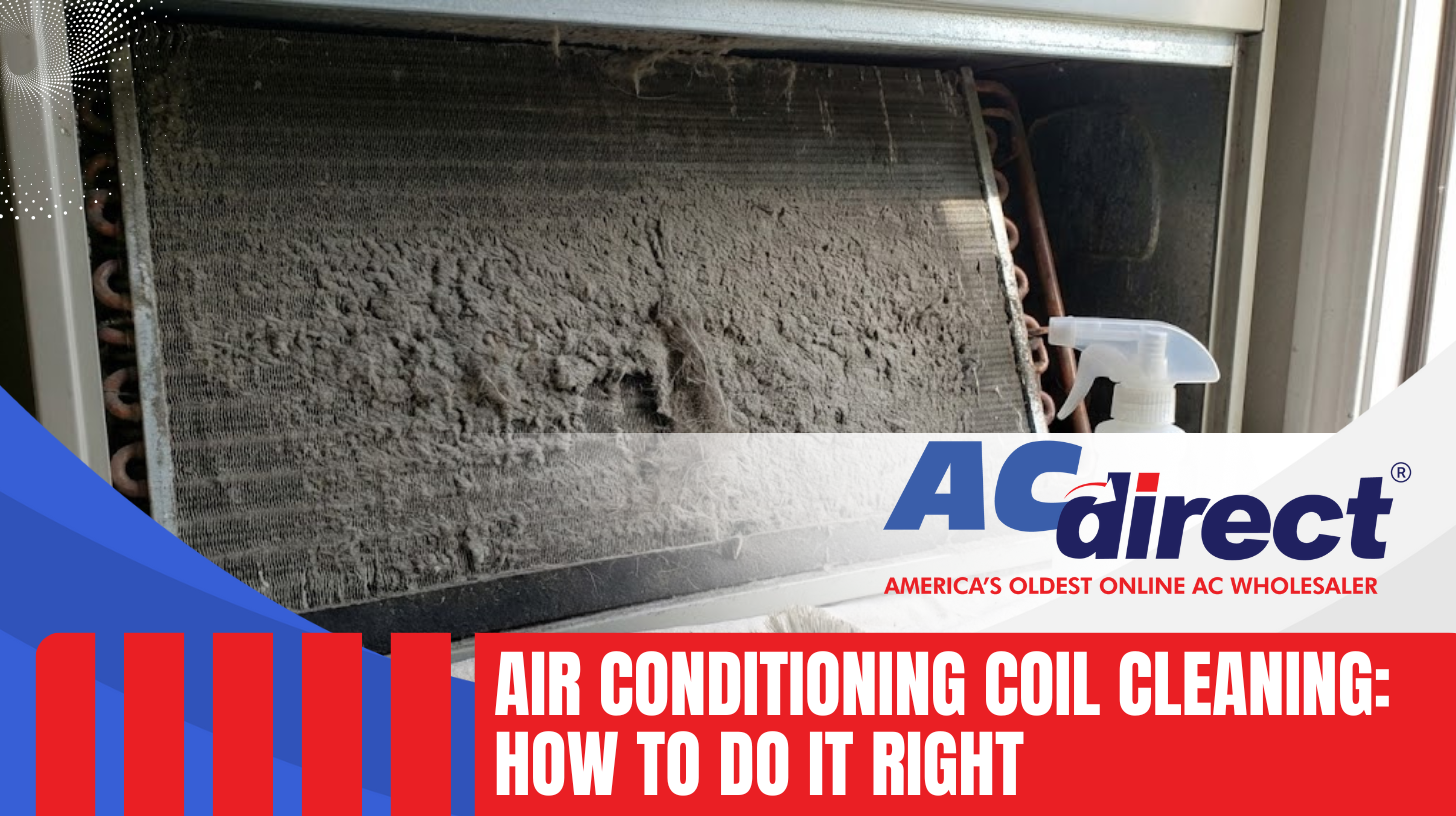
The evaporator coil is located inside your home, usually as part of your furnace or air handler. Its job is to absorb heat from the air that blows across it. Refrigerant inside the coil evaporates, changing from a liquid to a gas and drawing heat from the air. This cooled air is then circulated through your ductwork and into your living spaces. A dirty evaporator coil reduces how much heat it absorbs, making your AC less efficient. You might consider a Heating and air units for sale for your home if you're looking for an efficient cooling solution.
Condenser Coils
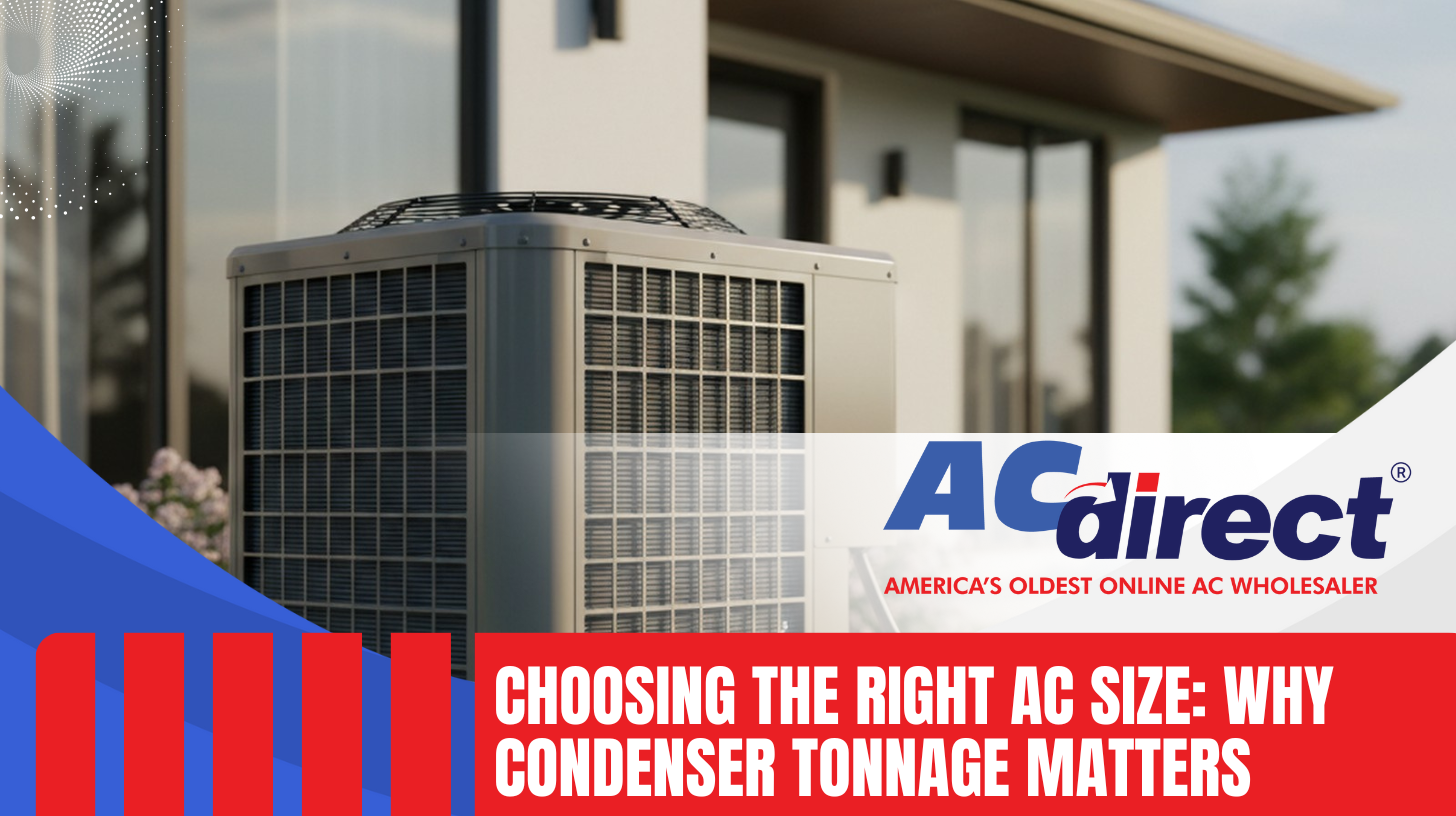
The condenser coil is located in the outdoor unit. It releases the heat that was absorbed by the evaporator coil. The hot refrigerant gas travels to the condenser coil, where it is cooled and converted back into a liquid, releasing heat into the outside air. Proper airflow around the condenser coil is crucial for it to function effectively. Blocked or dirty condenser coils can cause your system to work harder and less efficiently, potentially leading to overheating and costly repairs.
Why Your HVAC Coil Unit Matters for Home Comfort and Efficiency
The health of your HVAC coil unit directly impacts your home's comfort and your energy bills. When the coils are clean and functioning correctly, your system operates efficiently, providing consistent heating and cooling. However, when coils become dirty, damaged, or corroded, the system has to work harder to achieve the desired temperature. This increased workload leads to higher energy consumption and potentially higher utility bills. Furthermore, a malfunctioning coil can cause inconsistent temperatures throughout your home, leaving some rooms too hot or too cold. Selecting the right size unit is important for your home; for example, a 2 ton ac unit square feet could be right for some smaller homes.
Key Factors to Consider When Choosing an HVAC Coil
Selecting the right HVAC coil involves several important considerations.
Coil Material
HVAC coils are typically made of copper or aluminum. Copper coils are known for their excellent heat transfer properties and durability, but they can be more expensive. Aluminum coils are lighter and more affordable, but may be more susceptible to corrosion in certain environments. The climate where you live can influence the best choice. If you live near the coast, for example, consider the impact of salt air on coil materials.
Coating
Some coils come with a special coating designed to protect against corrosion and extend their lifespan. These coatings can be particularly beneficial in coastal areas or industrial environments where exposure to corrosive elements is higher.
Efficiency
Look for coils with high energy efficiency ratings. These coils are designed to maximize heat transfer and minimize energy consumption, saving you money on your utility bills over the long term.
Matching Your Coil to Your Other HVAC Components
Properly matching your HVAC coil to your other system components is crucial for optimal performance and efficiency. An improperly matched coil can lead to reduced airflow, increased energy consumption, and even damage to other parts of your HVAC system. You want to make sure the new coil is compatible with your furnace or air handler and that the refrigerant type is correct. Always consult with a qualified HVAC technician to ensure compatibility and proper installation. Using a Furnace sizing calculator can help you to determine the right size system for your home.
HVAC Coil Unit Costs: What to Expect
The cost of an HVAC coil unit can vary depending on several factors, including the type of coil (evaporator or condenser), the material (copper or aluminum), the brand, and the size of your system. Generally, replacement costs can range from a few hundred to several thousand dollars, including labor. It's always a good idea to get quotes from multiple HVAC contractors to compare prices and services. Remember that the cheapest option isn't always the best; consider the quality of the coil and the reputation of the installer.
Signs Your HVAC Coil Needs Repair or Replacement
Recognizing the signs of a failing HVAC coil can help you address issues early and prevent more costly repairs down the road.
Reduced Cooling or Heating Efficiency
If you notice that your system isn't cooling or heating as effectively as it used to, it could be a sign of a problem with the coil. Reduced airflow can also contribute to this issue.
Refrigerant Leaks
Refrigerant leaks are a common problem with HVAC coils. If you notice a hissing sound or see oily residue near your coil, it could indicate a leak. Refrigerant leaks not only reduce your system's efficiency but can also be harmful to the environment.
Frozen Coils
Frozen coils can occur when airflow is restricted or when the refrigerant level is low. If you see ice forming on your coil, turn off your system and call a technician.
Unusual Noises
Strange noises, such as rattling, buzzing, or hissing, can indicate a problem with your coil or other HVAC components.
Increased Energy Bills
A sudden increase in your energy bills without a corresponding change in usage could be a sign that your HVAC system is working harder than it should, potentially due to a failing coil.
Tips for Maintaining Your HVAC Coil
Regular maintenance can help prolong the life of your HVAC coil and maintain its efficiency.
Regular Filter Changes
Changing your air filters regularly is one of the easiest and most effective ways to keep your coils clean. Dirty filters restrict airflow, causing the system to work harder and potentially leading to frozen coils. As Dakota Electric Association explains, energy efficiency starts with regular maintenance.
Professional Cleaning
Schedule professional cleaning of your coils at least once a year. Technicians have the tools and expertise to thoroughly clean the coils without damaging them.
Keep the Area Around the Outdoor Unit Clear
Make sure the area around your outdoor unit is free of debris, such as leaves, branches, and grass clippings. This allows for proper airflow and prevents the coil from overheating.
When to Call a Professional HVAC Technician
While some basic maintenance can be done yourself, certain issues require the expertise of a professional HVAC technician.
Refrigerant Leaks
Refrigerant leaks should always be handled by a qualified technician. They have the tools and training to safely repair leaks and recharge the system.
Frozen Coils
If your coil is frozen, it's best to call a technician to diagnose the underlying cause and prevent further damage.
Complex Repairs
Any complex repairs, such as replacing a coil or repairing damaged components, should be done by a professional.
The Future of HVAC Coil Technology
The HVAC industry is constantly evolving, with new technologies emerging to improve efficiency and performance. Some of the trends in HVAC coil technology include:
Microchannel Coils
Microchannel coils are designed to improve heat transfer and reduce refrigerant charge. They are becoming increasingly popular in newer HVAC systems.
Smart Coils
Smart coils are equipped with sensors that monitor performance and provide real-time data, allowing for more precise control and maintenance.
Coating Technology
Advancements in coating technology are leading to more durable and corrosion-resistant coils, extending their lifespan and reducing maintenance needs.
Frequently Asked Questions
What is the main function of an HVAC coil unit?
The HVAC coil unit is responsible for either heating or cooling the air that circulates through your home. In cooling mode, it absorbs heat from the air; in heating mode, it releases heat.
How often should I replace my HVAC coil?
HVAC coils typically last 10-15 years. However, their lifespan can be affected by factors like maintenance, climate, and usage. Regular inspections can help determine when a replacement is needed.
What are the signs of a failing HVAC coil?
Common signs include reduced cooling or heating efficiency, refrigerant leaks, frozen coils, unusual noises, and increased energy bills.
Can I clean my HVAC coil myself?
While some basic cleaning can be done by homeowners (like removing debris from the exterior), professional cleaning is recommended to avoid damaging the coil and ensure thorough cleaning. If you see signs of mold or severe corrosion, contact a technician immediately.
How important is it to match my new HVAC coil to my existing system?
Proper matching is crucial for optimal performance and efficiency. An improperly matched coil can lead to reduced airflow, increased energy consumption, and even damage to other components of your HVAC system. It's best to consult with an HVAC professional to ensure compatibility.
Final Thoughts
Understanding your HVAC coil unit is key to maintaining a comfortable and efficient home. By knowing the different types of coils, recognizing the signs of a failing unit, and following basic maintenance tips, you can extend the life of your system and save money on your energy bills. Don't hesitate to call a professional when needed; their expertise can help ensure that your HVAC system is running smoothly and efficiently.
Investing in regular maintenance and timely repairs is a smart way to protect your investment and ensure year-round comfort. By staying informed and proactive, you can make the best decisions for your home and your wallet.