 and now, NASCAR Racing Sponsor


HVAC Fan Coils: What Are They and Do You Need One?
-
 By
Michael Haines
By
Michael Haines
- Apr 8, 2024
Hi, I'm Mike Haines, founder of AC Direct. I often talk with homeowners and business owners who are trying to understand the different components of their HVAC systems. Today, I want to discuss HVAC fan coils: what they are, how they function, and if they might be a good choice for your heating and cooling needs. I'll walk you through the essentials to help you make an informed decision.
Key Highlights
- HVAC fan coils are indoor units that circulate air and work with heat pumps or chillers to provide heating and cooling.
- Fan coils offer zoning capabilities, allowing you to control the temperature in different areas of your home.
- Proper sizing and professional installation are crucial for optimal performance and efficiency of your fan coil system.
- Regular maintenance, including filter changes, is essential to prolong the lifespan of your fan coil unit.
- When considering a fan coil, evaluate your home's specific needs, budget, and energy efficiency goals to determine the best fit.
What is an HVAC Fan Coil?
An HVAC fan coil is an indoor unit used in heating and cooling systems to circulate air. It typically consists of a coil, which is a heat exchanger, and a fan that blows air across the coil. The coil contains either hot water (for heating) or chilled water (for cooling), which is supplied by a boiler or chiller. As air passes over the coil, it's either heated or cooled before being circulated throughout a room or zone.
These units are often used in commercial buildings, but they're also gaining popularity in residential settings, especially in homes with hydronic (water-based) heating and cooling systems. Unlike traditional forced-air systems that use ductwork, fan coils can offer more flexibility in terms of zoning and individual room temperature control.
How Does a Fan Coil Work?
The basic principle behind a fan coil is relatively simple. Hot or chilled water flows through the coil, and the fan blows air across it. This process transfers heat between the water and the air. If the water is hot, the air is heated; if the water is chilled, the air is cooled. The conditioned air is then circulated into the space.
Fan coils can be connected to a variety of heat sources, such as boilers, heat pumps, or chillers. The fan speed is often adjustable, allowing you to control the airflow and temperature. Some fan coils also have built-in filters to remove dust and other particles from the air, improving indoor air quality.
Fan Coils vs. Air Handlers What's the Difference?
Many people confuse fan coils with air handlers, but there's a key difference. Air handlers are typically used in forced-air systems with ductwork and are connected to a furnace or air conditioner. They circulate air throughout the entire house via the duct system. A standard Air conditioner unit for house is part of a ducted system.
Fan coils, on the other hand, don't necessarily require ductwork and are often used in systems with boilers, chillers, or heat pumps. They heat or cool water, which is then circulated to the fan coil units. Each unit can then independently control the temperature in its specific zone. You might consider a Ac chart to compare different types of systems.
Why are Fan Coils Important for Home Comfort?
Fan coils offer several benefits for home comfort. One of the most significant is zoning capability. You can install multiple fan coil units in different rooms or zones of your house, each with its own thermostat. This allows you to control the temperature in each zone independently, which can be especially useful if you have rooms that are often unoccupied or have different heating and cooling needs.
Additionally, fan coils can provide more consistent temperatures compared to traditional forced-air systems. Since they continuously circulate air, they can help eliminate hot and cold spots. They can also be quieter than forced-air systems since the fan is typically the only moving part.
Types of Fan Coils A Buyer's Guide
There are several types of fan coils available, each designed for different applications and installation requirements.
- Wall-Mounted Fan Coils These are mounted on the wall and are a popular choice for residential applications. They are relatively easy to install and can be a good option for retrofitting existing homes.
- Ceiling-Mounted Fan Coils These are installed in the ceiling, either flush or suspended. They are often used in commercial buildings but can also be used in homes, especially if you want to save wall space.
- Floor-Mounted Fan Coils These are installed on the floor, typically along a wall. They are often used in older buildings where it's difficult to run ductwork or install wall-mounted units.
- Ducted Fan Coils These are designed to be connected to ductwork, similar to an air handler. They offer the flexibility of a fan coil system with the ability to distribute air through ducts.
Each type has its own advantages and disadvantages, so it's important to consider your specific needs and installation constraints when choosing a fan coil.
Considerations for Choosing the Right Fan Coil
When selecting a fan coil, there are several factors to consider. First, think about the size of the space you need to heat or cool. You'll need to choose a fan coil with the appropriate BTU (British Thermal Unit) capacity to effectively condition the air. A unit that's too small won't be able to keep up, while a unit that's too large may cycle on and off frequently, leading to inefficient operation.
Also, think about the noise level of the fan coil. Some units are quieter than others, so if noise is a concern, look for models with low sound ratings. Features such as adjustable fan speeds and programmable thermostats can also enhance your comfort and energy savings. Finally, consider the cost of the unit and the installation costs, as well as the ongoing maintenance requirements.
Sizing Your Fan Coil A Critical Step
Properly sizing your fan coil is essential for optimal performance and efficiency. An undersized unit will struggle to heat or cool the space, leading to discomfort and higher energy bills. An oversized unit will cycle on and off frequently, which can also reduce efficiency and potentially shorten the lifespan of the equipment.
The best way to determine the correct size is to have a qualified HVAC contractor perform a load calculation. This involves assessing factors such as the square footage of the space, insulation levels, window size and orientation, and climate conditions. The contractor will then use this information to calculate the BTU requirements for your heating and cooling system.
Fan Coil Installation What to Expect
Fan coil installation typically involves mounting the unit, connecting it to the water supply and drain lines, and wiring it to the electrical system. Depending on the type of fan coil and the complexity of the installation, it can take anywhere from a few hours to a full day to complete the job.
It's important to hire a licensed HVAC contractor for the installation to ensure that the job is done correctly and safely. A professional installer will have the necessary tools and expertise to properly connect the unit and ensure that it's functioning efficiently. They can also advise you on the best location for the unit and answer any questions you may have about its operation. If you are also thinking about a How much is a mini split, be sure to discuss all options with your installer.
Fan Coil Maintenance Tips for Longevity
To keep your fan coil running smoothly and efficiently, it's important to perform regular maintenance. One of the most important tasks is to change the filter regularly. A dirty filter can restrict airflow, which can reduce efficiency and potentially damage the unit. I recommend changing the filter every 1-3 months, depending on air quality and usage.
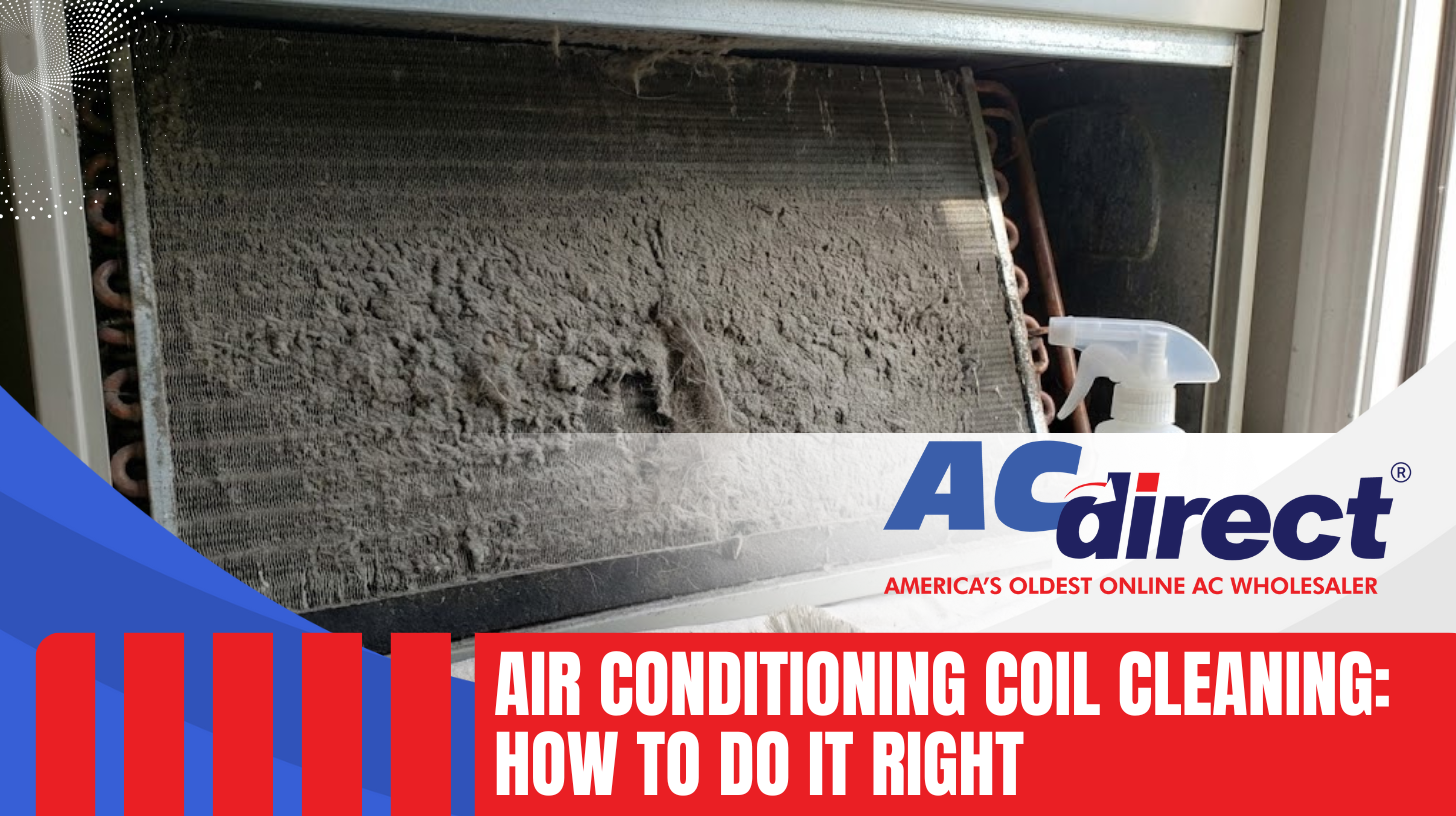
You should also periodically inspect the unit for any signs of leaks or damage. Check the coil for dirt and debris, and clean it as needed. If you notice any unusual noises or performance issues, contact a qualified HVAC technician for assistance. Regular maintenance can help prolong the lifespan of your fan coil and prevent costly repairs.
Troubleshooting Common Fan Coil Problems
Like any mechanical equipment, fan coils can sometimes experience problems. Some common issues include:
- Insufficient Heating or Cooling This could be due to a dirty filter, low water flow, or a malfunctioning thermostat.
- Noisy Operation This could be caused by a loose fan blade, a worn-out motor, or debris in the unit.
- Leaks Leaks can occur in the coil, the water lines, or the drain pan.
- Electrical Issues These can include blown fuses, tripped circuit breakers, or wiring problems.
If you encounter any of these problems, it's best to consult with a qualified HVAC technician. Attempting to repair the unit yourself could potentially cause further damage or create a safety hazard.
The Cost of Fan Coils Budgeting for Efficiency
The cost of a fan coil can vary depending on the size, type, and features of the unit. Wall-mounted units are generally less expensive than ceiling-mounted or floor-mounted units. Higher-end models with advanced features such as programmable thermostats and variable-speed fans will also cost more. Installation costs can also vary depending on the complexity of the job.
While the initial cost of a fan coil may be higher than a traditional forced-air system, it's important to consider the long-term benefits, such as zoning capabilities, improved energy efficiency, and enhanced comfort. I always advise homeowners to get quotes from multiple contractors and compare the total cost of ownership, including installation, operating costs, and maintenance expenses.
Fan Coils and Energy Efficiency Maximize Savings
Fan coils can be a very energy-efficient way to heat and cool your home, especially when paired with a high-efficiency boiler, chiller, or heat pump. The zoning capabilities of fan coils allow you to heat or cool only the areas of your home that are occupied, which can save a significant amount of energy. You can also use programmable thermostats to further optimize energy usage by automatically adjusting the temperature based on your schedule.
Furthermore, because fan coils use water as the heat transfer medium, they can be more efficient than forced-air systems, which can lose energy through ductwork leaks. To maximize your energy savings, make sure to choose a fan coil with a high energy efficiency rating and properly maintain the unit.
Pairing Fan Coils with Heat Pumps and ACs
Fan coils work very well with heat pumps. In a heat pump system, the heat pump provides either hot or chilled water to the fan coil, which then circulates the air. This combination can provide efficient and effective heating and cooling for your home. Heat pumps are becoming increasingly popular as homeowners look for ways to reduce their carbon footprint and lower their energy bills.
Fan coils can also be paired with traditional air conditioners, though this setup is more common in commercial applications. In this case, the air conditioner chills water, which is then circulated to the fan coils. No matter how you plan to use your fan coil, remember that you may be eligible for rebates or incentives, such as those offered by Poudre Valley REA.
Are Fan Coils Right for My Home?
Deciding whether fan coils are the right choice for your home depends on several factors. If you're building a new home or renovating an existing one, fan coils can be a good option, especially if you want zoning capabilities or plan to use a hydronic heating and cooling system. They can also be a good choice if you have allergies or respiratory problems, as they can provide cleaner air compared to traditional forced-air systems.
However, fan coils may not be the best choice if you already have a well-functioning forced-air system or if you're on a tight budget. The initial cost of installing a fan coil system can be higher than a traditional system, and it may not be cost-effective to replace a system that's already working well.
Finding a Qualified HVAC Contractor for Fan Coil Services
Finding a qualified HVAC contractor is essential for ensuring that your fan coil is properly installed and maintained. Look for a contractor with experience installing and servicing fan coil systems. Ask for references and check online reviews to get an idea of their reputation. Make sure they are licensed and insured.
A good contractor will be able to assess your needs, recommend the right type and size of fan coil, and provide a detailed quote for the installation. They should also be able to answer any questions you have about the system and provide ongoing maintenance and support.
Frequently Asked Questions
What are the main benefits of using a fan coil in my HVAC system?
Fan coils provide better air circulation and more consistent temperatures. They also pair well with heat pumps or air conditioners for efficient heating and cooling.
How do I know what size fan coil I need for my home?
The size of the fan coil you need is determined by the BTU requirements of your heating and cooling system and the square footage of your home. I recommend having an HVAC technician do a load calculation to find the right size.
What is the typical lifespan of an HVAC fan coil?
If you maintain your fan coil correctly, it can last 15 to 20 years. Routine cleaning and changing filters are critical to maximize its lifespan.
Can I install a fan coil myself, or do I need a professional?
Installing a fan coil requires knowledge of HVAC systems and electrical wiring. I strongly advise you to hire a licensed HVAC contractor to ensure it's installed correctly and to avoid any potential safety issues.
How often should I change the filter in my fan coil unit?
You should replace the filter in your fan coil unit every one to three months, depending on the air quality and how often you use it. A dirty filter can reduce airflow and efficiency, which increases energy bills and might damage the system.
Final Thoughts
HVAC fan coils can be a great option for homeowners looking for efficient and customizable heating and cooling solutions. Understanding the different types of fan coils, their benefits, and the factors to consider when choosing a unit can help you make an informed decision. Remember that proper sizing, professional installation, and regular maintenance are crucial for optimal performance and longevity.
I hope this has given you a solid understanding of HVAC fan coils. Take the time to assess your specific needs and budget, and don't hesitate to consult with a qualified HVAC contractor to get personalized recommendations.
Ultimately, the goal is to create a comfortable and energy-efficient home environment. By carefully considering your options and making informed decisions, you can achieve that goal and enjoy the benefits of a well-designed HVAC system.