 and now, NASCAR Racing Sponsor


HVAC Inside Unit: Understanding the Heart of Your System
-
 By
Michael Haines
By
Michael Haines
- Apr 15, 2024

Hi, I'm Mike Haines, founder of AC Direct. As someone who's spent decades in the HVAC industry, I know that understanding your system can feel overwhelming. This is especially true when it comes to the "HVAC inside unit," the component responsible for circulating air and keeping you comfortable. In this piece, I'll break down what you need to know about the inside unit, its components, types, maintenance, and how to choose the right one for your home. This information is for homeowners and small business owners who want to better understand their HVAC systems.
- The HVAC inside unit is crucial for distributing conditioned air throughout your home.
- Regular maintenance, including filter changes, can significantly extend the lifespan of your inside unit.
- Choosing the correct size and type of inside unit is essential for efficient and effective home comfort.
- Understanding SEER and HSPF ratings helps you select an energy-efficient model.
- Professional installation is highly recommended to ensure proper operation and safety.
What is an HVAC Inside Unit?
The HVAC inside unit is the component of your heating and cooling system that's located inside your home. Its main function is to circulate air. It works in conjunction with the outside unit (the air conditioner or heat pump) to either cool or heat your home. The inside unit contains a blower fan that pushes air through your ductwork, delivering conditioned air to each room. Depending on your setup, it can be a furnace or an air handler.
Components of a Typical Inside Unit
While specific components can vary depending on whether you have a furnace or an air handler, most inside units share some core elements:
- Blower Fan: This is the motor and fan that circulates air throughout your home. It draws air in, pushes it through the cooling or heating element, and then forces it out through the ductwork.
- Air Filter: The air filter traps dust, pollen, and other particles, preventing them from circulating through your home and protecting the inside unit's components.
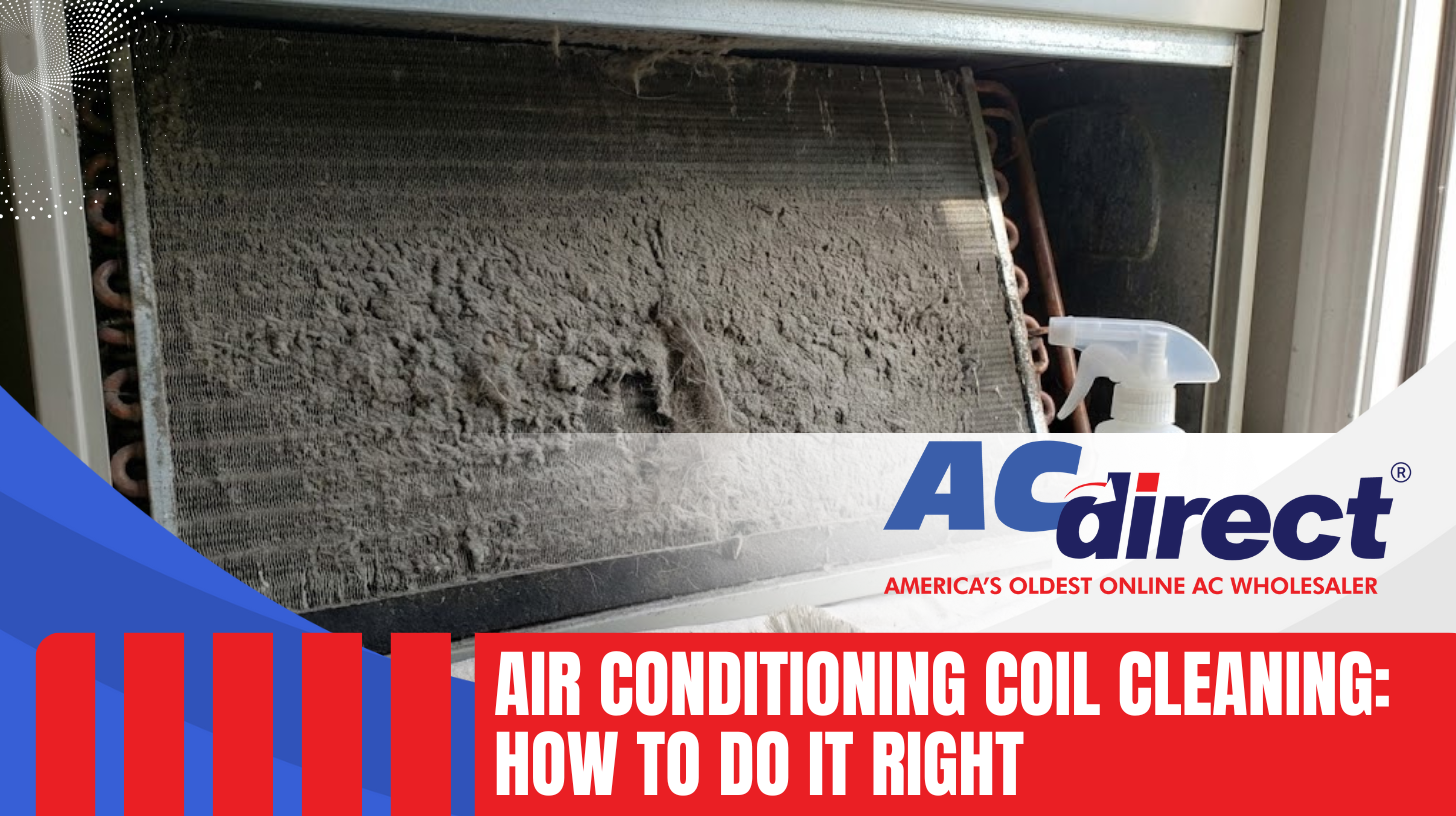
- Coils: These are either evaporator coils (for air handlers) or heating coils (for furnaces). Evaporator coils absorb heat from the air, while heating coils transfer heat to the air.
- Control Panel: This is the unit's "brain," containing the circuit board and other controls that manage the system's operation.
- Drain Pan: In air handlers, the drain pan collects condensation that forms on the evaporator coils and directs it to a drain line.
Why is the Inside Unit Important for Home Comfort?
The inside unit is essential because it’s responsible for distributing conditioned air. Without a properly functioning inside unit, your home won’t be comfortable, even if your outside unit is working perfectly. A faulty inside unit can lead to uneven temperatures, poor air quality, and increased energy bills.
Types of HVAC Inside Units
There are two main types of HVAC inside units commonly found in homes:
- Furnaces: These units generate heat using natural gas, propane, or electricity. They’re typically used in colder climates where heating is a primary concern.
- Air Handlers: These units don't generate heat themselves. Instead, they circulate air that has been cooled or heated by a separate unit, like a heat pump or air conditioner. Air handlers are often paired with Heat pump unit.
Furnace Inside Unit: What to Know
A furnace is a heating appliance that burns fuel to warm air. Here's what you should know:
- Fuel Types: Furnaces can run on natural gas, propane, or electricity. Natural gas is often the most economical choice where available.
- Efficiency Ratings: Furnace efficiency is measured by Annual Fuel Utilization Efficiency (AFUE). The higher the AFUE, the more efficient the furnace. Look for models with an AFUE of 90% or higher for significant energy savings.
- Maintenance: Regular maintenance is crucial for furnace longevity and safety. This includes cleaning the burners, checking for gas leaks, and inspecting the heat exchanger.
Air Handler Inside Unit: What to Know
An air handler is designed to circulate air that has been conditioned by another source. Key considerations include:
- Compatibility: Ensure the air handler is compatible with your existing or planned outdoor unit (air conditioner or Heat pump for sale). Mismatched units can lead to performance problems and reduced efficiency.
- Variable Speed Blowers: Air handlers with variable speed blowers offer more precise temperature control and can improve energy efficiency.
- Air Filtration: Look for air handlers that can accommodate high-efficiency air filters to improve indoor air quality.
Choosing the Right Inside Unit for Your Home
Selecting the right inside unit involves considering several factors. I see a lot of homeowners make the mistake of only thinking about the outside unit, but the inside unit is just as important. Here's what I advise:
- Climate: If you live in a cold climate, a furnace might be the better choice. In milder climates, an air handler paired with a heat pump can provide both heating and cooling.
- Fuel Availability: If you have access to natural gas, a gas furnace can be a cost-effective option.
- Budget: Furnaces tend to be less expensive upfront, but air handlers paired with heat pumps can offer greater long-term energy savings.
- Existing Ductwork: Ensure the new inside unit is compatible with your existing ductwork. Modifications to ductwork can add to the installation cost.
Sizing Your Inside Unit Correctly
Proper sizing is essential for optimal performance. An undersized unit won't be able to adequately heat or cool your home, while an oversized unit can lead to short cycling (frequent on/off cycles), which reduces efficiency and shortens the unit's lifespan. I always recommend having a professional HVAC contractor perform a load calculation to determine the correct size for your home. Factors such as square footage, insulation, window efficiency, and climate all play a role in determining the appropriate size.
SEER and HSPF Ratings: What Do They Mean?
When shopping for HVAC equipment, you'll encounter SEER and HSPF ratings. These ratings measure the efficiency of your cooling and heating systems:
- SEER (Seasonal Energy Efficiency Ratio): This rating measures the cooling efficiency of an air conditioner or heat pump. The higher the SEER, the more efficient the unit. The minimum SEER rating currently mandated by the U.S. Department of Energy is 14 in most regions.
- HSPF (Heating Seasonal Performance Factor): This rating measures the heating efficiency of a heat pump. The higher the HSPF, the more efficient the unit. The minimum HSPF rating is typically around 8.2.
Choosing units with higher SEER and HSPF ratings can significantly reduce your energy bills over time.
Cost Considerations for Inside Units
The cost of an HVAC inside unit can vary widely depending on the type, size, efficiency, and brand. Here's a general overview of the costs to consider:
- Purchase Price: Furnaces generally have a lower purchase price than air handlers and heat pumps. High-efficiency models will cost more upfront but can save you money in the long run.
- Installation Costs: Installation costs can vary depending on the complexity of the job. Factors such as ductwork modifications, electrical work, and removal of the old unit can all affect the total cost.
- Operating Costs: Operating costs include the cost of fuel (natural gas, propane, or electricity) and electricity to run the blower fan. High-efficiency units will have lower operating costs.
- Maintenance and Repair Costs: Regular maintenance can help prevent costly repairs. Factor in the cost of annual tune-ups and potential repairs over the unit's lifespan.
Installation Requirements and Considerations
Proper installation is crucial for the performance and longevity of your HVAC inside unit. Here are some key considerations:
- Professional Installation: I strongly recommend hiring a qualified HVAC contractor for installation. They have the expertise and tools to ensure the unit is installed correctly and safely.
- Permits and Codes: Check with your local municipality to see if any permits are required for HVAC installation. Ensure the installation complies with all applicable building codes.
- Electrical Requirements: Ensure your home's electrical system can handle the new unit's power requirements. An electrician may need to upgrade your electrical panel.
- Ductwork: Inspect your ductwork for leaks or damage. Seal any leaks to improve efficiency. If your ductwork is old or undersized, it may need to be replaced.
Maintaining Your HVAC Inside Unit
Regular maintenance is essential for keeping your HVAC inside unit running smoothly and efficiently. Here are some key maintenance tasks:
- Filter Changes: Change your air filter regularly (typically every 1-3 months). A dirty filter restricts airflow and can cause the unit to overheat.
- Cleaning: Keep the area around the inside unit clean and free of debris. Dust and dirt can accumulate on the components and reduce efficiency.
- Annual Tune-Ups: Schedule annual tune-ups with a qualified HVAC contractor. They can inspect the unit, clean the components, and identify any potential problems before they become major issues.
Troubleshooting Common Inside Unit Problems
Even with regular maintenance, problems can still arise. Here are some common issues and how to troubleshoot them:
- No Airflow: Check the air filter. If it's clogged, replace it. Also, check the circuit breaker to make sure the unit is receiving power.
- Weak Airflow: This could be due to a dirty air filter, blocked ductwork, or a malfunctioning blower fan.
- Strange Noises: Unusual noises can indicate a problem with the blower motor, fan blades, or other components. Contact a qualified HVAC contractor for diagnosis and repair.
- Uneven Temperatures: This could be due to poor insulation, leaky ductwork, or a malfunctioning damper.
Many parts for hvac inside units can be sourced from Hvac wholesalers.
When to Replace Your Inside Unit
HVAC inside units typically last for 15-20 years. Here are some signs that it's time to consider a replacement:
- Age: If your unit is over 15 years old, it may be nearing the end of its lifespan.
- Frequent Repairs: If you're constantly repairing your unit, it may be more cost-effective to replace it.
- Increased Energy Bills: A decline in efficiency can lead to higher energy bills.
- Inconsistent Temperatures: If your home is no longer comfortable, even after repairs, it may be time to replace the unit.
- Strange Noises or Odors: Unusual noises or odors can indicate a serious problem that requires replacement.
Finding a Qualified HVAC Contractor
Choosing the right HVAC contractor is essential for ensuring a successful installation or repair. Here are some tips for finding a qualified contractor:
- Check Licensing and Insurance: Make sure the contractor is licensed and insured in your state.
- Read Reviews and Testimonials: Check online reviews and testimonials to see what other customers have to say about the contractor's work.
- Get Multiple Quotes: Obtain quotes from several contractors before making a decision.
- Ask for References: Ask the contractor for references and contact them to inquire about their experience.
- Verify Credentials: Organizations such as Central Electric Cooperative offer certifications and resources for homeowners.
Tips for Extending the Life of Your Inside Unit
Here are some additional tips to help extend the lifespan of your HVAC inside unit:
- Regular Maintenance: Stick to a regular maintenance schedule, including filter changes and annual tune-ups.
- Proper Insulation: Ensure your home is properly insulated to reduce the load on your HVAC system.
- Seal Ductwork: Seal any leaks in your ductwork to improve efficiency.
- Use a Programmable Thermostat: A programmable thermostat can help you save energy by automatically adjusting the temperature when you're away or asleep.
- Monitor Performance: Pay attention to any changes in performance, such as strange noises or inconsistent temperatures, and address them promptly.
Frequently Asked Questions
What's the difference between a furnace and an air handler?
A furnace heats air using gas, propane, or electricity, while an air handler simply circulates air, which is typically cooled or heated by a heat pump or air conditioner. The air handler doesn't generate heat itself.
How do I know what size inside unit I need?
The appropriate size depends on several factors, including your home's square footage, insulation, climate, and window efficiency. A professional HVAC contractor can perform a load calculation to determine the correct size for your specific needs.
How often should I change the filter in my inside unit?
It's generally recommended to change your filter every 1-3 months. However, if you have pets, allergies, or live in a dusty environment, you may need to change it more often. Check your filter monthly to see if it needs replacing.
What are some signs that my inside unit needs replacing?
Signs include inconsistent temperatures, strange noises, increased energy bills, frequent repairs, and if the unit is over 15-20 years old. If you're experiencing any of these issues, it's time to consider a replacement.
Can I install an HVAC inside unit myself?
While it may be tempting to DIY, it's highly recommended to have a professional install your inside unit. This ensures proper operation, safety, and maintains your warranty coverage. Improper installation can lead to serious problems and void the warranty.
Final Thoughts
Understanding your HVAC inside unit is key to maintaining a comfortable and efficient home. By knowing the components, types, maintenance requirements, and troubleshooting tips, you can make informed decisions about your HVAC system. Remember to choose the right size and type of unit for your home, maintain it regularly, and seek professional help when needed.
Making the right choices regarding your HVAC system can lead to significant savings on your energy bills and extend the life of your equipment. Don't hesitate to consult with a qualified HVAC contractor for personalized advice and professional installation.
Ultimately, a well-maintained and properly functioning HVAC inside unit contributes to a healthier and more comfortable living environment for you and your family. I hope this information helps you make informed decisions for your home.