 and now, NASCAR Racing Sponsor


HVAC KW: Understanding Kilowatts in Your Air Conditioner
-
 By
Michael Haines
By
Michael Haines
- Apr 16, 2024

- HVAC KW refers to the kilowatt rating of your air conditioning system, which indicates its power consumption.
- Understanding your HVAC KW helps you estimate your monthly energy costs for cooling.
- Factors such as system size, efficiency, and usage habits affect your HVAC KW consumption.
- Proper HVAC maintenance ensures optimal performance and minimizes energy waste.
- When selecting a new HVAC system, consider both the cooling capacity and the energy efficiency rating to minimize energy bills.
What Does HVAC Stand For?
HVAC stands for Heating, Ventilation, and Air Conditioning. These systems work together to control the temperature, humidity, and air quality inside your home or building. The heating component keeps you warm in the winter, while the air conditioning cools you down in the summer. Ventilation brings fresh air in and removes stale air, while filtration systems clean the air to remove pollutants and allergens.The Key Components of a Home HVAC System
A typical home HVAC system consists of several key components that work together to provide heating and cooling. These include: * Air Conditioner: Cools the air using a refrigerant cycle. * Furnace: Heats the air using natural gas, propane, or electricity. * Heat Pump: Can both heat and cool by transferring heat between the inside and outside of your home. * Thermostat: Controls the temperature and settings of your HVAC system. * Ductwork: A network of channels that distribute heated or cooled air throughout your home. * Air Filter: Removes dust, pollen, and other particles from the air.Why is HVAC Important for Homeowners?
HVAC systems are essential for maintaining a comfortable and healthy indoor environment. They provide consistent temperature control, regardless of the weather outside. Proper ventilation helps to remove stale air and pollutants, improving indoor air quality. This is especially important for people with allergies or respiratory problems. A well-maintained HVAC system can also improve energy efficiency, saving you money on utility bills. Understanding your HVAC KW usage will help you optimize your energy consumption.Understanding Common HVAC System Types
There are several different types of HVAC systems available, each with its own advantages and disadvantages. Some of the most common types include: * Central Air Conditioning: Cools the entire home using a network of ducts. * Ductless Mini-Split Systems: Provide targeted cooling and heating to individual rooms or zones. * Heat Pumps: Offer both heating and cooling in one unit, and are very efficient. * Window Units: Small, self-contained units that cool a single room. * Portable Air Conditioners: Can be moved from room to room and require no permanent installation.Choosing the Right HVAC System for Your Home
Selecting the right HVAC system for your home depends on several factors, including the size of your home, your budget, and your climate. Central air conditioning is a good choice for homes with existing ductwork. Ductless mini-split systems are ideal for homes without ductwork or for providing targeted cooling to specific areas. Heat pumps are a great option for moderate climates where both heating and cooling are required. When choosing a system, be sure to consider its energy efficiency rating and cooling capacity. You might consider a Cheap aircon unit for your home to keep costs down.HVAC Efficiency Ratings: SEER, HSPF, and AFUE Explained
HVAC efficiency ratings provide a way to compare the energy efficiency of different systems. The most common ratings include: * SEER (Seasonal Energy Efficiency Ratio): Measures the cooling efficiency of air conditioners and heat pumps. The higher the SEER rating, the more efficient the system. * HSPF (Heating Seasonal Performance Factor): Measures the heating efficiency of heat pumps. The higher the HSPF rating, the more efficient the system. * AFUE (Annual Fuel Utilization Efficiency): Measures the heating efficiency of furnaces. The higher the AFUE rating, the more efficient the system.HVAC Maintenance: Keeping Your System Running Smoothly
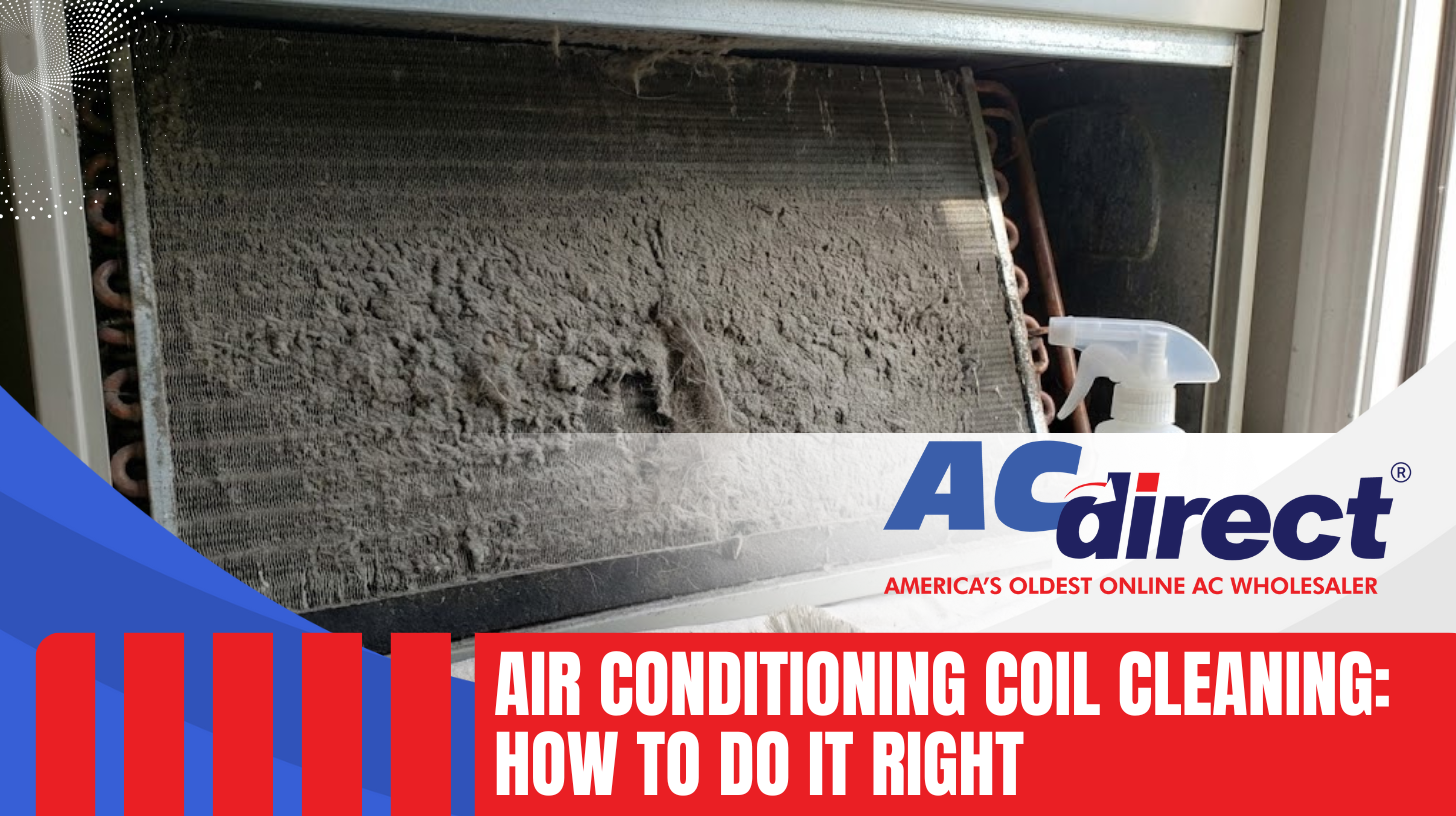
Regular HVAC maintenance is essential for keeping your system running efficiently and preventing costly repairs. Some basic maintenance tasks include: * Changing the Air Filter: Replace the air filter every 1-3 months to improve air quality and airflow. * Cleaning the Coils: Clean the outdoor condenser coil and indoor evaporator coil regularly to remove dirt and debris. * Checking the Ductwork: Inspect the ductwork for leaks and seal any gaps to prevent air loss. * Scheduling Professional Maintenance: Have your HVAC system professionally inspected and serviced at least once a year.Troubleshooting Common HVAC Problems
Even with regular maintenance, HVAC systems can sometimes experience problems. Some common issues include: * No Cooling or Heating: Check the thermostat settings, circuit breaker, and air filter. * Weak Airflow: Clean the air filter and check for blocked vents or ductwork. * Strange Noises: Investigate unusual noises coming from the unit and call a professional if necessary. * Water Leaks: Check for clogged drain lines or condensation issues.When to Consider HVAC Replacement
While repairs can often extend the life of your HVAC system, there comes a time when replacement is the more cost-effective option. Consider replacing your HVAC system if it is more than 10-15 years old, requires frequent repairs, or is no longer energy efficient. Replacing an old system with a new, high-efficiency model can save you money on utility bills and improve your home's comfort.The Cost of a New HVAC System
The cost of a new HVAC system can vary greatly depending on the size of your home, the type of system you choose, and the complexity of the installation. Expect to pay anywhere from $5,000 to $15,000 or more for a complete system replacement. The price of Air conditioner supplies can add up if you're not careful. Be sure to get multiple quotes from different contractors and compare their prices and services.Financing Options for HVAC Installation
Installing a new HVAC system can be a significant investment, but there are several financing options available to help make it more affordable. Many HVAC contractors offer financing plans with low interest rates and flexible payment terms. You may also be able to get a home equity loan or line of credit to finance the installation. Check with your local utility company for rebates and incentives that can help offset the cost of a new, energy-efficient system. You should research the contractor to make sure they have the proper licensing. Salem Electric has more information on their website Salem Electric.Finding a Reputable HVAC Contractor
Choosing the right HVAC contractor is essential for ensuring a successful installation or repair. Look for a contractor that is licensed, insured, and has a good reputation. Check online reviews and ask for referrals from friends and family. Get multiple quotes and compare their prices and services. Be sure to ask about their experience, qualifications, and warranty policies.Tips for Saving Energy with Your HVAC System
There are several things you can do to save energy and lower your utility bills with your HVAC system: * Use a Programmable Thermostat: Set the thermostat to automatically adjust the temperature when you are away or asleep. * Seal Air Leaks: Seal any gaps or cracks around windows, doors, and ductwork to prevent air loss. * Insulate Your Home: Add insulation to your attic, walls, and floors to reduce heat transfer. * Maintain Your System: Keep your HVAC system well-maintained with regular filter changes and professional servicing. * Consider Zone Cooling: Use ductless mini-split systems or window units to cool only the rooms you are using.Future Trends in HVAC Technology
The HVAC industry is constantly evolving, with new technologies emerging all the time. Some future trends to watch for include: * Smart Thermostats: These thermostats use artificial intelligence to learn your preferences and automatically adjust the temperature for maximum comfort and energy savings. * Geothermal Heat Pumps: These systems use the earth's natural heat to provide highly efficient heating and cooling. * Solar-Powered HVAC Systems: These systems use solar panels to generate electricity for your HVAC system, reducing your reliance on the grid. * Variable Refrigerant Flow (VRF) Systems: These systems offer precise temperature control and energy efficiency for commercial buildings and large homes, similar to Commercial air conditioners.Frequently Asked Questions
What does HVAC stand for?
HVAC stands for Heating, Ventilation, and Air Conditioning. It refers to the systems that control the temperature, humidity, and air quality in your home.
What is the difference between a furnace and a heat pump?
A furnace burns fuel (natural gas, propane, or oil) to generate heat. A heat pump transfers heat from one place to another, using electricity. Heat pumps can both heat and cool your home.
What SEER rating should I look for in an air conditioner?
The higher the SEER rating, the more efficient the air conditioner. I recommend looking for a SEER rating of at least 15 for good energy savings. Many newer models exceed SEER 20.
How often should I change my HVAC air filter?
It is generally recommended to change your HVAC air filter every 1-3 months, depending on the type of filter and the air quality in your home. Check your filter monthly and replace it when it appears dirty.
How much does a new HVAC system cost?
The cost of a new HVAC system can vary greatly depending on the size of your home, the type of system you choose, and the complexity of the installation. Expect to pay anywhere from $5,000 to $15,000 or more for a complete system replacement.