

Miami Warmth Essentials Electric Furnaces for Mild Climate Comfort
-
 By
Michael Haines
By
Michael Haines
- Oct 14, 2025
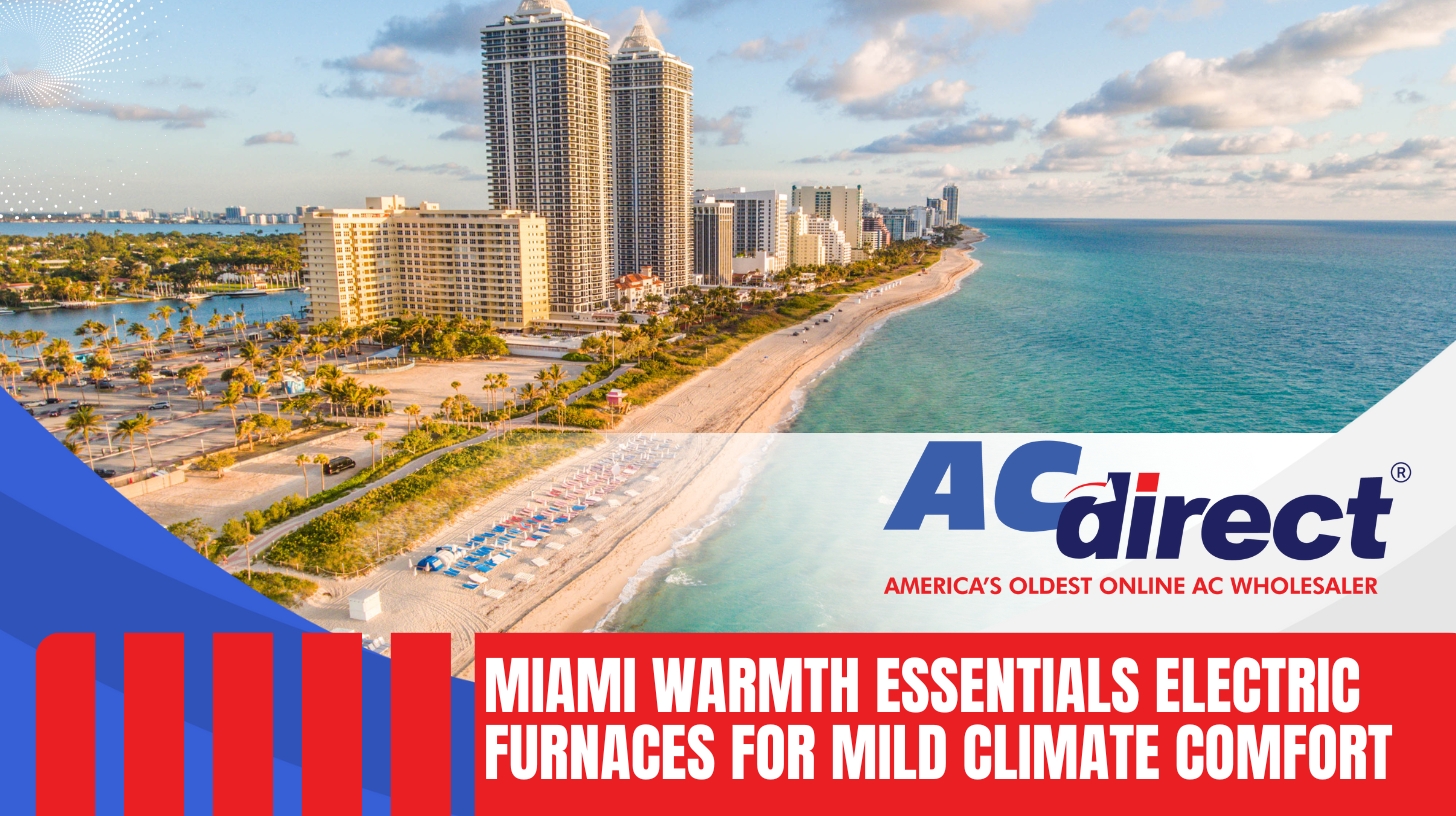
I recall chatting with a longtime Miami homeowner who laughed about northern blizzards while dealing with his own chilly surprises. A sudden dip to the 40s can feel brutal in high humidity, and he needed a system that warmed up fast without running up the FPL bill. Stories like his remind me that even in sunny spots, the right furnace keeps things comfortable year-round.
Miami is famous for its vibrant city life, art deco architecture, and endless sunshine, but residents know the weather is not one-note. While most of the year is hot and humid, winter does arrive in brief bursts. December through February brings occasional cold fronts that can drop nighttime temperatures into the 40s. The chill may not compare to New York or Chicago winters, but in homes built for cooling rather than heating, those sudden drops feel uncomfortable and can cause problems for older residents, children, or anyone sensitive to the cold.
For that reason, heating in Miami is not an afterthought. It is a calculated decision. The choice must balance low upfront costs, energy efficiency, and the reality that a furnace in South Florida will be used sparingly compared to the rest of the country. Electric furnaces are often the best solution because they are efficient, simple to install, and perfectly suited for climates where heating needs are limited but still necessary.
-
Electric furnaces fit Miami's mild climate by offering quick, reliable bursts of heat.
-
Upfront purchase prices are lower than gas or propane alternatives.
-
High efficiency means nearly all electricity converts directly into heat.
-
Easy integration with existing AC systems is valuable in a city dominated by cooling.
-
Two-stage models and programmable thermostats improve comfort and humidity control.
-
Rebates from utilities and federal programs make costs even more manageable.
-
Maintenance is minimal compared to systems requiring fuel storage or combustion.
Why Miami Homes Still Need Heating
It may surprise outsiders to hear that Miami homeowners buy furnaces at all. After all, average daytime highs in January hover around 70 degrees. Yet locals know the humidity makes cooler nights feel much colder than the thermometer suggests. Buildings here are designed to release heat, not trap it. Large windows, tile flooring, and thin walls common in South Florida construction do not insulate the way northern homes do. A 45-degree night in Miami can feel like 30 degrees inside a drafty house.
Heating is also about health and comfort. Families with infants, retirees in coastal condos, and people with chronic illnesses benefit from stable indoor temperatures. Cold snaps can last several days, and relying solely on space heaters is not only inefficient but also unsafe. Fires caused by portable heating devices are a documented risk. A properly installed electric furnace eliminates those dangers and keeps energy use predictable.
Electric Furnaces in Humid Climates
Electric furnaces stand out in Miami because they achieve up to 100 percent efficiency. Unlike gas systems, they do not lose energy through flue gases or exhaust. Every kilowatt of power consumed translates to heat distributed indoors. That reliability is critical in coastal climates where corrosion from salt air can shorten the lifespan of mechanical equipment. With fewer moving parts and no combustion, electric models face less wear and tear.
Another benefit is integration. In Miami, air conditioning dominates utility usage, and most homes already have air handlers. Electric furnaces tie seamlessly into those systems, turning what is primarily a cooling setup into a year-round comfort solution. Homeowners save money by avoiding the installation of additional lines or venting.
The Real Cost of Electric Furnaces in Miami
When residents ask about electric furnace cost, the numbers vary by home size, brand, and efficiency. A typical installation ranges between $2,500 and $5,500. This price includes the furnace itself and the basic labor needed for setup. For high-end models or larger suburban properties in places like Kendall or Coral Gables, costs can reach $6,000 or slightly higher.
Operating costs are often the next concern. According to Florida Power & Light data, electricity prices in Miami remain competitive compared to the national average. For an average 1,800-square-foot home, monthly winter heating bills usually fall between $50 and $150. These are modest compared to northern states where constant use pushes winter bills into the hundreds.
The key to controlling costs lies in proper sizing. An oversized furnace cycles on and off too often, wasting energy, while an undersized one runs constantly without achieving comfort. Professional load calculations that consider insulation, window placement, and household occupancy guarantee the most accurate fit.
Comparing Electric, Gas, and Propane Options
Homeowners often ask whether gas or propane furnaces make more sense. In Miami, the answer usually favors electric because of infrastructure. Many neighborhoods lack natural gas lines. Even where they exist, connecting a home can involve high permitting and installation costs. Propane furnaces provide strong heating but require tank storage, refills, and ongoing monitoring, which complicates life in urban and suburban neighborhoods.
A simple comparison shows why electric is often chosen:
Heating Option | Upfront Cost | Monthly Winter Bill (1,800 sq ft home) | Best Fit
Electric Furnace | $2,500–$5,500 | $50–$150 | Urban neighborhoods and condos
Gas Furnace | $3,000–$6,000 | $40–$120 | Homes already connected to gas lines
Propane Furnace | $3,500–$7,000 | $60–$180 | Rural or off-grid properties
While gas can be cheaper per BTU, Miami's limited need for heating reduces the advantage. For most households, simplicity and low upfront cost make electric the practical choice.
Two-Stage Furnaces for Added Comfort
A 2 stage furnace provides flexibility that fits Miami perfectly. These systems operate at low output most of the time, delivering gentle heating that prevents temperature swings. When a cold front drops temperatures quickly, the furnace switches to high output to restore warmth quickly.
The benefits include lower energy bills, less wear on components, and better humidity control. In humid subtropical climates, preventing rapid on-off cycling is important for maintaining air quality. Homeowners in neighborhoods like Coconut Grove and Little Havana who upgraded to two-stage systems often report quieter operation and fewer complaints about dry or stuffy air.
Mini-Split Systems as Alternatives
While electric furnaces remain popular, ductless mini-splits provide another option, especially for condos, apartments, or home additions. A 24,000 BTU mini-split can comfortably handle up to 1,200 square feet. Many models carry SEER ratings above 20, ensuring strong efficiency.
Mini-splits also offer zoned control. Families in Coral Gables with large multi-story homes appreciate being able to heat a master bedroom without wasting energy on unused rooms. Multi-zone systems let each family member set a comfortable temperature. With corrosion-resistant materials, they perform well in coastal environments.
Incentives and Rebates in Florida
Costs can be reduced further with rebates and credits. Florida utilities, including FPL, frequently offer rebates of $100 to $300 for energy-efficient equipment. Federal tax credits add even more value. Savvy homeowners research programs before purchasing to stack benefits. A $4,500 system can end up costing closer to $3,800 after incentives.
Maintenance Tips for Miami Homes
Maintenance is minimal for electric furnaces, which is part of their appeal. Still, regular filter changes are necessary, especially in Miami where pollen and dust can accumulate quickly. Filters should be replaced every one to three months. Annual professional inspections ensure coils and blowers remain clean and efficient.
Humidity is another consideration. Pairing an electric furnace with a dehumidifier maintains comfort and reduces mold risk. Smart thermostats allow snowbirds to monitor their systems remotely, adjusting settings while traveling north.
Frequently Asked Questions
How Do Electric Furnaces Handle Miami's Humidity?
They operate consistently without producing combustion byproducts. When combined with proper ventilation, they circulate air effectively, lowering the risk of mold in high-humidity conditions.
What Are the Typical Costs for Electric Furnaces in Miami?
Costs average between $2,500 and $5,500, depending on model and home size. Larger homes in suburban areas may see slightly higher totals, but ongoing expenses remain low due to Miami's mild climate.
How Effective Are Two-Stage Furnaces in Mild Winters?
Very effective. They run at lower power for most of the season, keeping costs down and preventing constant cycling. When temperatures drop quickly, the system increases output to restore comfort.
What Benefits Do Mini-Splits Offer in Miami Homes?
They provide zoned comfort, high efficiency, and easy installation without ductwork. For condos and additions, they are often the best choice.
How Much Does a Full AC System Replacement Cost in Miami?
Between $4,500 and $11,000, depending on efficiency ratings, tonnage, and corrosion-resistant features. Incentives can reduce the cost significantly.
How Do I Size the Right AC for My Miami Home?
Professional load calculations are essential. For a 2,000-square-foot home, 3 to 4 tons is common, but factors like insulation, ceiling height, and humidity must be considered.
What Is the Price Range for a 5-Ton AC Unit in Miami?
Typically $5,000 to $12,000, including installation. Higher efficiency models cost more initially but save on long-term bills.
Are Electric Furnaces More Efficient Than Gas in Mild Climates?
Yes, because every unit of electricity converts into heat. In climates with short heating seasons, they avoid the waste and standby costs of gas systems.
Final Thoughts
Miami homeowners want comfort without unnecessary expense. Electric furnaces provide exactly that. They handle short cold snaps reliably, integrate with existing AC setups, and offer efficiency levels that make sense in a subtropical climate. With options like two-stage models, mini-splits, and utility rebates, there is no shortage of ways to stay warm without overspending.
The best system is one that suits your lifestyle, your home's layout, and your budget. For Miami residents, that often means choosing electric for its simplicity, efficiency, and adaptability. With proper installation and light maintenance, these furnaces deliver 15 to 20 years of service, ensuring that when the next unexpected cold front arrives, your home remains as comfortable as it should be.