 and now, NASCAR Racing Sponsor


Blower Coil Unit: Understanding Its Role in Home Comfort
-
 By
Michael Haines
By
Michael Haines
- Oct 4, 2023
Hi, I'm Mike Haines, an HVAC writer for AC Direct. I often talk to homeowners who are confused about the different parts of their heating and cooling systems. In this writeup, I'll cover a key component that often gets overlooked: the blower coil unit. We'll break down what it is, how it works, and why it's so important for keeping your home comfortable.
The blower coil unit is a vital part of many HVAC systems, and understanding its function can help you make better decisions about your home's climate control.
Key Highlights
- A blower coil unit is an essential component in your HVAC system responsible for circulating air and facilitating heat exchange.
- It works in conjunction with either an air conditioner or heat pump to provide cooling or heating to your home.
- Proper sizing and maintenance of your blower coil are crucial for optimal performance and energy efficiency.
- Understanding the different types of blower coils and their features can help you choose the right one for your needs.
- Regular maintenance and timely troubleshooting can extend the lifespan of your blower coil and prevent costly repairs.
What is a Blower Coil Unit?
A blower coil unit is a key component in many residential and commercial HVAC systems. It's essentially an indoor unit that works in conjunction with either an air conditioner or a heat pump to circulate air and provide either cooling or heating. The blower coil contains a blower fan that moves air across a coil, which either heats or cools the air depending on the system's mode.
How Does a Blower Coil Unit Work?
The working principle of a blower coil is relatively straightforward. Here’s a breakdown:
- Air Intake: The blower coil unit draws in air from your home through return ducts.
- Air Filtration: Before the air passes over the coil, it usually goes through a filter to remove dust, pollen, and other particles, improving indoor air quality.
- Heat Exchange: The blower fan then forces this filtered air across the coil. In cooling mode, the coil is filled with cold refrigerant, absorbing heat from the air. In heating mode (for heat pump systems), the coil is filled with hot refrigerant, transferring heat to the air.
- Air Distribution: Finally, the heated or cooled air is pushed back into your home through supply ducts.
Why is the Blower Coil Important for Home Comfort?
The blower coil plays a crucial role in maintaining consistent and comfortable temperatures throughout your home. Without a properly functioning blower coil, your HVAC system won't be able to efficiently distribute heated or cooled air. This can lead to uneven temperatures, hot and cold spots, and increased energy bills. I often see homeowners struggling with these issues, and it's frequently traced back to a problem with their blower coil.
Blower Coils vs. Air Handlers What's the Difference?
The terms "blower coil" and "air handler" are often used interchangeably, but there's a subtle difference. An air handler is a more comprehensive unit that includes a blower, coil, air filter, and sometimes even dampers and other components for better air management. A blower coil, on the other hand, is typically a simpler unit that primarily focuses on air circulation and heat exchange. In many residential applications, the terms are used loosely, but in more complex commercial systems, the distinction can be more significant.
Types of Blower Coil Units
Blower coil units come in various configurations to suit different installation requirements and system designs. Here are a few common types:
Vertical Blower Coils
These units are designed for upflow or downflow configurations and are often installed in closets or utility rooms.
Horizontal Blower Coils
Horizontal units are typically installed in attics or crawl spaces where vertical space is limited.
Modular Blower Coils
These units can be combined with other HVAC components, like furnaces or air conditioning units, to create a customized system.
Key Features to Consider When Choosing a Blower Coil
When selecting a blower coil, several features can impact its performance and suitability for your needs. I advise homeowners to consider these points:
Variable Speed Blowers
Variable speed blowers offer more precise airflow control, leading to improved comfort and energy efficiency.
Direct Drive vs. Belt Drive
Direct drive blowers are generally quieter and require less maintenance than belt-drive models.
Coil Material
Copper coils are known for their durability and heat transfer efficiency, while aluminum coils are a more cost-effective option.
Sizing Your Blower Coil Getting it Right
Proper sizing is crucial for optimal blower coil performance. An undersized unit won't be able to effectively heat or cool your home, while an oversized unit can lead to short cycling and reduced efficiency. The correct size depends on factors such as your home's square footage, insulation levels, climate, and window efficiency. Daikin air conditioning unit I always recommend consulting with a qualified HVAC technician to perform a load calculation and determine the appropriate blower coil size for your specific needs.
Blower Coil Efficiency and Energy Savings
A more efficient blower coil can translate to significant energy savings over time. Look for units with high Energy Efficiency Ratio (EER) or Seasonal Energy Efficiency Ratio (SEER) ratings, especially when pairing with a new air conditioner or heat pump. Variable speed blowers are also a great option, as they consume less energy at lower speeds while maintaining consistent airflow.
Factors Affecting Blower Coil Unit Cost
The cost of a blower coil unit can vary depending on several factors:
Type and Size
Larger units and those with advanced features like variable speed blowers typically cost more.
Brand Reputation
Well-known brands often come with a higher price tag, but may also offer better reliability and warranty coverage. Consider a Mitsubishi mini split system if you want a reliable product.
Installation Complexity
More complex installations may require additional labor and materials, increasing the overall cost.
Installation Considerations for Blower Coils
Proper installation is essential for ensuring optimal blower coil performance and longevity. It's crucial to follow the manufacturer's instructions and local building codes. Key considerations include:
Proper Ductwork Connections
Ensure that the blower coil is properly connected to the ductwork to prevent air leaks and maximize airflow.
Adequate Clearance
Provide sufficient clearance around the unit for maintenance and servicing.
Electrical Connections
Make sure that the electrical connections are properly wired and grounded.
If you are in need of wholesale HVAC parts, check out Wholesale hvac.
Maintenance Tips for a Long-Lasting Blower Coil
Regular maintenance can significantly extend the lifespan of your blower coil and prevent costly repairs. Here are a few tips:
Regular Filter Changes
Replace your air filter every 1-3 months to maintain proper airflow and prevent dust buildup on the coil. Dirty filters restrict airflow, causing the blower motor to work harder and potentially overheat.
Coil Cleaning
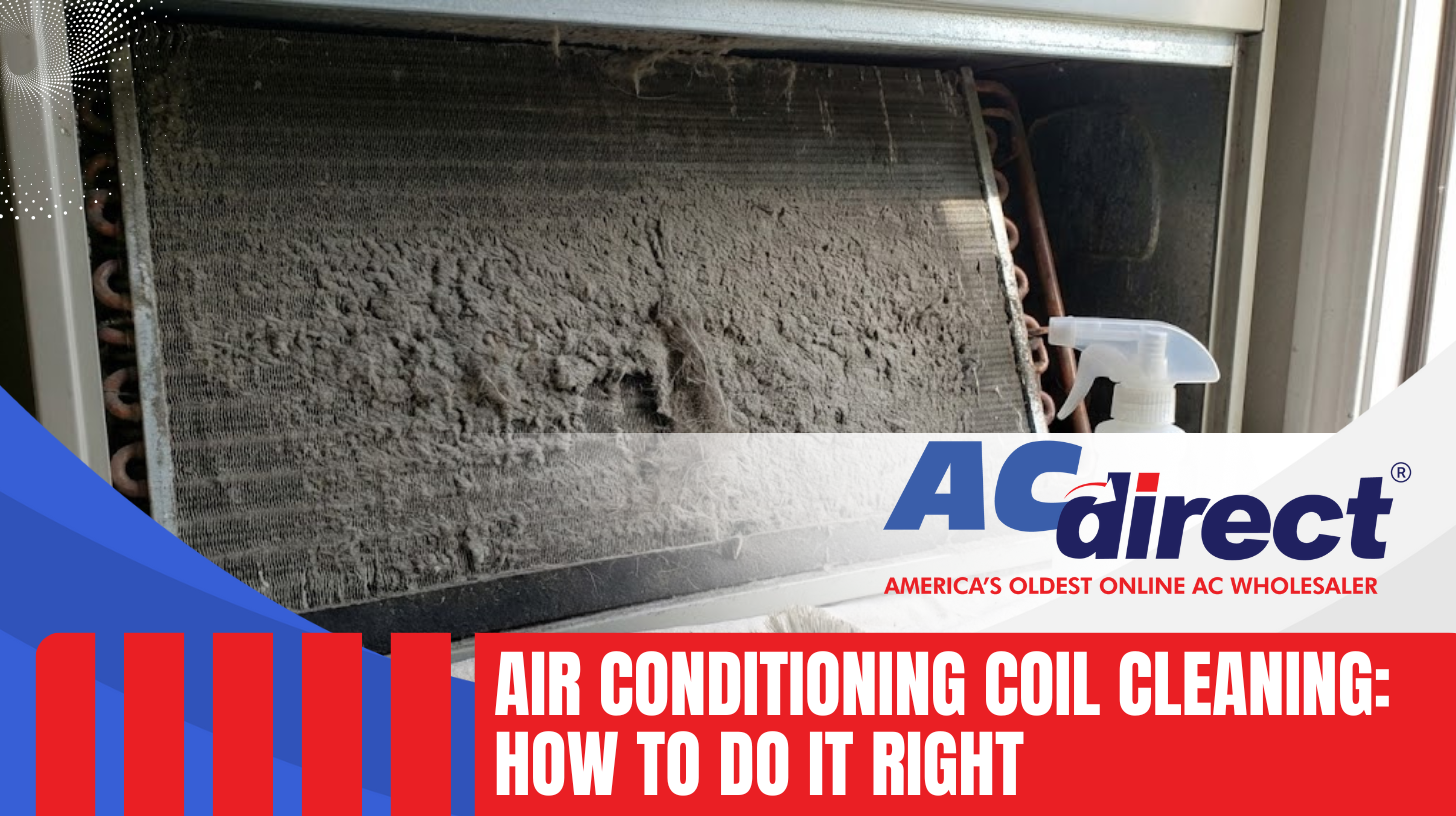
Periodically clean the blower coil to remove any accumulated dust or debris. You can use a soft brush or vacuum cleaner with a brush attachment. For more stubborn buildup, consider using a commercially available coil cleaner.
Professional Inspections
Schedule annual inspections with a qualified HVAC technician to identify and address any potential issues before they escalate.
Troubleshooting Common Blower Coil Problems
Even with regular maintenance, blower coils can sometimes experience problems. Here are a few common issues and potential solutions:
Weak Airflow
This could be due to a dirty air filter, a blocked duct, or a failing blower motor. Check the filter first, and then inspect the ducts for any obstructions. If the problem persists, you may need to call a technician to assess the blower motor.
Unusual Noises
Squealing or grinding noises could indicate a problem with the blower motor bearings or a loose belt (in belt-drive models). Contact a technician for diagnosis and repair.
Coil Freezing
A frozen coil can occur if airflow is restricted or if the refrigerant charge is low. Check the air filter and ensure that the vents are not blocked. If the problem continues, it could indicate a refrigerant leak, which requires professional attention. Cowlitz PUD recommends regular HVAC maintenance to avoid these issues.
When to Replace Your Blower Coil Unit
While regular maintenance can extend the life of your blower coil, there comes a time when replacement is the most cost-effective option. Consider replacing your blower coil if:
It's Over 15 Years Old
Older units are less efficient and more prone to breakdowns.
It Requires Frequent Repairs
If you're constantly spending money on repairs, a new unit may be a better investment.
It's No Longer Efficient
If your energy bills are consistently high, an outdated blower coil could be the culprit.
Finding a Qualified HVAC Technician for Blower Coil Services
When it comes to blower coil installation, maintenance, or repair, it's essential to hire a qualified HVAC technician. Look for a technician who is licensed, insured, and experienced in working with blower coil units. Ask for references and check online reviews to get an idea of their reputation and quality of work.
Blower Coils and Indoor Air Quality
While the primary function of a blower coil is to circulate air for heating and cooling, it also plays a role in indoor air quality. The air filter, which is typically located near the blower coil, removes dust, pollen, and other particles from the air, improving the overall air quality in your home. Regularly replacing the air filter is crucial for maintaining good indoor air quality.
The Future of Blower Coil Technology
Blower coil technology continues to evolve, with manufacturers focusing on improving energy efficiency, airflow control, and air filtration. Expect to see more units with variable speed blowers, advanced coil designs, and smart controls that can be integrated with home automation systems.
Frequently Asked Questions
What are the main benefits of having a properly functioning blower coil?
When your blower coil is working well, it keeps air moving efficiently, so your home stays evenly heated or cooled. It also helps clean the air and can lower your energy bills.
How often should I have my blower coil inspected?
I advise getting your blower coil checked at least once a year, preferably during your regular HVAC maintenance. This way, any small problems can be caught before they become big, expensive ones.
What are some signs that my blower coil might be failing?
If you notice weak airflow, uneven temperatures in your home, strange noises coming from your HVAC, higher energy bills, or your system is turning on and off frequently, it could be a sign that your blower coil is having problems.
Can I replace my blower coil myself?
I strongly recommend against replacing a blower coil yourself. It's a complicated job that needs special skills and tools. Incorrect installation can cause damage to your HVAC system.
How does the blower coil affect my home's humidity levels?
The blower coil helps remove extra moisture from the air as it circulates. If the blower coil isn't working correctly, it can lead to higher humidity levels in your home, making it feel uncomfortable.
Final Thoughts
The blower coil unit is a vital part of your HVAC system, playing a crucial role in heating, cooling, and air circulation. Understanding its function, types, and maintenance requirements can help you make informed decisions about your home's climate control. Regular maintenance, proper sizing, and timely repairs are essential for ensuring optimal performance and energy efficiency.
Whether you're considering replacing your existing blower coil or simply want to learn more about how it works, I hope this writeup has provided you with valuable information. Remember to consult with a qualified HVAC technician for any installation, maintenance, or repair services.
By staying informed and proactive, you can ensure that your blower coil unit continues to provide you with reliable and efficient comfort for years to come.